
Tove Ditlevsen (1917–1976)
Author of The Copenhagen Trilogy: Childhood; Youth; Dependency
About the Author
Ditlevsen grew up in a working-class environment in Copenhagen, an experience that has left a clear stamp on much of her writing. Her novels, generally realistic, revolve around the themes of sexuality, children, and the lives of the poor, and her relentlessly honest depictions have won her a show more steady following in Denmark. (Bowker Author Biography) show less
Series
Works by Tove Ditlevsen
Blinkende Lygter 9 copies
Lille Verden : Digte 5 copies
Kærlighedsdigte 3 copies
Udvalgte digte 2 copies
De voksne Digte 2 copies
Foraar 1 copy
Tove Ditlevsen: Pigesind 1 copy
Min yndlingslæsning 1 copy
Maden (Ny Dansk Prosa) 1 copy
Lice 1 copy
Den hemmelige rude 1 copy
Jag lever på dina besök 1 copy
Hvad nu Annelise 1 copy
Erindringer 1 copy
Associated Works
World Poetry: An Anthology of Verse from Antiquity to Our Time (1998) — Contributor — 499 copies, 2 reviews
Hævnen og andre danske mesterfortællinger, Bind 2 (1973) — Author, some editions — 6 copies, 1 review
Tagged
Common Knowledge
- Legal name
- Ditlevsen, Tove Irma Margit
- Birthdate
- 1917-12-14
- Date of death
- 1976-03-07
- Gender
- female
- Occupations
- poet
author - Awards and honors
- Tagea Brandt Rejselegat (1953)
Aarestrup-Medaljen (1954)
De gyldne Laurbær (1955)
Undervisningsministeriets Børnebogspris (1959)
Søren Gyldendal-Prisen (1971) - Nationality
- Denmark
- Birthplace
- Vesterbro, Copenhagen, Denmark
- Places of residence
- Copenhagen, Denmark
- Map Location
- Denmark
Members
Reviews
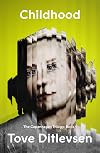
This is one of those titles that gets floated around on #WomenInTranslation lists, which is why I picked it up. And while I did enjoy it, it definitely fit into th category of memoir for me where I felt I would have gotten more out of it had I already known who Tove Ditlevsen was. I wish I had read her poetry first.
Tove grows up on a working class Copenhagen neighborhood in the 1920s. There is a lot of between the wars unrest and economic hardship going on, as well as very limited show more opportunities for girls. But primarily this is a memoir of feeling different. Being vaguely horrified for all the life options you are supposed to aspire to, feeling like you constantly have to mask (she doesn't use that term, of course), to avoid scrutiny, It's about knowing what one wants to be from a very young age (a poet), despite everyone telling you that is impossible.
The writing is fairly intimate and has the feeling of true and deep remembrance of the experience of childhood and adolescence, but I was sometimes frustrated by what was covered here and what was not. Tove's childhood friendship with Ruth is one of her most important relationships, and while we get some insight into the tension in the friendship when it is new and they are thick as thieves (literally, as they shoplift from neighborhood shops), the eventual dissolution of their friendship is treated tangentially
Which reinforces my belief that this is less a memoir of childhood and more an autobiography of how Tove became the poet/writer she was. Which is fine, of course! It is just that, had I known this before, I would have wanted to start with her poetry first.
What I did like most about this was a child's perception of the hypocrisy of adults, especially around topics they feel children must be protected from, the depiction of the sort of bewilderment at watching those around you seem perfectly happy to accept a fate/existence that seems stifling or abhorrent to you, and also the child's simple (and seemingly clear-sighted) view of the tangled relationships of family. show less
Tove grows up on a working class Copenhagen neighborhood in the 1920s. There is a lot of between the wars unrest and economic hardship going on, as well as very limited show more opportunities for girls. But primarily this is a memoir of feeling different. Being vaguely horrified for all the life options you are supposed to aspire to, feeling like you constantly have to mask (she doesn't use that term, of course), to avoid scrutiny, It's about knowing what one wants to be from a very young age (a poet), despite everyone telling you that is impossible.
The writing is fairly intimate and has the feeling of true and deep remembrance of the experience of childhood and adolescence, but I was sometimes frustrated by what was covered here and what was not. Tove's childhood friendship with Ruth is one of her most important relationships, and while we get some insight into the tension in the friendship when it is new and they are thick as thieves (literally, as they shoplift from neighborhood shops), the eventual dissolution of their friendship is treated tangentially
Which reinforces my belief that this is less a memoir of childhood and more an autobiography of how Tove became the poet/writer she was. Which is fine, of course! It is just that, had I known this before, I would have wanted to start with her poetry first.
What I did like most about this was a child's perception of the hypocrisy of adults, especially around topics they feel children must be protected from, the depiction of the sort of bewilderment at watching those around you seem perfectly happy to accept a fate/existence that seems stifling or abhorrent to you, and also the child's simple (and seemingly clear-sighted) view of the tangled relationships of family. show less
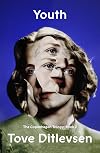
In the second book in Tove Ditlevsen's "Copenhagen" trilogy, we see our narrator struggle with some of the basic challenges of self-definition. Our narrator gets experience in the workplace and spends her nights in dance halls. As she adjusts to the adult world during the day, she tries to judge how much of her innocence to give away. To this American, the very practical views espoused by her friends — that sexual experience is an unspoken requirement for their age group, and that sooner show more is usually better — seem refreshingly clear-eyed and charmingly European, and I was a bit surprised to hear it expressed in the nineteen thirties. We also see Tove doing her best to cross another sort of chasm: the one that separates her from the Danish literary elite. While she barely discusses the contents of her poetry here, she still makes it clear that being a published poet is still what she most desires in life. Because these books are, at base, a story of gradual individuation, it's this poetic sensibility, I think, that the author believes really sets her apart from the people who surround her in interwar Copenhagen's down-at-the-hell neighborhoods, even if she doesn't yet have all of the language to communicate this belief directly. Lastly, readers can hear the rumblings of something more awful than spinsterhood or rejection letters coming. A potential literary patron disappears without a trace; Tove ends up renting a room from a Nazi landlady; and she feels chilled as she hears pro-fascist songs drift from the bandstand. I'll finish this trio up next month, but Ditlevsen is as entertainingly plainspoken and forthright here as she was in "Childhood." show less
I learned that Tove Ditlevsen's "Childhood" was an autobiography and not fiction only after I took at a look at its LibraryThing page. Of course, there's no telling how much of any autobiography is real and how much is fiction or, at the very least, the author's careful framing of their experience. But this slim book's pacing and structure are so effortlessly novelistic that the book often seems to inhabit a grey are between fiction and non-fiction. Lastly, even though the book tells the show more story of a hardscrabble childhood in Copenhagen between the wars, the author herself is something different from her peers: a sensitive soul who years to express herself through writing. Fittingly, the book is written in straightforward prose that describes the author's difficult situation veined with shockingly pretty descriptions and well-placed figurative language. While slightly dramatic teenagers who dream of a life in the arts will probably never be in short supply, the author almost managed to convince me that, even as a child, she was the real thing.
As one might expect of a book titled "Childhood," this one is also about loss and the passage of time. The younger Tove is, compared to many children in her neighborhood, relatively ignorant of the hard facts of sex and death. Still, the author made the passage that people of her social class took towards adulthood very clear: they either dropped out of school at fourteen and joined the working world or went on to high school. As the book closes her brother is training to become a journeyman painter and there are hardly any young women in the neighborhood that aren't pregnant or pushing bassinets. This might seem a bit strange to modern readers, as we live in an age when real adulthood, for many, has been pushed back to somewhere in one's thirties, but the author is smart enough to predict the probable paths her young adulthood will take and emotionally enough aware to mourn the passing of her childhood: she speaks at one point of it growing "threadbare." The fact that she is late to arrive at puberty only makes things more difficult for her, and sparks fears that she will be left between one state and another forever.
What all these futures have in common is that adulthood lies outside the family: being an adult means being "among other people." While her father and brother give young Tove a political education in a sort of romantic socialism, her difficult mother, who is prone to spiteful silences and fits of rage, teaches her how difficult human relationships can be. As Ditlevsen ends her autobiography, she has no potential suitors but has written a notebook's worth of love poetry. Although she's admirably ambitious, she's also painfully aware that her childhood has not given her much in the way of tools with which to achieve them. Recommended. I'll read the next one in this trilogy next month. show less
As one might expect of a book titled "Childhood," this one is also about loss and the passage of time. The younger Tove is, compared to many children in her neighborhood, relatively ignorant of the hard facts of sex and death. Still, the author made the passage that people of her social class took towards adulthood very clear: they either dropped out of school at fourteen and joined the working world or went on to high school. As the book closes her brother is training to become a journeyman painter and there are hardly any young women in the neighborhood that aren't pregnant or pushing bassinets. This might seem a bit strange to modern readers, as we live in an age when real adulthood, for many, has been pushed back to somewhere in one's thirties, but the author is smart enough to predict the probable paths her young adulthood will take and emotionally enough aware to mourn the passing of her childhood: she speaks at one point of it growing "threadbare." The fact that she is late to arrive at puberty only makes things more difficult for her, and sparks fears that she will be left between one state and another forever.
What all these futures have in common is that adulthood lies outside the family: being an adult means being "among other people." While her father and brother give young Tove a political education in a sort of romantic socialism, her difficult mother, who is prone to spiteful silences and fits of rage, teaches her how difficult human relationships can be. As Ditlevsen ends her autobiography, she has no potential suitors but has written a notebook's worth of love poetry. Although she's admirably ambitious, she's also painfully aware that her childhood has not given her much in the way of tools with which to achieve them. Recommended. I'll read the next one in this trilogy next month. show less
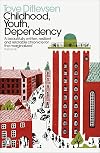
This is a memoir told from a familiar angle, growing up, becoming yourself, and trying to understand your family, but the voice feels like a unique perspective. And boy, it is bleak. I started Childhood in August and kept moving the book around with me. I’d return to it, but it felt too heavy every time I picked it up. It’s so real, and there isn’t much relief. The writing reflects experience so well, her mother’s love and distance, her self-awareness, and the slow formation of her show more identity. There are bits of hope, but mostly it’s neglect, poverty, abuse, addiction, loss, and generational trauma. The focus on addiction is devastating because it’s written with such clarity that the cycles feel inevitable. My heart hurt for the children, raised without the tenderness they needed. It’s beautifully written, and it refuses to flinch, but I’m flinching. It made me feel awful nearly the whole time. It’s powerful, and honest, and I understand why it’s endured. Read it, take care of yourself while you do. show less
Lists
Awards


You May Also Like


Associated Authors
Statistics
- Works
- 74
- Also by
- 8
- Members
- 2,724
- Popularity
- #9,425
- Rating
- 4.0
- Reviews
- 71
- ISBNs
- 299
- Languages
- 21
- Favorited
- 4