
Ana María Matute (1926–2014)
Author of Olvidado Rey Gudu
About the Author
Ana Maria Matute was born on July 26, 1925. She studied at the international school of Hilversum in the Netherlands. She was regarded as one of Spain's greatest post-Civil War writers. Her works include Los Abel (The Abels), Los Soldados Lloran de Noche (Soldiers Cry By Night), La Trampa (The show more Trap), and Family Demons. She also wrote books for children and young adults including Los Ninos Tontos (The Stupid Children) and El Verdadero Final de La Bella Durmiente (The True Story of Sleeping Beauty). She received numerous awards including Spain's National Literature Award for Children's and Young People's Literature in 1984, Spain's National Literature Award in 2007, and the Cervantes Prize in 2010. She died of a heart attack on June 25, 2014 at the age of 88. (Bowker Author Biography) show less
Series
Works by Ana María Matute
LA PEQUEÑA VIDA 3 copies
Cuentos de niños y niñas 3 copies
Una estrella en la piel y otros cuentos / A star in the skin and other stories (Spanish Edition) (2011) 3 copies
Retratos de ambigu 1988 1 copy
Pecado de omision 1970 1 copy
Seltsame Kinder 1 copy
En esta tierra 1 copy
School of the sun 1 copy
Seltsame Kinder: Erzählungen 1 copy
Los cuentos, vagabundos 1 copy
Olvidado Rei Gudú 1 copy
Carnavalito 1 copy
Associated Works
A Thousand Forests in One Acorn: An Anthology of Spanish-Language Fiction (2014) — Contributor — 51 copies
New World Writing 21 — Contributor — 1 copy
Biblioteca de selecciones (Hotel St. Gregory, La Jaula Del Prejuicio, El Tiempo, El Interno) — Author — 1 copy
Spanische Erzähler der Gegenwart — Contributor — 1 copy
Tagged
Common Knowledge
- Canonical name
- Matute, Ana María
- Legal name
- Matúte, Ana María
- Birthdate
- 1926-07-26
- Date of death
- 2014-06-25
- Gender
- female
- Occupations
- novelist
short story writer
musician - Organizations
- Real Academia Española
- Awards and honors
- Premio Miguel de Cervantes (2010)
- Relationships
- Matute, Facundo (vader)
Goicoechea, Ramon Eugenio de (ex-echtg.)
Goicoechea, Juan Pablo de (zoon) - Short biography
- Ana Maria Matute was born in Barcelona, Spain. Her early education was disrupted by childhood illnesses, her family’s frequent moves, and the Spanish Civil War. At age four, she went to live with her grandparents in Mansilla de la Sierra, a small town in the mountains, during recovery from a serious kidney infection. She would later use the region as a setting in her writings. While still in her teens, she published her first short stories and became a professional musician. In 1948, she published her first novel, Los Abel (The Abel Family). She matured as a writer during the fascist Franco years (posguerra period), and some of the recurrent themes in her work are violence, betrayal, and alienation, with an emphasis on the feelings of children and adolescents. She was known for adding elements such as myth, fairy tales, the supernatural, and fantasy to her writings. Her work was sometimes censored by the Francoist government. Matute also was a university professor, and traveled to various countries as a guest lecturer or instructor. In addition to the novels for which she is best known, she published several collections of short stories. Her literary prizes included the Cervantes Prize in 2010.
- Nationality
- Spain
- Birthplace
- Barcelona, Spain
- Places of residence
- Barcelona, Spain
Madrid, Spain
Mansilla de la Sierra, Spain - Place of death
- Barcelona
- Burial location
- Cementiri de Montjuïc, Barcelona, Spain
- Map Location
- Spain
- Associated Place (for map)
- Spain
Members
Reviews
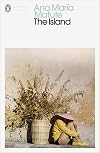
Ana María Matute is one of Spain's best known writers, and has won the Premio Nadal as well as the Cervantes Prize, two of Spain's highest literary honours. I had not read any of her works, and thought it was about time. The Island is a short, bitter novel, part of a semi-autobiographical trilogy of books first published in the 1950s-70s. The original title in Spanish is Primera memoria and it was initially published in English translation as Awakening. In an introductory essay, Laura show more Lonsdale speaks of the derogatory terms in which the persons in the book referred to Jewish people, but I noticed as I read that they also use a slur for one of the (Spanish) characters ('Chink'- translated apparently from El Chino in Spanish). I found it odd - and I've seen other reviews as well note this as well - that she didn't acknowledge the use of this slur, and the way it was translated, as she did the others, which received a great deal of attention.
In The Island, Matia, a rebellious teenage girl, is sent to live on a small island in Mallorca with her grandmother. A proud, unyielding, strict woman, Matia's grandmother rules over not only their large, crumbling mansion, but also the island in general. Matia's uncle is away fighting in the Spanish Civil War; the war, in turn, although distant, looms large over their lives on the remote island. Also present on the island is Matia's aunt, a distracted, soft-hearted woman prone to drink, whom Matia holds in contempt because she is overweight, and Matia's cousin Borja, a manipulative, nasty, ill-tempered boy. Their housekeeper, Antonia, bears the brunt of Matia's rage at her situation, while Borja directs his ire at their tutor, Antonia's son Lauro, who is the aforementioned 'El Chino', a term of contempt. Borja and Matia run wild over the island, exploring beaches, quarreling with each other, engaging in little spiteful exchanges, and thoroughly ignoring their tutor. Borja in front of his grandmother is obsequious and deferential, and consequently, her favourite - Matia, who is polite to no one, is the subject of much disgrace, more so because her own father joined the side of the republicans, while her grandmother, uncle and all the rest support the nationalists. Over the course of the novel, Matia befriends Manuel, the oldest son of the island's only Jewish family. As Manuel's family are increasingly subject to ritualistic humiliation and torments (his mother's head is publicly shaved, their dog killed and thrown into their well, poisoning their water), Manuel's father is killed. Matia must keep her friendship with him a secret; although Borja has found out, and Borja, who has never done anything except for his own benefit, will undoubtedly use this knowledge for his own use.
Matute combines the incredibly difficult and dense subject matter of this novel with a narrative style that is almost feverish: told through Matia's eyes, events pass almost like fleeting images, leaving impressions on her, her huge adolescent emotions and rages colouring them. Amidst the great overarching horror of war and anti-semitism, Matute also weaves in innumerable smaller horrors: The tutor, Lauro, is heavily implied to have attempted to behave improperly with Borja, and Borja in turn, is using this information to blackmail Lauro into letting him do whatever he wants. Borja continually uses Matia's friendship with Manuel to accuse her of promiscuity, an accusation he doubles with any male she comes in contact with. Every aspect of this novel is utterly joyless: even moments of pleasure and happiness are quickly revealed as tainted, or attached to a price too big to bear. Although Matia's internal pain and to some extent, Borja's, are in the foreground, Matute demonstrates that all around the two self-involved teenagers, tragedies are unfolding at a scale they cannot imagine, involving people that they neither notice, nor care about.
I walked away with a feeling of great disgust and disquiet, which is to the credit of the author, who clearly intended to provoke this reaction and did so, with excellence. It is a very skillful novel, but not one that I would ever read again. show less
In The Island, Matia, a rebellious teenage girl, is sent to live on a small island in Mallorca with her grandmother. A proud, unyielding, strict woman, Matia's grandmother rules over not only their large, crumbling mansion, but also the island in general. Matia's uncle is away fighting in the Spanish Civil War; the war, in turn, although distant, looms large over their lives on the remote island. Also present on the island is Matia's aunt, a distracted, soft-hearted woman prone to drink, whom Matia holds in contempt because she is overweight, and Matia's cousin Borja, a manipulative, nasty, ill-tempered boy. Their housekeeper, Antonia, bears the brunt of Matia's rage at her situation, while Borja directs his ire at their tutor, Antonia's son Lauro, who is the aforementioned 'El Chino', a term of contempt. Borja and Matia run wild over the island, exploring beaches, quarreling with each other, engaging in little spiteful exchanges, and thoroughly ignoring their tutor. Borja in front of his grandmother is obsequious and deferential, and consequently, her favourite - Matia, who is polite to no one, is the subject of much disgrace, more so because her own father joined the side of the republicans, while her grandmother, uncle and all the rest support the nationalists. Over the course of the novel, Matia befriends Manuel, the oldest son of the island's only Jewish family. As Manuel's family are increasingly subject to ritualistic humiliation and torments (his mother's head is publicly shaved, their dog killed and thrown into their well, poisoning their water), Manuel's father is killed. Matia must keep her friendship with him a secret; although Borja has found out, and Borja, who has never done anything except for his own benefit, will undoubtedly use this knowledge for his own use.
Matute combines the incredibly difficult and dense subject matter of this novel with a narrative style that is almost feverish: told through Matia's eyes, events pass almost like fleeting images, leaving impressions on her, her huge adolescent emotions and rages colouring them. Amidst the great overarching horror of war and anti-semitism, Matute also weaves in innumerable smaller horrors: The tutor, Lauro, is heavily implied to have attempted to behave improperly with Borja, and Borja in turn, is using this information to blackmail Lauro into letting him do whatever he wants. Borja continually uses Matia's friendship with Manuel to accuse her of promiscuity, an accusation he doubles with any male she comes in contact with. Every aspect of this novel is utterly joyless: even moments of pleasure and happiness are quickly revealed as tainted, or attached to a price too big to bear. Although Matia's internal pain and to some extent, Borja's, are in the foreground, Matute demonstrates that all around the two self-involved teenagers, tragedies are unfolding at a scale they cannot imagine, involving people that they neither notice, nor care about.
I walked away with a feeling of great disgust and disquiet, which is to the credit of the author, who clearly intended to provoke this reaction and did so, with excellence. It is a very skillful novel, but not one that I would ever read again. show less
Matia, Borja y Manuel no quieren dejar de ser niños. Son adolescentes al borde del abismo de la edad adulta, con miedo a asomarse pero conscientes de que no tienen alternativa, de que no les queda más remedio que hacerlo. Se les acabó el tiempo. Y el poco que les quedaba lo consume una guerra que acaba de estallar y que se alarga, en la lejanía, y lo ensombrece todo.
«Quien no haya sido, desde los nueve a los catorce años, atraído y llevado de un lugar a otro, de unas a otras manos, show more como un objeto, no podrá entender mi desamor y rebeldía de aquel tiempo», dice una Matia adulta, recordando a la Matia de entonces, una niña de rodillas peladas, llena de rabia, desterrada por el abandono paterno en una isla cuyo nombre jamás se pronuncia. En aquel largo verano del treinta y seis, y bajo la mirada vigilante de su abuela, ella y su primo Borja, un muchacho de quince años taimado y carismático, desgranan una rutina estival hecha de perezosas lecciones de latín, cigarrillos fumados a escondidas y escapadas en barca a las calas recónditas de la isla. Sus pequeños secretos y maldades, el atisbo de la complejidad del mundo de los mayores tienen en Manuel, el hijo mayor de una familia marginada por todos hacia el que Matia siente un apego que no consigue definir, una caja de resonancia que hace pedazos la frágil alianza de conveniencia de los dos primos. show less
«Quien no haya sido, desde los nueve a los catorce años, atraído y llevado de un lugar a otro, de unas a otras manos, show more como un objeto, no podrá entender mi desamor y rebeldía de aquel tiempo», dice una Matia adulta, recordando a la Matia de entonces, una niña de rodillas peladas, llena de rabia, desterrada por el abandono paterno en una isla cuyo nombre jamás se pronuncia. En aquel largo verano del treinta y seis, y bajo la mirada vigilante de su abuela, ella y su primo Borja, un muchacho de quince años taimado y carismático, desgranan una rutina estival hecha de perezosas lecciones de latín, cigarrillos fumados a escondidas y escapadas en barca a las calas recónditas de la isla. Sus pequeños secretos y maldades, el atisbo de la complejidad del mundo de los mayores tienen en Manuel, el hijo mayor de una familia marginada por todos hacia el que Matia siente un apego que no consigue definir, una caja de resonancia que hace pedazos la frágil alianza de conveniencia de los dos primos. show less

Teatro de títeres: humildes muñecos movidos por la destreza de un anciano bondadoso... Pero seres humanos también, seres humanos que palpitan y bullen en la ciudad, dejando al descubierto sus propias miserias, sus inclinaciones, sus torpes sentimientos, sus mezquindades, sus odios, sus reacciones...
En torno a un adolescente desamparado se agitan las pasiones de seres cuyas ruindades –fantochadas, hipocresía, ambición, crueldad, sueños engañosos– adquieren, a lo largo de la show more narración y por la lograda delimitación de los personajes, caracteres de símbolos, aunque sin perder en ningún momento su condición humana. show less
En torno a un adolescente desamparado se agitan las pasiones de seres cuyas ruindades –fantochadas, hipocresía, ambición, crueldad, sueños engañosos– adquieren, a lo largo de la show more narración y por la lograda delimitación de los personajes, caracteres de símbolos, aunque sin perder en ningún momento su condición humana. show less
'La torre vigía' forma parte de la llamada Trilogía Medieval de Ana María Matute; aunque son de lectura independiente. En esta primera novela de la trilogía, el protagonista nos narra cómo transcurre su vida en las tierras de su padre, un señor feudal que está bajo las órdenes del Barón Mohl. Al llegar a cierta edad, los hijos deben viajar a tierras del Barón para concluir su aprendizaje y ser nombrados caballeros. Esta es una novela de iniciación, donde se nos presenta a un show more protagonista, niño todavía, que no encuentra su lugar junto a su familia y hermanos, siendo objeto de odio por estos últimos. Además, el protagonista queda marcado por unos atroces hechos de los que es testigo obligado: una madre y su hija son quemadas en la hoguera por brujas.
Es curiosa la lectura de esta novela. A pesar de ser una novela corta, al acabar de leerla me ha dejado la sensación de haber vivido durante días con los personajes. Creo que es debido a la prosa de la autora, poética y lírica, que te sumerge en una época mítica y bárbara. Está muy bien escrito, pero se me ha hecho algo denso. He echado de menos que sucedan más cosas. Desde luego, todo aquel que busque fantasía épica con magos y guerreros, no creo que le guste. Es una fantasía de tono más intimista e introspectivo. show less
Es curiosa la lectura de esta novela. A pesar de ser una novela corta, al acabar de leerla me ha dejado la sensación de haber vivido durante días con los personajes. Creo que es debido a la prosa de la autora, poética y lírica, que te sumerge en una época mítica y bárbara. Está muy bien escrito, pero se me ha hecho algo denso. He echado de menos que sucedan más cosas. Desde luego, todo aquel que busque fantasía épica con magos y guerreros, no creo que le guste. Es una fantasía de tono más intimista e introspectivo. show less
Lists
Reading LIst (1)
Awards


You May Also Like


Associated Authors
Statistics
- Works
- 79
- Also by
- 8
- Members
- 2,265
- Popularity
- #11,335
- Rating
- 3.7
- Reviews
- 77
- ISBNs
- 273
- Languages
- 9
- Favorited
- 8