
James Lee Burke
Author of The Neon Rain
About the Author
James Lee Burke, winner of two Edgar awards, is the author of nineteen previous novels, many of them "New York Times" bestsellers, including "Cimmaron Rose", Cadillac Jukebox", & "Sunset Limited". He & his wife divide their time between Missoula, Montana, & New Iberia, Louisiana. (Publisher show more Provided) show less
Image credit: supplied by author
Series
Works by James Lee Burke
The Best of Robicheaux: 'In the Electric Mist with Confederate Dead', 'Cadillac Jukebox' and 'Sunset Limited' (2000) 19 copies
Three Great Novels 3: " A Morning for Flamingos " , " A Stained White Radiance " , " In the Electric Mist With Confederate Dead " (Great Novels) (2005) 18 copies
A Dave Robicheaux Ebook Boxed Set: Jolie Blon's Bounce, Last Car to Elysian Fields, Crusader's Cross (2011) 12 copies
A Billy Bob and Hackberry Holland Ebook Boxed Set: In the Moon of Red Ponies, Rain Gods, Excerpt from Feast Day of Fools (2011) 7 copies
Exclusive Interview: Jim Atlas with James Lee Burke on William Faulkner (Digital Audiobook) 3 copies
Im Süden: Roman 2 copies
First 15 Dave Robicheaux: Black Cherry Blues, Burning Angel, Cadillac Jukebox, Crusaders Cross, Dixie City Jam, Heavens (1986) 2 copies
2015 1 copy
Gevangene van de hemel 1 copy
Étranger à la dérive 1 copy
Blues por New Orleans 1 copy
A Dave Robicheaux Ebook Boxed Set: Neon Rain, Heaven's Prisoners, Excerpt from The Glass Rainbow 1 copy
Il mio nome è Mae Robicheaux 1 copy
Billy Bob Holland 4 Pack Novels: Cimarron Rose, Heart Wood, Bitterroot, In the Moon of Red Ponies (1997) 1 copy
Dunkle Tage im Iberia Parish 1 copy
Winter Light 1 copy
Cadillac K.K.K. 1 copy
Crimson 1 copy
1998 1 copy
Associated Works
These United States: Original Essays by Leading American Writers on Their State within the Union by John Leonard (1995) — Contributor — 101 copies, 1 review
Unusual Suspects: A New Anthology of Crime Stories from Black Lizard (1996) — Contributor — 39 copies, 1 review
Crimespree Magazine #50 — Contributor — 1 copy
Tagged
Common Knowledge
- Legal name
- Burke, James Lee
- Birthdate
- 1936-12-05
- Gender
- male
- Education
- University of Missouri (BA|English|1958)
University of Missouri (MA) - Occupations
- novelist
pipeliner
land surveyor
social worker
English professor
newspaper reporter - Awards and honors
- Guggenheim Fellowship
MWA Grand Master (2009)
Louisiana Writer Award (2002) - Agent
- Philip Spitzer
- Relationships
- Burke, Alafair (daughter)
Dubus, Elizabeth Nell (cousin) - Short biography
- Burke's "The Lost Get Back Bookie" was rejected 111 times over 9 years before being published by LSU Press.
After publication, it was nominated for a Pulitzer Prize. - Nationality
- USA
- Birthplace
- Houston, Texas, USA
- Places of residence
- Missoula, Montana, USA
New Iberia, Louisiana, USA
Houston, Texas, USA (birthplace) - Associated Place (for map)
- USA
Members
Reviews

Summary: Investigation of multiple rapes and murders, and a murder from 1957 confront Robicheaux with dark figures from his past, and pose a threat to all he holds dear.
If Gabriel Garcia Marquez wrote crime fiction about rural Louisiana, he might have produced this book. I didn't expect to encounter magical realism in this, the sixth of James Lee Burke's Dave Robicheaux stories. It was strange, but for me it worked better than some of the Marquez I have read. The magical realism part has to show more do with dreams or waking visions of the Confederate dead (hence the title), appearing first to an oft-drunk movie actor, Elrod Sykes, and then to Robicheaux, who is now stone-cold sober. Robicheaux even has conversations with General John Bell Hood, who seems to be his version of Obi-Wan Kenobi, speaking in metaphors and riddles that offer clues and sometimes warnings.
The story begins with a gruesome kidnapping-rape-murder of a young woman. While investigating the murder, Robicheaux pulls over a drunken Elrod Sykes, who subsequently proceeds to tell him a story of seeing Confederate soldiers in the Atchafalaya swamp where he is being filmed by a movie company that has more or less taken over Robicheaux's New Iberia (in more ways than one). He also tells him of finding a dead body in chains. It turns out this is no drunken illusion. The body is near a location where Robicheaux had witnessed a murder of a black prisoner in chains -- in 1957 -- reported but dismissed by the authorities.
He's joined in the investigation by an F.B.I investigator, Rosie Gomez, partly because of the kidnapping element (and evidence of more murders), but also because of the presence of Julie "Baby Feet" Balboni, an investor in the film, who has returned from the New Orleans underworld to New Iberia, where his family once controlled organized crime. He and Robicheaux were also once classmates, and baseball team mates. He has a group of "associates" including his consigliere, Chollo, the movie security guy, Murphy Doucet, a former cop, and Twinky LeMoyne, Doucet's partner.
In an unlikely turn of events, Sykes ends up living with Robicheaux after his girlfriend, Kelly is shot. He quickly becomes a favorite with Bootsie, Dave's wife, and his daughter Alafair, and manages to discover a new-found sobriety. Robicheaux, however, as he investigates Balboni and his connections falls out of favor with the townsfolk, and then is set up taking the fall for a murder of an unarmed prostitute. Evidence exonerates him but then another murder of an old detective friend comes closer to home. Throughout, he continues to see Hood and his soldiers at key turning points. The closer he gets to the killer he seeks, and the solution to the 1957 murder he witnessed, the closer danger comes to him until an exciting conclusion.
One of the qualities of Burke's work is his descriptive power to create an atmosphere, in which you feel the humidity, smell the trees, the ozone of the lightning, the fetid smells of the swamps. I've never been to that part of the country but I felt like I was there as I read. Robicheaux is a fascinating character--a Vietnam vet with troubled memories, a reformed alcoholic, someone who carries troubled memories and lives in an uneasy truce with them, who has a strong sense of rectitude, and yet will bend the rules of evidence and interrogation in pursuit of his ends.
This was my first Robicheaux novel, picked because of a recommendation of a bookseller, and the intriguing title as much as anything. Burke's writing, and Robicheaux's character were good enough that I am ready to come back for more. show less
If Gabriel Garcia Marquez wrote crime fiction about rural Louisiana, he might have produced this book. I didn't expect to encounter magical realism in this, the sixth of James Lee Burke's Dave Robicheaux stories. It was strange, but for me it worked better than some of the Marquez I have read. The magical realism part has to show more do with dreams or waking visions of the Confederate dead (hence the title), appearing first to an oft-drunk movie actor, Elrod Sykes, and then to Robicheaux, who is now stone-cold sober. Robicheaux even has conversations with General John Bell Hood, who seems to be his version of Obi-Wan Kenobi, speaking in metaphors and riddles that offer clues and sometimes warnings.
The story begins with a gruesome kidnapping-rape-murder of a young woman. While investigating the murder, Robicheaux pulls over a drunken Elrod Sykes, who subsequently proceeds to tell him a story of seeing Confederate soldiers in the Atchafalaya swamp where he is being filmed by a movie company that has more or less taken over Robicheaux's New Iberia (in more ways than one). He also tells him of finding a dead body in chains. It turns out this is no drunken illusion. The body is near a location where Robicheaux had witnessed a murder of a black prisoner in chains -- in 1957 -- reported but dismissed by the authorities.
He's joined in the investigation by an F.B.I investigator, Rosie Gomez, partly because of the kidnapping element (and evidence of more murders), but also because of the presence of Julie "Baby Feet" Balboni, an investor in the film, who has returned from the New Orleans underworld to New Iberia, where his family once controlled organized crime. He and Robicheaux were also once classmates, and baseball team mates. He has a group of "associates" including his consigliere, Chollo, the movie security guy, Murphy Doucet, a former cop, and Twinky LeMoyne, Doucet's partner.
In an unlikely turn of events, Sykes ends up living with Robicheaux after his girlfriend, Kelly is shot. He quickly becomes a favorite with Bootsie, Dave's wife, and his daughter Alafair, and manages to discover a new-found sobriety. Robicheaux, however, as he investigates Balboni and his connections falls out of favor with the townsfolk, and then is set up taking the fall for a murder of an unarmed prostitute. Evidence exonerates him but then another murder of an old detective friend comes closer to home. Throughout, he continues to see Hood and his soldiers at key turning points. The closer he gets to the killer he seeks, and the solution to the 1957 murder he witnessed, the closer danger comes to him until an exciting conclusion.
One of the qualities of Burke's work is his descriptive power to create an atmosphere, in which you feel the humidity, smell the trees, the ozone of the lightning, the fetid smells of the swamps. I've never been to that part of the country but I felt like I was there as I read. Robicheaux is a fascinating character--a Vietnam vet with troubled memories, a reformed alcoholic, someone who carries troubled memories and lives in an uneasy truce with them, who has a strong sense of rectitude, and yet will bend the rules of evidence and interrogation in pursuit of his ends.
This was my first Robicheaux novel, picked because of a recommendation of a bookseller, and the intriguing title as much as anything. Burke's writing, and Robicheaux's character were good enough that I am ready to come back for more. show less
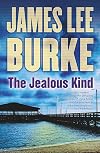
I have been a James Lee Burke fan for quite a while now (not that I've yet read every one of his many books). THE JEALOUS KIND is absolutely terrific - a coming-of-age story featuring 17-year-old Aaron Holland Broussard (grandson of Hackberry Holland, one of Burke's series characters). Not only does this novel take you back to a particular era in 1950's America, with colour and rich detail, it mixes its lead character up with members of the Mob and other lowlifes, and the danger and show more excitement that entails. It is also about grace and mercy - qualities which young Broussard has in abundance, and which he offers, at the end of the book, to a heroin-addicted mob woman and a dying detective. Not only that, but Burke depicts in all its glorious colours the flowering of young and abiding love. As always, his descriptions of landscape, human feeling, and the particular milieu in which his story is set, are eloquent. A must read from the master. show less

In Robicheaux, James Lee Burke takes you deep inside a Louisiana filled with murder, corruption and mystery. Dave Robicheaux is a cop in New Iberia, but when the man who killed his wife in a car accident is murdered, Dave isn’t sure if he’s responsible because he had fallen off the wagon and was blackout drunk. Along with his best friend, private investigator Clete Purcell, he tries to find out the truth of what happened. Clete has a gambling problem that threatens to take away his show more livelihood when New Orleans mobster Fat Tony Nemo buys his debt.
Slick politician Jimmy Nightingale seeks Dave’s help for an introduction to oddball novelist Levon Broussard in order to make a film out of his civil war novel. Instead, Jimmy winds up accused of raping Broussard’s wife Rowena and Dave is assigned to investigate. Meanwhile, a chilling killer for hire named “Smiley” shows up and starts taking players off the board. It’s up to Dave and Clete to unravel things and try to find some sort of justice. Figuring out what that justice might be is the hardest part.
Burke writes amazing characters. Robicheaux and Purcell have tortured pasts but work hard to maintain their moral compasses. Events have a way of challenging those beliefs when the greater good isn’t always easy to discern. Burke surrounds these two with oddball and eccentric characters that range from inspiring to corrupt and evil. Each one is complicated and multi-faceted. Bodies continue to pile up, but Robicheaux doggedly moves forward, shining the light as brightly on his own possible actions as on those of anyone else.
Robicheaux is an excellent novel that holds your attention from start to finish. Burke provides enough background that new readers can feel free to jump in without having read previous books. I have a feeling this book will be on some ‘best of 2018’ lists at the end of the year. Highly recommended!
I was fortunate to receive an advance copy of this book from the publisher. show less
Slick politician Jimmy Nightingale seeks Dave’s help for an introduction to oddball novelist Levon Broussard in order to make a film out of his civil war novel. Instead, Jimmy winds up accused of raping Broussard’s wife Rowena and Dave is assigned to investigate. Meanwhile, a chilling killer for hire named “Smiley” shows up and starts taking players off the board. It’s up to Dave and Clete to unravel things and try to find some sort of justice. Figuring out what that justice might be is the hardest part.
Burke writes amazing characters. Robicheaux and Purcell have tortured pasts but work hard to maintain their moral compasses. Events have a way of challenging those beliefs when the greater good isn’t always easy to discern. Burke surrounds these two with oddball and eccentric characters that range from inspiring to corrupt and evil. Each one is complicated and multi-faceted. Bodies continue to pile up, but Robicheaux doggedly moves forward, shining the light as brightly on his own possible actions as on those of anyone else.
Robicheaux is an excellent novel that holds your attention from start to finish. Burke provides enough background that new readers can feel free to jump in without having read previous books. I have a feeling this book will be on some ‘best of 2018’ lists at the end of the year. Highly recommended!
I was fortunate to receive an advance copy of this book from the publisher. show less
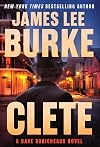
Having previously read 22 of the 23 Dave Robicheaux novels, I was quite surprised when I began reading Burke’s latest venture into Robicheaux’s Louisiana and finding the story told from Clete Purcel’s perspective. After so many volumes in Robicheaux’s voice, this one took some getting used to. I didn’t think I was gonna like it, just for the reason that my biggest joy in reading these books has been seeing the world through Dave’s eyes. I figured Burke had made a mistake, but, show more boy, was I wrong. I’d put this novel in my top five favorite Burke novels. Telling the story through Clete was genius.
There’s something brutal and poetic about Clete, a man who wears his wounds on his heart and drinks the pain down for comfort. The writing itself is some of Burke’s finest, cutting through the muck of this crooked world with the sharp precision of a blade drawn through rusted iron.
Through Clete’s eyes, Dave Robicheaux is revealed in all his quiet, lonely grandeur. Clete sees him differently, like a ghost walking among the living, a man who’s been fractured by his own heartaches.
“He had lost multiple wives but mourned in a peculiar fashion. He stayed mostly celibate and walked by himself at sunset in the graveyards where they were buried. It was kind of spooky. A priest friend of his on the bayou in Jeanerette tried to help him, but Dave Robicheaux never had a door to his soul, even with his wives, all of whom he loved. I guess you could say he was the loneliest man I ever knew.”
And when Clete talks about love, it’s different, it’s cracked and bitter but laced with the sweetness of something true: "I loved Dave Robicheaux. Like Waylon Jennings said, 'I’ve always been crazy, but it’s kept me from going insane.’”
Southern Louisiana is a living, breathing entity in Burke’s work--a beast as majestic as it is malevolent. The very air is thick with humidity, the scent of decay wrapped in the perfume of magnolias. Clete describes it:
“...heaven, as long as you keep one eye closed and don’t dwell on the corruption that’s a way of life here. Louisiana is a state of mind, more like the Baths of Caracalla without the moral restraint. One of our politicians said we should put the Exxon flag on the capitol building. I don’t know one person who thought that unreasonable. Our politicians are modeled more on the leaders of Guatemala than on Thomas Jefferson. Dave Robicheaux said a love affair with Louisiana is like falling in love with the Great Whore of Babylon. I said, yeah, but what a party.”
But that’s the thing about Robicheaux’s world--it’s soaked in blood and sins. It’s a place where shadows linger longer than they should.
“The Quarter smells like medieval Europe probably did, always dank, and except for high noon, it’s always in shadow. It smells like storm sewers and night damp and lichen on stone and kegs of wine stored in a cellar and smoked fish hanging in the open-air market. The same with the people. Their eyes are different, like they’re walking past you but they don’t see the modern world, like Quasimodo clomping along on the cobblestones.”
Now, I know some readers might gripe about the ghostly, almost mystical elements that Burke threads through his stories. They’re not for everyone. I wasn’t so sure about it myself, not after the lackluster “A Private Cathedral.” But this time, it worked wonderfully. Like when Dave communed with the spirits of the boys wearing ragged, butternut uniforms in “In the Electric Mist with the Confederate Dead”, this is something different. Clete, for all his demons and flaws, has his own companion--Joan of Arc, the warrior saint herself, who saves him from himself and others out to do him harm. It sounds wild, and it should. But the way Burke writes her, it feels right in the twisted, fevered landscape of Clete’s mind. A protector, a guide, a force against the creeping evil that lurks in the corners of their world. She’s the last thing you’d expect, but in this battle, she’s exactly what’s needed.
The supernatural elements in Burke’s world are never just there for flair; they’re part of the fabric of the place, the people, the lives lived in the shadows of bayou cypress trees. Maybe it’s the only way you can understand a world as broken and beautiful as this. The ghosts of the past don’t just linger--they demand to be heard. I can think of no two better characters to listen to them than Dave and Clete.
In the end, this latest journey into the heart of darkness, seen through Clete’s cracked lens, sits among the best of Burke’s work. It’s raw and soaked in the kind of atmosphere that’ll leave you smelling the damp in your skin long after you close the book. You don’t just read Burke’s novels--you breathe them in, like the thick, humid air of a Louisiana summer. And as the sun sets over the swamps, you realize that some of the best stories are the ones you didn’t know you needed. show less
There’s something brutal and poetic about Clete, a man who wears his wounds on his heart and drinks the pain down for comfort. The writing itself is some of Burke’s finest, cutting through the muck of this crooked world with the sharp precision of a blade drawn through rusted iron.
Through Clete’s eyes, Dave Robicheaux is revealed in all his quiet, lonely grandeur. Clete sees him differently, like a ghost walking among the living, a man who’s been fractured by his own heartaches.
“He had lost multiple wives but mourned in a peculiar fashion. He stayed mostly celibate and walked by himself at sunset in the graveyards where they were buried. It was kind of spooky. A priest friend of his on the bayou in Jeanerette tried to help him, but Dave Robicheaux never had a door to his soul, even with his wives, all of whom he loved. I guess you could say he was the loneliest man I ever knew.”
And when Clete talks about love, it’s different, it’s cracked and bitter but laced with the sweetness of something true: "I loved Dave Robicheaux. Like Waylon Jennings said, 'I’ve always been crazy, but it’s kept me from going insane.’”
Southern Louisiana is a living, breathing entity in Burke’s work--a beast as majestic as it is malevolent. The very air is thick with humidity, the scent of decay wrapped in the perfume of magnolias. Clete describes it:
“...heaven, as long as you keep one eye closed and don’t dwell on the corruption that’s a way of life here. Louisiana is a state of mind, more like the Baths of Caracalla without the moral restraint. One of our politicians said we should put the Exxon flag on the capitol building. I don’t know one person who thought that unreasonable. Our politicians are modeled more on the leaders of Guatemala than on Thomas Jefferson. Dave Robicheaux said a love affair with Louisiana is like falling in love with the Great Whore of Babylon. I said, yeah, but what a party.”
But that’s the thing about Robicheaux’s world--it’s soaked in blood and sins. It’s a place where shadows linger longer than they should.
“The Quarter smells like medieval Europe probably did, always dank, and except for high noon, it’s always in shadow. It smells like storm sewers and night damp and lichen on stone and kegs of wine stored in a cellar and smoked fish hanging in the open-air market. The same with the people. Their eyes are different, like they’re walking past you but they don’t see the modern world, like Quasimodo clomping along on the cobblestones.”
Now, I know some readers might gripe about the ghostly, almost mystical elements that Burke threads through his stories. They’re not for everyone. I wasn’t so sure about it myself, not after the lackluster “A Private Cathedral.” But this time, it worked wonderfully. Like when Dave communed with the spirits of the boys wearing ragged, butternut uniforms in “In the Electric Mist with the Confederate Dead”, this is something different. Clete, for all his demons and flaws, has his own companion--Joan of Arc, the warrior saint herself, who saves him from himself and others out to do him harm. It sounds wild, and it should. But the way Burke writes her, it feels right in the twisted, fevered landscape of Clete’s mind. A protector, a guide, a force against the creeping evil that lurks in the corners of their world. She’s the last thing you’d expect, but in this battle, she’s exactly what’s needed.
The supernatural elements in Burke’s world are never just there for flair; they’re part of the fabric of the place, the people, the lives lived in the shadows of bayou cypress trees. Maybe it’s the only way you can understand a world as broken and beautiful as this. The ghosts of the past don’t just linger--they demand to be heard. I can think of no two better characters to listen to them than Dave and Clete.
In the end, this latest journey into the heart of darkness, seen through Clete’s cracked lens, sits among the best of Burke’s work. It’s raw and soaked in the kind of atmosphere that’ll leave you smelling the damp in your skin long after you close the book. You don’t just read Burke’s novels--you breathe them in, like the thick, humid air of a Louisiana summer. And as the sun sets over the swamps, you realize that some of the best stories are the ones you didn’t know you needed. show less
Lists
Southern Fiction (1)
Review 3 (1)
READ in 2024 (1)
StoryTel 2024 (1)
Florida (1)
Best Audiobooks (1)
Edgar Award (2)
Awards


You May Also Like


Associated Authors
Statistics
- Works
- 123
- Also by
- 21
- Members
- 38,536
- Popularity
- #468
- Rating
- 3.9
- Reviews
- 986
- ISBNs
- 1,559
- Languages
- 14
- Favorited
- 151
