
Robert Hilburn
Author of Johnny Cash: The Life
About the Author
Works by Robert Hilburn
Associated Works
The Dylan Companion: A Collection of Essential Writing About Bob Dylan (1990) — Contributor, some editions — 103 copies
Tagged
Common Knowledge
- Birthdate
- 1939-09-25
- Gender
- male
- Education
- Reseda High School
California State University, Northridge, California, USA - Occupations
- biographer
music critic - Organizations
- Los Angeles Times
- Nationality
- USA
- Birthplace
- Natchitoches, Louisiana, USA
- Places of residence
- Los Angeles, California, USA
Campti, Louisiana, USA
Dallas, Texas, USA - Associated Place (for map)
- USA
Members
Reviews
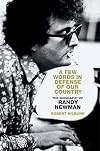
Is there a songwriter as sweet and jaundiced as Randy Newman? Or one who is equally at home with banging out simply brutal songs on the piano and writing and conducting film scores? Someone who is as sardonic as Tom Lehrer or as tender as Leonard Cohen ? No, of course - he is a singular American truthteller and this biography, written with his cooperation, leads us into his sharp mind and his overwhelming insecurities. Born into a family of musicians, with minimal support from his parents, show more Randy is inspired by his three uncles, including Alfred Newman, who scored the 20th Century Fox fanfare, but intimidated by them as well (the entire family has been nominated for 90 Academy Awards). Happily, he grows up with Lenny Waronker, who ends up being his producer and his greatest champion. He's the father of five children from two marriages, and yet one of his favorite pastimes is sitting alone watching TV, as he did when he was a child. Artists who have recorded his songs have shown more appreciation for his talent than he does; but the true force of his admiration and despair for his country only comes out in his bluesy, deadpan voice. This book is a deep plunge into his psyche, his songwriting, his two marriages, and, primarily, his startling lack of confidence despite his successes.
Quotes: "I wondered whether I was saying things I really thought or felt or meant, or whether I was saying things to make people like me. I first started worrying about it when I was in sixth grade, and I still don't know the answer."
"For half a century, he's kept this country in his crosshairs. Randy Newman operates in the gap between memory and mockery. He was the first white musician I'd ever heard be funny about whiteness, who understood it as some kind of paradoxical condition. He's most mordantly funny and most ardently sad." - Wesley Morris
"The end of an empire is messy at best
And this empire is ending
Like all the rest
Like the Spanish Armada adrift on the sea
We're adrift in the land of the brave
And the home of the free.
Goodbye. Goodbye. Goodbye." - A Few Words in Defense of Our Country, written in 2006 show less
Quotes: "I wondered whether I was saying things I really thought or felt or meant, or whether I was saying things to make people like me. I first started worrying about it when I was in sixth grade, and I still don't know the answer."
"For half a century, he's kept this country in his crosshairs. Randy Newman operates in the gap between memory and mockery. He was the first white musician I'd ever heard be funny about whiteness, who understood it as some kind of paradoxical condition. He's most mordantly funny and most ardently sad." - Wesley Morris
"The end of an empire is messy at best
And this empire is ending
Like all the rest
Like the Spanish Armada adrift on the sea
We're adrift in the land of the brave
And the home of the free.
Goodbye. Goodbye. Goodbye." - A Few Words in Defense of Our Country, written in 2006 show less
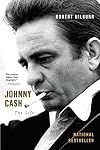
Johnny Cash is both a great and an enigma to most music fans: So much public yet so much unknown. His combination of country and folk music with a deeply baritone voice entertained audiences for nearly 50 years. The timelessness of his takes on American life reached for the heavens. Anyone who can elicit praise from Bob Dylan for musical acumen deserves to be remembered.
Hilburn unearths Cash’s life in this in-depth biography. Though both explored and written after Cash’s death, Hilburn show more uncovers many a niche in Cash’s story that portrays how real life happens. Many of these niches were left out of Cash’s two autobiographies because he surmised they would hurt people who were living. Fortunately, Cash’s children permitted Hilburn the freedom to be honest in his portrayal of their father.
The picture Hilburn paints of Cash is one of deep respect, with deep flaws, and possessing a deep soul. Cash struggled with drugs for much of his life, and this probably cut years off of his life. The drugs probably limited his creativity, which in turn limited his mass appeal. Cash committed marital infidelities during both of his marriages – even during his “Christian” period. He was a bad father to his daughters.
Yet Hilburn’s portrait simultaneously leaves us with glimmers of Cash’s light. Cash ultimately sought redemption through honesty in almost every significant sector of his life. His expression left behind a gleaming record of songs over decades. He made perhaps the best music video of all time in the song “Hurt.” He died beloved by young singers who continued to follow his relevance. He steadfastly stood up for the common man in America. European audiences seemed to love him more abidingly than even American fans. Over the years, he became more, not less, dedicated to his wife June, his daughters, his son, and the Christian faith of his youth.
Johnny Cash expresses the American soul in a unique way, and Hilburn captures this in the nearly 700 pages in this narrative. It’s worth the time to read. I grew up listening to Cash’s music, and this biography fills in a lot of gaps that I have long been curious about. Hilburn brings forth deep research and brings out Cash’s passions through music. Many times, by quoting the songs, Hilburn wonderfully evokes in the reader a sense of the majesty of this American man. show less
Hilburn unearths Cash’s life in this in-depth biography. Though both explored and written after Cash’s death, Hilburn show more uncovers many a niche in Cash’s story that portrays how real life happens. Many of these niches were left out of Cash’s two autobiographies because he surmised they would hurt people who were living. Fortunately, Cash’s children permitted Hilburn the freedom to be honest in his portrayal of their father.
The picture Hilburn paints of Cash is one of deep respect, with deep flaws, and possessing a deep soul. Cash struggled with drugs for much of his life, and this probably cut years off of his life. The drugs probably limited his creativity, which in turn limited his mass appeal. Cash committed marital infidelities during both of his marriages – even during his “Christian” period. He was a bad father to his daughters.
Yet Hilburn’s portrait simultaneously leaves us with glimmers of Cash’s light. Cash ultimately sought redemption through honesty in almost every significant sector of his life. His expression left behind a gleaming record of songs over decades. He made perhaps the best music video of all time in the song “Hurt.” He died beloved by young singers who continued to follow his relevance. He steadfastly stood up for the common man in America. European audiences seemed to love him more abidingly than even American fans. Over the years, he became more, not less, dedicated to his wife June, his daughters, his son, and the Christian faith of his youth.
Johnny Cash expresses the American soul in a unique way, and Hilburn captures this in the nearly 700 pages in this narrative. It’s worth the time to read. I grew up listening to Cash’s music, and this biography fills in a lot of gaps that I have long been curious about. Hilburn brings forth deep research and brings out Cash’s passions through music. Many times, by quoting the songs, Hilburn wonderfully evokes in the reader a sense of the majesty of this American man. show less
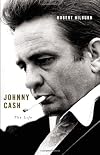
A heavy (literally and figuratively) read about an enigmatic, complex, and conflicted man. A man of deep faith who fell to temptation. A man who used his position to champion the underdog even to the point of wrecking his career, while still striving for commercial success. A man who lived constantly with the shadow of death, and the disapproval of many of those close to him.
To quote a New York Times review included in these pages “Man in Black, outlaw of justice, friend to the show more downtrodden, Mr. Cash had always been poised on the cusp between right and wrong, shadow and light; he walks the line between country sincerity and rock and roll autonomy.”
This excellent read doesn’t pull any punches about Cash or the decisions he made. Naturally it parallels his career being at its strongest at the beginning (the 50s and 60s) and the end (90s and 2000s) while dragging a bit through the wilderness years in between.
Overall this is a powerful account of a man who just saw himself as “a singer of songs.” show less
To quote a New York Times review included in these pages “Man in Black, outlaw of justice, friend to the show more downtrodden, Mr. Cash had always been poised on the cusp between right and wrong, shadow and light; he walks the line between country sincerity and rock and roll autonomy.”
This excellent read doesn’t pull any punches about Cash or the decisions he made. Naturally it parallels his career being at its strongest at the beginning (the 50s and 60s) and the end (90s and 2000s) while dragging a bit through the wilderness years in between.
Overall this is a powerful account of a man who just saw himself as “a singer of songs.” show less
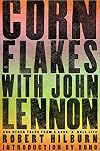
This is a pretty remarkable collection of essays and stories from a music critic who has befriended Dylan, Cash, Springsteen, and U2 over the years. He's interviewed Janis, Elvis, Cobain, and Jack White. He enjoyed lunch with Stevie Wonder and shared Cornflakes and Hershey Bars with John Lennon. He takes us through his career by presenting the landmarks that interviews, encounters, and friendships with the royalty of rock allowed him.
We learn how he earned the trust of guarded artists like show more Dylan, and why musicians such as George Harrison and Garth Brooks put him on their "no interview" list. He makes you feel like you really know guys like Kris, Waylon, and Willie. He invites us inside the music and the lives of these artists, and if he ever sounds like he's bragging, well…he may be, though for someone who intimately knew so many of the music industry's titans, he almost sounds modest about it.
What he never appears to have done is cave in to egos. He would tell artists to their face why he felt a certain way about their songs, albums, or career. He hurt Michael Jackson's feelings (which apparently didn't take much) by praising Prince in front of him. Likewise, Hilburn had Prince so shaken up by a routine interview process, Prince cancelled all remaining interviews with journalists for that week and flew home to MN.
It's a fascinating look at how close music journalists can get to their subjects, how much their writing means to their subjects, and how much trust an artist will provide a writer when they present themselves as knowledgable and earnest.
This is a book well worth reading if you like any of the artists mentioned above, or just good music journalism. show less
We learn how he earned the trust of guarded artists like show more Dylan, and why musicians such as George Harrison and Garth Brooks put him on their "no interview" list. He makes you feel like you really know guys like Kris, Waylon, and Willie. He invites us inside the music and the lives of these artists, and if he ever sounds like he's bragging, well…he may be, though for someone who intimately knew so many of the music industry's titans, he almost sounds modest about it.
What he never appears to have done is cave in to egos. He would tell artists to their face why he felt a certain way about their songs, albums, or career. He hurt Michael Jackson's feelings (which apparently didn't take much) by praising Prince in front of him. Likewise, Hilburn had Prince so shaken up by a routine interview process, Prince cancelled all remaining interviews with journalists for that week and flew home to MN.
It's a fascinating look at how close music journalists can get to their subjects, how much their writing means to their subjects, and how much trust an artist will provide a writer when they present themselves as knowledgable and earnest.
This is a book well worth reading if you like any of the artists mentioned above, or just good music journalism. show less
Lists
Awards


You May Also Like


Statistics
- Works
- 7
- Also by
- 1
- Members
- 795
- Popularity
- #32,057
- Rating
- 4.0
- Reviews
- 34
- ISBNs
- 47
- Languages
- 6