
Edward van de Vendel
Author of The Days of Bluegrass Love
About the Author
Series
Works by Edward van de Vendel
Wat je moet doen als je over een nijlpaard struikelt: Gedichten waar je wat aan hebt (Dutch Edition) (2019) 32 copies, 5 reviews
La amante del miedo 1 copy
brief (gedicht) 1 copy
Lied voor een girafje 1 copy
Chatbox 1 copy
Mijn spook en ik 1 copy
Tandarts 1 copy
Associated Works
The 13-Story Treehouse: Monkey Mayhem! (The Treehouse Books, 1) (2011) — Translator, some editions — 1,937 copies, 49 reviews
Les riches heures de Jacominus Gainsborough (2018) — Translator, some editions — 47 copies, 1 review
Tagged
Common Knowledge
- Canonical name
- Vendel, Edward van de
- Birthdate
- 1964-08-01
- Gender
- male
- Awards and honors
- Theo Thijssen prijs (2024)
- Nationality
- Netherlands
- Birthplace
- Leerdam, Netherlands
- Associated Place (for map)
- Leerdam, Netherlands
Members
Reviews
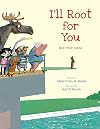
Cute poetry collection about athletes and not-athletes. Colorful illustrations. Fun word play. Lots of humor. (Read "I Did Warn You" about a mouse's advice to a cat. I laughed out loud and kids will, too.) Some of the poems go deeper, though, and will make children (and adults) think, like "A Magic Place"—the first poem—about clearing your mind during competition (kind of a zen moment) so that "Your greatest dreams can all come true, / but only ever without you." Issues such as prejudice show more are addressed in "The Bottommest" about preconceived notions and misplaced judgment concerning the abilities of others. I LOVED "Tree Sports" about the need for noncompetitive trees and the idea that not everything is a contest. "Stretch a Rope Tight" is about stretching a metaphorical rope over everything negative anyone has ever said about you and walking straight across. Beautiful.
Not all of the poems settled in my mind as nicely as those. "Frogs Win!" contains the scientific names of frogs. I think words should be pronounceable in poems, especially those for children. "Harry, or How a Cyclist Fell" seems to be a direct reference to Lance Armstrong's fall from grace. (Do kids really want to read about a "breath-doping meter" and his wife leaving him?)
Overall, it is a collection that will make a nice addition to my school library, particularly because of poems like "Here's the Idea" (cheering for the losers instead of the winners), "Zis Little Piggy" (follow your dreams), and my favorite, the title poem, "I'll Root for You": "I'll root for you. / Because this is my place, and I'm here to stay, / behind every finish and on every day, / no matter what, no matter when. / Now get up, get out there, / and go win again." Unconditional love and support. That's what's at the heart of this book. show less
Not all of the poems settled in my mind as nicely as those. "Frogs Win!" contains the scientific names of frogs. I think words should be pronounceable in poems, especially those for children. "Harry, or How a Cyclist Fell" seems to be a direct reference to Lance Armstrong's fall from grace. (Do kids really want to read about a "breath-doping meter" and his wife leaving him?)
Overall, it is a collection that will make a nice addition to my school library, particularly because of poems like "Here's the Idea" (cheering for the losers instead of the winners), "Zis Little Piggy" (follow your dreams), and my favorite, the title poem, "I'll Root for You": "I'll root for you. / Because this is my place, and I'm here to stay, / behind every finish and on every day, / no matter what, no matter when. / Now get up, get out there, / and go win again." Unconditional love and support. That's what's at the heart of this book. show less
 This review was written for LibraryThing Early Reviewers.
Wat je moet doen als je over een nijlpaard struikelt: Gedichten waar je wat aan hebt (Dutch Edition) by Edward van de Vendel
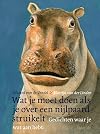
Dit gedichtenbundel hebben we al in de klas besproken. Toen vond ik het heel interessant klinken en was ik erg benieuwd wat voor gedichten er allemaal in stonden.
Het boek heeft allerlei adviezen en antwoorden op vragen die in de belevingswereld van kinderen liggen. Voor volwassenen zijn het vragen waar je niet zo snel over na zou denken maar voor kinderen kunnen dit dagelijkse vragen zijn bijvoorbeeld wat moet je doen als je helemaal alleen in een zwembandje bent of wat moet je doen als je show more opa steeds meer vergeet. Bij elk gedicht staat ook een mooie illustratie die bij het gedicht past.
Gedicht wat moet je doen als je helemaal alleen in een zwembadje bent
Je bent niet Alleen.
Het badje ligt op je te wachten.
Zie je dat zachte heen en weer geduw van haar water?
Dat zijn haar zenuwen
Want even later
Als jij op het trapje stapt
Zou ze het liefst in haar handen klappen:
Daar is er weer een!
Ze heeft Alleen geen handen
Ze ligt slap achterover In de bak met randen.
En, oh, ze vind je zo mooi
Ze zou je wel willen opgooien, optillen.
Aan de bomen Laten zien
Aan de wolken
Aan de hemel Misschien
Maar haar armen zijn doorlaatbaar
Haar liefde is doorwaadbaar
Jij spartelt en woelt
En, zij voelt
Dat ze je al bijna weer moet Laten gaan.
Nog even, dan zul jij opnieuw op dat trapje staan.
En, zij zal je proberen terug te trekken
Maar ze is al van je af
Aan het lekken
Zo gaat dat met het badjes
Niks aan te doen
Thuis ruik je nog
Het chloor van haar zoen
Maar ja, je hebt haar verlaten.
Dus
Nu je hier nog bent
Diep in haar huid
Moet je iets doen om het goed te praten:
Fluisteren.
Fluisteren
Een beetje lippen net boven haar uit:
Morgen kom ik terug om te plonzen.
En dan laat ik je hart
Met een bommetje
Bonzen
Dit gedicht is een mooi "spiritueel" gedicht. Doordat het zwembad in het gedicht als ''ze'' wordt benoemd kan het zijn dat er een diepere gedachte onder zit. Je kan het met kinderen over hebben: ''Hoe voelen ze zich bij het horen van dit gedichtje?" Voor de een zal dit ''spirituele'' de normaalste zaak van de wereld zijn en voor de andere zal het compleet nieuw zijn. Zo kun je aan de hand van dit gedicht er een soort van filosofieles van maken.
Gedicht wat moet je doen als je verliefd bent op een meisje
Meisjes kicken op wriemeldiertjes, dat weet toch iedereen
Vlooien, vliegen, mieren… muggen in het algemeen
Dus je bouwt met wat ongeverfd hout een insectenhotel
(klik voor instructies op knutsel.nl)
Een verblijfplaats, een huisje, een soort miniboerderij,
Voor de pottenbakkerswesp en voor de metselbij,
Met gangetjes en gaatjes waar die beestjes lekker zoemen,
Tot ze jou herkennen. Tot ze je naam kunnen noemen
En dan stuur je ze natuurlijk naar de oren van jouw lief
En daar kruipen ze naar binnen voor een kriebelliefdesbrief
Zo krijg je verkering.
Ze is meteen op jou.
Werkt gegarandeerd.
Niks te danken.
Ciao.
Oh, en als dat meisje wegrent
(waar ik niet op reken)
Dan vergat je om te zeggen:
Verboden om te steken.
Dit gedicht is een stuk luchtiger dan het vorige gedicht maar dit gedicht is wel iets wat meer in de belevingswereld van de kinderen zit. Je kan na het voorlezen van het gedicht het met de kinderen over deze vraag hebben. Misschien liep een kind al langer met deze vraag rond. show less
Het boek heeft allerlei adviezen en antwoorden op vragen die in de belevingswereld van kinderen liggen. Voor volwassenen zijn het vragen waar je niet zo snel over na zou denken maar voor kinderen kunnen dit dagelijkse vragen zijn bijvoorbeeld wat moet je doen als je helemaal alleen in een zwembandje bent of wat moet je doen als je show more opa steeds meer vergeet. Bij elk gedicht staat ook een mooie illustratie die bij het gedicht past.
Gedicht wat moet je doen als je helemaal alleen in een zwembadje bent
Je bent niet Alleen.
Het badje ligt op je te wachten.
Zie je dat zachte heen en weer geduw van haar water?
Dat zijn haar zenuwen
Want even later
Als jij op het trapje stapt
Zou ze het liefst in haar handen klappen:
Daar is er weer een!
Ze heeft Alleen geen handen
Ze ligt slap achterover In de bak met randen.
En, oh, ze vind je zo mooi
Ze zou je wel willen opgooien, optillen.
Aan de bomen Laten zien
Aan de wolken
Aan de hemel Misschien
Maar haar armen zijn doorlaatbaar
Haar liefde is doorwaadbaar
Jij spartelt en woelt
En, zij voelt
Dat ze je al bijna weer moet Laten gaan.
Nog even, dan zul jij opnieuw op dat trapje staan.
En, zij zal je proberen terug te trekken
Maar ze is al van je af
Aan het lekken
Zo gaat dat met het badjes
Niks aan te doen
Thuis ruik je nog
Het chloor van haar zoen
Maar ja, je hebt haar verlaten.
Dus
Nu je hier nog bent
Diep in haar huid
Moet je iets doen om het goed te praten:
Fluisteren.
Fluisteren
Een beetje lippen net boven haar uit:
Morgen kom ik terug om te plonzen.
En dan laat ik je hart
Met een bommetje
Bonzen
Dit gedicht is een mooi "spiritueel" gedicht. Doordat het zwembad in het gedicht als ''ze'' wordt benoemd kan het zijn dat er een diepere gedachte onder zit. Je kan het met kinderen over hebben: ''Hoe voelen ze zich bij het horen van dit gedichtje?" Voor de een zal dit ''spirituele'' de normaalste zaak van de wereld zijn en voor de andere zal het compleet nieuw zijn. Zo kun je aan de hand van dit gedicht er een soort van filosofieles van maken.
Gedicht wat moet je doen als je verliefd bent op een meisje
Meisjes kicken op wriemeldiertjes, dat weet toch iedereen
Vlooien, vliegen, mieren… muggen in het algemeen
Dus je bouwt met wat ongeverfd hout een insectenhotel
(klik voor instructies op knutsel.nl)
Een verblijfplaats, een huisje, een soort miniboerderij,
Voor de pottenbakkerswesp en voor de metselbij,
Met gangetjes en gaatjes waar die beestjes lekker zoemen,
Tot ze jou herkennen. Tot ze je naam kunnen noemen
En dan stuur je ze natuurlijk naar de oren van jouw lief
En daar kruipen ze naar binnen voor een kriebelliefdesbrief
Zo krijg je verkering.
Ze is meteen op jou.
Werkt gegarandeerd.
Niks te danken.
Ciao.
Oh, en als dat meisje wegrent
(waar ik niet op reken)
Dan vergat je om te zeggen:
Verboden om te steken.
Dit gedicht is een stuk luchtiger dan het vorige gedicht maar dit gedicht is wel iets wat meer in de belevingswereld van de kinderen zit. Je kan na het voorlezen van het gedicht het met de kinderen over deze vraag hebben. Misschien liep een kind al langer met deze vraag rond. show less
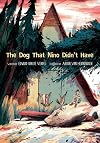
In The Dog That Nino Didn't Have, written by Edward van de Vendel, illustrated by Aton Van Hertbruggen, and translated by Laura Watkinson, we meet Nino and the dog that he doesn't have. This imaginary dog helps him cope with his father, an airline pilot who, due to the nature of his work, is always traveling. It is when his father gets him a dog in response to his obsession with his imaginary dog that Nino discovers that the real dog doesn't do any of the things his imaginary dog does, and show more is nowhere near as good at comforting him in his moments of sadness as his imaginary dog. In the end, he must balance his expectations with his needs.
The text is playful, leveraging contradictory language to explain the imaginary, where Nino both has a dog and does not have a dog. The illustrations are beautiful and noisy, and at times, help tell the story better than the words (in fact, the last several pages are nothing but pictures, which do a good job of portraying Nino's struggles, both with dogs and with his dad). In the end, it's a cute story suitable for children, especially animal lovers. However, in ways, it's also a powerful story, especially for parents who are constantly vacant from their children's life due to work and other commitments. Kids can learn Nino's lesson, but parents too should learn the lesson of his father. show less
The text is playful, leveraging contradictory language to explain the imaginary, where Nino both has a dog and does not have a dog. The illustrations are beautiful and noisy, and at times, help tell the story better than the words (in fact, the last several pages are nothing but pictures, which do a good job of portraying Nino's struggles, both with dogs and with his dad). In the end, it's a cute story suitable for children, especially animal lovers. However, in ways, it's also a powerful story, especially for parents who are constantly vacant from their children's life due to work and other commitments. Kids can learn Nino's lesson, but parents too should learn the lesson of his father. show less
This review was written for LibraryThing Early Reviewers.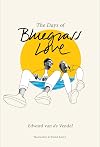
The Days of Bluegrass Love was originally published in the Netherlands in 1999, and has only recently been translated into English. It’s a YA novel about two young men, one from the Netherlands and the other from Norway, who fall in love.
Tycho Zeling, from the Netherlands, is the main character. Just out of high school he’s a bit adrift - he hasn’t really decided what he wants to do with his life. So, rather than face life decisions for which he’s not really ready, he decides to get show more away for a while, and go to America to work as a camp counselor at a summer camp for international kids. At the airport he meets Oliver Kjelsberg, who is on his way to the same summer camp. The two form an immediate bond and end up rooming together as counselors.
As Tycho and Oliver realize that what they have is more than friendship the reaction from their fellow camp counselors and other camp staff is mostly positive. The summer camp has rules though, and the camp director asks them to “cool it”. Oliver resists conforming to those rules, taking Tycho to spend a night outdoors, away from the camp, which ends in their being expelled.
So the two decide to go back home to Europe. To Oliver’s home specifically, as his mother is away, and they can be together there for the rest of the summer. It’s when they arrive back in Norway that what started as a simple summer love story begins to run into reality, which may not be so kind to the pair.
The book is realistic. Tycho and Oliver are not perfect. They act like teenagers and sometimes they do dumb things. They move at different speeds in their understanding of their sexuality, their ability to come out (to others and to themselves), and their goals in life. It can be difficult to root for them as a couple, and it’s not totally clear at the end of the book whether theirs will be a summer love or something more lasting.
The book is short and fast paced, though it covers quite a lot of ground. This is a little frustrating and can seem like the unnecessary constraints of a YA novel. But it’s also van de Vendel’s skillful way of unwinding his story. We are discovering Tycho and Oliver as they discover each other themselves, tumbling headlong through the summer. Is Tycho as mature (though undecided about his future) as he first seemed? Is Oliver as clear in his head about what he wants as he seemed to be at camp in America?
When I read reviews of the original Dutch version I repeatedly see references to the beautiful language in which the story is told. While I can’t testify to that, I can say that the English translation is quite beautiful itself. And the audiobook narration by Tom Picasso was perfect.
This is the first of four books in the Tycho / Oliver series, though the only one so far translated into English. If you are YA fan and looking for something different than the many “meet cute” LGBT love stories on the market right now I recommend giving this one a chance. I’m glad I did.
Rating: Four Stars ⭐⭐⭐⭐ show less
Tycho Zeling, from the Netherlands, is the main character. Just out of high school he’s a bit adrift - he hasn’t really decided what he wants to do with his life. So, rather than face life decisions for which he’s not really ready, he decides to get show more away for a while, and go to America to work as a camp counselor at a summer camp for international kids. At the airport he meets Oliver Kjelsberg, who is on his way to the same summer camp. The two form an immediate bond and end up rooming together as counselors.
As Tycho and Oliver realize that what they have is more than friendship the reaction from their fellow camp counselors and other camp staff is mostly positive. The summer camp has rules though, and the camp director asks them to “cool it”. Oliver resists conforming to those rules, taking Tycho to spend a night outdoors, away from the camp, which ends in their being expelled.
So the two decide to go back home to Europe. To Oliver’s home specifically, as his mother is away, and they can be together there for the rest of the summer. It’s when they arrive back in Norway that what started as a simple summer love story begins to run into reality, which may not be so kind to the pair.
The book is realistic. Tycho and Oliver are not perfect. They act like teenagers and sometimes they do dumb things. They move at different speeds in their understanding of their sexuality, their ability to come out (to others and to themselves), and their goals in life. It can be difficult to root for them as a couple, and it’s not totally clear at the end of the book whether theirs will be a summer love or something more lasting.
The book is short and fast paced, though it covers quite a lot of ground. This is a little frustrating and can seem like the unnecessary constraints of a YA novel. But it’s also van de Vendel’s skillful way of unwinding his story. We are discovering Tycho and Oliver as they discover each other themselves, tumbling headlong through the summer. Is Tycho as mature (though undecided about his future) as he first seemed? Is Oliver as clear in his head about what he wants as he seemed to be at camp in America?
When I read reviews of the original Dutch version I repeatedly see references to the beautiful language in which the story is told. While I can’t testify to that, I can say that the English translation is quite beautiful itself. And the audiobook narration by Tom Picasso was perfect.
This is the first of four books in the Tycho / Oliver series, though the only one so far translated into English. If you are YA fan and looking for something different than the many “meet cute” LGBT love stories on the market right now I recommend giving this one a chance. I’m glad I did.
Rating: Four Stars ⭐⭐⭐⭐ show less
Lists
Awards


You May Also Like


Associated Authors
Statistics
- Works
- 98
- Also by
- 6
- Members
- 1,126
- Popularity
- #22,819
- Rating
- 3.9
- Reviews
- 104
- ISBNs
- 196
- Languages
- 8
- Favorited
- 2
