

Laura Resau
Author of Star in the Forest
Series
Works by Laura Resau
Associated Works
Tagged
Common Knowledge
- Gender
- female
Members
Reviews

This is based on the true story of a seven year old Quechua Indian girl, Maria Virginia Farinango, taken from her indigenous home in Ecuador by a well-to-do mestizos couple, consisting of a dentist and a professor. Children taken like this were kept as virtual slaves expected to do all the nastiest and most burdensome household and child care chores without recompense. Since Virginia had grown up in a village with dirt floors without electricity or water, she had no idea how to manage such show more chores and was severely beaten on a regular basis for not living up to expectations.
While some girls were taken back to their villages periodically to visit their families, Virginia’s captors added psychological abuse and told Virginia that her mother no longer wanted her; if taken back her mother would sell her to someone else who treated her even worse. Later it becomes clear that Virginia’s family did not know where she had gone or why she stayed away.
Virginia was promised school, but it never happened. Instead, she was locked in the house while her white captors were gone for the day and she was rarely allowed outside. However, her master gave her the key to learning how to read and Maria devoured the household books and later the schoolbooks her master’s children had.
As she grew into a beautiful teenager her master’s kindness and interest in took a sexual turn and Maria’s position became intolerable. She was able to contact her family with the help of a neighbor and escape.
Although she first returned to her family and indigena village, it became clear that she no longer belonged there in the deep poverty, lack of schools, and unending field labor.
Virginia reached for the stars, supporting herself as a maid while applying to mestizo schools and entering a nation wide pageant. She dreamed of a future where “dirty Indians” could take their places with futures beyond the poor villages or domestic servants.
This was interesting and well-written. Virginia’s story began in the 1980’s. It is no longer legal in Ecuador for children to be taken from their indigina families. Yet children of these villages still do not have the opportunities for school and careers that the mestizos do. Very different and yet the same in many ways as Native Americans were and are treated here in the U.S. – looked down upon as being a less intelligent and a lesser people by the descendants of those who conquered the area. show less
While some girls were taken back to their villages periodically to visit their families, Virginia’s captors added psychological abuse and told Virginia that her mother no longer wanted her; if taken back her mother would sell her to someone else who treated her even worse. Later it becomes clear that Virginia’s family did not know where she had gone or why she stayed away.
Virginia was promised school, but it never happened. Instead, she was locked in the house while her white captors were gone for the day and she was rarely allowed outside. However, her master gave her the key to learning how to read and Maria devoured the household books and later the schoolbooks her master’s children had.
As she grew into a beautiful teenager her master’s kindness and interest in took a sexual turn and Maria’s position became intolerable. She was able to contact her family with the help of a neighbor and escape.
Although she first returned to her family and indigena village, it became clear that she no longer belonged there in the deep poverty, lack of schools, and unending field labor.
Virginia reached for the stars, supporting herself as a maid while applying to mestizo schools and entering a nation wide pageant. She dreamed of a future where “dirty Indians” could take their places with futures beyond the poor villages or domestic servants.
This was interesting and well-written. Virginia’s story began in the 1980’s. It is no longer legal in Ecuador for children to be taken from their indigina families. Yet children of these villages still do not have the opportunities for school and careers that the mestizos do. Very different and yet the same in many ways as Native Americans were and are treated here in the U.S. – looked down upon as being a less intelligent and a lesser people by the descendants of those who conquered the area. show less
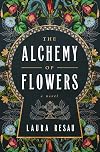
This book isn’t for everyone—myself included. It feels like it was meant for a specific audience, one that shares the main character’s trauma and grief, and would connect with the story on a much deeper level than I did.
That being said, the writing is stunning—florid and poetic. The setting is captivating, with its vivid descriptions, the unique talents of each character, and the magic woven into the whole place. These elements bring the world to life in a way that feels almost show more tangible.
But for all its beauty, the book has its drawbacks. Descriptive passages often cross into info-dump territory, dragging on to the point of frustration. The protagonist’s past is intentionally kept in the shadows, leading to a repetitive cycle of rediscovering the same fragments of their story over and over again. And then, there’s the excessive use of French phrases—mon ami, mon chéri, merde—which, rather than adding charm, felt forced and overdone.
Albeit the book wasn’t for me, I believe every book finds its reader. This one touches on important, often-overlooked themes, and for the right audience, it may be exactly the story they need.
Thank you, NetGalley, for the ARC~ show less
That being said, the writing is stunning—florid and poetic. The setting is captivating, with its vivid descriptions, the unique talents of each character, and the magic woven into the whole place. These elements bring the world to life in a way that feels almost show more tangible.
But for all its beauty, the book has its drawbacks. Descriptive passages often cross into info-dump territory, dragging on to the point of frustration. The protagonist’s past is intentionally kept in the shadows, leading to a repetitive cycle of rediscovering the same fragments of their story over and over again. And then, there’s the excessive use of French phrases—mon ami, mon chéri, merde—which, rather than adding charm, felt forced and overdone.
Albeit the book wasn’t for me, I believe every book finds its reader. This one touches on important, often-overlooked themes, and for the right audience, it may be exactly the story they need.
Thank you, NetGalley, for the ARC~ show less
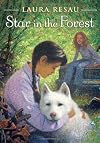
Zitlally's family is undocumented, and her father has just been arrested for speeding and deported back to Mexico. As her family waits for him to return—they’ve paid a coyote to guide him back across the border—they receive news that he and the coyote’s other charges have been kidnapped and are being held for ransom. Meanwhile, Zitlally and a new friend find a dog in the forest near their trailer park. They name it Star for the star-shaped patch over its eye. As time goes on, show more Zitlally starts to realize that Star is her father’s “spirit animal,” and that as long as Star is safe, her father will be also. But what will happen to Zitlally’s dad when Star disappears? show less
Where Magic, Healing, and Courage Meet
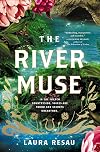
The River Muse follows Callie as she escapes an emotionally abusive situation and starts over with her daughter in a small French village. The chateau, the forest, and the river create a gentle magical‑realism backdrop as she slowly rebuilds her confidence and reconnects with her music. The community she finds there becomes a source of safety and support, especially when her past resurfaces. It’s a grounded, heartfelt story about healing, identity, show more and the power of being surrounded by people who genuinely care. show less
The River Muse follows Callie as she escapes an emotionally abusive situation and starts over with her daughter in a small French village. The chateau, the forest, and the river create a gentle magical‑realism backdrop as she slowly rebuilds her confidence and reconnects with her music. The community she finds there becomes a source of safety and support, especially when her past resurfaces. It’s a grounded, heartfelt story about healing, identity, show more and the power of being surrounded by people who genuinely care. show less
Lists
Awards


You May Also Like


Associated Authors
Statistics
- Works
- 12
- Also by
- 2
- Members
- 2,114
- Popularity
- #12,174
- Rating
- 3.8
- Reviews
- 88
- ISBNs
- 92
- Languages
- 1
- Favorited
- 1