

Xianliang Zhang (1936–2014)
Author of Half of Man Is Woman
About the Author
Image credit: Xianliang Zhang (bron: boekomslag)
Works by Xianliang Zhang
Tagged
Common Knowledge
- Canonical name
- Zhang, Xianliang
- Legal name
- 张贤亮
- Other names
- Chang, Hsien-liang
Trương, Hiè̂n Lượng - Birthdate
- 1936
- Date of death
- 2014-09-27
- Gender
- male
- Nationality
- China
- Places of residence
- Nanking, China
- Map Location
- China
Members
Reviews

Xianliang Zhang was 21-years-old when he was first sent to a forced labor reeducation camp during the Anti-Rightist Campaign. His poetry had been deemed counter-revolutionary and he would spend a total of 22 years in the camps and prisons over the course of his life. This book is based on scraps of a diary he kept and covers a relatively short amount of time: June 11-September 8, 1960. Each chapter begins with a few diary entries, usually only a sentence or two per entry, and then the author show more describes all that he could not say about what happened on those days. Because his diary was subject to confiscation and reading by the censors at any time, he had to be extremely circumspect about what he said. But now the author is able to reconstruct the past from the clues in what was said, and equally important what was not said, as well as reflect on the experience from a point decades in the future. The result is a fascinating diary/memoir/history of the day-to-day life of an intellectual struggling to survive famine, but also of the mental gymnastics required to "rehabilitate" oneself when accused of wrong thoughts. show less

In 1956 during the Hundred Flowers Movement, the author, Zhang Xianliang, was imprisoned for writing rightist poetry. He was shuttled between prison, labor camps, and state farms for the next twenty years and was only rehabilitated after Mao's death. This novel takes place in the same places he was held, and his protagonist is also named Zhang. This is not, however, a memoir, it's a philosophical novel about the emasculation of the intelligentsia by the waves of repression that swept the show more country and about the cost of survival in such a regime.
One night in 1966, Zhang is out inspecting the irrigation canals and hoping to bag a duck, when he sees a naked woman bathing in a secluded spot. He is mesmerized. Having been in prison and labor camps since he was a youth, he is a virgin and has rarely even seen women in the last decade. Their eyes meet and Zhang feels that he has met the feminine ideal. She is more crude about it. Ten years later they meet again. This time they make a connection and although he has been "hatted" as a counter-revolutionary and rightist, and she has been married and divorced twice, they decide to marry. Unfortunately, Zhang is impotent and their relationship is tested.
This novel was very popular in China when it was published in 1985, but Zhang's writings were later banned during the crackdowns on writers for being "vulgar" . Although the novel is critical of the regime of the time, his protagonist remains a committed Communist and struggles with how best to help his country get back on the right track. I wish there had been a few more footnotes, because some of the allusions to contemporaneous events and personages were difficult to place. Despite the grim circumstances, the novel is funny at times and not a slog to read. The most philosophical passages are exchanges between Zhang and his horse. Although I wouldn't recommend it as the first book to read about the time period, it is an interesting take on the absurdities of life at the time. show less
One night in 1966, Zhang is out inspecting the irrigation canals and hoping to bag a duck, when he sees a naked woman bathing in a secluded spot. He is mesmerized. Having been in prison and labor camps since he was a youth, he is a virgin and has rarely even seen women in the last decade. Their eyes meet and Zhang feels that he has met the feminine ideal. She is more crude about it. Ten years later they meet again. This time they make a connection and although he has been "hatted" as a counter-revolutionary and rightist, and she has been married and divorced twice, they decide to marry. Unfortunately, Zhang is impotent and their relationship is tested.
This novel was very popular in China when it was published in 1985, but Zhang's writings were later banned during the crackdowns on writers for being "vulgar" . Although the novel is critical of the regime of the time, his protagonist remains a committed Communist and struggles with how best to help his country get back on the right track. I wish there had been a few more footnotes, because some of the allusions to contemporaneous events and personages were difficult to place. Despite the grim circumstances, the novel is funny at times and not a slog to read. The most philosophical passages are exchanges between Zhang and his horse. Although I wouldn't recommend it as the first book to read about the time period, it is an interesting take on the absurdities of life at the time. show less
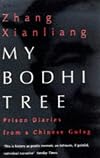
Chang spent a large portion of his life in one of Mao's forced labour camps; this is his "Ivan Denisovitch" story of how he survived.
His tale is exceptionally well-written (and well-translated), full of character, incident and minor details.
He presents MSG, the Chinese wonder flavouring, as a tool of death; convinced they are drinking soy soup, many prisoners consumed such great quantities that their kidneys shut down and they died.
Although scathing of the prison camps and the treatment of show more the inmates, there is something different about the way Chang talks about what happened, as if his writing about the period is some sort of personal catharsis, warm with his, and others', humanity; perhaps the Bodhi Tree of which he speaks is the book itself. show less
His tale is exceptionally well-written (and well-translated), full of character, incident and minor details.
He presents MSG, the Chinese wonder flavouring, as a tool of death; convinced they are drinking soy soup, many prisoners consumed such great quantities that their kidneys shut down and they died.
Although scathing of the prison camps and the treatment of show more the inmates, there is something different about the way Chang talks about what happened, as if his writing about the period is some sort of personal catharsis, warm with his, and others', humanity; perhaps the Bodhi Tree of which he speaks is the book itself. show less

I didn’t expect to like this book. It’s about the author’s experiences in a political prison/re-education centre in China in the late 1950’s. The grass soup of the title is all they had to live on for months on end and the re-education consisted of forced labour. You’d be looking at the summary a long time before ‘light hearted romp through the Chinese countryside’ came to mind.
But it’s not far off that. I believe Comrade Zhang has written other books about his time in the show more camps, and they are probably more harrowing, but here he concentrates more on the if-you-don’t-die-life-goes-on approach. While he doesn’t skip over the inevitable starvation and deaths he doesn’t dwell on them – apart from one horrific incident he keeps ‘til the end, to send you off not feeling too happy, and therefore guilty, at having enjoyed his story.
The whole feel is bright and breezy which is at odds with the subject matter. The translation is well done, as at no point does any of the text seem clunky or forced and you (hopefully correctly) get a good feel for the author’s style and wit. show less
But it’s not far off that. I believe Comrade Zhang has written other books about his time in the show more camps, and they are probably more harrowing, but here he concentrates more on the if-you-don’t-die-life-goes-on approach. While he doesn’t skip over the inevitable starvation and deaths he doesn’t dwell on them – apart from one horrific incident he keeps ‘til the end, to send you off not feeling too happy, and therefore guilty, at having enjoyed his story.
The whole feel is bright and breezy which is at odds with the subject matter. The translation is well done, as at no point does any of the text seem clunky or forced and you (hopefully correctly) get a good feel for the author’s style and wit. show less
Lists
Awards


You May Also Like


Associated Authors
Statistics
- Works
- 15
- Members
- 439
- Popularity
- #55,771
- Rating
- 3.5
- Reviews
- 15
- ISBNs
- 42
- Languages
- 12
- Favorited
- 2