

Jürgen Thorwald (1915–2006)
Author of The Century of the Surgeon
About the Author
Series
Works by Jürgen Thorwald
Science and Secrets of Early Medicine: Egypt, Mesopotamia, India, China, Mexico, Peru (1979) 39 copies
Oder 45 4 copies
Elbe 45 4 copies
Stulecie detektywow 4 copies
Weichsel 45 3 copies
El Alba de la medicina. 2 copies
Y terminó en el Elba. 2 copies
De stuwdam 2 copies
Die Stunde der Detektive Bd. 02 Spuren im Staub (Werden und Welten der Kriminalistik) (1966) 2 copies
PALJASTAVAT SINETIT 1 copy
Tādas bija beigas 1 copy
Trieciens uz Berlīni 1 copy
Das Jahrhundert der Chirurgen : nach den Papieren meines Großvaters des Chirurgen H. St. Hartmann 1 copy
Pacjenci 1 copy
Detektivernes århundrede, Vol. 1. Politiets og videnskabens kamp mod forbryderne gennem 100 år 1 copy
Die Stunde Der Detektive 1 copy
KIRURGIENS SEIERSTOG 1 copy
Associated Works
Reader's Digest Condensed Books 1957 v04: Lobo / The Century of the Surgeon / By Love Possessed / Duel with a Witch Doctor / Warm Bodies (1957) — Author — 21 copies
Readers Digest Condensed Books: The Man With the Golden Gun • The Vine and the Olive • The Source • Geordie • The Century of the Detective (1966) — Contributor — 4 copies
Reader's Digest Condensed Books: Lobo / The Century of the Surgeon / Letter from Peking / Bon Voyage / The Nymph and the Lamp (1950) — Author — 3 copies
Het Beste Boek 77: De baby en het slagschip / De grote treinroof / De gevaarlijke erfenis / De patiënten — Author — 2 copies, 1 review
Reader's Digest Condensed Books: Trustee from the Toolroom • The Leopard • The Triumph of Surgery • Hawaii (1961) — Author — 2 copies
Um túmulo na areia - Etapas da cirurgia - Trilhas sangrentas - A bruxa de Mount Mellyn - Volta ao paraíso — Contributor — 2 copies
Streunende Katzen empfängt man nicht/Die Patienten/Die Walzerkönige/Rettungsboot zwei (1973) — Contributor — 1 copy
De overwinning op de Dru; Spion aan de muur; De stille strijd; Erfgenaam van Kirkland — Author — 1 copy, 1 review
Moord en wederwoord; De negen en negentig; Daar komt de bruid; De hoogste hindernis — Author — 1 copy, 1 review
De nalatenschap van de Tilsits; Het magische mes; De zwijgende wereld; Een spin aan de lamp — Contributor — 1 copy, 1 review
Tagged
Common Knowledge
- Canonical name
- Thorwald, Jürgen
- Legal name
- Bongartz, Heinz
- Birthdate
- 1915-10-28
- Date of death
- 2006-04-04
- Gender
- male
- Nationality
- Germany
- Birthplace
- Solingen, Nordrhein-Westfalen, Deutschland
- Place of death
- Lugano, Switzerland
- Associated Place (for map)
- Solingen, Nordrhein-Westfalen, Deutschland
Members
Reviews
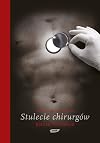
Super audiobook! Książka dość leciwa, bo z 1956. Autor zabiera nas w podróż po najważniejszych odkryciach w chirurgii XIX wieku.
Poznamy początki aseptyki i anestezji, które z dzisiejszego punktu widzenia mogą zarówno rozbawić, jak i zdrowo przerazić. Dowiemy się nieco o tym, jak odkrywano kolejne metody znieczulania: gaz rozweselający, eter i chloroform. Uświadomimy sobie, jak inny był świat zaledwie 150 lat temu, gdzie nie było jeszcze chirurgii plastycznej, a show more kilkadziesiąt lat zajęło uświadomienie lekarzom, że lepiej myć ręcę przed operacją. Thorwald przbliży nam również rozgrywki pomiędzy chirurgami, gdzie walka o palmę pierszeństwa była często ważniejsza, niż samo odkrycie i jego popularyzacja. Dowiemy się jakie były początki sukcesów w operacjach nerek, guzów zołądka czy usuwania wyrostka robaczkowego..
Książka przede wszystkim uświadamia, jak wiele może się zmienić w ciągu jednego wieku w dziedzinie, gdzie mimo wszystko niektórzy uznali już istnienie pewnych nieprzekraczalnych granic. To również solidna lekcja pokory, która przypomina, że "nauka nie robi skoków" tylko małe kroki, a wszelkie drogi na skróty są zazwyczaj okupione porażkami.
Sama forma książki jest nietypowa, mamy bowiem przed sobą "reportaż" ubrany w fabułę, z mnóstwem dialogów i szczegółowych opisów postaci. Narratorem jest Henry Steven Hartman, dziadek ze strony matki Thorwalda, którego notatki były podstawą do napisania tejże książki.
Polecam! show less
Poznamy początki aseptyki i anestezji, które z dzisiejszego punktu widzenia mogą zarówno rozbawić, jak i zdrowo przerazić. Dowiemy się nieco o tym, jak odkrywano kolejne metody znieczulania: gaz rozweselający, eter i chloroform. Uświadomimy sobie, jak inny był świat zaledwie 150 lat temu, gdzie nie było jeszcze chirurgii plastycznej, a show more kilkadziesiąt lat zajęło uświadomienie lekarzom, że lepiej myć ręcę przed operacją. Thorwald przbliży nam również rozgrywki pomiędzy chirurgami, gdzie walka o palmę pierszeństwa była często ważniejsza, niż samo odkrycie i jego popularyzacja. Dowiemy się jakie były początki sukcesów w operacjach nerek, guzów zołądka czy usuwania wyrostka robaczkowego..
Książka przede wszystkim uświadamia, jak wiele może się zmienić w ciągu jednego wieku w dziedzinie, gdzie mimo wszystko niektórzy uznali już istnienie pewnych nieprzekraczalnych granic. To również solidna lekcja pokory, która przypomina, że "nauka nie robi skoków" tylko małe kroki, a wszelkie drogi na skróty są zazwyczaj okupione porażkami.
Sama forma książki jest nietypowa, mamy bowiem przed sobą "reportaż" ubrany w fabułę, z mnóstwem dialogów i szczegółowych opisów postaci. Narratorem jest Henry Steven Hartman, dziadek ze strony matki Thorwalda, którego notatki były podstawą do napisania tejże książki.
Polecam! show less
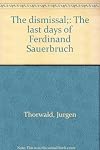
This is a sad book of medical history. The writer is himself medically trained and a compatriot of the main character of the book - the original title being "Die Entlassung".
The protagonist is the famous surgeon Ferdinand Sauerbruch, who dominated the surgical scene in Europe in the first half of the 20th century. The theme of the book is not his outstanding achievements, however: These are covered in his own uncritical auto-biography "Das war mein Leben", a book even more self-serving than show more autobiographies generally are. The theme of "The dismissal" is on the other hand his last years when he sunk into dementia, but continued working as a surgeon nevertheless, shielded by his own past fame and the East German state's need for great names on their roster. The book follows Sauerbruchs decline, his ever more outlandish surgery, in the end without anesthetic (nobody would assist him) and using his wife's needlepoint and thread to stitch his victims (one can no longer call them patients) up. It follows The Great Man to his dying bed when he - in a stupor - cannot any longer communicate, but his hands are moving along the bedlinen - as he was suturing...
For all doctors this is a reminder that there is a time to stop working and to start tending your garden. show less
The protagonist is the famous surgeon Ferdinand Sauerbruch, who dominated the surgical scene in Europe in the first half of the 20th century. The theme of the book is not his outstanding achievements, however: These are covered in his own uncritical auto-biography "Das war mein Leben", a book even more self-serving than show more autobiographies generally are. The theme of "The dismissal" is on the other hand his last years when he sunk into dementia, but continued working as a surgeon nevertheless, shielded by his own past fame and the East German state's need for great names on their roster. The book follows Sauerbruchs decline, his ever more outlandish surgery, in the end without anesthetic (nobody would assist him) and using his wife's needlepoint and thread to stitch his victims (one can no longer call them patients) up. It follows The Great Man to his dying bed when he - in a stupor - cannot any longer communicate, but his hands are moving along the bedlinen - as he was suturing...
For all doctors this is a reminder that there is a time to stop working and to start tending your garden. show less

Credits the caesarian section with the myth of Julius Caesar being cut from his mother's womb. Amputation before anesthesia was performed but once ether was found effective surgeries were modified. There are cases of men testing chemical agents such as chloroform on themselves to look for safe usage a la Dr Jekyll. Gall Blatter stones were removed through the sphincter using forceps and clamps. A very interesting book although hard to read if you know about how effective surgeries are now.

This is a harrowing description of Russia's revenge on the German people during their advance through eastern Germany in the final months of the War. Thorwald interviewed many of the soldiers and civilians who lived through those months. He jumps from the sometimes almost unreadable descriptions of the atrocities committed by the Russian troops to the efforts of the German generals to save the lives of their troops & the trapped civilians by strategic withdrawals which Hitler & his cronies show more refused to allow. show less
Lists
Awards

You May Also Like


Associated Authors
Statistics
- Works
- 72
- Also by
- 12
- Members
- 595
- Popularity
- #42,222
- Rating
- 4.2
- Reviews
- 10
- ISBNs
- 89
- Languages
- 11
- Favorited
- 1