
Calvin Alexander Ramsey
Author of Ruth and the Green Book
About the Author
Works by Calvin Alexander Ramsey
Tiger Tastes 1 copy
Tagged
Common Knowledge
- Gender
- male
- Occupations
- playwright
photographer
folk art painter - Nationality
- USA
- Associated Place (for map)
- USA
Members
Reviews

The year was 1952, and Ruth and her family were excited to take a road trip in their new Buick, heading south from Chicago to visit her grandmother in Alabama. As African-Americans however, traveling across country wasn't so simple, especially as they headed into the South, where Jim Crow laws prevented them from availing of such amenities as restrooms at service stops, or eating at local restaurants. Then a man at an Esso gas station gave them The Green Book, a national guide which detailed show more all of the businesses in each state and city which welcomed African-American custom, and their trip improved. Thanks to the help of other African-Americans, and the all-important Green Book, they made it safely to Alabama...
With the release last year (2018) of the film Green Book, many movie-goers became aware for the first time of Victor Hugo Green's The Negro Motorist Green Book, first published in 1936. Before the film however, Atlanta-based playwright Calvin Alexander Green wrote a play about the subject in 2007, and it was performed at the Carter Center. He joined forced with co-author Gwen Strauss and illustrator Floyd Cooper to produce this 2010 picture-book based upon his play. I found Ruth and the Green Book to be an immensely engrossing and poignant work of picture-book historical fiction. The authors adeptly depict Ruth's emotional journey in their narrative, as she experiences both the hurt of rejection and racism and the comfort of community solidarity and mutual aid. Her emotional experiences make the depiction of the family's physical journey much more powerful and immediate for the reader. The artwork, as is always the case with the marvelous Floyd Cooper, is expressive and full of feeling, whether of pathos or joy. Recommended to anyone looking for picture-books exploring the history of discrimination against African-Americans in the twentieth-century, and their use of The Green Book as an aid in traveling, during that period. show less
With the release last year (2018) of the film Green Book, many movie-goers became aware for the first time of Victor Hugo Green's The Negro Motorist Green Book, first published in 1936. Before the film however, Atlanta-based playwright Calvin Alexander Green wrote a play about the subject in 2007, and it was performed at the Carter Center. He joined forced with co-author Gwen Strauss and illustrator Floyd Cooper to produce this 2010 picture-book based upon his play. I found Ruth and the Green Book to be an immensely engrossing and poignant work of picture-book historical fiction. The authors adeptly depict Ruth's emotional journey in their narrative, as she experiences both the hurt of rejection and racism and the comfort of community solidarity and mutual aid. Her emotional experiences make the depiction of the family's physical journey much more powerful and immediate for the reader. The artwork, as is always the case with the marvelous Floyd Cooper, is expressive and full of feeling, whether of pathos or joy. Recommended to anyone looking for picture-books exploring the history of discrimination against African-Americans in the twentieth-century, and their use of The Green Book as an aid in traveling, during that period. show less

Thank you to NetGalley and the publisher, Carolrhoda Books, for this DRC in exchange for a fair and honest review. The thoughts and opinions expressed below are my own.
This lovely story, taken from Calvin Ramsey's childhood memories, is a tribute to the power of literacy to provide knowledge and comfort to others, as well as the strength of the Black American community in sharing that knowledge with others in spite of societal obstacles. When their farm falls on hard times, Calvin and his show more family move from Maryland to rural Roxboro, North Carolina. Adjusting to his new circumstances is difficult at first, until some schoolmates introduce him to fully-stocked library deep in the woods; one that serves Black patrons who are barred from the whites-only library in town. Calvin is overjoyed with the library, reading book after book, which leads him to spread his love of reading and connect with his father in a new way.
Ramsey's language is vivid and intentional. Readers can sense the great sense of awe and appreciation that he has for this experience in the text, showing that his memories are just as fresh in his mind today as they were then. His end notes include the history behind the construction and maintenance of his beloved childhood libraries and others like them throughout the South. He also includes a tribute to the countless Black librarians who helped staff their libraries and provide services to the communities they served. The role and work of Black librarians in educational and social uplift is one that still deserves attention, so reading Ramsey give them their flowers, as well as the fact that he still remembers his childhood librarian's name, is touching to read, particularly as a Black librarian myself. R. Gregory Christie's illustrations are beautifully cozy. They evoke the feeling of a patchwork quilt, establishing the library and its environment as a precious treasure in a special, hidden place. As a side note, Christie's dedication to Floyd Cooper at the beginning is sweet and very apt. Cooper is still deeply missed and I can see elements of Cooper's style reflected in Christie's work.
Ramsey also does an excellent job of depicting the inherent unfairness of the segregated South and how they show up in interconnected ways (such as the reason for his father dropping out of school early to work) while also showing the ways in which the Black community resisted and continued to educate themselves. He never downplays that reality, but focuses on the community's determination in spite of; an important perspective that is necessary in understanding history. I enjoyed the subtle details that the author included in the book, such as the way that the library provides materials on Black historical figures and culture to their patrons, materials that would not be available in the segregated libraries anyway due to racism. There's an important parallel narrative here about little Calvin finding his place (and friends) in new circumstances, as his comfort with the library is as much about finding comfort in new surroundings overall, especially after such an unexpected move. The book handles all of these interconnected topics well.
This would be an excellent book to use in lesson plans and themed book lists about the history of Black Americans obtaining education, and the intense push for literacy in Black communities. These personal stories about Black fare so important in picture books. In addition to being accessible for young readers, they are also a reminder that this history was not as far in the past as they might think. I think that it's imperative for children (and adults for that matter) to know that authors like Mr. Ramsey are also living witnesses to history and that they have important, meaningful stories to tell. show less
This lovely story, taken from Calvin Ramsey's childhood memories, is a tribute to the power of literacy to provide knowledge and comfort to others, as well as the strength of the Black American community in sharing that knowledge with others in spite of societal obstacles. When their farm falls on hard times, Calvin and his show more family move from Maryland to rural Roxboro, North Carolina. Adjusting to his new circumstances is difficult at first, until some schoolmates introduce him to fully-stocked library deep in the woods; one that serves Black patrons who are barred from the whites-only library in town. Calvin is overjoyed with the library, reading book after book, which leads him to spread his love of reading and connect with his father in a new way.
Ramsey's language is vivid and intentional. Readers can sense the great sense of awe and appreciation that he has for this experience in the text, showing that his memories are just as fresh in his mind today as they were then. His end notes include the history behind the construction and maintenance of his beloved childhood libraries and others like them throughout the South. He also includes a tribute to the countless Black librarians who helped staff their libraries and provide services to the communities they served. The role and work of Black librarians in educational and social uplift is one that still deserves attention, so reading Ramsey give them their flowers, as well as the fact that he still remembers his childhood librarian's name, is touching to read, particularly as a Black librarian myself. R. Gregory Christie's illustrations are beautifully cozy. They evoke the feeling of a patchwork quilt, establishing the library and its environment as a precious treasure in a special, hidden place. As a side note, Christie's dedication to Floyd Cooper at the beginning is sweet and very apt. Cooper is still deeply missed and I can see elements of Cooper's style reflected in Christie's work.
Ramsey also does an excellent job of depicting the inherent unfairness of the segregated South and how they show up in interconnected ways (such as the reason for his father dropping out of school early to work) while also showing the ways in which the Black community resisted and continued to educate themselves. He never downplays that reality, but focuses on the community's determination in spite of; an important perspective that is necessary in understanding history. I enjoyed the subtle details that the author included in the book, such as the way that the library provides materials on Black historical figures and culture to their patrons, materials that would not be available in the segregated libraries anyway due to racism. There's an important parallel narrative here about little Calvin finding his place (and friends) in new circumstances, as his comfort with the library is as much about finding comfort in new surroundings overall, especially after such an unexpected move. The book handles all of these interconnected topics well.
This would be an excellent book to use in lesson plans and themed book lists about the history of Black Americans obtaining education, and the intense push for literacy in Black communities. These personal stories about Black fare so important in picture books. In addition to being accessible for young readers, they are also a reminder that this history was not as far in the past as they might think. I think that it's imperative for children (and adults for that matter) to know that authors like Mr. Ramsey are also living witnesses to history and that they have important, meaningful stories to tell. show less
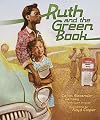
This is a wonderfully illustrated book that highlights a common problem for African-Americans traveling under Jim Crow. Ruth and her family are driving from Chicago to Alabama to visit Ruth's grandmother. Along the way, she learns that there are many gas stations, restaurants, and hotels that won't serve black people, meaning she and her parents have to eat picnic lunches and sleep in their car unless they know of a friend they can stay with along the way. A gas station attendant at the one show more chain that always serves African Americans (Esso) tells them about The Green Book, which lists safe places for African Americans to stop/shop at in every state in the country. Ruth becomes their navigator, finding hotels, car repair shops, and restaurants where her family can stop at on their trip.
It's common knowledge that African Americans were routinely denied service, but I don't think most people think about what that means for someone who was traveling in an unknown place. At home, they would know of businesses or friends that they could turn to for help, but when they're away from the area they're familiar with, finding a place to stop or fill up on gas was like playing Russian roulette. This book highlighted that fear and uncertainty well, both through the simple, emotional prose and through the gorgeous illustrations. Just as affecting was Ruth's relief and happiness at meeting people from The Green Book who provided safe places to stop and other travelers who made use of their services. The camaraderie and strength displayed was beautiful. I can't recommend this book highly enough. show less
It's common knowledge that African Americans were routinely denied service, but I don't think most people think about what that means for someone who was traveling in an unknown place. At home, they would know of businesses or friends that they could turn to for help, but when they're away from the area they're familiar with, finding a place to stop or fill up on gas was like playing Russian roulette. This book highlighted that fear and uncertainty well, both through the simple, emotional prose and through the gorgeous illustrations. Just as affecting was Ruth's relief and happiness at meeting people from The Green Book who provided safe places to stop and other travelers who made use of their services. The camaraderie and strength displayed was beautiful. I can't recommend this book highly enough. show less
Ruth is thrilled when her dad buys a car for his job. The car is for his job, but before he begins his new job, their family is going on a cross-country trip to visit Ruth's grandmother in Alabama. They leave Chicago and at first everything is exciting and fun. Mama has made picnics they eat at the side of the road and Ruth is thrilled to see the country pass by the car's windows. Then they stop to get gas and Mama asks to use the restroom. But the restrooms are for whites only. Mama and show more Ruth have to go into the woods. They can't stay in a a hotel, so Mama and Daddy take turns driving all night long. They can't eat at restaurants, so they eat the food Mama packed at the side of the road. Then they stop at a friend's house and he tells them to look for Esso stations, one of the few service stations where they can get gas. At the first place they stop, the friendly man gives them The Negro Motorist Green Book. It's a list of all the places they can sleep, eat, and shop. Their trip gets better, but it's still not all easy. When their car breaks down, no one will stop to help them and Daddy has to walk a long way into town to find a friendly mechanic. Finally, they arrive at Grandma's house, safe at home with family.
That was a really long summary, but I wanted to pack in the whole fascinating story! There are plenty of nonfiction books about the struggle for civil rights for African-Americans, many of them in picture book form. This, however, is the best one I've seen so far for early elementary students. Or for older children for that matter. It's easy to look with admiration at the people who struggled for equality, but I think a lot of kids - and adults - don't grasp exactly what Jim Crow meant. Segregation was much more than an abstract concept; it was a very real presence that made life dangerous and normal, everyday things we take for granted now difficult or impossible.
This book drives home the impact of segregation and the way it limited the lives of African-Americans, keeping them trapped in certain areas, cutting them off from better jobs, and creating an atmosphere of fear and humiliation. It's also an excellent explanation of the way many people fought segregation in small ways and worked together to create better lives for themselves and other African-Americans.
Verdict: Recommended for every library. I would strongly recommend this book be read aloud to any classes studying the history of civil rights and segregation. show less
That was a really long summary, but I wanted to pack in the whole fascinating story! There are plenty of nonfiction books about the struggle for civil rights for African-Americans, many of them in picture book form. This, however, is the best one I've seen so far for early elementary students. Or for older children for that matter. It's easy to look with admiration at the people who struggled for equality, but I think a lot of kids - and adults - don't grasp exactly what Jim Crow meant. Segregation was much more than an abstract concept; it was a very real presence that made life dangerous and normal, everyday things we take for granted now difficult or impossible.
This book drives home the impact of segregation and the way it limited the lives of African-Americans, keeping them trapped in certain areas, cutting them off from better jobs, and creating an atmosphere of fear and humiliation. It's also an excellent explanation of the way many people fought segregation in small ways and worked together to create better lives for themselves and other African-Americans.
Verdict: Recommended for every library. I would strongly recommend this book be read aloud to any classes studying the history of civil rights and segregation. show less
Lists
Awards


You May Also Like


Associated Authors
Statistics
- Works
- 4
- Members
- 1,016
- Popularity
- #25,358
- Rating
- 4.4
- Reviews
- 72
- ISBNs
- 26