
Lisa Fiedler
Author of Mouseheart
About the Author
Series
Works by Lisa Fiedler
Mouseheart Hopper's Destiny 1 copy
Tagged
Common Knowledge
- Birthdate
- 19??
- Gender
- female
- Nationality
- USA
- Places of residence
- Monroe, Connecticut, USA
- Associated Place (for map)
- Connecticut, USA
Members
Reviews

A Fiery Friendship takes place during the eighteenth century, during the time where Oz was divided into four quadrants, each ruled by one of the wicked witches, who had deposed the rightful king of Oz (here called "King Oz," not Pastoria, as he was in Marvelous Land and Lost King, though this is consistent with what we were told in Dorothy and the Wizard). Glinda is a young girl, living with her mother, about to come of age; what she doesn't know is that her mother is a sorceress and a show more member of the resistance against the wicked witches, nor does she know that she herself is in possession of magical powers.
The book is apparently the brainchild of "Gabriel Gale" (this is a pseudonym for George Makrinos), but actually written by children's author Lisa Fiedler; unlike most canon-consistent Oz continuations, it was published by a major publisher (Simon & Schuster). Its target age seemingly skews a bit older than the original books; it's more at the level of the early Harry Potters. It was plainly intended as a longer series than it ended up being (I'll discuss that more when I review the next one), and I wonder if it would have fared better if it had been published now, not 2017, when it could ride Wicked fever. (Seems to me someone should have republished it last year.)
Prequels are, of course, always a tricky business. If the prequel shows you everything you expected to see in the way you expected to see it, what's the point? But if the prequel doesn't fit what you learned, then why bother? There's a tightrope you need to walk. (I've been showing the Star Wars films to my kids, and it's been interesting to note how the references to Anakin and the Clone Wars don't always exactly work out in retrospect.) In particular, a prequel by other hands can be even more fraught, because it can feel less like an organic extension of what you read before and more like a later author "imposing" their vision on the canon of the earlier one. (I think this happens a lot in, say, Asimov fiction, where people who write prequels like to pin down things Asimov left vague and probably were better left vague.)
Sometimes I think what this book does works, sometimes it does not. I liked the concept, for example, that the Silver Shoes were one of four magical instruments, each originally owned by King Oz but later taken by the wicked witches: Silver Mask, Silver Gauntlets, and Silver Chainmail. I like that Gale/Fiedler delve into what Oz was actually like under the wicked witches, something we've never seen in any other Oz books, and that they give each one a distinct approach and personality. I liked the addition of a "Road of Red Cobbles" as a counterpoint to the "Road of Yellow Bricks"; there's a cute prophecy about a "gale" being the key to restoring normalcy to Oz.
On the other hand, instead of being the Wicked Witch of the North, Mombi is the "krumbic one" (a krumbic witch appeared in Glinda, but what this meant was not really explained), a powerful disembodied spirit that controls the other witches—how we might get from here to Marvelous Land is not really obvious, though I suppose the books might have gotten there eventually had there been more of them. I think what bothered me most was Gale's attempt to impose his own cosmology on the Oz universe, such as calling the land "Lurlia." A young Nick Chopper, half-tin, turns up here, and this felt like somewhat overegging the prequel pudding.
In terms of the actual happenings, the book is okay. Glinda finds out she has a magical destiny, her mother is kidnapped, so she must go on a quest with some other kids to save her: Locasta, a sparky Gillikin; Ben, an American colonist transported to Oz; and Shade, a mysterious sneak. As the title suggests, a focus of the book is supposed to be the friendship between Glinda and Locasta (Locasta is the name Baum used for the Good Witch of the North in the first Oz stageplay but not the actual books), but I didn't find this very effectively handled. Basically they argue a lot but then at the end they are best friends. I don't think either Locasta's sarcastic streak or the eventual "friendship" (by book two, they are supposedly best friends) came across strongly.
I liked the idea of Ben, but to be honest, it's not very clear why he gets so invested in the fate of Oz; I think including a visitor from the "real" world is a classic Oz trope that I wouldn't expect to see in a prequel book, and paralleling the American colonists' fight for independence to that of the Ozites is an eat idea, but we never get scenes from his perspective. Shade is incredibly underdeveloped, and in a weird way; the characters walk back and forth across Oz with her but never just ask her what her deal is!
There are some arresting sequences, especially the "trapestry," which is pretty creepy. I really like the idea of "Illumina," the sword of smarts that Glinda wields. On the other hand, the book is a bit overly reliant on riddles as a plot device; too many times the characters come up with seemingly arbitrary answers to weird problems. I would have liked to have seen a greater emphasis on genuine bravery and courage when it comes to the difficulty of doing what's right. (It seems to me that Glinda throws off an entire childhood of propaganda far too easily.)
There's also too much "lore." In addition to the four silver artifacts, there's four spirits, four gifts, a slew of heroes from Oz past and present, some mild time travel, and lots of visions of the past. It's too much to keep track of, it bogs the story down too often, and most of it is not really relevant to the story we're reading about. I felt like this lost my kids when reading it aloud, even my seven-year-old, who is good about tracking this kind of thing and typically very into it. Overall, they both seemed to enjoy it well enough (they love anything with gems, and there are some magical ones here), though my five-year-old did moan about halfway through it, "Dad, when are we going to read a book where Glinda is a grown up!?" show less
The book is apparently the brainchild of "Gabriel Gale" (this is a pseudonym for George Makrinos), but actually written by children's author Lisa Fiedler; unlike most canon-consistent Oz continuations, it was published by a major publisher (Simon & Schuster). Its target age seemingly skews a bit older than the original books; it's more at the level of the early Harry Potters. It was plainly intended as a longer series than it ended up being (I'll discuss that more when I review the next one), and I wonder if it would have fared better if it had been published now, not 2017, when it could ride Wicked fever. (Seems to me someone should have republished it last year.)
Prequels are, of course, always a tricky business. If the prequel shows you everything you expected to see in the way you expected to see it, what's the point? But if the prequel doesn't fit what you learned, then why bother? There's a tightrope you need to walk. (I've been showing the Star Wars films to my kids, and it's been interesting to note how the references to Anakin and the Clone Wars don't always exactly work out in retrospect.) In particular, a prequel by other hands can be even more fraught, because it can feel less like an organic extension of what you read before and more like a later author "imposing" their vision on the canon of the earlier one. (I think this happens a lot in, say, Asimov fiction, where people who write prequels like to pin down things Asimov left vague and probably were better left vague.)
Sometimes I think what this book does works, sometimes it does not. I liked the concept, for example, that the Silver Shoes were one of four magical instruments, each originally owned by King Oz but later taken by the wicked witches: Silver Mask, Silver Gauntlets, and Silver Chainmail. I like that Gale/Fiedler delve into what Oz was actually like under the wicked witches, something we've never seen in any other Oz books, and that they give each one a distinct approach and personality. I liked the addition of a "Road of Red Cobbles" as a counterpoint to the "Road of Yellow Bricks"; there's a cute prophecy about a "gale" being the key to restoring normalcy to Oz.
On the other hand, instead of being the Wicked Witch of the North, Mombi is the "krumbic one" (a krumbic witch appeared in Glinda, but what this meant was not really explained), a powerful disembodied spirit that controls the other witches—how we might get from here to Marvelous Land is not really obvious, though I suppose the books might have gotten there eventually had there been more of them. I think what bothered me most was Gale's attempt to impose his own cosmology on the Oz universe, such as calling the land "Lurlia." A young Nick Chopper, half-tin, turns up here, and this felt like somewhat overegging the prequel pudding.
In terms of the actual happenings, the book is okay. Glinda finds out she has a magical destiny, her mother is kidnapped, so she must go on a quest with some other kids to save her: Locasta, a sparky Gillikin; Ben, an American colonist transported to Oz; and Shade, a mysterious sneak. As the title suggests, a focus of the book is supposed to be the friendship between Glinda and Locasta (Locasta is the name Baum used for the Good Witch of the North in the first Oz stageplay but not the actual books), but I didn't find this very effectively handled. Basically they argue a lot but then at the end they are best friends. I don't think either Locasta's sarcastic streak or the eventual "friendship" (by book two, they are supposedly best friends) came across strongly.
I liked the idea of Ben, but to be honest, it's not very clear why he gets so invested in the fate of Oz; I think including a visitor from the "real" world is a classic Oz trope that I wouldn't expect to see in a prequel book, and paralleling the American colonists' fight for independence to that of the Ozites is an eat idea, but we never get scenes from his perspective. Shade is incredibly underdeveloped, and in a weird way; the characters walk back and forth across Oz with her but never just ask her what her deal is!
There are some arresting sequences, especially the "trapestry," which is pretty creepy. I really like the idea of "Illumina," the sword of smarts that Glinda wields. On the other hand, the book is a bit overly reliant on riddles as a plot device; too many times the characters come up with seemingly arbitrary answers to weird problems. I would have liked to have seen a greater emphasis on genuine bravery and courage when it comes to the difficulty of doing what's right. (It seems to me that Glinda throws off an entire childhood of propaganda far too easily.)
There's also too much "lore." In addition to the four silver artifacts, there's four spirits, four gifts, a slew of heroes from Oz past and present, some mild time travel, and lots of visions of the past. It's too much to keep track of, it bogs the story down too often, and most of it is not really relevant to the story we're reading about. I felt like this lost my kids when reading it aloud, even my seven-year-old, who is good about tracking this kind of thing and typically very into it. Overall, they both seemed to enjoy it well enough (they love anything with gems, and there are some magical ones here), though my five-year-old did moan about halfway through it, "Dad, when are we going to read a book where Glinda is a grown up!?" show less

The second Ages of Oz book is also the last, though it clearly wasn't intended to be the last, as it ends on a cliffhanger. It picks up right from the end of the first: having defeated the Wicked Witch of the South and liberated the Quadling Country, Glinda and her friends are attacked by the combined forces of the other three Wicked Witches. They fend off that assault, but end up separated: Glinda goes off on her own to learn more about magic from the person who trained her mother, while show more Locasta and the others go on their own quest to liberate Locasta's brother, who is working for the Wicked Witch of the North.
I read this aloud to my kids; I also happen to also be watching the Star Wars movies with them, and I realized reading this book that it very much takes its structure from The Empire Strikes Back. Glinda has the Luke subplot: splitting off from the others, meeting a seemingly decrepit old person who turns out to be the wise mentor they were seeking, the mentor turns out to have a personal link to them, once their training is done, they must rush off to help their friends who have ended up in danger. And, like I said, the whole thing ends on a cliffhanger, and it's kinda similar to ESB as well, as it's one where someone close to hero is missing and in danger. (Though the circumstances are very different, and the hero does not learn that they are related to any of the villains.)
This isn't a complaint per se, though I feel like once I noticed the similarities they were hard to ignore. Both of the Ages of Oz books have a certain derivative vibe; in addition to the Star Wars parallels, they also comes across as Oz for the Harry Potter generation, with their emphasis on riddles and artifacts and sometimes overly complicated exposition. I found myself wishing the characters were doing things that were actually clever more often, and less figuring out weird riddles with arbitrary answers; I wish also there was more emphasis on the importance but also difficulty of bravery and teamwork here.
The end is pretty good, though, and I did like the subplot about Locasta's wayward brother.
Even moreso than in the first book, there's a decent amount of that "joining the dots" thing prequels often do. Glinda meets the Nome King, for example, and we find out how he ended up with his Magic Belt. Fiedler does a good job of capturing the personality of Roquat as he was in Ozma of Oz, and we even get an appearance from Kaliko. (Why are the Nomes under Oz, though?) We also find out how the Golden Cap ended up in the hands of the Wicked Witch of the West, when the Winged Monkeys originated in the Gillikin Country (as chronicled in Wonderful Wizard)
On the other hand, there are ways the join is not very obvious. Why is Mombi not the Wicked Witch of the North, but some kind of overlord, disembodied Krumbic witch? Assuming that Locasta is indeed the Good Witch of the North, it's not clear how the statement from Dorothy and the Wizard that "a good Witch had conquered Mombi in the North and Glinda the Good had conquered the evil Witch in the South" is going to be fulfilled. And if this book takes place a century before the arrival of the Wizard, why do Glinda and friends defeat the first two Wicked Witches in quick succession, and then the others not at all? If Locasta is the Good Witch of the North, why is she an old lady when Dorothy arrives in Oz, but Glinda just a young woman? These aren't criticisms per se, but it's hard for me to intuit where future installments in this series would have gone, had they happened.
I really don't buy, however, the involvement of a young Nick Chopper in these events. Why, in Wonderful Wizard, did the Tin Woodman never say, "Oh, I used to hang out with Glinda and her family?" And why is Nick's rival for Nimee Amee's affections a musician, and not a soldier?
Overall, this one had some interesting moments but I also think I found it less engaging than A Fiery Friendship. I do continue to wish there was more emphasis on the characters: Shade is still a weird blank, and Ben's commitment to the cause in Oz seems very random, and I want more of the "fiery friendship" between Glinda and Locasta the title of the first book promised us. On the other hand, my kids definitely enjoyed this, and if there were future installments, I would definitely read them. My older kid, in particular, was very disgruntled to learn there was no resolution to the cliffhanger ending forthcoming. Over seven years later, it seems unlikely there will be more... although I guess maybe the rights will have reverted to "Gabriel Gale" and he could maybe self-publish a followup or something. show less
I read this aloud to my kids; I also happen to also be watching the Star Wars movies with them, and I realized reading this book that it very much takes its structure from The Empire Strikes Back. Glinda has the Luke subplot: splitting off from the others, meeting a seemingly decrepit old person who turns out to be the wise mentor they were seeking, the mentor turns out to have a personal link to them, once their training is done, they must rush off to help their friends who have ended up in danger. And, like I said, the whole thing ends on a cliffhanger, and it's kinda similar to ESB as well, as it's one where someone close to hero is missing and in danger. (Though the circumstances are very different, and the hero does not learn that they are related to any of the villains.)
This isn't a complaint per se, though I feel like once I noticed the similarities they were hard to ignore. Both of the Ages of Oz books have a certain derivative vibe; in addition to the Star Wars parallels, they also comes across as Oz for the Harry Potter generation, with their emphasis on riddles and artifacts and sometimes overly complicated exposition. I found myself wishing the characters were doing things that were actually clever more often, and less figuring out weird riddles with arbitrary answers; I wish also there was more emphasis on the importance but also difficulty of bravery and teamwork here.
The end is pretty good, though, and I did like the subplot about Locasta's wayward brother.
Even moreso than in the first book, there's a decent amount of that "joining the dots" thing prequels often do. Glinda meets the Nome King, for example, and we find out how he ended up with his Magic Belt. Fiedler does a good job of capturing the personality of Roquat as he was in Ozma of Oz, and we even get an appearance from Kaliko. (Why are the Nomes under Oz, though?) We also find out how the Golden Cap ended up in the hands of the Wicked Witch of the West, when the Winged Monkeys originated in the Gillikin Country (as chronicled in Wonderful Wizard)
On the other hand, there are ways the join is not very obvious. Why is Mombi not the Wicked Witch of the North, but some kind of overlord, disembodied Krumbic witch? Assuming that Locasta is indeed the Good Witch of the North, it's not clear how the statement from Dorothy and the Wizard that "a good Witch had conquered Mombi in the North and Glinda the Good had conquered the evil Witch in the South" is going to be fulfilled. And if this book takes place a century before the arrival of the Wizard, why do Glinda and friends defeat the first two Wicked Witches in quick succession, and then the others not at all? If Locasta is the Good Witch of the North, why is she an old lady when Dorothy arrives in Oz, but Glinda just a young woman? These aren't criticisms per se, but it's hard for me to intuit where future installments in this series would have gone, had they happened.
I really don't buy, however, the involvement of a young Nick Chopper in these events. Why, in Wonderful Wizard, did the Tin Woodman never say, "Oh, I used to hang out with Glinda and her family?" And why is Nick's rival for Nimee Amee's affections a musician, and not a soldier?
Overall, this one had some interesting moments but I also think I found it less engaging than A Fiery Friendship. I do continue to wish there was more emphasis on the characters: Shade is still a weird blank, and Ben's commitment to the cause in Oz seems very random, and I want more of the "fiery friendship" between Glinda and Locasta the title of the first book promised us. On the other hand, my kids definitely enjoyed this, and if there were future installments, I would definitely read them. My older kid, in particular, was very disgruntled to learn there was no resolution to the cliffhanger ending forthcoming. Over seven years later, it seems unlikely there will be more... although I guess maybe the rights will have reverted to "Gabriel Gale" and he could maybe self-publish a followup or something. show less
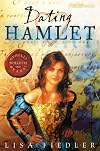
Beautiful teenager Ophelia is in love with the eligible Prince Hamlet of Denmark. He loves her too, but many things are not right in Castle Elsinore. Hamlet is visited by his father’s ghost, who gives details of his murder by the man who is now King. This may be medieval times, when girls are supposed to stick to simple hobbies like growing flowers, but Ophelia has a few ideas of her own about how to remedy this situation.
This is partly a story about a woman who refuses to accept her show more station in life. Ophelia is not content to be beautiful and beloved; indeed she is disgusted by the number of men who lust after her. She cannot believe how comfortable it feels to wear breeches, and is convinced that being forbidden to wear them is just one more example of “injustice against our sex”. Ophelia is determined to make a difference in a world where almost everyone, including the men, seem resigned to letting fate happen to them.
Although not written in true Shakespearian English (or metre), this book does make use of some old-fashioned vocabulary and grammar, and includes numerous quotations from Shakespeare’s play. Some readers may find this aspect of the story daunting; many others will find it increases the enjoyment of their reading experience.
Fundamentally, Dating Hamlet is a love story, about a girl who refuses to accept her boyfriend’s death sentence, because she couldn’t bear to live without him. The romantic exchanges between the couple are sweet, even under the influence of Hamlet’s notorious philosophising.
In Hamlet, both Ophelia and Hamlet go mad, although some have argued that Hamlet is only pretending to be crazy, so that he can catch the King out in his guilt. In Dating Hamlet, this idea is explored further, with Ophelia learning unexpectedly that not everything that happens to you while you’re pretending to be insane is good for you. (“No one thinks to dry a dead girl.”)
The plot of Shakespeare’s play is kept largely in tact, but in this story the author makes a few crucial twists. Only the bad guys really die – but then, who are the real baddies in this story, anyway? Anyone familiar with this novel would have much less trouble understanding the classic tragedy, but I also feel that this book would be worth reading independently of the play. However, that’s only a guess, as everyone I know who’s read this book has also been familiar with Shakespeare. show less
This is partly a story about a woman who refuses to accept her show more station in life. Ophelia is not content to be beautiful and beloved; indeed she is disgusted by the number of men who lust after her. She cannot believe how comfortable it feels to wear breeches, and is convinced that being forbidden to wear them is just one more example of “injustice against our sex”. Ophelia is determined to make a difference in a world where almost everyone, including the men, seem resigned to letting fate happen to them.
Although not written in true Shakespearian English (or metre), this book does make use of some old-fashioned vocabulary and grammar, and includes numerous quotations from Shakespeare’s play. Some readers may find this aspect of the story daunting; many others will find it increases the enjoyment of their reading experience.
Fundamentally, Dating Hamlet is a love story, about a girl who refuses to accept her boyfriend’s death sentence, because she couldn’t bear to live without him. The romantic exchanges between the couple are sweet, even under the influence of Hamlet’s notorious philosophising.
In Hamlet, both Ophelia and Hamlet go mad, although some have argued that Hamlet is only pretending to be crazy, so that he can catch the King out in his guilt. In Dating Hamlet, this idea is explored further, with Ophelia learning unexpectedly that not everything that happens to you while you’re pretending to be insane is good for you. (“No one thinks to dry a dead girl.”)
The plot of Shakespeare’s play is kept largely in tact, but in this story the author makes a few crucial twists. Only the bad guys really die – but then, who are the real baddies in this story, anyway? Anyone familiar with this novel would have much less trouble understanding the classic tragedy, but I also feel that this book would be worth reading independently of the play. However, that’s only a guess, as everyone I know who’s read this book has also been familiar with Shakespeare. show less
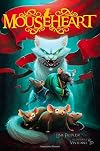
Seemingly for children, this book fits all ages. I loved it. It was a brilliantly imagined story around the rats and mice and other underlings of the New York Subway. Fiedler's talent was not depicted only in the imaginative plot and details, but in the intricacies of it all. Her writing style was great- easily understood by the younger readers but not too basic for the more experienced ones. Rats and mice and cats really come alive in this tale of courage, bravery, cruelty and the hardships show more of life. We see the various personalities of several characters, shaped by their circumstances. Really this book was surprisingly nuanced for a children's novel. I would definitely recommend it to all. show less
Lists
Awards


You May Also Like


Associated Authors
Statistics
- Works
- 21
- Members
- 1,465
- Popularity
- #17,535
- Rating
- 3.5
- Reviews
- 29
- ISBNs
- 97
- Languages
- 3