
Maureen Lang
Author of The Oak Leaves
About the Author
Series
Works by Maureen Lang
The 12 Brides of Christmas Collection: 12 Heartwarming Historical Romances for the Season of Love (2015) — Author — 67 copies, 4 reviews
The 12 Brides of Summer Collection: 12 Historical Brides Find Love in the Good Old Summertime (2016) 18 copies
Associated Works
The Message in a Bottle Romance Collection: Hope Reaches Across the Centuries Through One Single Bottle, Inspiring Five Romances (2017) — Contributor — 46 copies, 4 reviews
The Convenient Bride Collection: 9 Romances Grow from Marriage Partnerships Formed Out of Necessity (2015) — Contributor — 40 copies, 1 review
Tagged
Common Knowledge
- Gender
- female
Members
Reviews
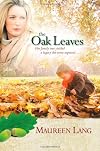
Where I got the book: free on Kindle at publisher's discretion. Maureen is a friend in real life.
This inspirational novel has an alternating-chapter two-story structure, the linking factor being the genetic ties between the two female protagonists, Talie in the modern day and Cosima in the 19th century. But in this novel genetics don't just mean familial ties; the Fragile X gene runs through the two women's family giving rise to cognitively disabled children.
This setup would be bound to get show more me interested from the start, since I too have a child affected by a genetic disorder that causes a cognitive disability--although in our case there's been a "random mutation" rather than a hereditary disorder. The parallel structure of the novel allows the reader to explore changing attitudes toward disability and timeless questions of faith within a story that manages not to lay any of its themes down with too heavy a hand. It's definitely a Christian novel--I've noted that some reviewers found the Christian slant hard to deal with--but to anyone who is at all familiar with or receptive to the Christian faith, there are some thought-provoking insights into the nature of love and trust.
I found myself more drawn, at first, to the modern story because I identified with the characters' fear and confusion as they realize that a happy little boy is simply not progressing, intellectually speaking, beyond babyhood. I was nodding my head--oh yes, been there done that--at so many of the steps through denial, anger, grief and acceptance as they gradually grasp that the unthinkable has in fact happened to them. (Until it does happen, disabled children are generally on the periphery of your awareness!) It rang true because it's written from experience, although I wish I'd had the faith perspective back then.
The 19th-century story grew on me gradually; it came across as less real to me partly because it's a fairly straightforward romance plot, partly because it's set among the aristocracy and it's difficult to pull that world off on paper unless you're personally pretty familiar with it. Forms of address often give the writer away, and if anyone has a solid reference for writers about the nuances of class in British society, please speak up. In this instance the high-society setting had a point, because to a family expected to produce leaders of the country a less-than-able heir would be a considerable problem (although, from what I've read in and in between the lines, because of inbreeding it happened far more often than advertised). After a bit I warmed to this story line, mainly because Peter, the hero, was very nicely rounded out as a character with a lot more going for him than just being the inevitable broad-shouldered hunk. Also, Cosima's dilemma--revealing a genetic disorder that in those days was seen as a curse or stigma--was pretty interesting as far as obstacles to true love go. The one character who really didn't work for me was the rotter Reginald, Cosima's sort-of fiancé; I had the worst time understanding his motives and at one point found myself wondering whether he had a gay crush on Peter. I was wrong, of course; not that kind of novel.
All in all I found The Oak Leaves to be quite a page-turner and a whole lot more substantial than many inspirational romances, hence the four stars. show less
This inspirational novel has an alternating-chapter two-story structure, the linking factor being the genetic ties between the two female protagonists, Talie in the modern day and Cosima in the 19th century. But in this novel genetics don't just mean familial ties; the Fragile X gene runs through the two women's family giving rise to cognitively disabled children.
This setup would be bound to get show more me interested from the start, since I too have a child affected by a genetic disorder that causes a cognitive disability--although in our case there's been a "random mutation" rather than a hereditary disorder. The parallel structure of the novel allows the reader to explore changing attitudes toward disability and timeless questions of faith within a story that manages not to lay any of its themes down with too heavy a hand. It's definitely a Christian novel--I've noted that some reviewers found the Christian slant hard to deal with--but to anyone who is at all familiar with or receptive to the Christian faith, there are some thought-provoking insights into the nature of love and trust.
I found myself more drawn, at first, to the modern story because I identified with the characters' fear and confusion as they realize that a happy little boy is simply not progressing, intellectually speaking, beyond babyhood. I was nodding my head--oh yes, been there done that--at so many of the steps through denial, anger, grief and acceptance as they gradually grasp that the unthinkable has in fact happened to them. (Until it does happen, disabled children are generally on the periphery of your awareness!) It rang true because it's written from experience, although I wish I'd had the faith perspective back then.
The 19th-century story grew on me gradually; it came across as less real to me partly because it's a fairly straightforward romance plot, partly because it's set among the aristocracy and it's difficult to pull that world off on paper unless you're personally pretty familiar with it. Forms of address often give the writer away, and if anyone has a solid reference for writers about the nuances of class in British society, please speak up. In this instance the high-society setting had a point, because to a family expected to produce leaders of the country a less-than-able heir would be a considerable problem (although, from what I've read in and in between the lines, because of inbreeding it happened far more often than advertised). After a bit I warmed to this story line, mainly because Peter, the hero, was very nicely rounded out as a character with a lot more going for him than just being the inevitable broad-shouldered hunk. Also, Cosima's dilemma--revealing a genetic disorder that in those days was seen as a curse or stigma--was pretty interesting as far as obstacles to true love go. The one character who really didn't work for me was the rotter Reginald, Cosima's sort-of fiancé; I had the worst time understanding his motives and at one point found myself wondering whether he had a gay crush on Peter. I was wrong, of course; not that kind of novel.
All in all I found The Oak Leaves to be quite a page-turner and a whole lot more substantial than many inspirational romances, hence the four stars. show less
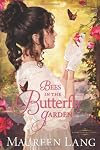
Where I got the book: pre-ordered on Amazon. Maureen Lang is a friend IRL. And I STILL never 5-starred a review till this one. Read on.
I feel that with this book, Lang has started to stretch herself out of the safer waters of the inspirational romance genre, and I like the result. Let me explain.
Th inspirational aka Christian romances I've read (and I'm not a huge expert on this) tend to follow a bit of a formula. Miss and Mr Wonderful are both really, really good people from Christian homes show more but at least one of them has become estranged from God in the mildest terms. So I'm not talking they-turned-to-Wicca-and-became-a-high-priest(ess) kind of terms. We're talking about how they stopped going to church/praying/reading the Bible sort of terms. This sad fact is usually dropped into the narrative about page 10.
And one at least of them has a little flaw, often involving trust i.e. they will Never Trust Again Because They Were Hurt. The other half of the prospective duo has a much stronger faith, and takes the lead in guiding his or her consort toward the happy ending.
In other words, these people are good. Almost, but not quite, perfect. For me, this has always created an unreal sort of disconnect because, seriously? I need to be able to imagine myself in the heroine's shoes, and they never fit.
So to the plot of Bees in the Butterfly Garden. Meg has left her exclusive boarding school to attend her father's funeral, only to discover he was a successful thief and the reason he never came to visit her at school was because he wanted her kept strictly away from his lifestyle. Meg is, not surprisingly, pretty mad at her father for a) not telling her the truth b) being absent from her life, but this is also an aha! moment because she sees her own rebelliousness as having good, solid genetic grounds. Realizing that her pedigree is never going to get her the posh husband that she's been trained to expect, Meg decides to become a thief herself and prove her father wrong about not belonging in his life.
She ends up working with Ian, the man her father informally adopted as an apprentice thief and surrogate son, to rob the family of a schoolfriend, Claire. Meg is torn between proving herself a good thief, growing to like Claire and her family, coping with the criminal element, and dealing with the attentions of two very different suitors.
In a way, this is the usual formula flip-flopped. It's the secondary characters who provide the faith element, while the hero and heroine set about breaking the 8th commandment (and probably the ones about coveting and bearing false witness as well). Add to this an extremely light touch with the inspirational elements until you are thoroughly wrapped up in the story, and there's definitely more edge to this novel than the everyday inspirational romance.
And it all made for an absorbing story. I found myself not wanting to break off to go do, y'know, real life things, and that's a very good sign. Lang's writing is always polished and easy, with good editing and packaging adding to the experience, so there was nothing to shake me out of Meg's world. My criticism would be that I'd like more character development in place of setting, but I'm beginning to understand that setting is loved by romance readers and you can't throw out all the rules of the genre at once.
Of course I'm sure there are readers who like the safe approach. But I get excited when I see forward movement, hence the rating. show less
I feel that with this book, Lang has started to stretch herself out of the safer waters of the inspirational romance genre, and I like the result. Let me explain.
Th inspirational aka Christian romances I've read (and I'm not a huge expert on this) tend to follow a bit of a formula. Miss and Mr Wonderful are both really, really good people from Christian homes show more but at least one of them has become estranged from God in the mildest terms. So I'm not talking they-turned-to-Wicca-and-became-a-high-priest(ess) kind of terms. We're talking about how they stopped going to church/praying/reading the Bible sort of terms. This sad fact is usually dropped into the narrative about page 10.
And one at least of them has a little flaw, often involving trust i.e. they will Never Trust Again Because They Were Hurt. The other half of the prospective duo has a much stronger faith, and takes the lead in guiding his or her consort toward the happy ending.
In other words, these people are good. Almost, but not quite, perfect. For me, this has always created an unreal sort of disconnect because, seriously? I need to be able to imagine myself in the heroine's shoes, and they never fit.
So to the plot of Bees in the Butterfly Garden. Meg has left her exclusive boarding school to attend her father's funeral, only to discover he was a successful thief and the reason he never came to visit her at school was because he wanted her kept strictly away from his lifestyle. Meg is, not surprisingly, pretty mad at her father for a) not telling her the truth b) being absent from her life, but this is also an aha! moment because she sees her own rebelliousness as having good, solid genetic grounds. Realizing that her pedigree is never going to get her the posh husband that she's been trained to expect, Meg decides to become a thief herself and prove her father wrong about not belonging in his life.
She ends up working with Ian, the man her father informally adopted as an apprentice thief and surrogate son, to rob the family of a schoolfriend, Claire. Meg is torn between proving herself a good thief, growing to like Claire and her family, coping with the criminal element, and dealing with the attentions of two very different suitors.
In a way, this is the usual formula flip-flopped. It's the secondary characters who provide the faith element, while the hero and heroine set about breaking the 8th commandment (and probably the ones about coveting and bearing false witness as well). Add to this an extremely light touch with the inspirational elements until you are thoroughly wrapped up in the story, and there's definitely more edge to this novel than the everyday inspirational romance.
And it all made for an absorbing story. I found myself not wanting to break off to go do, y'know, real life things, and that's a very good sign. Lang's writing is always polished and easy, with good editing and packaging adding to the experience, so there was nothing to shake me out of Meg's world. My criticism would be that I'd like more character development in place of setting, but I'm beginning to understand that setting is loved by romance readers and you can't throw out all the rules of the genre at once.
Of course I'm sure there are readers who like the safe approach. But I get excited when I see forward movement, hence the rating. show less
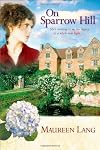
Where I got the book: free on Kindle at publisher's discretion. Maureen is a friend in real life.
I zipped through On Sparrow Hill even faster than through the first book in the series, The Oak Leaves so I guess you could say I was engaged in the story. Or rather, stories. The novel uses the same alternating-chapter structure as the first book to follow two story lines, one in the modern day and one in the 19th century. This time there are also two full romance arcs, unlike in the first book show more where the modern-day story focuses much more narrowly on the issue of the Fragile X gene that makes having children a more risky proposition than the usual gung-ho process.
In On Sparrow Hill, although the modern-day story brings in some of the themes from the first book, the main obstacle to love's progress is good old-fashioned class consciousness. Rebecca is descended from the servants who kowtowed to the ancestors of her swain, Quentin, and has (if I may be permitted a Britishism) her knickers in a twist about it. In an age where members of the Royal family have to choose between being called "Sarah" or "Duchess" by American media hosts, and That Wedding put a commoner firmly in line for queenhood, my first reaction was "seriously?", but by the end of the book I realized that this story line rather cleverly reinforced a thumpingly good point about servanthood (best understood if you've got some Christian background) so now I'm cool with it.
As for the 19th-century story, where Berrie (from the first book) opens up a school for cognitively disabled children with an emphasis on training, I might have been skeptical that such a progressive place could exist had I not been familiar with the work of one Édouard Séguin who promoted that exact approach. The romance arc in this timeline was fairly conventional, although I absolutely loved the character Katie who brings the protagonists together (totally recognizable if you've had the privilege of spending time around cognitively disabled friends). And I was tickled by the obstacle-to-love being marriage itself (because that threatens to rob Berrie of her vocation); a nice nod to the changes in attitudes toward women that I've seen even in my lifetime.
This sequel has the theological implications of the faith/love/trust nexus in relation to disability better worked out than the first book, and by the large number of highlighters of certain passages shown by my Kindle, a lot of people derived some sort of comfort or guidance from the book's conclusions. Again, this novel is aimed at a Christian audience and readers who are not receptive to "Christian talk" may have slight problems (although far less than in the first book, I'm guessing). The servanthood/disability point was something I'd simply not considered before, and definitely worth thinking about.
My overall reaction to On Sparrow Hill is similar to my conclusions for The Oak Leaves; as inspirational romances go, this one has some interesting things to say and therefore comes across as nicely substantial while still being a satisfying romantic read. show less
I zipped through On Sparrow Hill even faster than through the first book in the series, The Oak Leaves so I guess you could say I was engaged in the story. Or rather, stories. The novel uses the same alternating-chapter structure as the first book to follow two story lines, one in the modern day and one in the 19th century. This time there are also two full romance arcs, unlike in the first book show more where the modern-day story focuses much more narrowly on the issue of the Fragile X gene that makes having children a more risky proposition than the usual gung-ho process.
In On Sparrow Hill, although the modern-day story brings in some of the themes from the first book, the main obstacle to love's progress is good old-fashioned class consciousness. Rebecca is descended from the servants who kowtowed to the ancestors of her swain, Quentin, and has (if I may be permitted a Britishism) her knickers in a twist about it. In an age where members of the Royal family have to choose between being called "Sarah" or "Duchess" by American media hosts, and That Wedding put a commoner firmly in line for queenhood, my first reaction was "seriously?", but by the end of the book I realized that this story line rather cleverly reinforced a thumpingly good point about servanthood (best understood if you've got some Christian background) so now I'm cool with it.
As for the 19th-century story, where Berrie (from the first book) opens up a school for cognitively disabled children with an emphasis on training, I might have been skeptical that such a progressive place could exist had I not been familiar with the work of one Édouard Séguin who promoted that exact approach. The romance arc in this timeline was fairly conventional, although I absolutely loved the character Katie who brings the protagonists together (totally recognizable if you've had the privilege of spending time around cognitively disabled friends). And I was tickled by the obstacle-to-love being marriage itself (because that threatens to rob Berrie of her vocation); a nice nod to the changes in attitudes toward women that I've seen even in my lifetime.
This sequel has the theological implications of the faith/love/trust nexus in relation to disability better worked out than the first book, and by the large number of highlighters of certain passages shown by my Kindle, a lot of people derived some sort of comfort or guidance from the book's conclusions. Again, this novel is aimed at a Christian audience and readers who are not receptive to "Christian talk" may have slight problems (although far less than in the first book, I'm guessing). The servanthood/disability point was something I'd simply not considered before, and definitely worth thinking about.
My overall reaction to On Sparrow Hill is similar to my conclusions for The Oak Leaves; as inspirational romances go, this one has some interesting things to say and therefore comes across as nicely substantial while still being a satisfying romantic read. show less
The 12 Brides of Christmas Collection: 12 Heartwarming Historical Romances for the Season of Love by Mary Connealy
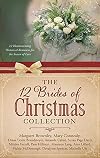
Review for THE EVERYGREEN BRIDE:
I couldn’t help but fall in love with this story.
The heroine, like myself, is a Mississippi girl who loves snow. Only Mississippi doesn’t see snow that often, especially enough to cover the ground in white.
Samuel had my heart from the beginning. His quiet, gentle interest in Annabelle is portrayed so well, though he hides it from the heroine until he thinks he’s going to lose her to a fellow up north!
Their tender exchanges and the push-pull is so sweet show more and sigh-worthy. Especially the gift at the end. Makes my heart smile. Definitely a worthy read, like all Ms. Hillman’s works. show less
I couldn’t help but fall in love with this story.
The heroine, like myself, is a Mississippi girl who loves snow. Only Mississippi doesn’t see snow that often, especially enough to cover the ground in white.
Samuel had my heart from the beginning. His quiet, gentle interest in Annabelle is portrayed so well, though he hides it from the heroine until he thinks he’s going to lose her to a fellow up north!
Their tender exchanges and the push-pull is so sweet show more and sigh-worthy. Especially the gift at the end. Makes my heart smile. Definitely a worthy read, like all Ms. Hillman’s works. show less
Awards


You May Also Like


Associated Authors
Statistics
- Works
- 25
- Also by
- 3
- Members
- 1,213
- Popularity
- #21,165
- Rating
- 3.9
- Reviews
- 47
- ISBNs
- 92
- Languages
- 1