
Elizabeth Fremantle
Author of Queen's Gambit
About the Author
Series
Works by Elizabeth Fremantle
Associated Works
Tagged
Common Knowledge
- Other names
- Fremantle, E.C.
- Birthdate
- 1962
- Gender
- female
- Education
- Birkbeck, University of London
- Occupations
- writer
historical novelist
creative writing teacher
fashion editor - Organizations
- Historical Writers' Association
- Relationships
- Wynne, Elizabeth (ancestor)
- Nationality
- UK
- Birthplace
- London, England, UK
- Associated Place (for map)
- England, UK
Members
Reviews
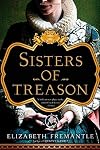
If you happened to catch author Liz Fremantle's debut effort last year (Queen's Gambit) then you likely already know why historical fiction fans were thrilled to welcome her fresh voice into the genre. Sharp, witty, and full of ironic observations, Fremantle proved she was most assuredly a far cut above the standard, ho-hum historical fiction fare usually bogging down the bookstore shelves today.
So her when her follow up effort, SISTERS OF TREASON, recently arrived in stores, it generated show more buzz. Sisters of Treason returns to the Tudor era, a period one might legitimately question whether there was anything left worth writing about following the excruciating Tudor-mania that swept the genre over the past decade. Once again, Fremantle is full of delightful surprise. She alights upon the tragic Grey sisters.
Refresher: On July 10, 1553, following the death of England's young and sickly King Edward VI (the only son of Henry VIII), a teenaged Lady Jane Grey was unwittingly raised to the throne via the machinations of her father and father-in-law in an ill-advised power grab. It didn't work out too well. Henry VIII's eldest daughter Mary promptly marched into London, deposed her young cousin Jane, and later lopped off her head. Mary would become known to history as Bloody Mary for her tendency to burn those who didn't toe her Catholic line. End refresher.
So that was the end of poor Jane Grey and many historical fiction novels have been written this tragic figure who lost her head piously clutching her Protestant Bible to the very end. And yet.....did you know that our sweet Jane happened to have two younger sisters? And if you're analytic mind is fast at work, it's already figured out that if tragic Jane Grey had a legitimate claim to the throne of merry ol' England, so too did her younger sisters Katherine and Mary Grey. And this is the fascinating Tudor story that cunning Fremantle presents in Sisters of Treason.
Welcome to a most un-glamorous royal court. Mary reigns with a paranoid suspicious eye trained directly on the two sisters Jane Grey left behind. Keeping her friends close but her enemies closer, the sisters are kept in the Queen's court where the smallest misstep or misinterpretation of a word meant treason. As the years of Mary's reign continued, her suspicions grew with her along with her failed marriage and lack of a royal heir ("...royal blood and a functioning womb is all most care about in a princess"). The Grey sister's relationship with Mary's successor, the legendary Queen Elizabeth I, fared little better.
Fremantle chooses to tell the sister's tale using three viewpoints: Katherine, Mary, and a female court painter, Levina Teerlinc (an interesting choice given that historically, little is known about this fascinating woman other than she is known to have painted a surviving portrait of Katherine Grey) who acts as a surrogate mother to the girls at court. Paying strict homage to historical documents and making interpretations only where she is free to do so, Fremantle presents a vivid portrait of two sisters with Tudor blood running through their veins only to spend their entire life being horribly punished for it.
Ultimately, both Katherine and Mary lived short, unhappy lives, making this well-written story something of a tragedy. Fremantle admirably tries to discover moments of joy they might found in an otherwise bleak existence through no fault of their own, but the reality is that both girls only lived long enough to become women who never experienced a normal life: the events that populate or mark a normal woman's life were - for both of the Grey sisters - so marred with hatred from the reigning Queen that any experience of normal happiness would have proved impossible. In an era when noble birth was the only way a person might experience comfort or luxury, the Grey sisters, I suspect, might have happily traded places with the lowliest of servants in the castle.
Well-written, well-researched historical fiction. Recommended for historical fiction aficionados. show less
So her when her follow up effort, SISTERS OF TREASON, recently arrived in stores, it generated show more buzz. Sisters of Treason returns to the Tudor era, a period one might legitimately question whether there was anything left worth writing about following the excruciating Tudor-mania that swept the genre over the past decade. Once again, Fremantle is full of delightful surprise. She alights upon the tragic Grey sisters.
Refresher: On July 10, 1553, following the death of England's young and sickly King Edward VI (the only son of Henry VIII), a teenaged Lady Jane Grey was unwittingly raised to the throne via the machinations of her father and father-in-law in an ill-advised power grab. It didn't work out too well. Henry VIII's eldest daughter Mary promptly marched into London, deposed her young cousin Jane, and later lopped off her head. Mary would become known to history as Bloody Mary for her tendency to burn those who didn't toe her Catholic line. End refresher.
So that was the end of poor Jane Grey and many historical fiction novels have been written this tragic figure who lost her head piously clutching her Protestant Bible to the very end. And yet.....did you know that our sweet Jane happened to have two younger sisters? And if you're analytic mind is fast at work, it's already figured out that if tragic Jane Grey had a legitimate claim to the throne of merry ol' England, so too did her younger sisters Katherine and Mary Grey. And this is the fascinating Tudor story that cunning Fremantle presents in Sisters of Treason.
Welcome to a most un-glamorous royal court. Mary reigns with a paranoid suspicious eye trained directly on the two sisters Jane Grey left behind. Keeping her friends close but her enemies closer, the sisters are kept in the Queen's court where the smallest misstep or misinterpretation of a word meant treason. As the years of Mary's reign continued, her suspicions grew with her along with her failed marriage and lack of a royal heir ("...royal blood and a functioning womb is all most care about in a princess"). The Grey sister's relationship with Mary's successor, the legendary Queen Elizabeth I, fared little better.
Fremantle chooses to tell the sister's tale using three viewpoints: Katherine, Mary, and a female court painter, Levina Teerlinc (an interesting choice given that historically, little is known about this fascinating woman other than she is known to have painted a surviving portrait of Katherine Grey) who acts as a surrogate mother to the girls at court. Paying strict homage to historical documents and making interpretations only where she is free to do so, Fremantle presents a vivid portrait of two sisters with Tudor blood running through their veins only to spend their entire life being horribly punished for it.
Ultimately, both Katherine and Mary lived short, unhappy lives, making this well-written story something of a tragedy. Fremantle admirably tries to discover moments of joy they might found in an otherwise bleak existence through no fault of their own, but the reality is that both girls only lived long enough to become women who never experienced a normal life: the events that populate or mark a normal woman's life were - for both of the Grey sisters - so marred with hatred from the reigning Queen that any experience of normal happiness would have proved impossible. In an era when noble birth was the only way a person might experience comfort or luxury, the Grey sisters, I suspect, might have happily traded places with the lowliest of servants in the castle.
Well-written, well-researched historical fiction. Recommended for historical fiction aficionados. show less
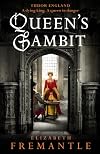
This is a beautifully written book that had me enthralled. Fremantle shows a totally different axis to Katherine Parr and court leading to her marriage to King Henry VIII. Although this appears to be written from the female perspective, mainly of either Katherine or her maid Dot, it lacks none of the masculinity in the brutal coldness of ambitious men and women surrounding Court.
This book is full of complexities in the relationships between the women and men at court and with various staff show more from the kitchens upwards. We know the history of this time, we know the outcome, but Fremantle views it in a refreshingly fresh way. This was not just an historical account of Katherine Parr and Henry VIII, it promotes the reader to see a delicateness in the way that the behaviour of King Henry is seen and managed by the Queen. It personalises their lives drawing the reader into each personality with feeling and understanding.
If you like historical novel where individual lives of characters gives detail to historical events then you will not be disappointed. I recommend this as a good read.
(Won from giveaways) show less
This book is full of complexities in the relationships between the women and men at court and with various staff show more from the kitchens upwards. We know the history of this time, we know the outcome, but Fremantle views it in a refreshingly fresh way. This was not just an historical account of Katherine Parr and Henry VIII, it promotes the reader to see a delicateness in the way that the behaviour of King Henry is seen and managed by the Queen. It personalises their lives drawing the reader into each personality with feeling and understanding.
If you like historical novel where individual lives of characters gives detail to historical events then you will not be disappointed. I recommend this as a good read.
(Won from giveaways) show less
‘’Whether we fall by ambition, blood, or lust
Like diamonds, we are cut with our own dust.’’
The Duchess of Malfi, John Webster
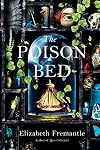
May I just say that this is one of the most intriguing front covers I’ve ever seen?
Few eras were as tumultuous and fascinating as the Jacobean times. A period that produced some of the bloodiest tragedies in British Theatre, with John Webster and Ben Johnson as the leading playwrights, an era that was sadly defined by an incompetent king, the son of a dull show more mother. James I thought he knew all about leadership and religion (...and witches…) when, in fact, he knew nothing about anything. Depravity, fundamentalism, superstition are three words that can summarize his reign with significant accuracy. This is the colourful background of Fremantle’s The Poison Bed, an exciting Historical Fiction novel.
Frances Howard and Robert Carr are two young people imprisoned within their personal and familial ambitions, their partners’ obsession and the fickle mind of a horrible king. Soon after their marriage, which seems to be their own way to escape, a strange murder occurs in the Tower of London. One of James’ protegees is found dead and our protagonists need to prove their loyalty. However, honesty has a very sketchy part to play in this unusual case.
Ιn this novel, the phrase ‘’based on a true story’’ finds its proper meaning. Inspired by the unsolved case of the death of one of James’ playboys, Fremantle weaves an intricate plot where this incident plays second fiddle. The focus is on human relationships with the stormy Jacobean era as the background. The manipulations of the noble families, the balance between a wife and a husband, the relationship between lovers of both sexes and their implications, the dynamics between a ruler and his subjects. These are themes that transcend the 17th century, relevant to all eras and societies. Naturally, religious disputes, witchcraft, truth, and betrayal can only spice up the excellent mixture and the result is a novel that is not the same old Historical Fiction book with a ‘’fashionable’’ feminist message but a powerful and well-researched journey to an age of danger, lust and, ultimately, change.
The writing style is sharp, satisfyingly faithful to the depicted period and the interactions are vivid and believable. The writer doesn’t waste space to long descriptions and the scenes take place mostly indoors. What I find problematic was the almost simultaneous use of the first and the third personal pronouns within the same chapter to refer to the same person. I admit, it greatly bothered my teacher-self. In addition, I have to say that the overall result would have been even better if the actual number of pages had been diminished. There was quite a lot of repetition that did little to advance the plot.
What made me enjoy The Poison Bed so much was the impression Frances’ character had on me. She is shady and cunning to the point of being manipulative and ruthless and I loved her. I love characters that are ambiguous and complex and this is a crucial factor that can make a Historical Fiction novel successful or dull. I am happy to say that Frances elevated the story and became one of my favourite heroines. Rober is a character that becomes weaker towards the end and I cannot say I was captivated by his presence. When compared to Frances every character paled.
This is an excellent combination of Historical Fiction and period thriller created by a talented writer. Despite certain technical mistakes and omissions, The Poison Bed will keep you good company, especially if you are fascinated by the many aspects of the Jacobean era.
Many thanks to Penguin UK and NetGalley for the ARC in exchange for an honest review.
My reviews can also be found on https://theopinionatedreaderblog.wordpress.com show less
Like diamonds, we are cut with our own dust.’’
The Duchess of Malfi, John Webster
May I just say that this is one of the most intriguing front covers I’ve ever seen?
Few eras were as tumultuous and fascinating as the Jacobean times. A period that produced some of the bloodiest tragedies in British Theatre, with John Webster and Ben Johnson as the leading playwrights, an era that was sadly defined by an incompetent king, the son of a dull show more mother. James I thought he knew all about leadership and religion (...and witches…) when, in fact, he knew nothing about anything. Depravity, fundamentalism, superstition are three words that can summarize his reign with significant accuracy. This is the colourful background of Fremantle’s The Poison Bed, an exciting Historical Fiction novel.
Frances Howard and Robert Carr are two young people imprisoned within their personal and familial ambitions, their partners’ obsession and the fickle mind of a horrible king. Soon after their marriage, which seems to be their own way to escape, a strange murder occurs in the Tower of London. One of James’ protegees is found dead and our protagonists need to prove their loyalty. However, honesty has a very sketchy part to play in this unusual case.
Ιn this novel, the phrase ‘’based on a true story’’ finds its proper meaning. Inspired by the unsolved case of the death of one of James’ playboys, Fremantle weaves an intricate plot where this incident plays second fiddle. The focus is on human relationships with the stormy Jacobean era as the background. The manipulations of the noble families, the balance between a wife and a husband, the relationship between lovers of both sexes and their implications, the dynamics between a ruler and his subjects. These are themes that transcend the 17th century, relevant to all eras and societies. Naturally, religious disputes, witchcraft, truth, and betrayal can only spice up the excellent mixture and the result is a novel that is not the same old Historical Fiction book with a ‘’fashionable’’ feminist message but a powerful and well-researched journey to an age of danger, lust and, ultimately, change.
The writing style is sharp, satisfyingly faithful to the depicted period and the interactions are vivid and believable. The writer doesn’t waste space to long descriptions and the scenes take place mostly indoors. What I find problematic was the almost simultaneous use of the first and the third personal pronouns within the same chapter to refer to the same person. I admit, it greatly bothered my teacher-self. In addition, I have to say that the overall result would have been even better if the actual number of pages had been diminished. There was quite a lot of repetition that did little to advance the plot.
What made me enjoy The Poison Bed so much was the impression Frances’ character had on me. She is shady and cunning to the point of being manipulative and ruthless and I loved her. I love characters that are ambiguous and complex and this is a crucial factor that can make a Historical Fiction novel successful or dull. I am happy to say that Frances elevated the story and became one of my favourite heroines. Rober is a character that becomes weaker towards the end and I cannot say I was captivated by his presence. When compared to Frances every character paled.
This is an excellent combination of Historical Fiction and period thriller created by a talented writer. Despite certain technical mistakes and omissions, The Poison Bed will keep you good company, especially if you are fascinated by the many aspects of the Jacobean era.
Many thanks to Penguin UK and NetGalley for the ARC in exchange for an honest review.
My reviews can also be found on https://theopinionatedreaderblog.wordpress.com show less
Married at an early age to a man who despises her, Frances Howard is the pawn in the political machinations of her great-uncle Lord Northampton. Seeing an advantageous proposal to marry Frances to King James' 'favourite' Robert Carr, Northampton makes it happen. However when Carr's former friend Thomas Overbury dies under suspicious circumstances both Frances and Robert are imprisoned in the Tower because one of them was guilty of poisoning Overbury weren't they?
The mysterious death of show more Thomas Overbury has been a Jacobean murder mystery that has never been solved. James I was infamous from his liking for handsome young men, although homosexuality has never been proven, and Robert Carr was a long-term favourite who rose his before his fall. In this book both Frances and Thomas tell their tales as they sit in the Tower awaiting their fate. Fremantle has a reputation for writing strong, if romantically nuanced, historical fiction but this is a departure. It feels altogether more sophisticated with a twisty plot line, unreliable narrators and a story that is not far removed from the Jacobean tragedies of Webster (which are scorned by Frances in the book). Is Frances Howard an innocent dupe? There are hints of MacBeth in this tale as well. My only quibble is the vernacular used at times, it is too modern and jars in historical context, other than that I was suitably impressed. show less
The mysterious death of show more Thomas Overbury has been a Jacobean murder mystery that has never been solved. James I was infamous from his liking for handsome young men, although homosexuality has never been proven, and Robert Carr was a long-term favourite who rose his before his fall. In this book both Frances and Thomas tell their tales as they sit in the Tower awaiting their fate. Fremantle has a reputation for writing strong, if romantically nuanced, historical fiction but this is a departure. It feels altogether more sophisticated with a twisty plot line, unreliable narrators and a story that is not far removed from the Jacobean tragedies of Webster (which are scorned by Frances in the book). Is Frances Howard an innocent dupe? There are hints of MacBeth in this tale as well. My only quibble is the vernacular used at times, it is too modern and jars in historical context, other than that I was suitably impressed. show less
Lists
Awards


You May Also Like


Associated Authors
Statistics
- Works
- 9
- Also by
- 2
- Members
- 1,289
- Popularity
- #19,896
- Rating
- 3.8
- Reviews
- 87
- ISBNs
- 106
- Languages
- 7