
Anne O'Brien (1) (1949–)
Author of The Virgin Widow
For other authors named Anne O'Brien, see the disambiguation page.
Series
Works by Anne O'Brien
Broken Vows, Mended Hearts (Bouquet of Thistles/ Paying the Piper/ Battle-Torn Bride) (2006) 34 copies, 1 review
Tagged
Common Knowledge
- Birthdate
- 1949-04-18
- Gender
- female
- Education
- Manchester University (B.A.) (history)
Leeds University (PGCE)
Hull University (M.Ed.) - Occupations
- historical novelist
history teacher - Nationality
- UK
- Birthplace
- West Riding of Yorkshire, Yorkshire, England, UK
- Places of residence
- West Riding of Yorkshire, Yorkshire, England, UK
Welsh Marches of Herefordshire, England, UK - Associated Place (for map)
- England, UK
Members
Reviews
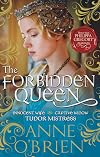
Like many works of historical fiction, The Forbidden Queen is a little light on the historical aspect, but for the most part, the author keeps true to what is known of the era, and the gaps that exist are generally plugged with believable filler. The only major discrepancy is the Shakespearean prophecy of Henry VI's birth at Windsor castle causing him to lose everything, and while it does come to pass, it's highly unlikely any such premonition was made back in the 15th century.
The most show more fascinating part by far is the last third, where Catherine falls for Owen Tudor. I've never given much thought as to why two people so different in rank would come together, but the explanation is very plausible, and quite romantic. Tudor finds Catherine beautiful, as she does him, and his position as her Master of Household enables him to learn about her likes and dislikes. He does an excellent job of arranging her meals and festivities to her tastes, as well as thinking of small things that might bring her joy. His gentle courtship of the young, lonely, widowed queen is heart-melting, as she realizes that to be loved is to be known, and Owen Tudor exemplifies that principle wonderfully. He pays attention to her, is unfailingly kind and courteous, and Catherine is always grateful for her capable steward. Since they are already attracted to each other, of course, of course they fall in love.
Strange to think how a marriage that resulted in them becoming the grandparents of Henry VII (the father of Henry VIII), could have been founded on the simple fact that they loved each other. Such a lot of history, borne from the love between a lonely queen, and a constantly kind steward. show less
The most show more fascinating part by far is the last third, where Catherine falls for Owen Tudor. I've never given much thought as to why two people so different in rank would come together, but the explanation is very plausible, and quite romantic. Tudor finds Catherine beautiful, as she does him, and his position as her Master of Household enables him to learn about her likes and dislikes. He does an excellent job of arranging her meals and festivities to her tastes, as well as thinking of small things that might bring her joy. His gentle courtship of the young, lonely, widowed queen is heart-melting, as she realizes that to be loved is to be known, and Owen Tudor exemplifies that principle wonderfully. He pays attention to her, is unfailingly kind and courteous, and Catherine is always grateful for her capable steward. Since they are already attracted to each other, of course, of course they fall in love.
Strange to think how a marriage that resulted in them becoming the grandparents of Henry VII (the father of Henry VIII), could have been founded on the simple fact that they loved each other. Such a lot of history, borne from the love between a lonely queen, and a constantly kind steward. show less
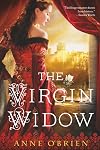
Richard III was SEXY!!! I completely enjoyed this fresh look at a much maligned person from history, no thanks to William Shakespeare. Anne O'Brien is a historian who thoroughly knows this time period (War of the Roses). As an American, I was somewhat unfamiliar with the history of the Houses of York and Lancaster and their struggles over the throne of England. But O'Brien's storytelling (although I realize that most scenes and all dialogue were fictionalized) help to breathe life into the show more history and help the reader understand the political intrigues, war, and manipulations of the time. Richard is depicted as a war hero, a trusted aide to his brother King Edward, and the true love of Anne Neville, his distant cousin. The story is told from Anne's point of view, and while I am not a fan of first person storytelling (as it limits other characters' viewpoints), it works in this case as the reader encounters surprises through Anne's eyes. This is also the first recent historical fiction I've read in which the author does not step away from the story to give the reader a history lesson. O'Brien lets her writing tell history through context, which keeps the story fast-paced. I'm off to read more about Richard! show less
 This review was written for LibraryThing Early Reviewers.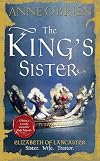
Although I read a lot of historical fiction, I did not know anything about the subject of this novel, Elizabeth of Lancaster, the younger daughter of John of Gaunt and sister to King Henry IV. She sits directly in the middle of King Richard II's overthrow and Henry IV's subsequent ascension to the throne. All of which launches the Wars of the Roses.
As a royal granddaughter of King Edward III (her father being a third son) Elizabeth is naturally used as a pawn to build alliances. At 17 she is show more forced to marry a wealthy eight-year-old boy to expand her father's influence. While waiting for her husband to grow up, she falls for her first cousin's (Richard II) half brother, John Holland, who becomes Elizabeth's second husband. And that sets up the conflict. When Richard II begins to show poor leadership and plots to dethrone him are launched -- Elizabeth's husband, John Holland, supports his own half-brother, Richard II, while Elizabeth supports HER brother, the future Henry IV. A sticky place to be in a marriage.
Their story of family conflict and rivalry is a good one, though I did not think the book was that well written. It struck me as overly melodramatic - which wasn't necessary since the story itself holds enough drama. There were long passages of Elizabeth describing her own angst, which became repetitious and tedious. (Yes, we get that she felt conflicted!) Also, those descriptions don't carry enough believable emotion. It feels more like a third person account of angst rather than a first person account. To me, this novel is a good way of learning about another important woman lost in history, but overly long and wordy. show less
As a royal granddaughter of King Edward III (her father being a third son) Elizabeth is naturally used as a pawn to build alliances. At 17 she is show more forced to marry a wealthy eight-year-old boy to expand her father's influence. While waiting for her husband to grow up, she falls for her first cousin's (Richard II) half brother, John Holland, who becomes Elizabeth's second husband. And that sets up the conflict. When Richard II begins to show poor leadership and plots to dethrone him are launched -- Elizabeth's husband, John Holland, supports his own half-brother, Richard II, while Elizabeth supports HER brother, the future Henry IV. A sticky place to be in a marriage.
Their story of family conflict and rivalry is a good one, though I did not think the book was that well written. It struck me as overly melodramatic - which wasn't necessary since the story itself holds enough drama. There were long passages of Elizabeth describing her own angst, which became repetitious and tedious. (Yes, we get that she felt conflicted!) Also, those descriptions don't carry enough believable emotion. It feels more like a third person account of angst rather than a first person account. To me, this novel is a good way of learning about another important woman lost in history, but overly long and wordy. show less
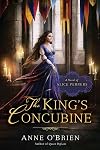
I enjoyed reading this book, though there were a few places where it read like a trashy romance novel.
Before this book, I only knew Alice Perrers as Edward III's "evil" mistress, vaguely aware that she was supposed to have been power-mad, greedy, and vicious. The portrayal of Alice in this book is quite different. She simply has the sensibilities of a modern woman, living in the 1300s.
Abandoned at birth and left to the brutal rearing of a convent, it's a rags-to-riches story. But not an show more ordinary one. Given the circumstances of Alice's early life, she grows up unwilling and unable to trust others and determined to rely on her wits alone to secure a future for herself and later her children. Unlike most royal mistresses, Alice doesn't advance simply because she's beautiful, talented, or otherwise able to catch the eye of important people. Instead, she rises because she is blunt, clever in business, determined, and fiercely independent. Even though these characteristics run counter to the rules society tries to impose.
In fact, it turns out that her wiliness, the thing that sets her apart from other women, is the very thing that brings her to the attention of royalty. And it's intriguing to watch Alice navigate King Edward's III's medieval world where her attitudes and actions, ones that would now be considered commonplace and acceptable, were challenged and perceived as threats. It certainly explains why she has come down through history with such a bad reputation. show less
Before this book, I only knew Alice Perrers as Edward III's "evil" mistress, vaguely aware that she was supposed to have been power-mad, greedy, and vicious. The portrayal of Alice in this book is quite different. She simply has the sensibilities of a modern woman, living in the 1300s.
Abandoned at birth and left to the brutal rearing of a convent, it's a rags-to-riches story. But not an show more ordinary one. Given the circumstances of Alice's early life, she grows up unwilling and unable to trust others and determined to rely on her wits alone to secure a future for herself and later her children. Unlike most royal mistresses, Alice doesn't advance simply because she's beautiful, talented, or otherwise able to catch the eye of important people. Instead, she rises because she is blunt, clever in business, determined, and fiercely independent. Even though these characteristics run counter to the rules society tries to impose.
In fact, it turns out that her wiliness, the thing that sets her apart from other women, is the very thing that brings her to the attention of royalty. And it's intriguing to watch Alice navigate King Edward's III's medieval world where her attitudes and actions, ones that would now be considered commonplace and acceptable, were challenged and perceived as threats. It certainly explains why she has come down through history with such a bad reputation. show less
Lists
Awards


You May Also Like


Associated Authors
Statistics
- Works
- 32
- Members
- 1,747
- Popularity
- #14,722
- Rating
- 3.7
- Reviews
- 100
- ISBNs
- 263
- Languages
- 6
