
Lilia Zaouali
Author of Medieval Cuisine of the Islamic World: A Concise History with 174 Recipes
Works by Lilia Zaouali
Medieval Cuisine of the Islamic World: A Concise History with 174 Recipes (2004) 178 copies, 3 reviews
Tagged
Common Knowledge
- Birthdate
- 20th century
- Gender
- female
- Nationality
- Tunisia (birth)
- Places of residence
- Italy
Members
Reviews
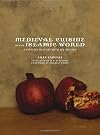
Having a certain amount of experience with the frustrations of working with medieval recipes, I was not surprised that these are more of an elusive glimpse than a true view of Medieval Islamic Cuisine. The recipes are fascinating. The modern recipes at the back of the book are also useful, although I would have prefered more medieval ones.
The great weakness of this book is that it was originally published in Italian, and the text is skewed towards making medieval Islamic food understood in show more comparison to the Italian situation. The fact that the recipes were translated from their original context (sometimes through Arabic, as many recipes came from a Persian context) into Italian, and then into English makes understanding what is meant even harder than these things already are. I also suspect that the translator into English does not regularly cook. It is often unclear what ingredient is meant (semolina is not the same as semolina flour; the notes on ingredients refer to what is available in Italy.)
I'm sure this was published as nothing else was available for the series in a Western language. It would be better to have a book without the Italian step in between, and with notes on the cooking that fit the intended audience. show less
The great weakness of this book is that it was originally published in Italian, and the text is skewed towards making medieval Islamic food understood in show more comparison to the Italian situation. The fact that the recipes were translated from their original context (sometimes through Arabic, as many recipes came from a Persian context) into Italian, and then into English makes understanding what is meant even harder than these things already are. I also suspect that the translator into English does not regularly cook. It is often unclear what ingredient is meant (semolina is not the same as semolina flour; the notes on ingredients refer to what is available in Italy.)
I'm sure this was published as nothing else was available for the series in a Western language. It would be better to have a book without the Italian step in between, and with notes on the cooking that fit the intended audience. show less
Not a scholarly book, this is a disappointing collection of random recipes taken out of context. The introductory essays add nothing new to our knowledge of Medieval cuisine of the Arabic-speaking world. However, what is valuable are the recipes from three manuscripts as yet unpublished in English or any other Western European language.
You May Also Like


Statistics
- Works
- 4
- Members
- 181
- Popularity
- #119,335
- Rating
- 3.9
- Reviews
- 3
- ISBNs
- 8
- Languages
- 3