
Harve Zemach (1933–1974)
Author of Duffy and the Devil
About the Author
Works by Harve Zemach
Small boy is listening 2 copies
A hat with a rose 1 copy
Tagged
Common Knowledge
- Legal name
- Fichstrom, Harvey
- Birthdate
- 1933-12-05
- Date of death
- 1974-11-02
- Gender
- male
- Education
- Wesleyan University
Brandeis University
University of Vienna - Occupations
- instructor
teacher - Organizations
- Boston University
University of Massachusetts - Awards and honors
- Caldecott Honor Medal 1970
- Relationships
- Zemach, Margot (wife)
Zemach, Kaethe (daughter) - Nationality
- USA
- Birthplace
- Newark, New Jersey, USA
- Places of residence
- Boston, Massachusetts, USA
Denmark
England, UK - Place of death
- London, Middlesex, England, UK
- Associated Place (for map)
- USA
Members
Reviews
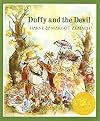
This is a version of an old Cornish play and folk tale, told with jovial wit and zaniness. The story is Rumpelstiltskin, with added Cornish flair, similar to "Punch and Judy" in humor. Unlike many popular folk tales, this story goes the extra mile in terms of developing characters. Highly recommended for students learning about folklore around the world and mid-late elementary students.
This is such a simple premise, with limited text, few illustrations, and a seemingly short narrative overall. Yet it all blends so well to create a light-hearted, humorous, and unusual tale.
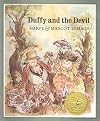
The story is an old one with many iterations. This version came from a 19th-century play traditionally performed in Cornwall during the Christmas season. I remember two versions of the story from my childhood: Rumpelstiltskin and Tom Tit Tot. The biggest difference in these tales is that Duffy is a young woman who, herself, claims to be able to spin, weave and knit (regular cloth), while in the other stories it was the girl’s father who boasted his daughter could spin straw into gold. show more Duffy’s devil states he will take HER away after three years; Rumpelstiltskin gives the girl only three days to guess his name, or he will take her newborn child. Minor quibbles. It’s a fairy tale that has appealed to children (and their parents) for centuries.
The book won the Caldecott medal. Margo Zemach’s illustrations are wonderfully detailed and help support the story. I found myself examining them for small details. I particularly loved the wedding feast illustration. show less
The book won the Caldecott medal. Margo Zemach’s illustrations are wonderfully detailed and help support the story. I found myself examining them for small details. I particularly loved the wedding feast illustration. show less
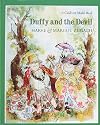
n this enchanting tale, a clever girl named Duffy encounters a mischievous devil who challenges her wits. Duffy must use her intelligence and bravery to outsmart the devil and escape his clutches. The story celebrates themes of cleverness and resourcefulness in overcoming adversity.
Lists
Awards


You May Also Like


Associated Authors
Statistics
- Works
- 14
- Members
- 957
- Popularity
- #26,916
- Rating
- 3.6
- Reviews
- 35
- ISBNs
- 44
- Languages
- 1