
William Miller (2) (1959–)
Author of Richard Wright and the Library Card
For other authors named William Miller, see the disambiguation page.
Works by William Miller
Tagged
Common Knowledge
Members
Reviews
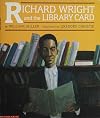
This is a beautiful, poignant children's picture book of the true story of Richard Wright, author of Black Boy and Native Son. It tells of Wright's desire to read books as a young boy, how he was able to get hold of library books with the aid of a white work colleague, and how he was finally able to read the books that he wanted. As this book's author William Miller said about books when he ended this story, "Every page was a ticket to freedom, to the place where he would always be free."
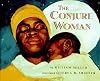
I had mixed feelings about this book after reading it. I liked the book because it gave the reader an insight of African American folklore and culture. I didn't like this book because I thought it left the reader wanting more. I don't think certain aspects of the book were answered such as, How the child was actually healed? Whether the parents let the village know that the "Conjure Woman" was actually a healer and not a witch? Whether or not the parents believe the child when he talks about show more his "supposed" trip through his ancestral history? I thought the illustration was beautiful and powerful in describing the story. The overall message of this story is that we should not be ignorant about where we came from as a culture. We should all take more interest in our ancestry, but I think this book could have captured this aspect in a more entertaining way for young readers. show less
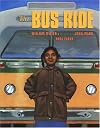
I loved this spin on Rosa Park's story of standing her ground on a segregated bus in the 1960s. William Miller truly transforms this historic event through the eyes of a child. It was so powerful to see a child as the main character, a child making a stand, a child being fearless, and a child becoming a hero. Rosa Parks made such a statement and inspired so many, and "The Bus Ride" lets children of all ages understand that they too can stand up for what they believe in despite what is widely show more accepted. Social justice is no longer an issue for solely for the grownups. show less
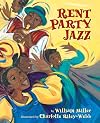
When Sonny's mom gets laid off from her job, the two are afraid they won't be able to pay rent. Sonny goes to look for a second job in the French Quarter when he runs into jazz musician Smilin Jack. Smilin Jack suggests they throw a rent party, a way to have fun and also raise enough money to pay the rent. He said they did this all the time in Mississippi. The party was a success, and got Sonny wanting to play jazz music too.
I loved this book. New Orleans as the setting was perfect, the show more dialogue between all the characters felt natural, and the art was beautiful. It didn't shy away from acknowledging racist housing polices, and showed the strength of a community who was tired of discrimination. show less
I loved this book. New Orleans as the setting was perfect, the show more dialogue between all the characters felt natural, and the art was beautiful. It didn't shy away from acknowledging racist housing polices, and showed the strength of a community who was tired of discrimination. show less
Lists
Awards


You May Also Like


Associated Authors
Statistics
- Works
- 12
- Members
- 1,740
- Popularity
- #14,777
- Rating
- 4.0
- Reviews
- 93
- ISBNs
- 192
- Languages
- 4