
Diane Wilson (2)
Author of The Seed Keeper
For other authors named Diane Wilson, see the disambiguation page.
Works by Diane Wilson
Associated Works
We Are Meant to Rise: Voices for Justice from Minneapolis to the World (2021) — Contributor — 32 copies, 2 reviews
Tagged
Common Knowledge
- Gender
- female
- Short biography
- Diane Wilson (Dakota) is the author of The Seed Keeper. She is also the author of a memoir, Spirit Car: Journey to a Dakota Past, which won a Minnesota Book Award and was selected for the One Minneapolis One Read program, as well as a nonfiction book, Beloved Child: A Dakota Way of Life, which was awarded the Barbara Sudler Award from History Colorado. Her most recent essay, “Seeds for Seven Generations,” was featured in the anthology A Good Time for the Truth: Race in Minnesota. Wilson has received a Bush Foundation Fellowship as well as awards from the Minnesota State Arts Board, the Jerome Foundation, and the East Central Regional Arts Council. In 2018, she was awarded a 50 Over 50 Award from Pollen/Midwest. Wilson is the executive director for the Native American Food Sovereignty Alliance, a national coalition of tribes and organizations working to create sovereign food systems for Native people. She is a Mdewakanton descendent, enrolled on the Rosebud Reservation, and lives in Shafer, Minnesota.
- Nationality
- USA
- Places of residence
- Shafer, Minnesota, USA
- Associated Place (for map)
- Minnesota, USA
Members
Reviews
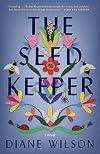
Rosalie Iron Wing is returning home. It's 2002, her white husband just died, and she simply leaves one day and stays in the cabin where she was raised by her father until his sudden death when she was a teenager. Between her father's isolation and the white families she was sent to live with in foster care, Rosalie has long been separated from her Dakhota heritage and family. And now, she takes stock of the past and is ready to move into the future.
Much of the narrative is in 2002 in show more Rosalie's voice, but we also get to see the past of her teenage years, meeting her husband, and building a life with him. The voice of her ancestor, friend Gaby, and others occasionally are interspersed in the narrative, giving us the full picture of the broken connections and trauma over the generations that brought Rosalie where she is today. Displacement, boarding schools, foster care all played a role. But there is hope in family, in the seeds that generations of women in Rosalie's family held onto, in Rosalie's garden, in the river itself that connects them all. Highly recommended. show less
Much of the narrative is in 2002 in show more Rosalie's voice, but we also get to see the past of her teenage years, meeting her husband, and building a life with him. The voice of her ancestor, friend Gaby, and others occasionally are interspersed in the narrative, giving us the full picture of the broken connections and trauma over the generations that brought Rosalie where she is today. Displacement, boarding schools, foster care all played a role. But there is hope in family, in the seeds that generations of women in Rosalie's family held onto, in Rosalie's garden, in the river itself that connects them all. Highly recommended. show less
[The Seed Keeper] is a beautiful novel that follows the life of a young woman of Dakhóta Native American descent, Rosalie Iron Wing, who is put into foster care after her parents die. Her journey to discovering her past and the past of her people is at the heart of the novel. Entwined with this, as in most of the Indigenous writing that I've read, is a respect and knowledge of the earth that we have unfortunately all but lost. Rosalie's memories of her father are predominantly of the show more Indigenous knowledge that he passed to her. As an adult, she learns more and more about gardening and farming and how to take only what you need from the earth. This relationship is complicated by her marriage to a white farmer, who she loves, but whose world view is very different from hers.
The book is framed with Rosalie's present day experiences and a flashback to her high school years leading up to middle age. There is also a voice of her great, great grandmother who tells the story of a battle between the Dakhótas and the white settlers. Her family story continues with the stealing of the children to go to a school for Indian children and describes all the ways these traumas have affective their communities. An additional voice of Rosalie's friend Gaby is included. Gaby is also a Dakhóta, but has a contrasting relationship with her heritage to Rosalie.
These competing timelines and voices are the only reason I'll knock a half star off of this book that I absolutely loved. I'm not sure Gaby's first person voice was totally necessary. And I'm not sure the Rosalie's story needed to be told in flashback. I did like the earlier story that was told alongside Rosalie's - that was very effective.
I'm so glad I read [Braiding Sweetgrass] early in the year because it really paved the way for me to understand more deeply what I've been reading this year from Indigenous authors. [The Seed Keeper] is a really wonderful book that addresses important history. It is emotional but not overly-sentimental, something that always turns me off. I highly recommend it and thank Beth, BLBera, for the recommendation. show less
The book is framed with Rosalie's present day experiences and a flashback to her high school years leading up to middle age. There is also a voice of her great, great grandmother who tells the story of a battle between the Dakhótas and the white settlers. Her family story continues with the stealing of the children to go to a school for Indian children and describes all the ways these traumas have affective their communities. An additional voice of Rosalie's friend Gaby is included. Gaby is also a Dakhóta, but has a contrasting relationship with her heritage to Rosalie.
These competing timelines and voices are the only reason I'll knock a half star off of this book that I absolutely loved. I'm not sure Gaby's first person voice was totally necessary. And I'm not sure the Rosalie's story needed to be told in flashback. I did like the earlier story that was told alongside Rosalie's - that was very effective.
I'm so glad I read [Braiding Sweetgrass] early in the year because it really paved the way for me to understand more deeply what I've been reading this year from Indigenous authors. [The Seed Keeper] is a really wonderful book that addresses important history. It is emotional but not overly-sentimental, something that always turns me off. I highly recommend it and thank Beth, BLBera, for the recommendation. show less
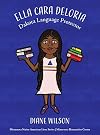
I really appreciate these short biographies of important Indigenous leaders. They pack a lot into a small package, and this one in particular is great at presenting Ella Cara Deloria through the lens of her Dakota background. The storytelling emphasizes the cultural importance of relationships and that theme is echoed throughout. It also plainly illustrates the additional strain that poverty puts on any kind of preservation work -- the moment when Deloria's research, and thus an entire show more language, was lost due to a late storage fee is just heartbreaking. And it vividly illustrates the critical importance of having representatives from a culture advocate for it against the mainstream -- while I'm sure the Dakota way of life means many things to the individuals who are part of it, an outsider will never have the insight to represent it the way someone who grew up within it can. show less

I love Native American history and read a lot of nonfiction about it, so when I saw The Seed Keeper by Diane Wilson I knew it was for me. A classically structured historical fiction novel, Wilson tells a multi-generational story about Native women through a number of voices, but the central character is Rosalie Iron Wing. A Dakhota from Minnesota, Rosalie faces many challenges in life, and we follow her through different periods of time--from her childhood in the woods to married life and show more back to her roots. “Maybe we all carry that instinct to return home, to the horizon line that formed us, to the place where we first knew the world.” The Seed Keeper is a beautiful book about the pull of family history, strong women, farming and gardening, and the brutal treatment of Native Americans by our country and our government. Highly recommended to readers of historical fiction, American history, and family sagas. A huge bonus--Wilson is an indigenous (Dakhota) author and the book is published by a small, independent press (Milkweed). show less
Lists
Awards


You May Also Like


Associated Authors
Statistics
- Works
- 6
- Also by
- 2
- Members
- 762
- Popularity
- #33,390
- Rating
- 4.1
- Reviews
- 33
- ISBNs
- 29
- Languages
- 1