
Ted Lewis (2) (1940–1982)
Author of Get Carter
For other authors named Ted Lewis, see the disambiguation page.
About the Author
Ted Lewis was born in Manchester, England in 1940. Lewis attended Hull Art School for four years. He worked as an animation specialist in television and films (among them the Beatles' Yellow Submarine). Lewis' first novel, All the Way Home and All the Night Through was published in 1965, followed show more by Jack's Return Home, subsequently retitled Get Carter after the success of the film of the same name starring Michael Caine, which created the noir school of British crime writing and pushed Lewis into the best-seller list. Lewis' novel GBH is available in reprint from Soho Press (April 2015). Ted Lewis died in 1982 having published seven more novels and written several episodes for the television series Z-Cars. (Bowker Author Biography) show less
Series
Works by Ted Lewis
Associated Works
Tagged
Common Knowledge
- Birthdate
- 1940
- Date of death
- 1982
- Gender
- male
- Places of residence
- Barton-upon-Humber, Lincolnshire, England, UK
- Associated Place (for map)
- England, UK
Members
Reviews
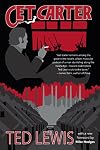
Highly influential British noir, and source for the brilliant (apparently) movie with Michael Caine that I've yet to see, Get Carter draws you into its tale of revenge and never lets go. Jack Carter is determined to find out who killed his brother, who died in a car crash with an unbelievable alcohol level. It doesn't matter that Jack and his brother Frank didn't get along, for which Frank apparently had ample reason as the story makes clear. Jack lives by a code and tracking down his show more brother's killers and the circumstances of how it happened is part of that code. Along the way, we are introduced to a very interesting set of gangsters, innocent bystanders (not that their innocence counts for much), and a few hangers-on who are in way over their heads. The story moves from one memorable scene to the next. The book has pretty much everything--violence, pornography, sex, you name it. It's a great read. So great in fact that the author was compelled to write two prequels. Why not sequels? Well, this book is definitely about burning bridges; let's just put it that way.
So far as the writing goes, it's very good. But Lewis is not a stylist on the order of Raymond Chandler. The writing's impact comes through the clear portrayal of a very brutal bunch of folks. Jack Carter doesn't come across as a hero to any extent--he's an intelligent thug, willing do do whatever it takes to get to what he wants--his disregard for the other characters' welfare is almost complete. And he doesn't care who he slaps around--male or female. I'll be interested to see how Michael Caine managed to play him. show less
So far as the writing goes, it's very good. But Lewis is not a stylist on the order of Raymond Chandler. The writing's impact comes through the clear portrayal of a very brutal bunch of folks. Jack Carter doesn't come across as a hero to any extent--he's an intelligent thug, willing do do whatever it takes to get to what he wants--his disregard for the other characters' welfare is almost complete. And he doesn't care who he slaps around--male or female. I'll be interested to see how Michael Caine managed to play him. show less

Are there villains more squalid and vile than the narrator of GBH? Answer is there none. No, wait. The answer is none there. Dammit. None. None more squalid nor vile. A pornographer and snuff merchant who tortures and murders his way through his own gangland mob when threatened by rivals, a wife and sidekick nearly as bad as him, cops in his pocket and enemies under his heel. But something is going on and it's hard to put his exposed electric wires on it. We know it all goes wrong, though, show more because the story is split into the past, The Smoke, with Fowler at the height of his power, and the present, The Sea, with Fowler hiding out at a deserted out-of-season beach resort.
The disintegration of his empire and the disintegration of his mind are told with wonderful, calm and literate prose, reflecting the urbane civility of the man with monsters underneath. Utterly brilliant, searing and harrowing as he is brought low first by his ego, and then by the tiny sliver of a conscience he doesn't even know he has. show less
The disintegration of his empire and the disintegration of his mind are told with wonderful, calm and literate prose, reflecting the urbane civility of the man with monsters underneath. Utterly brilliant, searing and harrowing as he is brought low first by his ego, and then by the tiny sliver of a conscience he doesn't even know he has. show less
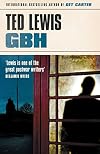
This is an important British noir. A psychotic sociopathic gangster George Fowler gets outplayed by the system and by his own paranoia and mental fragility. It has one flaw, however, that is appropriate for its thriller market but detracts from its status as a classic - exaggeration.
One exaggeration is that Fowler himself is an amalgam of Paul Raymond (who was not violent) and the Krays (who were not capable of sustained legitimate business management) with a partner in crime who is half show more Fiona Richmond and half something out of a more lurid Italian giallo.
The other exaggeration is the extent of corruption in the system. The coppers of the 1970s dealing with gangland businesses were as dodgy as hell but not quite to the level of organisational corruption suggested here. It makes a good story but obliges too great a suspension of disbelief.
We have been here before with Scerbanenco's 'Private Venus' (see our review of December 6th, 2020) and Richard Stark's 'The Hunter' (see our review of December 16th, 2020), both of which mythologise organised crime in a way that does not survive the test of time.
Lewis had varied fortunes with his books and died relatively young as an alcoholic. He also left London to return to his local small town after a failed marriage and an inability to build on his success as author of the novel behind the cult film, 'Get Carter'.
Once you know this and you have read the book, you know that 'GBH' is about the author as much as George Fowler, a fantasy spun around a reality of personal experience in which Fowler's mental state and the collapse of his world looks as if it echoes that of Lewis, at least in part.
And this is why the book is, despite the flaws, well worth reading. Lewis takes no prisoners in portraying a world centred not merely on pornography but on pornography that involves psychopathic torture and murder ('snuff movies') but he is also interested in suffering and loss.
In fact, while 'snuff movies' may exist (it is hard to prove that they do not although nearly all cases prove to be special effects), the scale of the industry and its normality within organised crime is yet another exaggeration for dramatic effect. Lewis keeps tipping us just over the edge of plausibility.
As a gangster story, 'GBH' thus does not stand up as well as its literary supporters seem to want it to do but as a psychological study of that grey area between an author and his creation, it begins to take on a new light and rise rapidly in status again.
What Lewis does well is plot his tale and construct characters and relationships that - if you accept the core problems as artistic licence - work well as a story line that pulls you in. Lewis is brilliant at evoking location and atmosphere whether a 1970s penthouse or a run-down seaside variety theatre.
Fowler himself does not entirely persuade because he seems simultaneously too hysterical and yet too articulate and 'middle class' in tone to represent the Kray side of the story while the 'Richardsons' of the story (the Stephensons) are shallowly presented as exceptionally stupid.
But the corrupt policeman Collins and the vicious and perverted cold killer Mickey 'come alive' as do characters such as Eddie, the third rate local promoter, and the various bar men who scatter the tale. The strange psychosis cleverly leaves a doubt whether we are dealing with a revenant.
Lewis adopts an unusual narrative style which has very short chapters alternating as 'Smoke' and Sea' telling two tales concurrently that are actually successive in time. 'Smoke' evokes the organised crime world of 1970s London and 'Sea' the dereliction of an out-of season seaside resort.
This is very skilled writing, managing to maintain pace along two tracks without allowing the second story to give the game away in the first - everything has to be wrapped up at the end in a different authorial voice and we do not mind. The final chapter leaves a mystery intact.
There really are unexpected twists and you may need a strong stomach for two or three short scenes of violence - both intended and accidental. The book is both filmic and unfilmable (at least not without taking out of the story some of its central mystery).
One senses a writer who knew real sociopaths, was fascinated and horrified by them at the same time but was certainly not one himself. Lewis does not really get to the core of a sociopath's mind here, however. Fowler sits as a sociopath by conduct but not entirely by thought patterns.
The grief and suffering of Fowler in the second story line come from the experience of a different type of human being to the one who created a criminal empire based on the most extreme forms of vice.
This is less of a problem if we stop trying to understand the mind of a violent pornographer in the snuff trade and a participant in violent orgies and see him rather just as a troubled human being whose paranoiac intelligence is just not up to understanding the logic of a real plot against him.
Perhaps my sense that Lewis was exorcising all sorts of demons when he wrote this novel is an over-simplistic reaction (after all, who can know another mind) but it is rare to find what was clearly intended to be a popular thriller rising to this higher level of flawed psychological subtlety. show less
One exaggeration is that Fowler himself is an amalgam of Paul Raymond (who was not violent) and the Krays (who were not capable of sustained legitimate business management) with a partner in crime who is half show more Fiona Richmond and half something out of a more lurid Italian giallo.
The other exaggeration is the extent of corruption in the system. The coppers of the 1970s dealing with gangland businesses were as dodgy as hell but not quite to the level of organisational corruption suggested here. It makes a good story but obliges too great a suspension of disbelief.
We have been here before with Scerbanenco's 'Private Venus' (see our review of December 6th, 2020) and Richard Stark's 'The Hunter' (see our review of December 16th, 2020), both of which mythologise organised crime in a way that does not survive the test of time.
Lewis had varied fortunes with his books and died relatively young as an alcoholic. He also left London to return to his local small town after a failed marriage and an inability to build on his success as author of the novel behind the cult film, 'Get Carter'.
Once you know this and you have read the book, you know that 'GBH' is about the author as much as George Fowler, a fantasy spun around a reality of personal experience in which Fowler's mental state and the collapse of his world looks as if it echoes that of Lewis, at least in part.
And this is why the book is, despite the flaws, well worth reading. Lewis takes no prisoners in portraying a world centred not merely on pornography but on pornography that involves psychopathic torture and murder ('snuff movies') but he is also interested in suffering and loss.
In fact, while 'snuff movies' may exist (it is hard to prove that they do not although nearly all cases prove to be special effects), the scale of the industry and its normality within organised crime is yet another exaggeration for dramatic effect. Lewis keeps tipping us just over the edge of plausibility.
As a gangster story, 'GBH' thus does not stand up as well as its literary supporters seem to want it to do but as a psychological study of that grey area between an author and his creation, it begins to take on a new light and rise rapidly in status again.
What Lewis does well is plot his tale and construct characters and relationships that - if you accept the core problems as artistic licence - work well as a story line that pulls you in. Lewis is brilliant at evoking location and atmosphere whether a 1970s penthouse or a run-down seaside variety theatre.
Fowler himself does not entirely persuade because he seems simultaneously too hysterical and yet too articulate and 'middle class' in tone to represent the Kray side of the story while the 'Richardsons' of the story (the Stephensons) are shallowly presented as exceptionally stupid.
But the corrupt policeman Collins and the vicious and perverted cold killer Mickey 'come alive' as do characters such as Eddie, the third rate local promoter, and the various bar men who scatter the tale. The strange psychosis cleverly leaves a doubt whether we are dealing with a revenant.
Lewis adopts an unusual narrative style which has very short chapters alternating as 'Smoke' and Sea' telling two tales concurrently that are actually successive in time. 'Smoke' evokes the organised crime world of 1970s London and 'Sea' the dereliction of an out-of season seaside resort.
This is very skilled writing, managing to maintain pace along two tracks without allowing the second story to give the game away in the first - everything has to be wrapped up at the end in a different authorial voice and we do not mind. The final chapter leaves a mystery intact.
There really are unexpected twists and you may need a strong stomach for two or three short scenes of violence - both intended and accidental. The book is both filmic and unfilmable (at least not without taking out of the story some of its central mystery).
One senses a writer who knew real sociopaths, was fascinated and horrified by them at the same time but was certainly not one himself. Lewis does not really get to the core of a sociopath's mind here, however. Fowler sits as a sociopath by conduct but not entirely by thought patterns.
The grief and suffering of Fowler in the second story line come from the experience of a different type of human being to the one who created a criminal empire based on the most extreme forms of vice.
This is less of a problem if we stop trying to understand the mind of a violent pornographer in the snuff trade and a participant in violent orgies and see him rather just as a troubled human being whose paranoiac intelligence is just not up to understanding the logic of a real plot against him.
Perhaps my sense that Lewis was exorcising all sorts of demons when he wrote this novel is an over-simplistic reaction (after all, who can know another mind) but it is rare to find what was clearly intended to be a popular thriller rising to this higher level of flawed psychological subtlety. show less
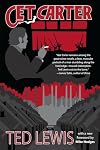
This is considered to be an iconic or canonical crime novel. In it we follow Jack Carter, who has returned to his northern English home town for his brother Frank's funeral and to find out how Frank could have died the way he did. A teetotalling careful driver like Frank does not down an entire bottle of whisky and then drive off the road into a gully. But Jack has to be careful, because there are interests in town that may be on his trail for raising these sorts of questions in the first show more place.
While the story itself certainly kept me reading (and I thought it ended on an interesting note), I did feel mildly sick by the end of it. Women do not fare well in Jack Carter's world, being routinely slapped around by friends and foes alike and exhibiting (sometimes highly) sexualized behaviour, which sometimes but not always keeps the men in their lives off their case. The violence feels bone-crunchingly realistic, and it's difficult to know whose side you should be on depending on who's committing the violence. Jack Carter as a narrator naturally demands a fair bit of readerly sympathy, especially when he comes up with deft turns of phrase (e.g. describing a thin-but-paunchy man as having a barrage balloon for a gut), but at the same time he commits acts that are hard to come to terms with.
The rating I've given is intended to reflect that I recognize the book's status in the pantheon of crime fiction but would not care to spend any more time with Carter, despite there being two more books in the trilogy that bears his name. I've also decided I probably don't need to see the movie. show less
While the story itself certainly kept me reading (and I thought it ended on an interesting note), I did feel mildly sick by the end of it. Women do not fare well in Jack Carter's world, being routinely slapped around by friends and foes alike and exhibiting (sometimes highly) sexualized behaviour, which sometimes but not always keeps the men in their lives off their case. The violence feels bone-crunchingly realistic, and it's difficult to know whose side you should be on depending on who's committing the violence. Jack Carter as a narrator naturally demands a fair bit of readerly sympathy, especially when he comes up with deft turns of phrase (e.g. describing a thin-but-paunchy man as having a barrage balloon for a gut), but at the same time he commits acts that are hard to come to terms with.
The rating I've given is intended to reflect that I recognize the book's status in the pantheon of crime fiction but would not care to spend any more time with Carter, despite there being two more books in the trilogy that bears his name. I've also decided I probably don't need to see the movie. show less
Lists
Awards

You May Also Like


Associated Authors
Statistics
- Works
- 12
- Also by
- 1
- Members
- 559
- Popularity
- #44,692
- Rating
- 3.9
- Reviews
- 17
- ISBNs
- 90
- Languages
- 4