
Richard Hamilton (1) (1960–)
Author of Cal and the Amazing Anti-Gravity Machine
For other authors named Richard Hamilton, see the disambiguation page.
About the Author
Image credit: Richard Hamilton (1)
Series
Works by Richard Hamilton
Associated Works
Theories and Documents of Contemporary Art: A Sourcebook of Artists' Writings (1995) — Contributor — 415 copies, 1 review
The First Pop Age: Painting and Subjectivity in the Art of Hamilton, Lichtenstein, Warhol, Richter, and Ruscha (2011) — Cover photo, some editions — 26 copies
Tagged
Common Knowledge
- Birthdate
- 1960
- Gender
- male
- Education
- University of Bristol
- Occupations
- children's book author
librarian - Organizations
- British Broadcasting Corporation
- Nationality
- England
UK - Birthplace
- Devon, England, UK
- Associated Place (for map)
- England, UK
Members
Reviews
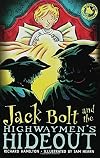
When a gang of 18th century highwaymen break into Jack Bolt's bedroom, they are in for quite a surprise--they've landed in the 21st century! Luckily for them, Jack agrees to keep their time-traveling secret to himself, if they agree to show him what it's like in the 18th Century. Jack soon realizes that the past is far from safe, and he finds himself caught up in a breathtaking and dangerous adventure.
This galloping and swashbuckling tale will delight all would-be time travelers from show more beginning to end. show less
This galloping and swashbuckling tale will delight all would-be time travelers from show more beginning to end. show less
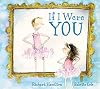
In my opinion, this is a great children’s book for many reasons. First, the illustrations enhanced the story tremendously and were very appropriate for the mood of the story. I felt this way because, the main characters take turns using their imaginations to think of impossible situations and the illustrations were there to show the audience what that imaginable situation looked like from the perspective of the characters. Additionally, I really enjoyed the language that was used in the show more story because it was very descriptive and followed a pattern. I noticed this pattern and creativeness when the author chose to use rhyming words for each characters explanation of their next imaginable situation. Another reason why I enjoyed the story was because I found the characters to be very relatable. The main characters were a father and a daughter who were spending time together before bed having fun with their imagination. I feel like a situation like this could happen often between a father and daughter or any parent and child which makes it easy for the audience to relate to it. Overall I found this book to be a fun and enjoyable story for kids to read and rhyme with while looking at entertaining illustrations. Additionally, I believe that the overall message of this story is that imagination can really create a whole new world for children. show less
This book is hilarious! It show cases the relationship a father and daughter have. Through out the story they say, "If I were you..." and funny situations would occur. Some they both agreed on, others not too much. The illustrations compliment the theme of the book....Love!

Mark Blunden
(October 2015)
Wartime paintings by one of the pioneers of Pop Art that vanished for more than half a century have been discovered in the attic of a London family home.
Ten works by the artist Richard Hamilton depicting the nursery rhyme Tinker, Tailor, Soldier, Sailor were found stashed away in an envelope in a Kilburn loft.
Hamilton, who died in 2011, was believed to have been commissioned to create the paintings on paper to illustrate a children’s book.
Each of the signed works, show more executed in gouache — a more opaque form of water-soluable paint — measures 30cm by 38cm.
Hamilton is said to have used the gouaches to pay rent to the landlords of his future wife, Terry O’Reilly, in north-west London.
He put them inside an envelope and stored them in the attic of his Kilburn home in the Sixties, where they lay undisturbed until last year.
The homeowner, who wishes to remain anonymous, realised their importance when he saw a retrospective of Hamilton’s work at the Tate Modern last year.
He then contacted the Alan Cristea Gallery in Mayfair, whose owner was friends with Hamilton for nearly 40 years.
The gallery declined to give details about the paintings’ value, but other Richard Hamiltons sell for an average of almost £40,000.
Mr Cristea said: “These works have been sitting in an envelope for over 50 years and my instinct is to keep them safe until I can reveal them to the public and can set about ensuring they find a home in a museum collection alongside all the other work that they presage.”
The landlords pinned the paintings on the walls of their children’s nursery, and when they sold the house, their now grown-up son kept the artworks.
He put them inside an envelope and stored them in the attic of his Kilburn home in the Sixties, where they lay undisturbed until last year. show less
(October 2015)
Wartime paintings by one of the pioneers of Pop Art that vanished for more than half a century have been discovered in the attic of a London family home.
Ten works by the artist Richard Hamilton depicting the nursery rhyme Tinker, Tailor, Soldier, Sailor were found stashed away in an envelope in a Kilburn loft.
Hamilton, who died in 2011, was believed to have been commissioned to create the paintings on paper to illustrate a children’s book.
Each of the signed works, show more executed in gouache — a more opaque form of water-soluable paint — measures 30cm by 38cm.
Hamilton is said to have used the gouaches to pay rent to the landlords of his future wife, Terry O’Reilly, in north-west London.
He put them inside an envelope and stored them in the attic of his Kilburn home in the Sixties, where they lay undisturbed until last year.
The homeowner, who wishes to remain anonymous, realised their importance when he saw a retrospective of Hamilton’s work at the Tate Modern last year.
He then contacted the Alan Cristea Gallery in Mayfair, whose owner was friends with Hamilton for nearly 40 years.
The gallery declined to give details about the paintings’ value, but other Richard Hamiltons sell for an average of almost £40,000.
Mr Cristea said: “These works have been sitting in an envelope for over 50 years and my instinct is to keep them safe until I can reveal them to the public and can set about ensuring they find a home in a museum collection alongside all the other work that they presage.”
The landlords pinned the paintings on the walls of their children’s nursery, and when they sold the house, their now grown-up son kept the artworks.
He put them inside an envelope and stored them in the attic of his Kilburn home in the Sixties, where they lay undisturbed until last year. show less
You May Also Like


Associated Authors
Statistics
- Works
- 19
- Also by
- 2
- Members
- 223
- Popularity
- #100,549
- Rating
- 3.5
- Reviews
- 6
- ISBNs
- 141
- Languages
- 12