
John Barton (1) (1948–)
Author of A History of the Bible: The Book and Its Faiths
For other authors named John Barton, see the disambiguation page.
About the Author
John Barton is Oriel and Laing Professor of the Interpretation of Holy Scripture, University of Oxford.
Image credit: Oxford University Faculty of Theology
Series
Works by John Barton
The Old Testament : canon, literature and theology : collected essays of John Barton (2007) 11 copies
Die Einheit der Schrift und die Vielfalt des Kanons = The unity of Scripture and the diversity of the canon (2003) 3 copies
Reading and Interpreting the Bible 2 copies
The Future of Old Testament Study: An Inaugural Lecture Delivered Before the University of Oxford on 12 November 1992 (Inaugural Lectures) (1993) 2 copies
Marcion Revisited 2 copies
Associated Works
The Ten Commandments: The Reciprocity of Faithfulness (Library of Theological Ethics) (2004) — Contributor — 56 copies
The New Cambridge History of the Bible: Volume 1, From the Beginnings to 600 (2013) — Contributor — 37 copies
The Anglican Covenant: Unity and Diversity in the Anglican Communion (Affirming Catholicism) (2008) — Contributor — 22 copies
The Bible in Ethics: The Second Sheffield Colloquium (The Library of Hebrew Bible/Old Testament Studies) (1995) — Contributor — 13 copies
Biblical & Near Eastern Essays (Library Hebrew Bible/Old Testament Studies) (2004) — Contributor — 12 copies
Derrida's Bible: (Reading a Page of Scripture with a Little Help from Derrida) (Religion/Culture/Critique) (2004) — Contributor — 9 copies
Within the Love of God: Essays on the Doctrine of God in Honour of Paul S. Fiddes (2014) — Contributor — 9 copies
Crossing the boundaries : essays in Biblical interpretation in honour of Michael D. Goulder (1994) — Contributor — 6 copies
Tagged
Common Knowledge
- Birthdate
- 1948-06-17
- Gender
- male
- Education
- University of Oxford (Keble College ∙ BA ∙ 1973)
University of Oxford (Keble College|MA|1973)
University of Oxford (Merton College ∙ DPhil ∙ 1974)
University of Oxford (St. Cross College ∙ DLitt ∙ 1988) - Occupations
- Professor of the Interpretation of Holy Scripture
priest, Church of England
Canon theologian - Organizations
- General Synod, Church of England
Norwegian Academy of Arts and Sciences
Society for Old Testament Study
University of Oxford - Awards and honors
- Fellow of the British Academy
- Nationality
- UK
- Birthplace
- London, England, UK
- Places of residence
- Abingdon, Oxfordshire, England, UK
- Associated Place (for map)
- England, UK
Members
Discussions
Old Testament Source Bible in Christianity (July 2023)
Reviews
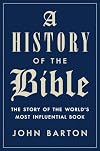
Despite Barton being an Anglican priest, there is not a whole lot of difference between his history of the bible and Bart Ehrman's. Barton acknowledges the corruption of biblical texts, the contradictions within the gospels, and makes a good case that no one studying the current beliefs and organization of either Christianity or Judaism would be able to find a lot of it in the bible. Nor would someone reading the bible, conceive of Christianity and Judaism as they exist today. Throughout, show more his writing is clear, and his selections of texts from the bible or from biblical scholars are all excellent. Barton will make you appreciate and want to delve more into the stories in the bible, even if you aren't a believer. Throughout it all, Barton somehow maintains his own belief in the core story of Christianity, the salvation to be received through belief in Jesus Christ. This shows how powerful belief can be, because as I stated at the outset, Barton's analysis of the bible is not one that most Christians would agree with--or even read all the way through! I highly recommend this honest analysis by a person of faith. show less

Author John Barton, a priest in the Anglican Church and Oxford professor, reflects the influence of both institutions in this long and detailed history of the Bible and how it developed.
He calls the Bible a “melee of materials”: a collection of folk memories, myths, and aphorisms subject to vagaries of translation over the years. He avers that “the history of the Bible is the story of the interplay between the religion and the book—neither mapping exactly onto the other.”
For show more example, there are absolutely central doctrines in Christianity, such as that of the Trinity; the “real presence” (in Catholicism); or the organization of the Church itself, that are almost entirely absent from the New Testament. Barton states, “One of my purposes in this book is to demonstrate that there really are irreconcilables: that the faiths that appeal to the Bible are not totally congruent with it, though they are clearly closely related.”
He points out that all printed versions of the New Testament (and he analyses all the major ones) are based on the comparison of various different ancient manuscripts. Therefore an appeal to the exact wording of the New Testament is fraught with difficulty because of the lack of an agreed text. As Barton says:
"To attribute religious authority to such a document stretches the word ‘authority’ to its limits, and can only be sustained by devising special ways of iinterpreting this book that differ from those in which others are interpreted."
This does not, however, stop religious adherents from claiming doctrines are irrefutable because “the Bible says….”
In addition, Jews and Christians both read their version of the Bible as if it were a single book with a consistent theme, but their respective themes are quite different. The Old Testament is one characterized by the themes of violence and revenge; the New Testament is all about redemption. Christians emphasize the story of “The Fall” in Eden as an event from which mankind must be “redeemed,” and see the suffering and death of Jesus as the mechanism by which the redemption is effected. Moreover they employ some very strained interpretations of Delphic prophesies in the Old Testament as applying to or “prefiguring” events in the life of Jesus. Jews, on the other hand, ascribe little importance to the story of Adam and Eve, and view the Hebrew Bible as a narration of God’s continuing interaction with his chosen people.
Then there is the problem that many passages of the Bible are absurd on their face or at least highly incredible to a modern scientifically educated reader. That is not a new problem for believers. As early as the second century, Christian apologists struggled with some Old Testament passages. Origen was the Christian scholar who came up with the ultimate technique of interpretation that protected the Bible from criticism for its absurdities and inconsistencies. He said that it should always be interpreted allegorically—to him, the literal meaning of the text was relatively unimportant (and thus, it could be outright false) because the real meaning was hidden or stated indirectly.
Indeed, the need for translation and interpretation represents one of the most enduring problems of the Bible. Translators often could not come up with literal meanings to correspond to those in the documents they worked with, and thus individual beliefs, pedagogical orientations, and cultural agendas colored their work.
Translators and interpreters had more barriers than just lacking a Rosetta Stone for their work. For example, scrolls of the Hebrew Scriptures contain only consonants, forcing the reader into a creative process by having to determine contextual connections and inflections. This situation led to a large body of work in Judaism (specifically, the Talmud and the Midrash) to interpret the sacred texts. Early Jewish sages viewed the lack of “pure” or “objective” truth as positive: one must come to faith by active intellectual engagement. Christian scholars were more oriented towards finding the “essential truth” revealed by the Bible, and thus a great deal of violence has been exercised over the years in the attempt to establish a “definitive” version of religious “truth.”
Another interesting issue in translating the Bible is that the original versions of the various books, having been written by different people, manifest substantially different levels of sophistication and eloquence. For example, the original Greek of Mark is rather rough, whereas Luke and Matthew show a higher level of education. Moreover, Revelation (or the “Apocalypse”) is often ungrammatical. And yet, every English, German, and French translation has chosen to translate every book in a single “voice,” as if it was written by the same person. In fact, the King James Version of the English Bible is often pointed to as a paradigm of excellence in English composition. Barton thinks much could be gained by preserving the variation in diction in the original to the extent practicable.
It should be noted, however, that freedom to interpret in Judaism went only so far; the great Jewish philosopher Benedict Spinoza, now recognized as one of the founders of biblical criticism, was excommunicated for calling into question a literal interpretation of the Bible, rejecting the idea that the Bible consisted of “inspired truths.” His distinction between knowledge and logic on the one hand, and obedience to faith on the other, did not endear him to religious authorities; in 1656 he was cast out of the Jewish community. He believed the Bible should be read and interpreted just like any other book. He rejected the possibility of miracles and doubted the accepted authorship of some of the Old Testament books, proving for example that Moses could not have written all the books of the Pentateuch. One of his most innovative concepts was that people in biblical times thought differently from modern people, an idea that had not been clearly articulated before.
Spinoza might have been pleased by Barton’s use of comprehensive scholarship in an attempt to right the misconception that the Bible has one definitive meaning. He shows the stories in the Bible are diverse in style and content, contradictory, and reflect different historical needs. He contends that the assertion of a perfect fit between scripture and the faiths of either Judaism or Christianity is totally without justification, given the history that he so ably elucidates.
Evaluation: This book is an excellent and consistently interesting must-read for students of religion. As for Fundamentalists, they wouldn’t like it….
(JAB) show less
He calls the Bible a “melee of materials”: a collection of folk memories, myths, and aphorisms subject to vagaries of translation over the years. He avers that “the history of the Bible is the story of the interplay between the religion and the book—neither mapping exactly onto the other.”
For show more example, there are absolutely central doctrines in Christianity, such as that of the Trinity; the “real presence” (in Catholicism); or the organization of the Church itself, that are almost entirely absent from the New Testament. Barton states, “One of my purposes in this book is to demonstrate that there really are irreconcilables: that the faiths that appeal to the Bible are not totally congruent with it, though they are clearly closely related.”
He points out that all printed versions of the New Testament (and he analyses all the major ones) are based on the comparison of various different ancient manuscripts. Therefore an appeal to the exact wording of the New Testament is fraught with difficulty because of the lack of an agreed text. As Barton says:
"To attribute religious authority to such a document stretches the word ‘authority’ to its limits, and can only be sustained by devising special ways of iinterpreting this book that differ from those in which others are interpreted."
This does not, however, stop religious adherents from claiming doctrines are irrefutable because “the Bible says….”
In addition, Jews and Christians both read their version of the Bible as if it were a single book with a consistent theme, but their respective themes are quite different. The Old Testament is one characterized by the themes of violence and revenge; the New Testament is all about redemption. Christians emphasize the story of “The Fall” in Eden as an event from which mankind must be “redeemed,” and see the suffering and death of Jesus as the mechanism by which the redemption is effected. Moreover they employ some very strained interpretations of Delphic prophesies in the Old Testament as applying to or “prefiguring” events in the life of Jesus. Jews, on the other hand, ascribe little importance to the story of Adam and Eve, and view the Hebrew Bible as a narration of God’s continuing interaction with his chosen people.
Then there is the problem that many passages of the Bible are absurd on their face or at least highly incredible to a modern scientifically educated reader. That is not a new problem for believers. As early as the second century, Christian apologists struggled with some Old Testament passages. Origen was the Christian scholar who came up with the ultimate technique of interpretation that protected the Bible from criticism for its absurdities and inconsistencies. He said that it should always be interpreted allegorically—to him, the literal meaning of the text was relatively unimportant (and thus, it could be outright false) because the real meaning was hidden or stated indirectly.
Indeed, the need for translation and interpretation represents one of the most enduring problems of the Bible. Translators often could not come up with literal meanings to correspond to those in the documents they worked with, and thus individual beliefs, pedagogical orientations, and cultural agendas colored their work.
Translators and interpreters had more barriers than just lacking a Rosetta Stone for their work. For example, scrolls of the Hebrew Scriptures contain only consonants, forcing the reader into a creative process by having to determine contextual connections and inflections. This situation led to a large body of work in Judaism (specifically, the Talmud and the Midrash) to interpret the sacred texts. Early Jewish sages viewed the lack of “pure” or “objective” truth as positive: one must come to faith by active intellectual engagement. Christian scholars were more oriented towards finding the “essential truth” revealed by the Bible, and thus a great deal of violence has been exercised over the years in the attempt to establish a “definitive” version of religious “truth.”
Another interesting issue in translating the Bible is that the original versions of the various books, having been written by different people, manifest substantially different levels of sophistication and eloquence. For example, the original Greek of Mark is rather rough, whereas Luke and Matthew show a higher level of education. Moreover, Revelation (or the “Apocalypse”) is often ungrammatical. And yet, every English, German, and French translation has chosen to translate every book in a single “voice,” as if it was written by the same person. In fact, the King James Version of the English Bible is often pointed to as a paradigm of excellence in English composition. Barton thinks much could be gained by preserving the variation in diction in the original to the extent practicable.
It should be noted, however, that freedom to interpret in Judaism went only so far; the great Jewish philosopher Benedict Spinoza, now recognized as one of the founders of biblical criticism, was excommunicated for calling into question a literal interpretation of the Bible, rejecting the idea that the Bible consisted of “inspired truths.” His distinction between knowledge and logic on the one hand, and obedience to faith on the other, did not endear him to religious authorities; in 1656 he was cast out of the Jewish community. He believed the Bible should be read and interpreted just like any other book. He rejected the possibility of miracles and doubted the accepted authorship of some of the Old Testament books, proving for example that Moses could not have written all the books of the Pentateuch. One of his most innovative concepts was that people in biblical times thought differently from modern people, an idea that had not been clearly articulated before.
Spinoza might have been pleased by Barton’s use of comprehensive scholarship in an attempt to right the misconception that the Bible has one definitive meaning. He shows the stories in the Bible are diverse in style and content, contradictory, and reflect different historical needs. He contends that the assertion of a perfect fit between scripture and the faiths of either Judaism or Christianity is totally without justification, given the history that he so ably elucidates.
Evaluation: This book is an excellent and consistently interesting must-read for students of religion. As for Fundamentalists, they wouldn’t like it….
(JAB) show less
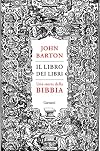
Non so quante versioni e edizioni di questo libro ho conosciuto, sfogliato e raccolto nel corso del tempo. Ricordo che ci fu un periodo in cui la Bibbia era venduta (non saprei dire se letta) a fascicoli settimanali in tutte le edicole d’Italia. Mio padre, oltre che tipografo, era anche un rilegatore, per anni ha fatto questo lavoro con i libri.
Le piccole biblioteche di casa degli Italiani di un paio di generazioni sono piene di questi libri. Almeno lo sono state. Oggi non so cosa le show more gente colleziona. Edizioni di cinque, dieci ed anche più volumi che venivano tutti allineati bellamente nel salotto di casa da chi a stento sapeva leggere e credeva anche di poter farsi una cultura. Religiosa o laica, a fascicoli.
Chi se lo poteva permettere, affiancava a questi libri qualcosa di più: i volumi della mitica Treccani che “guerreggiava” spesso con la Britannica, per chi si atteggiava a conoscere la lingua inglese. Oggi, questo tipo di “cultura”, che si manifestava tutta cartacea e patinata, con illustrazioni in quadricromie e copertine in finta pelle, fa parte del museo della memoria.
Posseggo ancora una versione su cassette della Bibbia letta e drammatizzata in inglese, (vedi la foto) oltre a diverse edizioni in video dei Comandamenti di un famoso regista. Nel giro di un ventennio questo libro che è, a dire il vero, una biblioteca, te lo puoi portare appresso sul tuo cellulare.
Un libro, un “testo” sia laico che sacro, diventato il nucleo centrale della cultura occidentale. Ha influenzato la letteratura, la musica, le arti, la nostra stessa storia e le istituzioni. Tuttora le case editrici in tutto il mondo stampano e vendono milioni di copie, anche se continua ad essere un libro piuttosto difficile sotto diversi punti di vista.
Rimane, comunque, il “nutrimento” della fede cristiana. L’autore di questo recente libro in lingua inglese John Barton, pubblicato anche in versione Kindle per pochi euro, cerca di rispondere alla domanda su quanto questa “biblioteca”, formata da una cinquantina di altri libri, continua ad interessare nel mondo di oggi.
Il titolo la dice tutta: “Una storia della Bibbia”. Si sarebbe potuto benissimo chiamare “Una Guida alla Bibbia” in quanto offre al lettore il racconto di come tanti libri, così diversi tra di loro, possano essere stati scritti e accettati come libri guida, (si dice canonici). Ma spiega anche come gli stessi, nel corso dei secoli, siano stati interpretati ed usati per vari e diversi scopi. Il libro di Barton, non a caso, ha per sottotitolo “Il Libro e le sue Fedi”. Si riferisce a quella sia dei Cristiani che degli Ebrei.
C’è un intero capitolo dedicato alla scrittura del libro, vista alla luce delle varie trascrizioni dalle migliaia di papiri sui quali i testi vennero scritti i quali contengono numerose differenze. In un altro capitolo, l’autore discute le svariate traduzioni antiche e moderne fatte nel corso dei secoli e mette in guardia i lettori sulle tante e diverse interpretazioni possibili, incluse quelle dei vari addetti a comunicare la parola del “Signore”.
La Bibbia contiene molti generi narrativi: racconti, metafore, parabole, testi di legge, salmi, profezie, canti e poesie, proverbi. Gran parte delle Scritture Ebraiche, che corrispondono all’Antico Testamento Cristiano, furono scritte a partire dall’ottavo fino al secondo secolo avanti Cristo.
Risulta molto difficile pertanto tracciare la storicità di quello che ci viene raccontato. Si può anche dubitare della figura di Mosè e della cacciata degli Ebrei dall’Egitto. Burton mette in guardia anche il lettore dai cambiamenti di opinione dei vari studiosi che si sono susseguiti nei secoli.
Per quanto riguarda il Nuovo Testamento, l’autore pone in evidenza le differenze narrative contraddittorie dei quattro Vangeli. Gli studiosi moderni hanno messo in luce le molte contraddizioni nella narrazione, contrariamente a quanto hanno fatto nei secoli i diversi approcci ai testi nella traduzione degli stessi.
Un esempio di queste contraddizioni lo si può vedere nel Vangelo di Marco che è anteriore a quello di Giovanni. Quando quest’ultimo sceglie lo stesso Gesù come messaggio, luce e vita del mondo, diventa difficile ricostruire e narrare la sua vicenda. E’ vero che l’arricchisce da un punto di vista letterario, ma mette in luce la figura di Cristo in maniera diversa dagli altri evangelisti.
Uno dei temi centrali in questa situazione è che, sia per i Cristiani che per gli Ebrei, la religione conta di più di quanto possa contare la Bibbia. Il libro viene ad essere collocato in una prospettiva particolare, cioè diventa una “regola di fede”. Il “narrato” diventa “parola” divina. Le due religioni, quella dei Cristiani e quella degli Ebrei vengono a trovarsi in tal modo su due posizioni molto diverse.
L’Ebraismo sceglie la pratica come legge proveniente sia dal Talmud come dalle Scritture. I Cristiani, dal canto loro, nella Bibbia leggono una narrativa sulla caduta degli uomini nel peccato e nella venuta di Cristo al mondo una maniera per salvarsi e conquistare la vita eterna. I Cristiani amano i profeti. Per gli Ebrei il Pentateuco, i primi cinque libri, viene letto regolarmente e sono i libri che contano. Ai profeti si dà poco conto.
John Barton ci descrive la situazione riguardante la lettura del libro da parte degli Ebrei e dei Cristiani come due cerchi che si sovrappongono. Entrambi le religioni attingono alle Scritture ma in maniera diversa, mentre altre parti sono completamente ignorate. Questi due diversi modi di “leggere” sono causa del conflitto tra le due fedi.
I Cristiani hanno tradizionalmente interpretato le Scritture Ebraiche come accadimenti superati. L’Ebraismo è considerato un fossile sopravvissuto. Un possibile incontro tra le due fedi deve partire dai Cristiani i quali dovrebbero considerare l’Ebraismo come una religione che vive, per questa ragione valida di per sè.
Ma cosa accadrebbe poi all’idea Cristiana che Dio ha preparato la via tramite Cristo al popolo scelto? L’Ebraismo continuerebbe ad essere una fede solo per gli Ebrei, il Cristianesimo solo per i non Ebrei.
La Bibbia potrebbe continuare essere considerata come la parola ispirata da Dio pur essendo stata scritta da esseri umani non infallibili. Burton sostiene che questo libro non può essere considerato tale. Può contenere errori e limitazioni, sono la loro stessa identità di scritture a dirlo.
Egli non si limita soltanto a criticare il fondamentalismo dei Cattolici i quali continuano a sostenere che quelle pagine sono essenziali per la loro fede. Barton sostiene che la Bibbia racconta storie alle quali dovremmo credere. Esse creano un mondo nel quale le stesse ci fanno entrare con la nostra immaginazione.
I Luterani però spesso dicono che la Bibbia ci parla di cose che noi stessi non possiamo raccontare se non dopo di aver letto il libro. Un Libro con la maiuscola. Ce ne sono anche altri di libri simili, oltre quelli che appartengono alla biblioteca chiamata Bibbia. Proprio mentre leggevo questo libro in inglese mi sono imbattuto nella recensione di un libro scritto su un altro libro, “scrittura sacra” anch’essa. Quella musulmana, la terza delle religioni monoteistiche: l’Islam.
Anche questa religione poggia tutta la sua forza di fede su un libro: il Corano. Nell’intervista apparsa su “La Lettura” l’autore Adrien Candiard, un frate domenicano che vive in Egitto. Ha scritto un libro per il quale è stato intervistato. Egli dice che”la Bibbia è prosa, il Corano è poesia”, per questa ragione l’Islam è così complicato”.
Non l’ho ancora letto, non so se lo leggerò. Mi vien da pensare e poi dire che tra prosa e poesia, la vita degli uomini, nonostante tutti i libri che sono stati scritti, ieri come oggi, oggi come domani, continuerà ad essere avvolta in quella che il Qohelet chiamò “Hebel”, nebbia. Anche allora i libri erano troppi. E noi continuiamo a leggere libri ... show less
Le piccole biblioteche di casa degli Italiani di un paio di generazioni sono piene di questi libri. Almeno lo sono state. Oggi non so cosa le show more gente colleziona. Edizioni di cinque, dieci ed anche più volumi che venivano tutti allineati bellamente nel salotto di casa da chi a stento sapeva leggere e credeva anche di poter farsi una cultura. Religiosa o laica, a fascicoli.
Chi se lo poteva permettere, affiancava a questi libri qualcosa di più: i volumi della mitica Treccani che “guerreggiava” spesso con la Britannica, per chi si atteggiava a conoscere la lingua inglese. Oggi, questo tipo di “cultura”, che si manifestava tutta cartacea e patinata, con illustrazioni in quadricromie e copertine in finta pelle, fa parte del museo della memoria.
Posseggo ancora una versione su cassette della Bibbia letta e drammatizzata in inglese, (vedi la foto) oltre a diverse edizioni in video dei Comandamenti di un famoso regista. Nel giro di un ventennio questo libro che è, a dire il vero, una biblioteca, te lo puoi portare appresso sul tuo cellulare.
Un libro, un “testo” sia laico che sacro, diventato il nucleo centrale della cultura occidentale. Ha influenzato la letteratura, la musica, le arti, la nostra stessa storia e le istituzioni. Tuttora le case editrici in tutto il mondo stampano e vendono milioni di copie, anche se continua ad essere un libro piuttosto difficile sotto diversi punti di vista.
Rimane, comunque, il “nutrimento” della fede cristiana. L’autore di questo recente libro in lingua inglese John Barton, pubblicato anche in versione Kindle per pochi euro, cerca di rispondere alla domanda su quanto questa “biblioteca”, formata da una cinquantina di altri libri, continua ad interessare nel mondo di oggi.
Il titolo la dice tutta: “Una storia della Bibbia”. Si sarebbe potuto benissimo chiamare “Una Guida alla Bibbia” in quanto offre al lettore il racconto di come tanti libri, così diversi tra di loro, possano essere stati scritti e accettati come libri guida, (si dice canonici). Ma spiega anche come gli stessi, nel corso dei secoli, siano stati interpretati ed usati per vari e diversi scopi. Il libro di Barton, non a caso, ha per sottotitolo “Il Libro e le sue Fedi”. Si riferisce a quella sia dei Cristiani che degli Ebrei.
C’è un intero capitolo dedicato alla scrittura del libro, vista alla luce delle varie trascrizioni dalle migliaia di papiri sui quali i testi vennero scritti i quali contengono numerose differenze. In un altro capitolo, l’autore discute le svariate traduzioni antiche e moderne fatte nel corso dei secoli e mette in guardia i lettori sulle tante e diverse interpretazioni possibili, incluse quelle dei vari addetti a comunicare la parola del “Signore”.
La Bibbia contiene molti generi narrativi: racconti, metafore, parabole, testi di legge, salmi, profezie, canti e poesie, proverbi. Gran parte delle Scritture Ebraiche, che corrispondono all’Antico Testamento Cristiano, furono scritte a partire dall’ottavo fino al secondo secolo avanti Cristo.
Risulta molto difficile pertanto tracciare la storicità di quello che ci viene raccontato. Si può anche dubitare della figura di Mosè e della cacciata degli Ebrei dall’Egitto. Burton mette in guardia anche il lettore dai cambiamenti di opinione dei vari studiosi che si sono susseguiti nei secoli.
Per quanto riguarda il Nuovo Testamento, l’autore pone in evidenza le differenze narrative contraddittorie dei quattro Vangeli. Gli studiosi moderni hanno messo in luce le molte contraddizioni nella narrazione, contrariamente a quanto hanno fatto nei secoli i diversi approcci ai testi nella traduzione degli stessi.
Un esempio di queste contraddizioni lo si può vedere nel Vangelo di Marco che è anteriore a quello di Giovanni. Quando quest’ultimo sceglie lo stesso Gesù come messaggio, luce e vita del mondo, diventa difficile ricostruire e narrare la sua vicenda. E’ vero che l’arricchisce da un punto di vista letterario, ma mette in luce la figura di Cristo in maniera diversa dagli altri evangelisti.
Uno dei temi centrali in questa situazione è che, sia per i Cristiani che per gli Ebrei, la religione conta di più di quanto possa contare la Bibbia. Il libro viene ad essere collocato in una prospettiva particolare, cioè diventa una “regola di fede”. Il “narrato” diventa “parola” divina. Le due religioni, quella dei Cristiani e quella degli Ebrei vengono a trovarsi in tal modo su due posizioni molto diverse.
L’Ebraismo sceglie la pratica come legge proveniente sia dal Talmud come dalle Scritture. I Cristiani, dal canto loro, nella Bibbia leggono una narrativa sulla caduta degli uomini nel peccato e nella venuta di Cristo al mondo una maniera per salvarsi e conquistare la vita eterna. I Cristiani amano i profeti. Per gli Ebrei il Pentateuco, i primi cinque libri, viene letto regolarmente e sono i libri che contano. Ai profeti si dà poco conto.
John Barton ci descrive la situazione riguardante la lettura del libro da parte degli Ebrei e dei Cristiani come due cerchi che si sovrappongono. Entrambi le religioni attingono alle Scritture ma in maniera diversa, mentre altre parti sono completamente ignorate. Questi due diversi modi di “leggere” sono causa del conflitto tra le due fedi.
I Cristiani hanno tradizionalmente interpretato le Scritture Ebraiche come accadimenti superati. L’Ebraismo è considerato un fossile sopravvissuto. Un possibile incontro tra le due fedi deve partire dai Cristiani i quali dovrebbero considerare l’Ebraismo come una religione che vive, per questa ragione valida di per sè.
Ma cosa accadrebbe poi all’idea Cristiana che Dio ha preparato la via tramite Cristo al popolo scelto? L’Ebraismo continuerebbe ad essere una fede solo per gli Ebrei, il Cristianesimo solo per i non Ebrei.
La Bibbia potrebbe continuare essere considerata come la parola ispirata da Dio pur essendo stata scritta da esseri umani non infallibili. Burton sostiene che questo libro non può essere considerato tale. Può contenere errori e limitazioni, sono la loro stessa identità di scritture a dirlo.
Egli non si limita soltanto a criticare il fondamentalismo dei Cattolici i quali continuano a sostenere che quelle pagine sono essenziali per la loro fede. Barton sostiene che la Bibbia racconta storie alle quali dovremmo credere. Esse creano un mondo nel quale le stesse ci fanno entrare con la nostra immaginazione.
I Luterani però spesso dicono che la Bibbia ci parla di cose che noi stessi non possiamo raccontare se non dopo di aver letto il libro. Un Libro con la maiuscola. Ce ne sono anche altri di libri simili, oltre quelli che appartengono alla biblioteca chiamata Bibbia. Proprio mentre leggevo questo libro in inglese mi sono imbattuto nella recensione di un libro scritto su un altro libro, “scrittura sacra” anch’essa. Quella musulmana, la terza delle religioni monoteistiche: l’Islam.
Anche questa religione poggia tutta la sua forza di fede su un libro: il Corano. Nell’intervista apparsa su “La Lettura” l’autore Adrien Candiard, un frate domenicano che vive in Egitto. Ha scritto un libro per il quale è stato intervistato. Egli dice che”la Bibbia è prosa, il Corano è poesia”, per questa ragione l’Islam è così complicato”.
Non l’ho ancora letto, non so se lo leggerò. Mi vien da pensare e poi dire che tra prosa e poesia, la vita degli uomini, nonostante tutti i libri che sono stati scritti, ieri come oggi, oggi come domani, continuerà ad essere avvolta in quella che il Qohelet chiamò “Hebel”, nebbia. Anche allora i libri erano troppi. E noi continuiamo a leggere libri ... show less
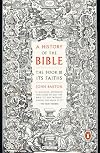
A comprehensive overview of the development of the Bible and its reception by both Jews and Christians over the centuries. My interest in various parts of this thick volume waxed and waned a little as some parts aligned more or less with my own interests, but John Barton's discussion is always informed and even-handed. I particularly appreciated his explanation of the various interpretive frameworks, both Jewish and Christian, which have been used to think about scripture, and found myself show more confronting a couple of engrained/unquestioned assumptions that I hadn't known I was in possession of. This is a dense read that does demand focus, but I think if you put in the work, it will be rewarding. show less
Awards


You May Also Like


Associated Authors
Statistics
- Works
- 48
- Also by
- 13
- Members
- 3,285
- Popularity
- #7,790
- Rating
- 4.0
- Reviews
- 31
- ISBNs
- 248
- Languages
- 8