
David Finch (1) (1977–)
Author of The Journal of Best Practices: A Memoir of Marriage, Asperger Syndrome, and One Man's Quest to Be a Better Husband
For other authors named David Finch, see the disambiguation page.
About the Author
Image credit: photo by Mandi Backhaus
Works by David Finch
The Journal of Best Practices: A Memoir of Marriage, Asperger Syndrome, and One Man's Quest to Be a Better Husband (2012) 494 copies, 26 reviews
Splitting Hairs (An Essay) 1 copy
Tagged
Common Knowledge
- Birthdate
- 1977
- Gender
- male
- Education
- University of Miami
- Short biography
- [excerpted from author's website]
I'm David Finch, a senior-level business development and content marketing professional, New York Times bestselling author and technical writer, principal and founder of a successful content marketing studio, and creative and technical consultant to Hollywood studios. My company creates and manages technical marketing strategies and campaigns for the semiconductor, electronics, and entertainment industries. We also produce podcasts, written word, and other digital media for brands and individuals around the world. - Places of residence
- Illinois, USA
- Associated Place (for map)
- Illinois, USA
Members
Reviews
The journal of best practices : one man's quest to be a better husband : a memoir of marriage and Asperger syndrome by David Finch

I heard an interview with the author on NPR and was fascinating by his story. As an adult, Finch discovered he had Asperger's Syndrome and devised techniques to help him cope. One goal was to be a better husband and father. In his book, Finch describes the rise and decline of his marriage, how he learned that he had Asperger's, and how he used notes, scribbled on whatever was handy, to help him remember both the practical (Don't change the radio station when Kristen's singing along) and the show more philosophical (When necessary, redefine perfection).
Although the five minute elevator pitch is a humorous and earnest conversation, the book is a drawn out rehashing of the jacket cover. It would have made a great short story (or NPR interview), but as a book, I found it repetitive. Perhaps the way the story is told is indicative of his experience of Asperger's. He tends to over think everything and finds repetition soothing. I also found it unbelievable that neither Finch nor his wife of five years, who is a speech therapist and autism expert, knew that he autistic. As he later realizes, Finch's behaviors are very typical of the disorder. How could they not know? Anyway, accepting the story as it is, the book could also be a guide for anyone who has ever left the dirty dishes or laundry for their partner, put work or intense hobbies ahead of their family, or become so wrapped up in their own minds, that they forget the needs of those closest to them. I'm glad that Finch and his family have successfully navigated his diagnosis and worked out compromises. I just wish that I had stuck to the interview version. show less
Although the five minute elevator pitch is a humorous and earnest conversation, the book is a drawn out rehashing of the jacket cover. It would have made a great short story (or NPR interview), but as a book, I found it repetitive. Perhaps the way the story is told is indicative of his experience of Asperger's. He tends to over think everything and finds repetition soothing. I also found it unbelievable that neither Finch nor his wife of five years, who is a speech therapist and autism expert, knew that he autistic. As he later realizes, Finch's behaviors are very typical of the disorder. How could they not know? Anyway, accepting the story as it is, the book could also be a guide for anyone who has ever left the dirty dishes or laundry for their partner, put work or intense hobbies ahead of their family, or become so wrapped up in their own minds, that they forget the needs of those closest to them. I'm glad that Finch and his family have successfully navigated his diagnosis and worked out compromises. I just wish that I had stuck to the interview version. show less
The Journal of Best Practices: A Memoir of Marriage, Asperger Syndrome, and One Man's Quest to Be a Better Husband by David Finch
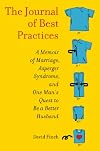
David Finch has autism, a diagnosis he embraced gleefully as an explanation as to why his marriage cooled off about as soon as it began. Indeed, he brings an autistic focus to trying to understand how he deviates from what he calls marital "best practices." In doing so, he pulls no punches in explaining his behavior. He is even unflinchingly honest about when his flaws are not well-explained by his autism, for instance in exploring his sexist assumptions about gender dynamics in a marriage. show more
Unflinching honesty can sometimes be discomfiting in a memoir (see Alison Bechdel's "Are You My Mother?"), but in this case, the combination of Finch's dry humor and his commitment to self-improvement together allow it to be humorous, or at the very least, viewed empathetically. show less
Unflinching honesty can sometimes be discomfiting in a memoir (see Alison Bechdel's "Are You My Mother?"), but in this case, the combination of Finch's dry humor and his commitment to self-improvement together allow it to be humorous, or at the very least, viewed empathetically. show less
The Journal of Best Practices: A Memoir of Marriage, Asperger Syndrome, and One Man's Quest to Be a Better Husband by David Finch
Having met David Finch in Detroit last October during the Great Lakes Independent Booksellers Association annual trade show, I discovered first-hand what a genuinely funny person he is. I knew that reading his memoir, The Journal of Best Practices, would be an enjoyable experience. I was prepared for the humor; I was not prepared for the heartfelt honesty and almost heartbreaking determination he shows throughout his journey to overcome his Asperger's in order to save his marriage. While show more David explains how difficult simple, everyday situations are for him due to his Asperger's, the lessons he learns over the eighteen-month experiment are truly lessons for every male.
Any memoir is only as good as the forthrightness of the author. David's honesty is as refreshing as it is touching to behold. There is no holding back for Mr. Finch. He is surprisingly candid in telling his story; for better or for worse, David tells it like it really was. He does not hide the fact that he was a distant father or selfish husband. A story such as his needs this openness to showcase his struggles and help the reader understand just how remarkable his successes are. Because of his honesty, the reader walks away from his story feeling as if s/he really knows David and feels humbled at being allowed such an intimate look into his life.
Every woman should be so lucky to have a husband like David. Ultimately, his love for Kristin is the driving force behind his need for self-improvement. The fact that he was able to make it so long without a diagnosis of any sort shows that he was able to function in society. He did not have to attempt to this experiment, and yet he jumped into it with as much enthusiasm and excitement as any five-year-old on Christmas morning. Given the divorce rates these days, most people in Kristin and David's situation would have called it quits. The fact that they did not is testament to their love, and it is beautiful to behold.
Marriage is never easy. Marriage to someone with Asperger Syndrome makes it even more difficult, especially if neither party knows that he has Asperger's at the beginning of the marriage. What is remarkable is the effort and work both Kristin and David put forth to save their marriage. The Journal of Best Practices is a great example of the dedication and perseverance it requires for a healthy and happy marriage. Better yet, David Finch has made it easy for every husband out there to learn what women truly want!
Acknowledgements: Thank you to the Great Lakes Independent Booksellers Association and David Finch for my review copy! show less
Any memoir is only as good as the forthrightness of the author. David's honesty is as refreshing as it is touching to behold. There is no holding back for Mr. Finch. He is surprisingly candid in telling his story; for better or for worse, David tells it like it really was. He does not hide the fact that he was a distant father or selfish husband. A story such as his needs this openness to showcase his struggles and help the reader understand just how remarkable his successes are. Because of his honesty, the reader walks away from his story feeling as if s/he really knows David and feels humbled at being allowed such an intimate look into his life.
Every woman should be so lucky to have a husband like David. Ultimately, his love for Kristin is the driving force behind his need for self-improvement. The fact that he was able to make it so long without a diagnosis of any sort shows that he was able to function in society. He did not have to attempt to this experiment, and yet he jumped into it with as much enthusiasm and excitement as any five-year-old on Christmas morning. Given the divorce rates these days, most people in Kristin and David's situation would have called it quits. The fact that they did not is testament to their love, and it is beautiful to behold.
Marriage is never easy. Marriage to someone with Asperger Syndrome makes it even more difficult, especially if neither party knows that he has Asperger's at the beginning of the marriage. What is remarkable is the effort and work both Kristin and David put forth to save their marriage. The Journal of Best Practices is a great example of the dedication and perseverance it requires for a healthy and happy marriage. Better yet, David Finch has made it easy for every husband out there to learn what women truly want!
Acknowledgements: Thank you to the Great Lakes Independent Booksellers Association and David Finch for my review copy! show less
The Journal of Best Practices: A Memoir of Marriage, Asperger Syndrome, and One Man's Quest to Be a Better Husband by David Finch
"I was thirty years old and had been married five years when I learned that I have Asperger syndrome" starts the book, which is an account of how he worked - in a very Asperger manner - to mend their relationship. The Journal of Best Practices is what he called the notes he wrote to himself, such as "Ask if it's a good time to talk," and "Apologies do not count when you shout them." The book is a marvel, showing in the most candid manner possible his lack of empathy, his self-absorption, his show more obsessiveness, and his rigidity while he earnestly worked to approximate what it is to be a reasonably normal husband and father. The book provides a good insight into what it means to be on the spectrum; I'm afraid much of his behavior makes far too much sense to me and it would be perhaps more of a revelation to someone not as obsessive and solitary as I am. show less
Awards

You May Also Like


Statistics
- Works
- 2
- Members
- 495
- Popularity
- #49,935
- Rating
- 3.7
- Reviews
- 26
- ISBNs
- 133
- Languages
- 7
