
Alvin Schwartz (1) (1927–1992)
Author of Scary Stories to Tell in the Dark
For other authors named Alvin Schwartz, see the disambiguation page.
About the Author
Alvin Schwartz was born April 25, 1927.Schwartz began his career as a journalist, but, after the publication of his bestselling book A Twister of Twists, a Tangler of Tongues, he devoted himself to becoming a collector and arranger of folk wisdom, rhyme, and silliness. Schwartz is known for a body show more of work of more than two dozen books of folklore for young readers that explore everything from wordplay and humor to tales and legends of all kinds. Schwatz is best known for the Scary Stories to Tell in the Dark series, which featured gruesome, nightmarish illustrations by Stephen Gammell. The series was America's most frequently challenged book (or book series) for library inclusion of 1990-1999. Alvin Schwartz died in Princeton, New Jersey on March 14, 1992. (Bowker Author Biography) show less
Series
Works by Alvin Schwartz
Hobbies; an introduction to crafts, collections, nature study, and other life-long pursuits (1972) 12 copies
How to fly a kite, catch a fish, grow a flower, and other activities for you and your child (1965) 6 copies
Central city/spread city;: The metropolitan regions where more and more of us spend our lives (1973) 2 copies
Associated Works
Cricket Magazine, Vol. 4, No. 1, September 1976 — Contributor — 2 copies
Cricket Magazine, Vol. 6, No. 4, December 1978 — Contributor — 1 copy
Tagged
Common Knowledge
- Canonical name
- Schwartz, Alvin
- Birthdate
- 1927-04-25
- Date of death
- 1992-03-14
- Gender
- male
- Education
- Northwestern University, Medill School of Journalism (MS|1951)
Colby College (BA|1949)
City College of New York - Occupations
- author
journalist
folklorist - Organizations
- American Folklore Society
The Binghamton Press
United States Navy (WWII) - Cause of death
- lymphoma
- Nationality
- USA
- Birthplace
- Brooklyn, New York, USA
- Place of death
- Princeton, New Jersey, USA
- Associated Place (for map)
- USA
Members
Reviews
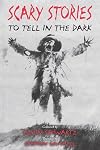
Fall is in the air, and it's Banned Book week - how could I NOT reread this classic?
This was a library find when I was around seven or eight or maybe nine years old. Even at that age, I was a spooky little kid (not much has changed, except that I'm taller now) and I absolutely loved anything that could frighten me - and it wasn't easy to scare me, even back then! I mean, I was watching Freddy Krueger when I was like four years old without even sweating. But this book always gave me the show more chills.
It's not so much the stories, although some of them are quite memorable. As a kid, I think they were probably a touch scarier than they are for me as an adult, but I never really remember being terrified of the stories themselves.
Oh no, it was the illustrations. *makes googly eyes* The illustrations by Stephen Gammell are top notch! They're black and white and absolutely TERRIFYING to this day, even though I am thirty-seven years old. I remember reading this book before bedtime and just pouring over the illustrations and having the most delicious nightmares.
And this is why, I feel, why these books keep popping up on banned books lists - not necessarily because of the stories, but because of the A+ illustrations.
If you're picking up a newer copy, please be aware that they changed illustrators at some point (perhaps in a bid to get off the banned books list year after year). Those illustrations are not nearly as good as the originals. Go Gammell or go home! show less
This was a library find when I was around seven or eight or maybe nine years old. Even at that age, I was a spooky little kid (not much has changed, except that I'm taller now) and I absolutely loved anything that could frighten me - and it wasn't easy to scare me, even back then! I mean, I was watching Freddy Krueger when I was like four years old without even sweating. But this book always gave me the show more chills.
It's not so much the stories, although some of them are quite memorable. As a kid, I think they were probably a touch scarier than they are for me as an adult, but I never really remember being terrified of the stories themselves.
Oh no, it was the illustrations. *makes googly eyes* The illustrations by Stephen Gammell are top notch! They're black and white and absolutely TERRIFYING to this day, even though I am thirty-seven years old. I remember reading this book before bedtime and just pouring over the illustrations and having the most delicious nightmares.
And this is why, I feel, why these books keep popping up on banned books lists - not necessarily because of the stories, but because of the A+ illustrations.
If you're picking up a newer copy, please be aware that they changed illustrators at some point (perhaps in a bid to get off the banned books list year after year). Those illustrations are not nearly as good as the originals. Go Gammell or go home! show less

More Scary Stories To Tell In the Dark, illustrated by Stephen Gammell
Author and folklorist Alvin Schwartz and illustrator Stephen Gammell, who in 1981 teamed up to create the contemporary American classic, Scary Stories To Tell in the Dark, joined forces again for this second collection, published in 1984. Here we have twenty-eight spooky stories, culled from various folk traditions and divided into four sections.
"When She Saw Him, She Screamed and Ran" is a collection of eight ghost show more stories, ranging from Something Was Wrong, in which a ghost doesn't know he is a ghost, to A Weird Blue Light, in which a Confederate blockade runner during the American Civil War encounters a ghostly pirate ship sunk some forty years before. My favorite tale from this section was the Ozark story of The Little Black Dog, in which a ghostly canine revenges himself upon the man that killed him and his human master.
"She Was Spittin' and Yowlin' Just Like a Cat contains seven strange tales, from the Anglo-American The Bride, in which a newly married woman is accidentally killed during the course of her own wedding, to The Window, in which a vampiric creature crawls out of the cemetery at night in order to attack a young woman in a nearby house. I was struck in this section by The Cat's Paw, a widespread witch tale in which a farmer shoots at a large cat that has been raiding his smokehouse, only to find that the paw he has blown off is actually a woman's foot. This selection put me strongly in mind of similar stories concerning witches who are injured while in animal form, including The New Horse, from Scary Stories to Tell in the Dark.
"When I Wake Up, Everything Will Be All Right" presents a further seven scary stories, from the urban legend concerning The Man in the Middle, in which a woman subway rider witnesses a dead man being left propped up in the seat across from her, to A Ghost in the Mirror, which details a game that people like to play, using a mirror to summon spirits. I was particularly struck here by The Bed by the Window, in which an elderly man kills his roommate at a nursing home, thinking he will get the view provided by the window, only to discover that the wonderful things described to him were all in his roommate's imagination.
"The Last Laugh" includes six stories meant to be both scary and funny, from The Church, in which a stranded motorist seeks refuge for the night in an abandoned church, and encounters what he at first thinks are ghosts; to the New York State tale of Thumpity-Thump, in which a family moves out of their new home almost as soon as they move in, due to a poltergeist. This section also includes the folk song Ba-Rooom!, played to the tune of "The Irish Washerwoman," with musical notation included.
Like its predecessor, I first read More Scary Stories to Tell in the Dark when I was younger, and am picking it up again now for the first time in many years. I found the stories themselves delightfully spooky, and Stephen Gammell's artwork deliciously creepy. Although not as incensed as some readers by the newer editions with artwork from Brett Helquist - I think it quite a good thing, if children who might be put off reading these stories by the artwork can approach it because of these newer, less scary illustrations - I do prefer the originals, and think Gammell's work in them is a masterpiece of eerie horror. Leaving that aside, as an adult reader I was far more interested in the source material here, than I was as a young girl, and found quite a few new titles in the source notes to add to my folklore shelves. All in all, an entertaining read, especially at this time of year! Recommended to young readers who enjoy scary stories, as well as to folklore enthusiasts. show less
Author and folklorist Alvin Schwartz and illustrator Stephen Gammell, who in 1981 teamed up to create the contemporary American classic, Scary Stories To Tell in the Dark, joined forces again for this second collection, published in 1984. Here we have twenty-eight spooky stories, culled from various folk traditions and divided into four sections.
"When She Saw Him, She Screamed and Ran" is a collection of eight ghost show more stories, ranging from Something Was Wrong, in which a ghost doesn't know he is a ghost, to A Weird Blue Light, in which a Confederate blockade runner during the American Civil War encounters a ghostly pirate ship sunk some forty years before. My favorite tale from this section was the Ozark story of The Little Black Dog, in which a ghostly canine revenges himself upon the man that killed him and his human master.
"She Was Spittin' and Yowlin' Just Like a Cat contains seven strange tales, from the Anglo-American The Bride, in which a newly married woman is accidentally killed during the course of her own wedding, to The Window, in which a vampiric creature crawls out of the cemetery at night in order to attack a young woman in a nearby house. I was struck in this section by The Cat's Paw, a widespread witch tale in which a farmer shoots at a large cat that has been raiding his smokehouse, only to find that the paw he has blown off is actually a woman's foot. This selection put me strongly in mind of similar stories concerning witches who are injured while in animal form, including The New Horse, from Scary Stories to Tell in the Dark.
"When I Wake Up, Everything Will Be All Right" presents a further seven scary stories, from the urban legend concerning The Man in the Middle, in which a woman subway rider witnesses a dead man being left propped up in the seat across from her, to A Ghost in the Mirror, which details a game that people like to play, using a mirror to summon spirits. I was particularly struck here by The Bed by the Window, in which an elderly man kills his roommate at a nursing home, thinking he will get the view provided by the window, only to discover that the wonderful things described to him were all in his roommate's imagination.
"The Last Laugh" includes six stories meant to be both scary and funny, from The Church, in which a stranded motorist seeks refuge for the night in an abandoned church, and encounters what he at first thinks are ghosts; to the New York State tale of Thumpity-Thump, in which a family moves out of their new home almost as soon as they move in, due to a poltergeist. This section also includes the folk song Ba-Rooom!, played to the tune of "The Irish Washerwoman," with musical notation included.
Like its predecessor, I first read More Scary Stories to Tell in the Dark when I was younger, and am picking it up again now for the first time in many years. I found the stories themselves delightfully spooky, and Stephen Gammell's artwork deliciously creepy. Although not as incensed as some readers by the newer editions with artwork from Brett Helquist - I think it quite a good thing, if children who might be put off reading these stories by the artwork can approach it because of these newer, less scary illustrations - I do prefer the originals, and think Gammell's work in them is a masterpiece of eerie horror. Leaving that aside, as an adult reader I was far more interested in the source material here, than I was as a young girl, and found quite a few new titles in the source notes to add to my folklore shelves. All in all, an entertaining read, especially at this time of year! Recommended to young readers who enjoy scary stories, as well as to folklore enthusiasts. show less

Scary Stories to Tell in the Dark, illustrated by Stephen Gammell
Thirty scary stories, all culled from the riches of American folklore, are presented in this classic collection, first published in 1981, and a perennial favorite with young readers every since. The selections are divided into five sections by editor and reteller Alvin Schwartz, and are accompanied by Stephen Gammell's deliciously creepy illustrations.
The first section - "Aaaaaaaaaaah!" - is devoted to "jump stories," or show more stories meant to be told aloud to great effect, with surprising conclusions (usually a shriek or the grabbing of an arm) that will frighten the listener into jumping. Here we find tales like the Virginian story of The Big Toe, in which a human toe is used in soup by those who find it, only for its original owner to come looking for it. Also included in this section is Old Woman All Skin and Bone, a traditional poem/song found in both England and America. The musical notation for the song appears on the accompanying page with Gammell's spooky illustration.
The second section - "He Heard Footsteps Coming Up the Cellar Stairs..." - includes ghost stories and tales of other strange happenings. Here we have The Thing, a Nova Scotian tale in which two friends are followed home by a skeleton, in an apparent foreshadowing of the death of one of them. Here too is the Virginian story of The Haunted House, in which the ghost of a young woman murdered by her lover leads the local pastor to her corpse, and to her killer.
The third section - They Eat Your Eyes, They Eat Your Nose - includes all kinds of spooky stories, about witches, graves, and worms eating your corpse. Included is the Kentucky mountain tale of A New Horse, in which a farm hand is ridden like a horse every night by a witch, only for the farm hand to turn the tables on his tormentor in a gruesome way. This selection appears to be Euro-American, but celebrated African-American children's author Virginia Hamilton tells a very similar story in her Wee Winnie Witch's Skinny, so perhaps there were many variants of it. Also included in this section is the "Indian" story of The Wendigo, in which a Euro-American hunter's Indian guide is slain by that fearsome monster of the north. Although utilizing a figure from Native American lore, this seems more of a story from the Euro-American perspective, as indicated by both the narrator and the sources provided.
The fourth section - Other Dangers - includes stories that, at the time of telling in 1981, were more recent in their origin. Here are urban legends like the Midwestern tale of The White Satin Evening Gown, about a young woman poisoned by the embalming fluid found on the dress she wore to a dance. Here too is The Babysitter, collected in Pennsylvania, in which a babysitter and her charges are badly frightened by a series of phone calls, that are eventually revealed to be coming from the same house in which they are staying.
The fifth and final section - also entitled "Aaaaaaaaaaah!" - presents another round of "jump stories," although this time they are meant to provoke laughter, as much as fright. Here we have selections like The Viper, also collected in Pennsylvania, in which a man's accent causes misunderstanding and fear. Also included is Wait Till Martin Comes, a traditional African-American folktale from the American South, in which a man flees from a group of cats, who presumably mean to harm him once the eponymous Martin arrives.
I read this book numerous times as a young girl, always with a delightfully shivery appreciation of both the stories and the nightmarish illustrations, and have been meaning to reread it and its sequels every Halloween season for years. Having finally managed to accomplish this goal, I discovered two surprising things. The first is that the publisher recently reprinted the books (in 2010, I believe?) with new artwork done by Brett Helquist, and that this has largely outraged fans. While I have no problem with looking at new illustrations, I can definitely say that Stephen Gammel's original artwork is a masterpiece of creepiness, and is part of what made this book so memorable. I'm glad the Helquist exists, for more sensitive young readers, but I stand by the Gammell, which I prefer. It's worth noting, moreover, that the Gammell illustrations have frequently been challenged by book banners, here in the states, so I'm glad that HarperCollins have made them available again! The second thing I discovered, which I somehow missed in my youthful reading, was that this was really a folktale collection! It's not that this is at all hidden information - it's in the sub-title of the original edition, and there are copious notes regarding origin and source material for each tale, but I seem to have breezed by all of that when a girl. However that may be, it was a welcome discovery, and I appreciated those notes, and the extensive bibliography, which contains many books familiar to me, and some unfamiliar. Most of the stories appear to be Euro-American in origin, but there are a few African-American ones, as well as a single selection from Canada.
I enjoyed my rereading of this greatly, and look forward to picking up the two sequels, and to tracking down some of the books mentioned in the source notes. Recommended to readers who enjoy scary stories, as well as to folklore enthusiasts with a particular interest in ghost stories and other tales of terror. show less
Thirty scary stories, all culled from the riches of American folklore, are presented in this classic collection, first published in 1981, and a perennial favorite with young readers every since. The selections are divided into five sections by editor and reteller Alvin Schwartz, and are accompanied by Stephen Gammell's deliciously creepy illustrations.
The first section - "Aaaaaaaaaaah!" - is devoted to "jump stories," or show more stories meant to be told aloud to great effect, with surprising conclusions (usually a shriek or the grabbing of an arm) that will frighten the listener into jumping. Here we find tales like the Virginian story of The Big Toe, in which a human toe is used in soup by those who find it, only for its original owner to come looking for it. Also included in this section is Old Woman All Skin and Bone, a traditional poem/song found in both England and America. The musical notation for the song appears on the accompanying page with Gammell's spooky illustration.
The second section - "He Heard Footsteps Coming Up the Cellar Stairs..." - includes ghost stories and tales of other strange happenings. Here we have The Thing, a Nova Scotian tale in which two friends are followed home by a skeleton, in an apparent foreshadowing of the death of one of them. Here too is the Virginian story of The Haunted House, in which the ghost of a young woman murdered by her lover leads the local pastor to her corpse, and to her killer.
The third section - They Eat Your Eyes, They Eat Your Nose - includes all kinds of spooky stories, about witches, graves, and worms eating your corpse. Included is the Kentucky mountain tale of A New Horse, in which a farm hand is ridden like a horse every night by a witch, only for the farm hand to turn the tables on his tormentor in a gruesome way. This selection appears to be Euro-American, but celebrated African-American children's author Virginia Hamilton tells a very similar story in her Wee Winnie Witch's Skinny, so perhaps there were many variants of it. Also included in this section is the "Indian" story of The Wendigo, in which a Euro-American hunter's Indian guide is slain by that fearsome monster of the north. Although utilizing a figure from Native American lore, this seems more of a story from the Euro-American perspective, as indicated by both the narrator and the sources provided.
The fourth section - Other Dangers - includes stories that, at the time of telling in 1981, were more recent in their origin. Here are urban legends like the Midwestern tale of The White Satin Evening Gown, about a young woman poisoned by the embalming fluid found on the dress she wore to a dance. Here too is The Babysitter, collected in Pennsylvania, in which a babysitter and her charges are badly frightened by a series of phone calls, that are eventually revealed to be coming from the same house in which they are staying.
The fifth and final section - also entitled "Aaaaaaaaaaah!" - presents another round of "jump stories," although this time they are meant to provoke laughter, as much as fright. Here we have selections like The Viper, also collected in Pennsylvania, in which a man's accent causes misunderstanding and fear. Also included is Wait Till Martin Comes, a traditional African-American folktale from the American South, in which a man flees from a group of cats, who presumably mean to harm him once the eponymous Martin arrives.
I read this book numerous times as a young girl, always with a delightfully shivery appreciation of both the stories and the nightmarish illustrations, and have been meaning to reread it and its sequels every Halloween season for years. Having finally managed to accomplish this goal, I discovered two surprising things. The first is that the publisher recently reprinted the books (in 2010, I believe?) with new artwork done by Brett Helquist, and that this has largely outraged fans. While I have no problem with looking at new illustrations, I can definitely say that Stephen Gammel's original artwork is a masterpiece of creepiness, and is part of what made this book so memorable. I'm glad the Helquist exists, for more sensitive young readers, but I stand by the Gammell, which I prefer. It's worth noting, moreover, that the Gammell illustrations have frequently been challenged by book banners, here in the states, so I'm glad that HarperCollins have made them available again! The second thing I discovered, which I somehow missed in my youthful reading, was that this was really a folktale collection! It's not that this is at all hidden information - it's in the sub-title of the original edition, and there are copious notes regarding origin and source material for each tale, but I seem to have breezed by all of that when a girl. However that may be, it was a welcome discovery, and I appreciated those notes, and the extensive bibliography, which contains many books familiar to me, and some unfamiliar. Most of the stories appear to be Euro-American in origin, but there are a few African-American ones, as well as a single selection from Canada.
I enjoyed my rereading of this greatly, and look forward to picking up the two sequels, and to tracking down some of the books mentioned in the source notes. Recommended to readers who enjoy scary stories, as well as to folklore enthusiasts with a particular interest in ghost stories and other tales of terror. show less

I snagged this the other day merely due to fond memories from my childhood. Scary Stories to Tell in the Dark was probably my first scary book. 'Salem's Lot was the second. Yes, there is something wrong with me. But that book and it's sequel (More Scary Stories to Tell in the Dark) made an indelible mark on me, leaving me with psychological scars that would never totally leave. The image on the cover of this collection (originally from SStTitD) inspired such a mortal terror that I dreaded show more having to turn that page, not wanting to touch the image for fear it would bite me; reading the page opposite the image was almost impossible, since she was LOOKING at me. The image associated with The Thing (also from the original volume) was burned into my brain, inspiring nightmares and frequent window checks for almost ten years.
I count it as a mark of favor if years later, I can still recall nearly every aspect of a book and in that example, the Scary Stories series shines. Every detail was just as I remembered it, and while I might not have QUITE the same level of dread when coming to The Thing's portrait, and I no longer fear touching the page where the dead young woman waits, I still feel the echoes of those old dreads. Not bad for a series of kid's books that's nearing 30 years old, eh?
There's about a hundred stories in this one (including all three volumes of the series, artwork intact), all of them quick, 2-5 page reads. All of them are wonderfully executed in language anybody can understand - including occasional "reading tips" for ways to scare your friends if you're doing it campfire-style - but that still manage to trigger a twinge of atavistic fear in the staunchest of adults. The bibliography sections are also interesting, if you like learning odd things about folk tales (I do.) There's also a few singsongs (The Worms Crawl In, and The Woman Who Lived by the Cemetery come to mind) with proper notation if you're feeling jovial, as well as a nod to The Winter's Tale. All in all, a solid collection that I'd recommend to anyone attempting to infect a child with a love of reading, or any adult who still remembers hiding under the covers with a flashlight. show less
I count it as a mark of favor if years later, I can still recall nearly every aspect of a book and in that example, the Scary Stories series shines. Every detail was just as I remembered it, and while I might not have QUITE the same level of dread when coming to The Thing's portrait, and I no longer fear touching the page where the dead young woman waits, I still feel the echoes of those old dreads. Not bad for a series of kid's books that's nearing 30 years old, eh?
There's about a hundred stories in this one (including all three volumes of the series, artwork intact), all of them quick, 2-5 page reads. All of them are wonderfully executed in language anybody can understand - including occasional "reading tips" for ways to scare your friends if you're doing it campfire-style - but that still manage to trigger a twinge of atavistic fear in the staunchest of adults. The bibliography sections are also interesting, if you like learning odd things about folk tales (I do.) There's also a few singsongs (The Worms Crawl In, and The Woman Who Lived by the Cemetery come to mind) with proper notation if you're feeling jovial, as well as a nod to The Winter's Tale. All in all, a solid collection that I'd recommend to anyone attempting to infect a child with a love of reading, or any adult who still remembers hiding under the covers with a flashlight. show less
Lists
Awards


You May Also Like


Associated Authors
Statistics
- Works
- 42
- Also by
- 6
- Members
- 18,249
- Popularity
- #1,202
- Rating
- 4.0
- Reviews
- 251
- ISBNs
- 336
- Languages
- 10
- Favorited
- 11