
Patrick Kavanagh (1) (1904–1967)
Author of Collected Poems
For other authors named Patrick Kavanagh, see the disambiguation page.
About the Author
"My life has in many ways been a tragedy and a failure," wrote Patrick Kavanagh toward his death. Born in Innishkeen, County Monaghan, Kavanagh ended his formal education after grammar school. He lived on a farm in his native parish until moving to Dublin in 1939, which he later described as one of show more the great mistakes of his life. There he supported himself primarily through journalism until awarded a sinecure of #400 a year for extramural lectures at University College, Dublin. After an illness in the mid-1950s, he grew resigned to obscurity and mellowed in his long literary war with both Irish repression and the Irish literary establishment. Besides his journalism, he also wrote novels of an autobiographical type. Sprung from Roman Catholic peasant stock, Kavanagh saw himself as voicing his own heritage against more anglicized (and more famous) writers. His first volume, Ploughman and Other Poems, established the rural themes that mark much of his verse. His best-known, and perhaps his greatest poem, The Great Hunger (1942), follows a potato farmer named Patrick Maguire through the famine of the 1840s and presents a blistering attack on the sexual and spiritual deprivation of rural Irish peasantry. Kavanagh later criticized the poem as lacking humor, and his subsequent work shows a more temperate acceptance of the ironic comedy of life, as in "Canal Bank Walk." (Bowker Author Biography) show less
Image credit: Photo of Kavanagh frontispiece from Poems
Works by Patrick Kavanagh
Associated Works
The Making of a Poem: A Norton Anthology of Poetic Forms (2000) — Contributor — 1,464 copies, 9 reviews
World Poetry: An Anthology of Verse from Antiquity to Our Time (1998) — Contributor — 496 copies, 2 reviews
Answering Back: Living Poets Reply to the Poetry of the Past (2007) — Contributor — 118 copies, 1 review
Great Irish Writing: The Best from The Bell (Classic Irish Fiction) (1978) — Contributor — 23 copies
Tagged
Common Knowledge
- Legal name
- Caomhánaigh, Padraig
- Birthdate
- 1904-10-21
- Date of death
- 1967-11-30
- Gender
- male
- Education
- Kednaminsha National School
- Occupations
- farmer
Gaelic football player
poet
journalist
novelist
playwright (show all 7)
shoemaker - Nationality
- Ireland
- Birthplace
- Inniskeen, County Monaghan, Ireland
- Places of residence
- Inniskeen, County Monaghan, Ireland (birth)
Dublin, Ireland (death) - Place of death
- Dublin, Ireland
- Associated Place (for map)
- Dublin, Ireland
Members
Discussions
Poem: Aladdin says. . . . in Name that Book (June 2017)
Reviews

Set in County Cavan during the 1930s, the eponymous character is a twentysomething farmer trapped on a small holding and dreaming of what the world beyond the boundaries of his poor rural parish is like. Patrick Kavanagh is best known for his poetry, and in his descriptive passages here he can find beauty in the most humble drill of potatoes. The dialogue is also pitch-perfect for its time and place.
But, and it's a big but, despite the vivid beauty of the prose, I finished this book feeling show more like I wanted a shower. We're clearly supposed to sympathise with Tarry as a flawed but sympathetic protagonist (and one who is in many ways an aspect of the author himself), and to root for him to break free of life on the farm. But I couldn't do that. Not only is Tarry a misogynist, but depending on how you interpret references to certain events which take place off-screen, he is at best a sexual harasser and at worst a rapist. Kavanagh seems to instinctively understand how masculinity can be a straitjacket for men, but not to care about what that means for women. Spending too much time in Tarry's head left me feeling like I'd been in contact with, well, a tar pit. show less
But, and it's a big but, despite the vivid beauty of the prose, I finished this book feeling show more like I wanted a shower. We're clearly supposed to sympathise with Tarry as a flawed but sympathetic protagonist (and one who is in many ways an aspect of the author himself), and to root for him to break free of life on the farm. But I couldn't do that. Not only is Tarry a misogynist, but depending on how you interpret references to certain events which take place off-screen, he is at best a sexual harasser and at worst a rapist. Kavanagh seems to instinctively understand how masculinity can be a straitjacket for men, but not to care about what that means for women. Spending too much time in Tarry's head left me feeling like I'd been in contact with, well, a tar pit. show less
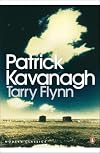
A work of fiction by the Monaghan poet, but rooted in his own
upbringing. Tarry is stuck in a parish in Cavan, on a small farm
with his mother and three sisters. Its an extremely funny book,
as Tarry gets into endless squabbles with his neighbours and
annoys the parish priest at every opportunity. He's also trying
to impress the daughter of the local schoolteacher but
spends a lot of his time trying to avoid the pleasures available
from some of the other local caílin. At the same time, Tarry
finds show more beauty in the 'stony soil' and there's some wonderfully
evocative descriptions, as you'd expect from a master poet.
I loved the dialogue in this as well, full of witticisms and
country truths and wisdom. Was sad when I finished this,
could have done with another few hundred pages of the same.
Will be putting Kavanagh's other work, 'The green fool', on
my reading list. show less
upbringing. Tarry is stuck in a parish in Cavan, on a small farm
with his mother and three sisters. Its an extremely funny book,
as Tarry gets into endless squabbles with his neighbours and
annoys the parish priest at every opportunity. He's also trying
to impress the daughter of the local schoolteacher but
spends a lot of his time trying to avoid the pleasures available
from some of the other local caílin. At the same time, Tarry
finds show more beauty in the 'stony soil' and there's some wonderfully
evocative descriptions, as you'd expect from a master poet.
I loved the dialogue in this as well, full of witticisms and
country truths and wisdom. Was sad when I finished this,
could have done with another few hundred pages of the same.
Will be putting Kavanagh's other work, 'The green fool', on
my reading list. show less
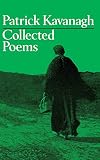
Kavanagh's early work dig a sharpened poetic shovel into the rotten belly of the Church and the colonial powers of England, and is some of Irlenad's best modern poetry. The bulk of his later poems are highly reflective, and sometimes even humorous. A few of the later poems stand out, but many are rather forgettable. Still, this doesn't diminish Kavanagh's well deserved reputation as a master poetic stylist.

I didn't enjoy this book. While it was evocative of rural life in 1930s Ireland, I found I couldn't develop any strong feelings for any of the characters.
Lists
Awards

You May Also Like


Associated Authors
Statistics
- Works
- 20
- Also by
- 14
- Members
- 1,031
- Popularity
- #24,977
- Rating
- 3.9
- Reviews
- 7
- ISBNs
- 63
- Languages
- 4
- Favorited
- 8

