
Silvia Federici
Author of Caliban and the Witch: Women, the Body, and Primitive Accumulation
About the Author
Silvia Federici is a feminist writer, teacher, and militant. In 1972, she cofounded the International Feminist Collective, which launched the Wages for Housework campaign. Her books include Caliban and the Witch; Re-enchanting the World; Beyond the Periphery of the Skin; and Witches, Witch-Hunting, show more and Women. She is a professor emerita at Hofstra University, where she taught social sciences. She worked as a teacher in Nigeria for many years and was also the cofounder of the Committee for Academic Freedom in Africa. show less
Image credit: Federici bei einem Interview (2014)
Works by Silvia Federici
Revolution at Point Zero: Housework, Reproduction, and Feminist Struggle (2012) 322 copies, 4 reviews
Beyond the Periphery of the Skin : Rethinking, remaking, and reclaiming the body in contemporary capitalism (Kairos) (2020) 90 copies
Enduring Western Civilization: The Construction of the Concept of Western Civilization and Its "Others" (1995) 16 copies
A Thousand Flowers: Social Struggles Against Structural Adjustment in African Universities (2000) 5 copies
Crise de la reproduction sociale (La): Entretiens avec Silvia Federici et Mariarosa Dalla Costa (2020) 3 copies
La lucha contra el cuerpo rebelde 2 copies
¿Quién le debe a quién? 1 copy
Oltre la periferia della pelle : Ripensare, ricostruire e rivendicare il corpo nel capitalismo contemporaneo (2023) 1 copy
Associated Works
Birth Work As Care Work: Stories from Activist Birth Communities (2016) — Introduction, some editions — 38 copies
Tagged
Common Knowledge
- Canonical name
- Federici, Silvia
- Birthdate
- 1942-04-24
- Gender
- female
- Education
- University at Buffalo (PhD|Philosophy)
Università di Bologna - Occupations
- professor
social scientist - Organizations
- Hofstra University
Committee for Academic Freedom in Africa
Wages for housework - Relationships
- Caffentzis, George (partner)
- Nationality
- Italy
USA - Birthplace
- Parma, Italy
- Places of residence
- Brooklyn, New York, USA
- Associated Place (for map)
- Brooklyn, New York, USA
Members
Reviews
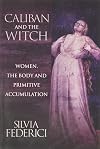
Tarihe ‘Cadı Avı Çağı’ olarak geçen karanlık dönem, genellikle filmlere ve romanlara konu olmuş, popüler kültürün bir parçası hâline gelmiş Salem cadılık davaları aracılığıyla bilinir. Oysa okyanusun karşı yakasında yürütülen Salem davaları, aynı dönemde Avrupa'da yaşanan kıyıma kıyasla hikâyenin sadece çok küçük bir parçasıdır. Avrupa tarihinin yaklaşık 300 yıllık bir dilimine damgasını vurmuş cadı avı çılgınlığı, doğal, show more iktisadi ve toplumsal koşullarda meydana gelen ani değişimlerin, kimlik bunalımlarının ve ötekine yönelik müzmin düşmanlığın küçük bir kıvılcımla kitlesel bir histeriye dönüşüp Avrupa’yı en ücra yerlerine kadar küle çevirdiği bir yangının adı hâline gelmiştir.
Silvia Federici, modern klasiklerden biri hâline gelmiş bu abidevi kitabında, okura bambaşka bir tablo sunuyor. Cadı avlarının, akıldışı korkuların yol açtığı dizginsiz bir deliliğin uç noktası olmadığını, o sıralar yeni oluşan kapitalist düzenin acımasız ve katı mantığının tamamen ‘akılcı’ ve hesaplanabilir bir sonucu olduğunu gözler önüne seriyor. Topraksız bırakılan köylülerin isyanlarından kadın bedeninin işgücünü üreten bir kuluçka makinesi olarak görülüp kadının ev işlerine mahkûm edilmesine uzanan süreçte cadı avlarının kadınları değersizleştirmek, şeytanlaştırmak, onların toplumsal güçlerini ellerinden almak için başlatılmış planlı ve meşum bir girişim olduğunu haykırıyor. Cadıların yok olduğu işkence odalarında, kazıklarda, burjuvanın kadınlık ve eve bağlılık ideallerinin nasıl filizlendiğini anlatıyor. Toplumsal çalkantıların, açlığın, kıtlığın ve salgın hastalıkların tam ortasında, toplumlar çökerken kapitalizmin yükselişinin, bedenin bir direniş alanı hâline gelişinin, kadınların anlatılmayan hikâyesinin izini sürüyor. show less
Silvia Federici, modern klasiklerden biri hâline gelmiş bu abidevi kitabında, okura bambaşka bir tablo sunuyor. Cadı avlarının, akıldışı korkuların yol açtığı dizginsiz bir deliliğin uç noktası olmadığını, o sıralar yeni oluşan kapitalist düzenin acımasız ve katı mantığının tamamen ‘akılcı’ ve hesaplanabilir bir sonucu olduğunu gözler önüne seriyor. Topraksız bırakılan köylülerin isyanlarından kadın bedeninin işgücünü üreten bir kuluçka makinesi olarak görülüp kadının ev işlerine mahkûm edilmesine uzanan süreçte cadı avlarının kadınları değersizleştirmek, şeytanlaştırmak, onların toplumsal güçlerini ellerinden almak için başlatılmış planlı ve meşum bir girişim olduğunu haykırıyor. Cadıların yok olduğu işkence odalarında, kazıklarda, burjuvanın kadınlık ve eve bağlılık ideallerinin nasıl filizlendiğini anlatıyor. Toplumsal çalkantıların, açlığın, kıtlığın ve salgın hastalıkların tam ortasında, toplumlar çökerken kapitalizmin yükselişinin, bedenin bir direniş alanı hâline gelişinin, kadınların anlatılmayan hikâyesinin izini sürüyor. show less
Finally finished this book after starting it in April.
Probably the second most important non-fiction book I have read. It filled me with so much anger and despair (has to put it down multiple times), and it gave me so much perspective on the process of primitive accumulation, it's connection to colonialism, and it's inherent link with the witch hunt.
I am exaggerating only slightly when I say all men should be killed and the European continent nuked from orbit. This, of course, is in no way show more the message of the book. It's a classic piece of scholarship tracking the shunned story of the women and indigenous folk that got genocided as Witches and Calibans during the enforcement of social discipline on the proletariat and the peasantry during the transition from feudalism to global capitalist social relations.
What particularly draw my interest was the material connection between the mode of production and the systematic assault on women's (sexual violence, state control over women's bodies, witch hunt) and indigenous peoples' (slavery, forced labour in mines, genocide) labour and way of life. I also found very informative the author's account of sex work, it's development and it's persecution during this same period. show less
Probably the second most important non-fiction book I have read. It filled me with so much anger and despair (has to put it down multiple times), and it gave me so much perspective on the process of primitive accumulation, it's connection to colonialism, and it's inherent link with the witch hunt.
I am exaggerating only slightly when I say all men should be killed and the European continent nuked from orbit. This, of course, is in no way show more the message of the book. It's a classic piece of scholarship tracking the shunned story of the women and indigenous folk that got genocided as Witches and Calibans during the enforcement of social discipline on the proletariat and the peasantry during the transition from feudalism to global capitalist social relations.
What particularly draw my interest was the material connection between the mode of production and the systematic assault on women's (sexual violence, state control over women's bodies, witch hunt) and indigenous peoples' (slavery, forced labour in mines, genocide) labour and way of life. I also found very informative the author's account of sex work, it's development and it's persecution during this same period. show less
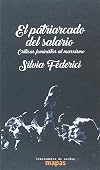
"Marx entendió el capitalismo como una etapa necesaria para llegar a una sociedad sin clases en un mundo sin escasez. Fascinado por la potencia productiva del capitalismo industrial que tan ferozmente combatía, dejó de lado la explotación del trabajo no asalariado, el trabajo no pagado de las mujeres dedicado a la reproducción de la mano de obra; un trabajo que consideraba natural y arcaico. Estas dos limitaciones del trabajo teórico de Marx marcaron en enorme medida el desarrollo de show more las teorías y luchas marxistas, centradas desde entonces en la fábrica y casi siempre magnetizadas por el fetichismo tecnológico.
Silvia Federici y otras feministas de los años setenta, tomando a Marx pero siempre más allá de Marx, partieron de su idea de que "el capitalismo debe producir el más valioso medio de producción, el trabajador mismo". A fin de explotar esta producción se estableció el patriarcado del salario. La exclusión de las mujeres del salario otorga un inmenso poder de control y disciplina a los varones a la vez que esvaloriza e invisibiliza su trabajo. Esta invisibilización no solo es útil para explotar el gigantesco ámbito de la reproducción de la fuerza de trabajo. Al mismo tiempo, y al igual que la desvalorización de otras muchas figuras (esclavos, colonizados, migrantes), sirve al capitalismo en su principal objetivo: construir un entramado de desigualdades en el cuerpo del proletariado mundial que le permita reproducirse." Casa de Libro show less
Silvia Federici y otras feministas de los años setenta, tomando a Marx pero siempre más allá de Marx, partieron de su idea de que "el capitalismo debe producir el más valioso medio de producción, el trabajador mismo". A fin de explotar esta producción se estableció el patriarcado del salario. La exclusión de las mujeres del salario otorga un inmenso poder de control y disciplina a los varones a la vez que esvaloriza e invisibiliza su trabajo. Esta invisibilización no solo es útil para explotar el gigantesco ámbito de la reproducción de la fuerza de trabajo. Al mismo tiempo, y al igual que la desvalorización de otras muchas figuras (esclavos, colonizados, migrantes), sirve al capitalismo en su principal objetivo: construir un entramado de desigualdades en el cuerpo del proletariado mundial que le permita reproducirse." Casa de Libro show less

Logo na introdução a autora nos faz cientes de quais foram os erros nos estudos de Marx e Foucault por não terem colocado um recorte de gênero em suas teorias, no caso de Marx a questão fundamental da opressão feminina no surgimento do capitalismo e no caso de Foucault a relevância da confissão das mulheres aos inquisidores na História da sexualidade e a manutenção dos corpos dóceis como tática do patriarcado capitalista.
No primeiro capítulo Federici nos dá os parâmetros de show more como se construiu a misoginia que levou à caça às bruxas, de como as mulheres em determinado período da Idade Média ainda tinham uma certa autonomia e como coisas como estupro e prostituição institucionalizados ajudaram na degradação da posição da mulher.
No segundo capítulo a autora destrincha as questões de como a misoginia e o racismo foram institucionalizados pelos governos antes de se espalharem sócio-culturalmente em função de uma divisão sexual e racial do trabalho, em que homens brancos detinham toda a acumulação primitiva do trabalho e do dinheiro.
No terceiro capítulo insere-se de que forma foi intelectualizado o disciplinamento dos corpos proletários pelo Estado através de Descartes e Hobbes, é Calibã caindo sobre a opressão de Próspero.
O quarto capítulo é o mais compreensivo sobre a mulher vista como bruxa no renascimento, como sua imagem de congregadora comunal ameaçava o capitalismo, assim como usa sexualidade e liberdade reprodutiva ameaçavam a intelectualidade mecanicista e a reprodução dos meios de produção. É também no renascimento que ocorreu o desmerecimento e diminuição das mulheres idosas passando a serem consideradas bruxas sexual, moral e fisicamente decrépitas quando até a idade média eram consideradas sábias.
No quinto e último capítulo faz-se um paralelo entre a caça às bruxas europeia e a do novo mundo, exemplificando como as mulheres indígenas foram devastadas com a chegada do patriarcado europeu e ao mesmo tempo se tornaram símbolo de resistência indígena.
Enfim, livraço, com lugar de honra na minha lista de melhores lançamentos de 2017 no Brasil. show less
No primeiro capítulo Federici nos dá os parâmetros de show more como se construiu a misoginia que levou à caça às bruxas, de como as mulheres em determinado período da Idade Média ainda tinham uma certa autonomia e como coisas como estupro e prostituição institucionalizados ajudaram na degradação da posição da mulher.
No segundo capítulo a autora destrincha as questões de como a misoginia e o racismo foram institucionalizados pelos governos antes de se espalharem sócio-culturalmente em função de uma divisão sexual e racial do trabalho, em que homens brancos detinham toda a acumulação primitiva do trabalho e do dinheiro.
No terceiro capítulo insere-se de que forma foi intelectualizado o disciplinamento dos corpos proletários pelo Estado através de Descartes e Hobbes, é Calibã caindo sobre a opressão de Próspero.
O quarto capítulo é o mais compreensivo sobre a mulher vista como bruxa no renascimento, como sua imagem de congregadora comunal ameaçava o capitalismo, assim como usa sexualidade e liberdade reprodutiva ameaçavam a intelectualidade mecanicista e a reprodução dos meios de produção. É também no renascimento que ocorreu o desmerecimento e diminuição das mulheres idosas passando a serem consideradas bruxas sexual, moral e fisicamente decrépitas quando até a idade média eram consideradas sábias.
No quinto e último capítulo faz-se um paralelo entre a caça às bruxas europeia e a do novo mundo, exemplificando como as mulheres indígenas foram devastadas com a chegada do patriarcado europeu e ao mesmo tempo se tornaram símbolo de resistência indígena.
Enfim, livraço, com lugar de honra na minha lista de melhores lançamentos de 2017 no Brasil. show less
Lists
Awards


You May Also Like


Associated Authors
Statistics
- Works
- 37
- Also by
- 5
- Members
- 2,591
- Popularity
- #9,916
- Rating
- 4.3
- Reviews
- 31
- ISBNs
- 107
- Languages
- 10
- Favorited
- 6