
Alexandros Papadiamantis (1851–1911)
Author of The Murderess
About the Author
Works by Alexandros Papadiamantis
Άπαντα 6 copies
Πασχαλινά διηγήματα 5 copies
Άπαντα Παπαδιαμάντη 4 copies
Η γυφτοπούλα 3 copies
Une femme à la mer (Γυνή πλέουσα) 3 copies
Remvasmos tou dekapentaugoustou kai alla diegemata (He Pezographike mas paradose) (Greek Edition) (1989) 3 copies
Axplockerskan 2 copies
Πασχαλινά Διηγήματα 2 copies
Απάνθισμα 2 copies
Σκοτεινά παραμύθια 2 copies
Ολόγυρα στη λίμνη 2 copies
Βαρδιανός στα Σπόρκα 1 copy
Papadiamantis Alexandros 1 copy
[Το λάβαρον]: Ανέκδοτες παπαδιαμαντικές σελίδες απο το Αρχείο Απόστολου Γ. Παπαδιαμάντη (1989) 1 copy
Άπαντα τα παιδικά 1 copy
RAIDERS OF THE AEGEAN (The Merchants of Nations) Compact Print: LOVE, LUST & BETRAYAL in the Age of Venice (2016) 1 copy
Χρήστος Μηλιόνης 1 copy
Skiathos, The Shaded Isle 1 copy
Στην Αγι-Αναστάσα 1 copy
Πασχαλινά Διηγήματα 1 copy
Αυτοβιογραφούμενος 1 copy
Ρόδινα ακρογιάλια 1 copy
Βαρδιάνος στα Σπόρκα 1 copy
Η Σταχομαζώχτρα 1 copy
Χριστουγεννιάτικα διηγήματα 1 copy
Άπαντα Παπαδιαμάντη 1 copy
Οι έμποροι των εθνών 1 copy
Τα παιδικά διηγήματα 1 copy
Πατριωτικά Διηγήματα 1 copy
Πρωτοχρονιάτικα και άλλα διηγήματα / μεταγραφή & επιμέλεια κειμένων Ελπίς Μ. Σκαρδάση-Διονυσίου ,… 1 copy
Θαλασσινά ειδύλλια 1 copy
Παιδικά διηγήματα 1 copy
Θαλασσινά διηγήματα 1 copy
Διηγήματα των Χριστουγέννων 1 copy
Une femme à la mer 1 copy
As Bruxas e outros contos 1 copy
Ο ξεπεσμένος δερβίσης 1 copy
Χριστουγεννιάτικα Διηγήματα 1 copy
Τα Χριστούγεννα του τεμπέλη 1 copy
Ποιήματα 1 copy
Οι Μάγισσες 1 copy
Ο Πεντάρφανος 1 copy
Έρωτας στα χιόνια 1 copy
Ἡ γυφτοπούλα 1 copy
[*] ΠΑΣΧΑΛΙΝΑ Διηγήματα 1 copy
Πρωτοχρονιάτικα Διηγήματα 1 copy
Associated Works
The Dedalus Book of Greek Fantasy (Dedalus Literary Fantasy Anthologies) (2004) — Contributor — 29 copies, 1 review
Tagged
Common Knowledge
- Canonical name
- Papadiamantis, Alexandros
- Legal name
- Παπαδιαμάντης, Ἀλέξανδρος
- Birthdate
- 1851-03-03
- Date of death
- 1911-01-03
- Gender
- male
- Nationality
- Greece
- Birthplace
- Skiathos, Greece
- Places of residence
- Skiathos, Greece
Athens, Greece - Place of death
- Skiathos, Greece
- Burial location
- Skiathos, Greece
- Associated Place (for map)
- Skiathos, Greece
Members
Reviews

Spoiler verdiğimi düşünmüyorum, çünkü kitabın anlattığım kısmı her yerde (önsözde bile) geçiyor:
"Bodrum ve hapisten kaçtığını düşünüyor, ama aslında hapishaneyi ve cehennemi içinde yaşıyordu". Bence bu kitabın özeti bu. Hadula (Yunancada kadın katil anlamına geliyor) yani Yannu Frangisa kız çocuklarının ailelerine acı çektirdiği ve güzel bir gelecekleri olmadığını düşünerek onları ortadan küçükken kaldırmanın en iyisi olduğuna show more inanıyor. Bu uzun öyküyü ikiye ayırıp bakalım. Herkül Millas Papadiamantis için "Yunan edebiyatının Dostoyevski'si" diyor. Dostoyevski'nin yazılarında insan psikolojisine çok eğilmesi, zamanın sosyal ve dini konularını işlediği düşünülürse katılıyorum. Yazı çok akıcı (burada çevirmen Yasemin Aydın'a da övgü göndermemek olmaz). Bir oturuşta bitirilecek bir kitap. Anlatılan huzursuzluğu, gerginliği, korkuyu içinizde hissediyorsunuz. Ama hikayenin konusuna bakılırsa Herkül Millas'a katılmıyorum. Bence bu kadın haklarından bahseden, hatta feministliğin öncüsü olan bir kitap değil. Hadula'nın mutlaka yaşadığı sıkıntılar var. Ailesinin ona verdiği önemin azlığı, beklenilen işlerin çokluğu ama küçük çocukların ölmesi hiçbir zaman bunu yansıtmaz. Seri katillerin en çok kullandığı savunmalardandır: zor bir hayat yaşadı. Hayatın zorluğu insanı gönüllü katil yapmaz. Eğer bir alt yapı varsa belki kolaylaştırabilir. Bu örnekte ben Hadula'nın cinayetlerini şuna bağlıyorum: seksizim ve "involuntary human extinction movement" (istemsiz insanların soyunu tüketme hareketi). Ben Hadula'nın sosyopat/psikopat olduğunu düşünüyorum: yaptıkları için vicdan azabı duyan fakat kendi doğruları doğrultusunda yaşayan.
Dipnot: bu kitabı okumak gerçekten çok zordu. Çok uzun zamandır içinde bebeklerin/çocukların eziyet gördüğü kitaplardan uzak duruyordum. show less
"Bodrum ve hapisten kaçtığını düşünüyor, ama aslında hapishaneyi ve cehennemi içinde yaşıyordu". Bence bu kitabın özeti bu. Hadula (Yunancada kadın katil anlamına geliyor) yani Yannu Frangisa kız çocuklarının ailelerine acı çektirdiği ve güzel bir gelecekleri olmadığını düşünerek onları ortadan küçükken kaldırmanın en iyisi olduğuna show more inanıyor. Bu uzun öyküyü ikiye ayırıp bakalım. Herkül Millas Papadiamantis için "Yunan edebiyatının Dostoyevski'si" diyor. Dostoyevski'nin yazılarında insan psikolojisine çok eğilmesi, zamanın sosyal ve dini konularını işlediği düşünülürse katılıyorum. Yazı çok akıcı (burada çevirmen Yasemin Aydın'a da övgü göndermemek olmaz). Bir oturuşta bitirilecek bir kitap. Anlatılan huzursuzluğu, gerginliği, korkuyu içinizde hissediyorsunuz. Ama hikayenin konusuna bakılırsa Herkül Millas'a katılmıyorum. Bence bu kadın haklarından bahseden, hatta feministliğin öncüsü olan bir kitap değil. Hadula'nın mutlaka yaşadığı sıkıntılar var. Ailesinin ona verdiği önemin azlığı, beklenilen işlerin çokluğu ama küçük çocukların ölmesi hiçbir zaman bunu yansıtmaz. Seri katillerin en çok kullandığı savunmalardandır: zor bir hayat yaşadı. Hayatın zorluğu insanı gönüllü katil yapmaz. Eğer bir alt yapı varsa belki kolaylaştırabilir. Bu örnekte ben Hadula'nın cinayetlerini şuna bağlıyorum: seksizim ve "involuntary human extinction movement" (istemsiz insanların soyunu tüketme hareketi). Ben Hadula'nın sosyopat/psikopat olduğunu düşünüyorum: yaptıkları için vicdan azabı duyan fakat kendi doğruları doğrultusunda yaşayan.
Dipnot: bu kitabı okumak gerçekten çok zordu. Çok uzun zamandır içinde bebeklerin/çocukların eziyet gördüğü kitaplardan uzak duruyordum. show less

At the beginning of this intense novella, Hadoula, a 60-ish woman living on a small Greek island in what appears to be the late 19th century, is watching her ailing infant granddaughter while her daughter sleeps. As she watches, she mentally reviews her life, and that of her parents and family, a life of hardship, especially for girls and women. Life has improved in some respects, in that the brigands and the Turks are gone and peace reigns on the island, but the men and women still have to show more scratch out a living from the rocky earth and the ever-present sea. Many of the young men have left for America, and parents are left to somehow find husbands and dowries for their daughters. Sons disappear, some go to jail, and daughters are a burden. And, as she muses and dozes, Hadoula unconsciously makes a fateful decision that sets into motion the rest of the book.
What stands out for me in this story is the vivid depiction of a time and a place in which the residents know every inch of ground, every risky path across the rocks, and every hidden cave on their remote island, and in which the past is still present in ruined castles and chapels, family is central, and nature is always at hand. As the translator notes in his introduction to the edition I read, at the time Papadiamatis was writing, in the 1890s, the Greek islands were 50 times further behind Athens than Athens was behind Paris and London. Despite some qualms about dialect the translator sometimes uses the somewhat melodramatic nature of the story, I couldn't put this book down, especially as it builds to its not unexpected conclusion. show less
What stands out for me in this story is the vivid depiction of a time and a place in which the residents know every inch of ground, every risky path across the rocks, and every hidden cave on their remote island, and in which the past is still present in ruined castles and chapels, family is central, and nature is always at hand. As the translator notes in his introduction to the edition I read, at the time Papadiamatis was writing, in the 1890s, the Greek islands were 50 times further behind Athens than Athens was behind Paris and London. Despite some qualms about dialect the translator sometimes uses the somewhat melodramatic nature of the story, I couldn't put this book down, especially as it builds to its not unexpected conclusion. show less

"Whatever she had done, then or now, she had done it all for the best"
By sally tarbox on 8 January 2017
Format: Paperback
Short (127p) but powerful read, following an elderly woman staying with her daughter and her sick newborn granddaughter. She thinks back over her life, a slave to her father then her husband , the fight to make ends meet, the struggle to get a dowry together for her daughters, without which they'd remain old maids. And the pain of losing her sons - two emigrated and were show more never heard of again, one is in prison... Isn't it better for everyone if her daughter is disencumbered of this new arrival?
But Hadoula's logic means she keeps going, seeking to 'help' other families cursed with daughters, culminating in an exciting and beautifully written tale. Bringing the scenery of the Greek Islands to life (the author was a native of Skiathos), this is simply written but most compelling. show less
By sally tarbox on 8 January 2017
Format: Paperback
Short (127p) but powerful read, following an elderly woman staying with her daughter and her sick newborn granddaughter. She thinks back over her life, a slave to her father then her husband , the fight to make ends meet, the struggle to get a dowry together for her daughters, without which they'd remain old maids. And the pain of losing her sons - two emigrated and were show more never heard of again, one is in prison... Isn't it better for everyone if her daughter is disencumbered of this new arrival?
But Hadoula's logic means she keeps going, seeking to 'help' other families cursed with daughters, culminating in an exciting and beautifully written tale. Bringing the scenery of the Greek Islands to life (the author was a native of Skiathos), this is simply written but most compelling. show less
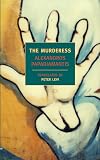
Alexandros Papadiamantis (1851-1911), known as the "saint of modern Greek literature", was born on Skiathos, an isolated and provincial Aegean island which provided the setting for several of his most highly regarded works. These works are short stories and novellas that describe country life on the island; he also wrote about urban life in Athens, where he moved to as a young man. Papadiamantis was a deeply religious man who never married, and he returned to Skiathos two years before his show more death.
The Murderess is considered to be Papadiamantis's masterpiece, which was written in 1903 and recently translated and published by New York Review Books Classics.
Jannis Frankissa, known as Old Hadoula, is a widowed midwife who is known and respected for her healing remedies throughout Skiathos. She has had a hard life, as have most women on the island, plagued by death, poverty, the oppressive dowry system that impacted her life and those of her daughters, and the activities of her wayward and irresponsible sons. She believes that the lives of women on the island are worthless, and despairs at the birth of her new granddaughter: 'O God, why should another one come into this world?' The baby is quite ill, and Old Hadoula is charged with watching the baby while her mother rests, and healing her if possible. During a series of sleepless nights, while the baby cries and coughs, Old Hadoula recalls her past sufferings, and aches at the thought of another girl having to experience what she did.
This novella provides a vivid glimpse into an isolated village's culture, and how its oppressive culture and poverty led to deviant behavior and madness in a good and devoutly religious woman. It was a good read, but a book of about half its length would have made for a more powerful and effective story, as it was repetitive and slow going in spots. show less
The Murderess is considered to be Papadiamantis's masterpiece, which was written in 1903 and recently translated and published by New York Review Books Classics.
Jannis Frankissa, known as Old Hadoula, is a widowed midwife who is known and respected for her healing remedies throughout Skiathos. She has had a hard life, as have most women on the island, plagued by death, poverty, the oppressive dowry system that impacted her life and those of her daughters, and the activities of her wayward and irresponsible sons. She believes that the lives of women on the island are worthless, and despairs at the birth of her new granddaughter: 'O God, why should another one come into this world?' The baby is quite ill, and Old Hadoula is charged with watching the baby while her mother rests, and healing her if possible. During a series of sleepless nights, while the baby cries and coughs, Old Hadoula recalls her past sufferings, and aches at the thought of another girl having to experience what she did.
This novella provides a vivid glimpse into an isolated village's culture, and how its oppressive culture and poverty led to deviant behavior and madness in a good and devoutly religious woman. It was a good read, but a book of about half its length would have made for a more powerful and effective story, as it was repetitive and slow going in spots. show less
Lists
Awards


You May Also Like


Associated Authors
Statistics
- Works
- 106
- Also by
- 1
- Members
- 637
- Popularity
- #39,574
- Rating
- 3.7
- Reviews
- 16
- ISBNs
- 120
- Languages
- 10
- Favorited
- 2
