
Ana Maria Shua
Author of Dioses y héroes de la mitología griega (Serie Azul) (Spanish Edition)
About the Author
Image credit: Ana Maria Shua
Works by Ana Maria Shua
La batalla entre los elefantes y los cocodrilos/ The Battle Between the Elephants and the Crocodiles (Pan Flauta/ Flute Bread) (Spanish Edition) (1991) 7 copies
Miedo de noche (Spanish Edition) 4 copies
Fenomenos de circo / Events of Circus (Voces: Literatura / Voices: Literature) (Spanish Edition) (2011) 4 copies
Cabras, mujeres y mulas : Antología del odio/miedo a la mujer en la literatura popular (1998) 3 copies
El árbol de la mujer dragón y otros cuentos (Sopa De Libros / Soup of Books) (Spanish Edition) (2013) 3 copies
Un mundo sin pájaros: Leyendas de América Latina y de España (Serie Verde) (Spanish Edition) (2012) 2 copies
Mascotas Inventadas 1 copy
Los amores de Laurita 1 copy
La escuela de las truchas 1 copy
CARACOL PRESTA SU CASA 1 copy
Pemburu Aksara 1 copy
Mora, la mara 1 copy
Sois patient 1 copy
Teret iskušenja 1 copy
O Livro da Sabedoria Judaica 1 copy
LA FÀBRICA DEL TERROR 1 copy
Associated Works
Sudden Fiction Latino: Short-Short Stories from the United States and Latin America (2010) — Contributor — 76 copies, 15 reviews
Daughters of Latin America: An International Anthology of Writing by Latine Women (2023) — Contributor — 38 copies, 1 review
The House of Memory: Stories by Jewish Women Writers of Latin America (1999) — Contributor — 34 copies
Secret Weavers: Stories of the Fantastic by Women Writers of Argentina and Chile (1991) — Contributor — 25 copies
Cruel Fictions, Cruel Realities : Short Stories by Latin American Women Writers (Discoveries) (1997) — Contributor — 12 copies
Tagged
Common Knowledge
- Legal name
- Shua, Ana María
- Other names
- Shua, Ana Maria
- Birthdate
- 1951-04-22
- Gender
- female
- Nationality
- Argentina
- Birthplace
- Buenos Aires, Argentina
- Associated Place (for map)
- Buenos Aires, Argentina
Members
Reviews

Me pregunto dónde estarán los médicos en esta institución. Yo todavía no vi a ninguno. Lo peor es que ninguno me vio a mí; que soy el enfermo.'
Un hombre se interna en un hospital público a causa de una difusa dolencia que lo aqueja hace tiempo. No imagina que no le será fácil salir de allí. Una delirante maraña burocrática lo rodea y lo va atrapando poco a poco.
Con infinita paciencia; el internado se somete a una serie interminable de estudios de cuyo resultado nunca se entera. show more En una loca espiral; que parece obedecer a leyes propias e inescrutables; se suceden las situaciones más absurdas. Para un electrocardiograma de esfuerzo lo obligan a rasquetear la oficina del director. La jefa de enfermeras realiza violentas requisas en las habitaciones en busca de bombones de licor y otras sustancias prohibidas. El chofer de la ambulancia le pide ayuda para cumplir con el reparto de prepizzas.
Nadie se atreve a confesarle qué órgano le sacaron en una misteriosa operación quirúrgica. show less
Un hombre se interna en un hospital público a causa de una difusa dolencia que lo aqueja hace tiempo. No imagina que no le será fácil salir de allí. Una delirante maraña burocrática lo rodea y lo va atrapando poco a poco.
Con infinita paciencia; el internado se somete a una serie interminable de estudios de cuyo resultado nunca se entera. show more En una loca espiral; que parece obedecer a leyes propias e inescrutables; se suceden las situaciones más absurdas. Para un electrocardiograma de esfuerzo lo obligan a rasquetear la oficina del director. La jefa de enfermeras realiza violentas requisas en las habitaciones en busca de bombones de licor y otras sustancias prohibidas. El chofer de la ambulancia le pide ayuda para cumplir con el reparto de prepizzas.
Nadie se atreve a confesarle qué órgano le sacaron en una misteriosa operación quirúrgica. show less
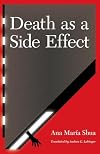
This book is set in a vaguely futuristic Argentina, where the gap between the rich and the poor is larger than ever, the police are useless so private security systems deal with crime and protecting the public and companies, and old people are required to enter retirement homes which never want to let them go. Shua handles this nicely by focusing on the main character and his problems. Ernesto is writing to his former lover, who abandoned him for another man, even though he knows she’ll show more never read his words. The prose flows very well even when describing horrible and violent scenes. Ernesto describes his unhappy but not miserable life and eventually starts to focus on his father’s illness, surgery and confinement in the Convalescent Home.
Initially, Ernesto is working as a scriptwriter for a vastly wealthy, capricious, feckless director though his real job is as a makeup artist. He has a short-lived and dispassionate affair with his father’s nurse and also befriends a neighbor who is violently attacked. Eventually, his worries about his parents dominate his life - his mother has a case of advanced dementia and his father, after a surgery, is also confined in a Home. Ernesto’s father is a raging monster but the author is able to create a temporarily sympathetic portrait of him in the Home. Patients go into Homes but never come out and Ernesto starts to think that maybe he’ll have to do something desperate to get his father out. His plans don’t turn out the way anyone might expect. Besides the skillfully smooth writing, the book also creates an interesting portrait of an all-too-realistic dystopia. show less
Initially, Ernesto is working as a scriptwriter for a vastly wealthy, capricious, feckless director though his real job is as a makeup artist. He has a short-lived and dispassionate affair with his father’s nurse and also befriends a neighbor who is violently attacked. Eventually, his worries about his parents dominate his life - his mother has a case of advanced dementia and his father, after a surgery, is also confined in a Home. Ernesto’s father is a raging monster but the author is able to create a temporarily sympathetic portrait of him in the Home. Patients go into Homes but never come out and Ernesto starts to think that maybe he’ll have to do something desperate to get his father out. His plans don’t turn out the way anyone might expect. Besides the skillfully smooth writing, the book also creates an interesting portrait of an all-too-realistic dystopia. show less
Dystopian literature stems from no particular geographic boundaries. Aldous Huxley and George Orwell were British, Margaret Atwood is Canadian, Philip K. Dick and Kurt Vonnegut were American. Thus, while Ana María Shua sets Death as a Side Effect in her native Argentina, the conditions that beset that future society are perhaps universally possible.
Survival is one of the underlying themes here, both personal and economic. The rich live in gated neighborhoods with 24-hour surveillance and show more security guards. The average person lives in "no-man's-land," avoiding the "occupied zones" controlled by criminals and dangerous thugs. Marauding gangs make the streets of Buenos Aires so unsafe the average person takes armored taxis to get around town and to go to protected areas for walks. Thus, when "vandals" break into the apartment below him, Ernesto Kollady's reaction is ingrained:
Ernesto, like others, must deal with life in a society where life seems cheapened. Paparazzi with video cameras crowd around hospitals hoping to get footage of someone dying. The Suicide Channel is one of television's more popular offerings. Only the poor go to hospitals, where, to ensure a profit, the "franchise owners" require patients' families to provide the food. Both physicians and families, meanwhile, are required to report the declining health of older people so they can report to "convalescent homes," paid for by selling what property the individual has. As a result, older and ill people pay doctors under the table to be their "secret" physician because an "official" physician would be required to report them.
Yet while Death as a Side Effect has abundant social commentary, Shua does far more with the narrative. At bottom, the dystopia she envisions is essentially a stage upon which a larger and more common literary theme plays out -- human relationships. Told in the form of Ernesto writing to the mistress who abandoned him, this slim narrative examines family relations, particularly that between Ernesto and his father. Although impacted by this society's mandates, particularly the convalescent homes, the family issues here are not necessarily unique. Ernesto is a seemingly ineffectual everyman. His father on the other hand is a powerful, controlling figure who seems to have always found joy in humiliating Ernesto. Yet Ernesto has a somewhat kinder view of his father than his sister, who never really had a life outside the family home and in whom a searing hatred has grown. Their mother, meanwhile, has descended into Alzheimer's-type dementia.
When a large intestinal tumor forces Ernesto's father first into a hospital and then a convalescent home, his mother's dementia and his sister's enmity leave Ernesto responsible for his father's fate. Thus, although Ernesto's own children are no more than passing references in his writing, he is required to come to grips with the archetypal father-son conflict. Despite his father's long history of demeaning him, Ernesto also confronts the preservation of personal dignity in a society seemingly devoid of the concept.
Originally published in 1997 and translated into English for the first time by Andrea G. Labinger, Death as a Side Effect uses dark satire to effectively meld societal and personal tribulations. Although the Spanish edition of the book was selected by the Congreso de la Lengua Española as one of the 100 best Latin American novels published in the last 25 years, its themes and issues are universal.
(Originally posted at A Progressive on the Prairie.) show less
Survival is one of the underlying themes here, both personal and economic. The rich live in gated neighborhoods with 24-hour surveillance and show more security guards. The average person lives in "no-man's-land," avoiding the "occupied zones" controlled by criminals and dangerous thugs. Marauding gangs make the streets of Buenos Aires so unsafe the average person takes armored taxis to get around town and to go to protected areas for walks. Thus, when "vandals" break into the apartment below him, Ernesto Kollady's reaction is ingrained:
When I heard the banging and explosions, I did what we all do: I made sure the security features in my apartment were working. I played music full blast so I wouldn't hear the screams. I locked myself in the bathroom and turned on the shower.
Ernesto, like others, must deal with life in a society where life seems cheapened. Paparazzi with video cameras crowd around hospitals hoping to get footage of someone dying. The Suicide Channel is one of television's more popular offerings. Only the poor go to hospitals, where, to ensure a profit, the "franchise owners" require patients' families to provide the food. Both physicians and families, meanwhile, are required to report the declining health of older people so they can report to "convalescent homes," paid for by selling what property the individual has. As a result, older and ill people pay doctors under the table to be their "secret" physician because an "official" physician would be required to report them.
Yet while Death as a Side Effect has abundant social commentary, Shua does far more with the narrative. At bottom, the dystopia she envisions is essentially a stage upon which a larger and more common literary theme plays out -- human relationships. Told in the form of Ernesto writing to the mistress who abandoned him, this slim narrative examines family relations, particularly that between Ernesto and his father. Although impacted by this society's mandates, particularly the convalescent homes, the family issues here are not necessarily unique. Ernesto is a seemingly ineffectual everyman. His father on the other hand is a powerful, controlling figure who seems to have always found joy in humiliating Ernesto. Yet Ernesto has a somewhat kinder view of his father than his sister, who never really had a life outside the family home and in whom a searing hatred has grown. Their mother, meanwhile, has descended into Alzheimer's-type dementia.
When a large intestinal tumor forces Ernesto's father first into a hospital and then a convalescent home, his mother's dementia and his sister's enmity leave Ernesto responsible for his father's fate. Thus, although Ernesto's own children are no more than passing references in his writing, he is required to come to grips with the archetypal father-son conflict. Despite his father's long history of demeaning him, Ernesto also confronts the preservation of personal dignity in a society seemingly devoid of the concept.
Originally published in 1997 and translated into English for the first time by Andrea G. Labinger, Death as a Side Effect uses dark satire to effectively meld societal and personal tribulations. Although the Spanish edition of the book was selected by the Congreso de la Lengua Española as one of the 100 best Latin American novels published in the last 25 years, its themes and issues are universal.
(Originally posted at A Progressive on the Prairie.) show less

La minificción es muy difícil, en realidad. No porque sea difícil de escribir, sino que, al ser tan breve y tan fugaz, es complejo que su escritura no se reduzca a un golpe de suerte, a un pensamiento ingenioso sin más chiste que el chiste fácil. Las minificciones deben ser tan precisas, tienen tanto margen de error, que es casi una certeza matemática que no todas darán en el blanco. Este libro de Ana María Shua es prueba de ello: muchos de sus textos no dan en el blanco, sin embargo show more su prosa es siempre prolija, siempre entretenida, y los que sí logran darte un golpe en la mandíbula te mandan directo a la lona. Un buen libro para pasar una tarde tranquila, o para irlo leyendo a sorbos pequeños (los más pequeños posibles). show less
Lists
Awards


You May Also Like


Associated Authors
Statistics
- Works
- 131
- Also by
- 6
- Members
- 499
- Popularity
- #49,588
- Rating
- 4.0
- Reviews
- 16
- ISBNs
- 163
- Languages
- 6
- Favorited
- 1