

Julio Cortázar (1914–1984)
Author of Hopscotch
About the Author
Julio Cortazar is an Argentine poet, short story writer, and translator, whose pseudonym is Julio Denis. He was born in Brussels, Belgium, in 1914. In 1918, he moved with his parents to their native Argentina. He taught high school and later French literature at the University of Cuyo, resigning show more after participating in demonstrations against Argentine President Juan Peron. He worked for a Buenos Aires publishing company and also earned a degree as a translator. Cortazar is part of the "boom" of excellence in Latin American letters in the 1950s and 1960s. He combines fantastic plots with commonplace events and characters, and looks for new ways for literature to represent life. His first novel, The Winners, tells the story of passengers on a luxury liner who are restricted to a certain area of the ship and forbidden to communicate with the crew. He explores the ways passengers react. Hopscotch has a complex narrative structure with 165 chapters that can be read in at least two logical sequences to create variations. A Change of Light and Other Stories is a short story collection dealing with themes ranging from political oppression to fantasy. We Love Glenda So Much is about a fan club murder of their favorite actress whose films do not meet their standards. A Certain Lucas is comprised of three sections of short observations, discussing the nature of reality, the exploration of literary form, and search for new ways to view the world. (Bowker Author Biography) show less
Image credit: Courtesy Wikipedia; photo by Sara Facio.
Series
Works by Julio Cortázar
Cuentos Completos 2, Cortazar (Complete Short Stories 2, Cortazar) (Spanish Edition) (1994) 361 copies, 4 reviews
Hopscotch ; Blow-up and other stories ; We love Glenda so much and other tales (2014) 112 copies, 2 reviews
Que cada cosa cruel sea tú que vuelves / May You Return to My Life with Every Misfortune (Shape Trilogy) (Spanish Edition) (2018) 21 copies
Animalia. Cuentos de Julio Cortázar / Animalia. Short Stories by Julio Cortázar (Spanish Edition) (2005) 11 copies
Orientação dos gatos 7 copies
Bestiario. Deshoras. 7 copies
CORTAZAR: CUENTOS COMPLETOS II 4 copies
Valise de cronópio 4 copies
Viaje alrededor de una mesa 3 copies
Cortázar para armar 3 copies
Palabra de Autor 3 copies
Relatos. Bestiario 1951. Las armas secretas 1959. Final del juego 1964. Todos los fuegos el fuego 1966 (1970) 3 copies
La señorita Cora 3 copies
Прощай, Робинзон 2 copies
Tango raz jeszcze 2 copies
Buenos Aires, Buenos Aires 2 copies
Escritos Políticos ,tomo I 2 copies
La noche boca arriba 2 copies
Dossier 3 2 copies
Dossier 2 2 copies
Dossier 1 2 copies
CUENTOS COMPLETOS (I Y II) 2 copies
De pameos y meopas 2 copies
As Cartas do Boom 2 copies
Rayuela : Himmel-und-Hölle ; Roman 2 copies
Headache 2 copies
Adiós, Robinson - Nada a Pehuajó 2 copies
The Gates of Heaven [short story] 2 copies
Headache [short story] 2 copies
Relatos Ritos 1 copy
The Continuity of Parks 1 copy
Pachanga de compadres 1 copy
Papeles inesperados 2009 1 copy
Buluşma 1 copy
ניירות פתאום 1 copy
Marelle 1 copy
Los relatos 1 copy
CONTOS LATINO - AMERICANO 1 copy
Las puertas del cielo 1 copy
La isla al mediodía 1 copy
Gîtes 1 copy
Cuaderno de bitácora 1 copy
QIELLI I RREME 1 copy
queremos tanto 1 copy
Racconti 1 copy
Μαθήματα Λογοτεχνίας 1 copy
Cuentos completos /2 1 copy
La isla a mediodía [Cuento] 1 copy
Seksek 1 copy
Bir Sarı Çiçek 1 copy
E LARGETA 1 copy
Orienta©ʹ©Đo dos gatos 1 copy
CUENTOS 1 copy
Другое небо: Рассказы 1 copy
Ruegos 1 copy
PROVIMI 1 copy
Último round - Tomo 1 1 copy
Último round - Tomo 2 1 copy
Cartas 1955-1964 (Tomo 2): Edición a cargo de Aurora Bernárdez y Carles Álvarez Garriga (Spanish Edition) (2018) 1 copy
Die Erzählungen. Vier Bände: Band 2: Südliche Autobahn (suhrkamp taschenbuch) (2019) 1 copy, 1 review
Cartas 1965-1968 (Tomo 3): Edición a cargo de Aurora Bernárdez y Carles Álvarez Garriga (Spanish Edition) (2018) 1 copy
Las armas secretos 1 copy
Cuentos completos/3 1 copy
Cuentos completos /1 1 copy
Cartas 1969-1976 (Tomo 4): Edición a cargo de Autora Bernárdez y Carles Álvarez Garriga (Spanish Edition) (2018) 1 copy
LOS MEJORES CUENTOS 1 copy
Az összefüggő parkok 1 copy
Pasajes 1 copy
Поезия 1 copy
Rayuela 1 copy
Takipci 1 copy
Bestiário: contos 1 copy
O Livro de Manuel 1 copy
La imposibilidad de Narrar 1 copy
Časovi književnosti 1 copy
Dobitnici 1 copy
Cuba por argentinos 1 copy
Drugo nebo 1 copy
The Night Face Up {story} 1 copy
Ostatnia Runda 1 copy
Casa Tomada-Pasta - I 1 copy
Blow-up, and Other Stories 1 copy
Los reyes 1 copy
BIOGRAFÍA DE CORTAZAR 1 copy
Cartas I 1 copy
[Ultimo round] 1 copy
The Southern Thruway 1 copy
Julio Cortázar 1 copy
Lucas Diye Biri 1 copy
Omtijden 1 copy
Leopoldo Torres-Aguero en el Museo Nacional de Bellas Artes (Catalogo) (Spanish Edition) (1997) 1 copy
La porte condamnee 1 copy
Sabrane priče 1 copy
Ośmiościan 1 copy
Sotron 1 copy
Cortázar en Galaxia 1 copy
At Your Service 1 copy
Obras completas II 1 copy
The Distances 1 copy
Omnibus (in Bestiario) 1 copy
Lontana (in Bestiario) 1 copy
Circe (in Bestiario) 1 copy
Associated Works
The Story and Its Writer: An Introduction to Short Fiction (1976) — Contributor — 1,215 copies, 3 reviews
The World of the Short Story: A 20th Century Collection (1986) — Contributor — 511 copies, 4 reviews
The Art of the Tale: An International Anthology of Short Stories (1986) — Contributor — 383 copies, 3 reviews
The Further Adventures of Robinson Crusoe (1719) — Translator, some editions — 349 copies, 6 reviews
The Vintage Book of Amnesia: An Anthology of Writing on the Subject of Memory Loss (2000) — Contributor — 228 copies, 2 reviews
A Hammock Beneath the Mangoes: Stories from Latin America (1991) — Contributor — 162 copies, 3 reviews
Adaptations: From Short Story to Big Screen: 35 Great Stories That Have Inspired Great Films (2005) — Contributor — 136 copies, 1 review
No, But I Saw the Movie: The Best Short Stories Ever Made Into Film (1960) — Contributor — 79 copies, 3 reviews
Masterworks of Latin American Short Fiction: Eight Novellas (1996) — Contributor — 57 copies, 1 review
The Murders in the Rue Morgue / The Gold Bug (1985) — Translator, some editions — 56 copies, 1 review
The Second Gates of Paradise: The Anthology of Erotic Short Fiction (1997) — Contributor — 38 copies
Introducción a la literatura hispanoamericana : de la conquista al siglo XX (1997) — Contributor — 23 copies
Het continent van de eenzaamheid reportages en beschouwingen over Latijns-Amerika (1992) — Contributor — 6 copies
Confesiones de escritores, escritores latinoamericanos : los reportajes de The Paris Review (1996) — Contributor — 5 copies
Die Geschichtenerzähler: Neues und Unbekanntes von Allende bis Zafón (suhrkamp taschenbuch) (2008) — Contributor — 5 copies
Maestros de la Literatura Universal: Latinoamerica — Contributor — 3 copies
La Otredad: Antología de cuentos latinoamericanos del siglo XX (2015) — Contributor — 3 copies, 1 review
Tales of the Magicians: Gabriel García Márquez, Julio Cortázar, Miguel Ángel Asturias, Jorge Luis Borges, Mario Vargas Llosa, Miguel Otero Silva and… (2002) — Contributor — 3 copies
New Voices of Hispanic America: An Anthology — Contributor — 2 copies
Tres relatos en negro — Translator, some editions — 2 copies
Meesters der vertelkunst : zevenendertig verhalen uit de moderne wereldliteratuur (1975) — Contributor — 2 copies
Audio Libro: Cortazár, Borges, Vargas LLosa, Allan Poe — Contributor — 1 copy
構造と美文 山尾悠子偏愛アンソロジー — Contributor — 1 copy
Tagged
Common Knowledge
- Canonical name
- Cortázar, Julio
- Legal name
- Cortázar, Jules Florencio
- Other names
- Denis, Julio (pseudonym first book)
- Birthdate
- 1914-08-26
- Date of death
- 1984-02-12
- Gender
- male
- Education
- University of Buenos Aires (Philosophy, Languages)
- Occupations
- translator
essayist
novelist
short story writer
teacher
Professor University Cuyo (show all 7)
travel writer - Organizations
- Tribunal Bertrand Russell II (1974)
- Awards and honors
- Prix Médicis (1974)
Orden de la Independencia Cultural Rubén Darío (1983)
Premio Konex (1984) - Relationships
- Dunlop, Carol (second wife)
Bernárdez, Aurora (first wife, 1953-1967) - Cause of death
- leukemia
- Nationality
- Belgium (birth)
France (1981-05)
Argentina - Birthplace
- Brussels, Belgium
- Places of residence
- Brussels, Belgium
Buenos Aires, Argentina
Paris, Île-de-France, France - Place of death
- Paris, Île-de-France, France
- Burial location
- Cimetière du Montparnasse, Paris, Île-de-France, France
- Map Location
- Argentina
Members
Reviews

I read this in the normal order, which feels a bit like reviewing a maze after only walking through one corridor.
The premise should be gimmicky. Somehow it isn't. It's dense, stream-of-consciousness, and full of the sort of conversations that make you wonder whether everyone involved is a genius, insufferable, or both. The whole thing feels like a group of intellectuals talking past one another in a café while accidentally producing literature.
Dense, meandering, frequently confusing, and show more best approached in a particular state of mind (I found a glass of wine helped considerably). I suspect this book improves in direct proportion to your willingness to surrender to it.
I enjoyed it enough that I now want a physical copy so I can read it again in hopscotch order and discover whether I missed the point entirely the first time. Whether that will clarify things or simply confuse me more remains to be seen. show less
The premise should be gimmicky. Somehow it isn't. It's dense, stream-of-consciousness, and full of the sort of conversations that make you wonder whether everyone involved is a genius, insufferable, or both. The whole thing feels like a group of intellectuals talking past one another in a café while accidentally producing literature.
Dense, meandering, frequently confusing, and show more best approached in a particular state of mind (I found a glass of wine helped considerably). I suspect this book improves in direct proportion to your willingness to surrender to it.
I enjoyed it enough that I now want a physical copy so I can read it again in hopscotch order and discover whether I missed the point entirely the first time. Whether that will clarify things or simply confuse me more remains to be seen. show less
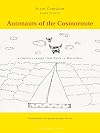
In the spring of 1982, the Argentinian author Julio Cortázar and his wife Carol Dunlop decide to drive from Paris to Marseille, a 790 km (450 mi) trip, and to write about the trip. This seems simple (and boring) enough, right? However, the master humorist and surrealist and his wife decide to turn this trip into a scientific expedition and exploration of all of the rest stops along the route. They plan to visit two rest stops per day, and there are 70 stops along the way.
After consulting show more travel diaries by Captain Cook and Marco Polo, and ensuring that they have sufficent supplies to prevent scurvy, Cortázar ('El Lobo') and Dunlop ('La Osita', or 'Little Bear') embark on their epic journey, led by their faithful Volkswagen beetle van 'Fafner' ('the dragon').
The 33 day trip is filled with bizarre and hilarious episodes, including a near-fatal encounter with a swarm of carnivorous ants, confrontations with suspicious gendarmes and highway workers, and the constant threats of large trucks and sports cars traveling at impossible speeds. The voyagers also discover a site where witches were tortured and executed, which other travelers naïvely mistake for a children's playground.
In the latter part of the journey, the entries become more introspective and philosophical, and are infused with the love that El Lobo and La Ostia share for each other. A joyful sadness also permeates the last pages, as deceased friends are mourned and loved, and the end of the journey is celebrated with wine and tears.
This travelogue/flight of ideals/love story is unlike anything I've ever read, and, although it drags in a couple of spots, preventing me from giving a five star rating, is highly recommended. show less
After consulting show more travel diaries by Captain Cook and Marco Polo, and ensuring that they have sufficent supplies to prevent scurvy, Cortázar ('El Lobo') and Dunlop ('La Osita', or 'Little Bear') embark on their epic journey, led by their faithful Volkswagen beetle van 'Fafner' ('the dragon').
The 33 day trip is filled with bizarre and hilarious episodes, including a near-fatal encounter with a swarm of carnivorous ants, confrontations with suspicious gendarmes and highway workers, and the constant threats of large trucks and sports cars traveling at impossible speeds. The voyagers also discover a site where witches were tortured and executed, which other travelers naïvely mistake for a children's playground.
In the latter part of the journey, the entries become more introspective and philosophical, and are infused with the love that El Lobo and La Ostia share for each other. A joyful sadness also permeates the last pages, as deceased friends are mourned and loved, and the end of the journey is celebrated with wine and tears.
This travelogue/flight of ideals/love story is unlike anything I've ever read, and, although it drags in a couple of spots, preventing me from giving a five star rating, is highly recommended. show less
What a wonderful book. Part essay, part travelogue with a smattering of fiction, it's an indescribable blend of humor, sadness, quirk and love. Author Julio Cortázar cooked up a plan with his second wife Carol Dunlop to drive from Paris to Marseilles in their VW bus nicknamed Fafner, the dragon. The catch is, they stopped at every single rest-stop along the way at the count of two per day, sleeping over night at the second one. This book chronicles their thoughts and notes throughout the show more journey. It really is a wonderful book, demonstrating how despite such odd circumstances Cortázar and Dunlop found great joy escaping the world, being not utterly isolated but separated from their responsibilities and obligations. Instead, they focused on each other, on reading, writing and observing.
Their writing covers great terrain--despite the modest terrain they are actually covering in the VW--from the philosophical to the poetic, to the mundane and pseudo-scientific. Light-hearted humor arises when they treat the journey "scientifically" with a daily "travel log" in which they indicate times of departure, weather, what they ate, where the bus was parked (facing N.W.N, for example), and so on. There was also humor in a certain ironic/exaggerated paranoia they exhibit as if their journey is threatened at times by the political powers-that-be because Cortázar was not only a writer but a political activist. As, for example, a rest area was "closed" to sabotage their journey.
Love, and the joy of their togetherness, was a major theme expressed throughout the story. Physical and emotional love. Their affection is so gentle and so poetic, reading it is near meditative in quality.Which makes it all the more tragic to read the concluding chapter where Cortázar notes how soon after the journey was completed, Dunlop died of an illness she had been battling. It was so sad, given their tremendous affection. And just a couple years later, Cortázar dies!
In the end, they summarize the journey, as unintentionally a Zen expedition. They set off not knowing what they would find and what they found was the beauty of existence even in the most absurd of situations. Touring rest areas.
The only aspect of the story that didn't sit well with me was the personification of Fafner, the VW bus. Admittedly, in my own past, I did briefly personify the car I had in college, a '72 Dodge Dart that my friend Dave Fagan dubbed the Death Sled. I accused said vehicle of attempting to kill me on several occasions. Its attacks included but were not limited to: a steering system that pulled to the left, windshield wipers that gave out in the middle of a torrential downpour whilst driving from Cleveland to Columbus, Ohio, and scalding burns on the thighs occasioned by the vinyl bench seat, which could achieve temperatures that could smelt iron if left exposed to direct sunlight. But despite my own experience with personifying vehicles in my youth, I was left somewhat uncomfortable with affection expressed for a motor vehicle as charmingly and innocently as it was expressed. And with no disrespect intended to the legacy of this book or Cortázar, reading their descriptions caused me to reflect on the death penalty. You see, in the U.S., the death penalty is still legal despite the immorality of the state killing a prisoner. But a corporation can't seem to die no matter the heinous crimes it commits. No matter whom it kills or what laws it breaks. A few individuals on rare occasions can be put in jail for fraud they commit within a corporation, but the corporation goes on. It rebrands. And over time, people forget. A generation later, a brand that was once conservative can become hip. A brand that once poisoned an ocean, can be forgiven. Volkswagen was, as you can learn from a quick trip to Wikipedia, founded by the Nazi Party. And Volkswagen's formative years were spent making all sorts of vehicles for the war effort. Hitler himself took a person interest in the success of Volkswagen. Rather ironic how the VW bus and the VW beetle became symbols of the hippie movement in the sixties, isn't it? Not only ironic, but it demonstrates how brands and Capitalism can swallow up idealism and sell it back to you. Levis is one of the current brands that is trying to advertise in the spirit of the Occupy movement. As if, somehow, wearing Levis makes you more free, more independent minded and more creative. Brands want us to personify their products in order to develop an emotional relationship with them and choose to purchase them again. Generating emotion in advertising is a core trick to drive sales. A trick that often has nothing whatsoever to do with the product itself. Think of Coke. Or Pepsi. And Cortazar being an ardent Socialist, I couldn't help but wonder why he allowed himself to be seduced by this product. So...I couldn't help but not find emotional affection for a VW bus as less charming than it was intended to be.
At any rate, this is wholly my own reaction to this aspect of the book and despite the digression it sent me off in my own mind, I can none-the-less whole-heartedly recommend this book. show less
Their writing covers great terrain--despite the modest terrain they are actually covering in the VW--from the philosophical to the poetic, to the mundane and pseudo-scientific. Light-hearted humor arises when they treat the journey "scientifically" with a daily "travel log" in which they indicate times of departure, weather, what they ate, where the bus was parked (facing N.W.N, for example), and so on. There was also humor in a certain ironic/exaggerated paranoia they exhibit as if their journey is threatened at times by the political powers-that-be because Cortázar was not only a writer but a political activist. As, for example, a rest area was "closed" to sabotage their journey.
Love, and the joy of their togetherness, was a major theme expressed throughout the story. Physical and emotional love. Their affection is so gentle and so poetic, reading it is near meditative in quality.
In the end, they summarize the journey, as unintentionally a Zen expedition. They set off not knowing what they would find and what they found was the beauty of existence even in the most absurd of situations. Touring rest areas.
The only aspect of the story that didn't sit well with me was the personification of Fafner, the VW bus. Admittedly, in my own past, I did briefly personify the car I had in college, a '72 Dodge Dart that my friend Dave Fagan dubbed the Death Sled. I accused said vehicle of attempting to kill me on several occasions. Its attacks included but were not limited to: a steering system that pulled to the left, windshield wipers that gave out in the middle of a torrential downpour whilst driving from Cleveland to Columbus, Ohio, and scalding burns on the thighs occasioned by the vinyl bench seat, which could achieve temperatures that could smelt iron if left exposed to direct sunlight. But despite my own experience with personifying vehicles in my youth, I was left somewhat uncomfortable with affection expressed for a motor vehicle as charmingly and innocently as it was expressed. And with no disrespect intended to the legacy of this book or Cortázar, reading their descriptions caused me to reflect on the death penalty. You see, in the U.S., the death penalty is still legal despite the immorality of the state killing a prisoner. But a corporation can't seem to die no matter the heinous crimes it commits. No matter whom it kills or what laws it breaks. A few individuals on rare occasions can be put in jail for fraud they commit within a corporation, but the corporation goes on. It rebrands. And over time, people forget. A generation later, a brand that was once conservative can become hip. A brand that once poisoned an ocean, can be forgiven. Volkswagen was, as you can learn from a quick trip to Wikipedia, founded by the Nazi Party. And Volkswagen's formative years were spent making all sorts of vehicles for the war effort. Hitler himself took a person interest in the success of Volkswagen. Rather ironic how the VW bus and the VW beetle became symbols of the hippie movement in the sixties, isn't it? Not only ironic, but it demonstrates how brands and Capitalism can swallow up idealism and sell it back to you. Levis is one of the current brands that is trying to advertise in the spirit of the Occupy movement. As if, somehow, wearing Levis makes you more free, more independent minded and more creative. Brands want us to personify their products in order to develop an emotional relationship with them and choose to purchase them again. Generating emotion in advertising is a core trick to drive sales. A trick that often has nothing whatsoever to do with the product itself. Think of Coke. Or Pepsi. And Cortazar being an ardent Socialist, I couldn't help but wonder why he allowed himself to be seduced by this product. So...I couldn't help but not find emotional affection for a VW bus as less charming than it was intended to be.
At any rate, this is wholly my own reaction to this aspect of the book and despite the digression it sent me off in my own mind, I can none-the-less whole-heartedly recommend this book. show less
Mirá si justo yo voy a reseñar Rayuela. Me limito a tirar puñaladas de loco, a ver si de alguna forma araño un par de ideas coherentes.
A todos los que dicen que una vez llegaron a los capítulos “de otros lugares” no pudieron seguir adelante, tengo que revelarles algo: Cortázar no los traicionó. Dejó muy en claro que eso capítulos eran innecesarios en la primera lectura. Y en la sutileza Cortazariana, “innecesarios” significa “yo te diría que no los leas”.
“Rayuela” show more es muchos libros, pero sobre todo es dos libros, y te recomiendo leer los dos. Una primera lectura de corrido donde la historia es como es, y ya. Y Oliveira quizá parezca un reverendo hijo de puta, y La Maga una estúpida a los ojos estandarizados de un lector al que todavía no le cacheteó el ida y vuelta de la novela. A la segunda lectura, saltando de acá para allá en el orden sugerido (je, sugerido) por el autor, ésa otra dimensión que tiene el relato, una dimensión física que te lleva de acá para allá al mismo tiempo que los hechos y personajes van de acá para allá (y se siente, se siente en la vida del relato más que en el texto), la atmósfera, la multidimensionalidad es otra.
Rayuela es una experiencia a la que no me animaba, mitad porque me crié en la blogósfera y había mucho fanático de la novela dando vueltas. Me pasa que tiendo a escapar al entusiasmo general. Por otro lado, no me sentía preparado. Ahora creo que se me abre un mundo de posibilidades exploratorias, no solo dentro de este libro tan releíble, sino en la literatura toda.
No sé. Mirá si me voy a poner a reseñar Rayuela. Justo yo, reseñar un libro como este. Algo de humildad me queda, todavía. Me limito a sentir el romance de un libro que pide ser releído y explorado como un vicio de entresemanas. show less
A todos los que dicen que una vez llegaron a los capítulos “de otros lugares” no pudieron seguir adelante, tengo que revelarles algo: Cortázar no los traicionó. Dejó muy en claro que eso capítulos eran innecesarios en la primera lectura. Y en la sutileza Cortazariana, “innecesarios” significa “yo te diría que no los leas”.
“Rayuela” show more es muchos libros, pero sobre todo es dos libros, y te recomiendo leer los dos. Una primera lectura de corrido donde la historia es como es, y ya. Y Oliveira quizá parezca un reverendo hijo de puta, y La Maga una estúpida a los ojos estandarizados de un lector al que todavía no le cacheteó el ida y vuelta de la novela. A la segunda lectura, saltando de acá para allá en el orden sugerido (je, sugerido) por el autor, ésa otra dimensión que tiene el relato, una dimensión física que te lleva de acá para allá al mismo tiempo que los hechos y personajes van de acá para allá (y se siente, se siente en la vida del relato más que en el texto), la atmósfera, la multidimensionalidad es otra.
Rayuela es una experiencia a la que no me animaba, mitad porque me crié en la blogósfera y había mucho fanático de la novela dando vueltas. Me pasa que tiendo a escapar al entusiasmo general. Por otro lado, no me sentía preparado. Ahora creo que se me abre un mundo de posibilidades exploratorias, no solo dentro de este libro tan releíble, sino en la literatura toda.
No sé. Mirá si me voy a poner a reseñar Rayuela. Justo yo, reseñar un libro como este. Algo de humildad me queda, todavía. Me limito a sentir el romance de un libro que pide ser releído y explorado como un vicio de entresemanas. show less
Lists
Magic Realism (3)
Metamorphoses (1)
100 knjiga (1)
. (1)
Favourite Books (1)
To read (1)
Latin America (2)
Gimmicks (1)
Latin America (1)
Read These Too (1)
1950s (1)
A Novel Cure (1)
Cooper (1)
Hidden Classics (1)
Summer Books (1)
Awards


You May Also Like


Associated Authors
Statistics
- Works
- 407
- Also by
- 75
- Members
- 21,958
- Popularity
- #980
- Rating
- 3.8
- Reviews
- 428
- ISBNs
- 1,299
- Languages
- 26
- Favorited
- 145


