
Alifa Rifaat (1930–1996)
Author of Distant View of a Minaret and Other Stories
About the Author
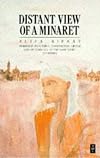
Image credit: from Heinemann AWS edition of Distant View of a Minaret.
Works by Alifa Rifaat
Associated Works
African Rhapsody: Short Stories of the Contemporary African Experience (1994) — Contributor — 23 copies
Tagged
Common Knowledge
- Legal name
- Rifaat, Fatimah Abdullah
- Birthdate
- 1930-06-05
- Date of death
- 1996
- Gender
- female
- Education
- British Institute in Cairo
- Occupations
- author
- Nationality
- Egypt
- Birthplace
- Cairo, Egypt
- Places of residence
- Cairo, Egypt
- Place of death
- Cairo, Egypt
- Map Location
- Egypt
Members
Reviews
I enjoyed this a lot, with one story in particular becoming a "fave forever", My World of the Unknown. Its whimsical, fairy-tale flavour is not typical for the collection, all the other stories have simple realistic plots based on familiar incidences in Egyptian women's limited, humdrum lives--unrequited sexual desire or love, betrayal of infidelity, losing a man's affection, ageing, spinsterhood... Summed up like that they sound downbeat, but Rifaat has enough subtlety and subversive humour show more in painting the situations that the women's resilience and dignity too come across. show less

Sharply honest stories by an Egyptian writing from within the isolated world of Muslim women. Very well crafted.
Alifa Rifaat (1930-1996) was an Egyptian woman, deeply committed to her Muslim faith and sensitive to the deep pain of women. She was educated, but entered an arranged marriage and remained isolated from modern, western ideas. Many books by and about Muslim women defend or attack Islamic treatment of women. Rifaat does neither; she simply writes from the inside of women’s lives, show more sometimes chiding Muslim men for not living up to their obligations to women.
Rifaat’s stories are striking. Some are only a couple of pages long. Most deal with women and how they cope with the loneliness and neglect. Some are explicitly sexual; one of them depicting a woman lying next to her satisfied husband her own desires unsatisfied. Some of the stories have a touch of magic. In one a woman moves into a “haunted house” where she is seduced by a female snake who gives her sexual pleasure she had never received from a man. The stories often took me by surprise; often ending with an unexpected twist. A mother conspires with her daughter to trick her husband, working abroad for a year, into thinking that the girl’s illegitimate child is really the mother’s.
Not all of Rifaat’s stories focus on women. Death is a common theme of hers, and in her stories both women and men die or are affected by the death of another. In one a man who has grown away from his parents and village returns for his father’s funeral and realizes how much he has missed by not sharing with his family when he still had a chance.
Read more: http://wp.me/p24OK2-10y show less
Alifa Rifaat (1930-1996) was an Egyptian woman, deeply committed to her Muslim faith and sensitive to the deep pain of women. She was educated, but entered an arranged marriage and remained isolated from modern, western ideas. Many books by and about Muslim women defend or attack Islamic treatment of women. Rifaat does neither; she simply writes from the inside of women’s lives, show more sometimes chiding Muslim men for not living up to their obligations to women.
Rifaat’s stories are striking. Some are only a couple of pages long. Most deal with women and how they cope with the loneliness and neglect. Some are explicitly sexual; one of them depicting a woman lying next to her satisfied husband her own desires unsatisfied. Some of the stories have a touch of magic. In one a woman moves into a “haunted house” where she is seduced by a female snake who gives her sexual pleasure she had never received from a man. The stories often took me by surprise; often ending with an unexpected twist. A mother conspires with her daughter to trick her husband, working abroad for a year, into thinking that the girl’s illegitimate child is really the mother’s.
Not all of Rifaat’s stories focus on women. Death is a common theme of hers, and in her stories both women and men die or are affected by the death of another. In one a man who has grown away from his parents and village returns for his father’s funeral and realizes how much he has missed by not sharing with his family when he still had a chance.
Read more: http://wp.me/p24OK2-10y show less
3.5 stars
This is the first read of the women in translation challenge (that I just learned not so long ago happens every August, or at least has been happening for the past few years) I joined as a way to challenge myself to read more widely. It is a collection of short stories by Alifa Rifaat, an Egyptian writer, and was translated from Arabic by Denys Johnson-Davies.
The protagonists of these stories are isolated women, some of them widowed, and young girls. The impositions and limitations show more from their expected roles and positions in their society looms throughout the book, and their acceptance of the fate that’s handed to them is rendered beautifully by Rifaat more as a form of grace than resignation and simple acceptance. Rifaat writes of these ordinary lives with compassion and with clarity and simplicity. show less
This is the first read of the women in translation challenge (that I just learned not so long ago happens every August, or at least has been happening for the past few years) I joined as a way to challenge myself to read more widely. It is a collection of short stories by Alifa Rifaat, an Egyptian writer, and was translated from Arabic by Denys Johnson-Davies.
The protagonists of these stories are isolated women, some of them widowed, and young girls. The impositions and limitations show more from their expected roles and positions in their society looms throughout the book, and their acceptance of the fate that’s handed to them is rendered beautifully by Rifaat more as a form of grace than resignation and simple acceptance. Rifaat writes of these ordinary lives with compassion and with clarity and simplicity. show less
Alifa Rifaat was an Egyptian writer who wrote in the 1950s - 1980s and lived a largely very traditional life. Her stories focus on the lives of women, often in rural settings, and present a straightforward view of sex, love and its absence, and death Women's lives are hard, and Rifaat shows their struggles for happiness in a culture in which men often do not live up to the family and sexual obligations required by their religion. Some of the most moving stories involve the closeness some of show more the characters to the rural world and its animals, more so, perhaps, then to other people. The daily five calls to prayer set a rhythm for the book, and mark the passing of time. As with any collection, some stories are better than others, but taken together they provide a vivid sense of time and place and the limitations of a world in which a women's role is circumscribed not only by poverty but also by oppressive tradition. show less
Lists
Awards


You May Also Like


Associated Authors
Statistics
- Works
- 2
- Also by
- 11
- Members
- 221
- Popularity
- #101,334
- Rating
- 3.6
- Reviews
- 6
- ISBNs
- 9
- Languages
- 3
- Favorited
- 1