
Fran Leeper Buss
Author of Journey of the Sparrows
About the Author
Fran Leeper Buss, PhD, is an oral historian whose published oral histories include La Partera: Story of a Midwife; Dignity: Lower income Women Tell of Their Lives and Struggles; Forged under the Sun/Forjada bajo el sol: The Life of Maria Elena Lucas; and Moisture of the Earth: Mary Robinson, Civil show more Rights and Textile Union Activist. The original transcripts of her interviews are housed at the Schlesinger Library on the History of Women in America. show less
Works by Fran Leeper Buss
Dignity: Lower Income Women Tell of Their Lives and Struggles (Women and Culture Series) (1985) 27 copies
Moisture of the Earth: Mary Robinson, Civil Rights and Textile Union Activist (Class : Culture) (2009) 4 copies
Tagged
Common Knowledge
- Gender
- female
Members
Reviews
Summary:
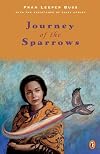
Journey of the Sparrows is a children’s chapter book that explores the difficulties and hardships of the secret lives of young immigrants coming to America. In this story, the main character Maria, her pregnant older sister Julia and their younger brother Oscar, journey across the U.S. border and north to Chicago, the whole time suffering nailed inside of a crate on the back of a truck. The siblings endure this cruel journey into the United States after they witness their father show more and Julia’s husband get killed by Mexican guards. As the danger in Mexico increases, the three siblings are forced by their mother to leave. Although they had to leave behind their mother and younger sister, they plan to work and save money to send for them later. Once they arrive in Chicago, they receive the help from other illegal immigrants to find shelter, food and jobs. They are forced to work under horrible conditions and barely make it through day to day life. Constantly afraid they might get caught and deported, they stay under the radar and Julia can’t even visit a hospital to deliver her baby. They barely make any money and hardly ever have enough food to eat. With the help of others just like them, they are able to overcome their hardships and be reunited with the rest of their family. Although their journey is long, exhausting and extremely dangerous, Maria is forced to grow up at a very young age of fifteen and bring her family to safety.
Comments (arguments/opinions):
This story is a great example of how difficult it is for immigrants in our country. It explores all the hardships and struggles of immigration and surviving to live in a new environment. All of the characters in this story are all very relatable to real immigrants because they possess real personalities and characteristics just like anyone else. They all possess their own strengths and weaknesses and are represented fairly, without stereotypes. As they go through many different struggles, they find ways to resolve their problems and always strive for a better life. When Maria is forced to leave her siblings and go back to Mexico to retrieve her mother and sister, she does it all alone. Just like any other human being, she forces herself to be independent and do what she has to, to survive. This book does not include any illustrations because it is a chapter book, but while reading you can’t help but imagine the scenarios in your mind. The imagery you can receive from this story is phenomenal. The text really does a great job painting a picture for the reader. I think this story would be great for any child who went through a similar immigration struggle or even a move to a new place. It shows that even though times can be rough and moves can cause struggle and hardship, that we all have our family and friends to help us through anything. Even through times like Maria’s, we have the ability to be brave and strive to succeed. show less
Journey of the Sparrows is a children’s chapter book that explores the difficulties and hardships of the secret lives of young immigrants coming to America. In this story, the main character Maria, her pregnant older sister Julia and their younger brother Oscar, journey across the U.S. border and north to Chicago, the whole time suffering nailed inside of a crate on the back of a truck. The siblings endure this cruel journey into the United States after they witness their father show more and Julia’s husband get killed by Mexican guards. As the danger in Mexico increases, the three siblings are forced by their mother to leave. Although they had to leave behind their mother and younger sister, they plan to work and save money to send for them later. Once they arrive in Chicago, they receive the help from other illegal immigrants to find shelter, food and jobs. They are forced to work under horrible conditions and barely make it through day to day life. Constantly afraid they might get caught and deported, they stay under the radar and Julia can’t even visit a hospital to deliver her baby. They barely make any money and hardly ever have enough food to eat. With the help of others just like them, they are able to overcome their hardships and be reunited with the rest of their family. Although their journey is long, exhausting and extremely dangerous, Maria is forced to grow up at a very young age of fifteen and bring her family to safety.
Comments (arguments/opinions):
This story is a great example of how difficult it is for immigrants in our country. It explores all the hardships and struggles of immigration and surviving to live in a new environment. All of the characters in this story are all very relatable to real immigrants because they possess real personalities and characteristics just like anyone else. They all possess their own strengths and weaknesses and are represented fairly, without stereotypes. As they go through many different struggles, they find ways to resolve their problems and always strive for a better life. When Maria is forced to leave her siblings and go back to Mexico to retrieve her mother and sister, she does it all alone. Just like any other human being, she forces herself to be independent and do what she has to, to survive. This book does not include any illustrations because it is a chapter book, but while reading you can’t help but imagine the scenarios in your mind. The imagery you can receive from this story is phenomenal. The text really does a great job painting a picture for the reader. I think this story would be great for any child who went through a similar immigration struggle or even a move to a new place. It shows that even though times can be rough and moves can cause struggle and hardship, that we all have our family and friends to help us through anything. Even through times like Maria’s, we have the ability to be brave and strive to succeed. show less
An interesting interview of an Hispanic woman traditional midwife, living in New Mexico from about 1908-1980's. Except for the preface and introduction, the interviewer's presence is not apparent in the two lengthy chapters which present Jesusita's life. The first chapter is her years of growing up, describing where she lived, the importance of community, the work, and how they lived. The second chapter covers when she moved to a larger town and includes some specific descriptions of show more midwifing. Mostly, however, there is little description of birth details. We learn how traditional midwives were sought out for help with many other health needs the community women might have. Altho sometimes harsh treatment or racist statements of others are recounted, there is no commentary on them. Jesusita's attitude seems to be to accept what happens and move on.
Since I have a niece who is interested in Women's Studies, what impressed me was the self-reflection Buss recorded in her preface, assessing the impact of this interviewing project on her own personal growth, and acknowledging ways she could have done better--which includes her omission of any class or social conflicts. I also have a daughter-in-law who is currently working as a midwife, and I bought this book to share with her, as she is always interested in other traditions.
There are almost 20 pages of photographs, most of which must have come from Jesusita's personal collection. The book ends with 3 sections in the appendix: a review of the health networks active in rural New Mexico and the role they played in providing care; very brief biographies of midwives (Parteras & Medicas) in the area; and very brief biographies of early Anglo female health care providers in the area.
Finally, there is a glossary of the Spanish words used, and a bibliography of references. show less
Since I have a niece who is interested in Women's Studies, what impressed me was the self-reflection Buss recorded in her preface, assessing the impact of this interviewing project on her own personal growth, and acknowledging ways she could have done better--which includes her omission of any class or social conflicts. I also have a daughter-in-law who is currently working as a midwife, and I bought this book to share with her, as she is always interested in other traditions.
There are almost 20 pages of photographs, most of which must have come from Jesusita's personal collection. The book ends with 3 sections in the appendix: a review of the health networks active in rural New Mexico and the role they played in providing care; very brief biographies of midwives (Parteras & Medicas) in the area; and very brief biographies of early Anglo female health care providers in the area.
Finally, there is a glossary of the Spanish words used, and a bibliography of references. show less
Forged under the Sun/Forjada bajo el sol: The Life of Maria Elena Lucas (Women and Culture Series) by María Elena Lucas
Reviewed March 2001
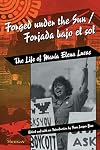
Required reading for History 350, this is a auto bio of a Chicana organizer her childhood and her poisoning by pesticides. The book is peppered with excerpts from her diary and poems. Also included is a play about farmworkers she wrote. Her life was extremely difficult, she is the oldest child of 17, she regularly forgaged from garbage cans for food. She married at 15 to a husband who beat her and forced her to have 8 children. In reading I found out how miserable life show more can be for the very poor, it is still impossible for me to understand how people can stay in this lifestyle. Personally I do not care for this woman, I feel she could have done more for her friends and family if she had taken care of herself first. Owning a home, would have been more stable for her 8 children. She seems to feel that she needs to help everyone, harming herself in the meantime. I'm happy that she is able to express herself by writing and her story is worth reading. I'm sure the impact of her words will help me become a better person.
6-2001 show less
Required reading for History 350, this is a auto bio of a Chicana organizer her childhood and her poisoning by pesticides. The book is peppered with excerpts from her diary and poems. Also included is a play about farmworkers she wrote. Her life was extremely difficult, she is the oldest child of 17, she regularly forgaged from garbage cans for food. She married at 15 to a husband who beat her and forced her to have 8 children. In reading I found out how miserable life show more can be for the very poor, it is still impossible for me to understand how people can stay in this lifestyle. Personally I do not care for this woman, I feel she could have done more for her friends and family if she had taken care of herself first. Owning a home, would have been more stable for her 8 children. She seems to feel that she needs to help everyone, harming herself in the meantime. I'm happy that she is able to express herself by writing and her story is worth reading. I'm sure the impact of her words will help me become a better person.
6-2001 show less

Interview of an Hispanic woman, traditional midwife, living in New Mexico from about 1908-1980's. Except for the preface and introduction, the interviewer's presence is not apparent in the two lengthy chapters which present Jesusita's life.
There are almost 20 pages of photographs, most of which must have come from Jesusita's personal collection. The book ends with 3 sections in the appendix: a review of the health networks active in rural New Mexico and the role they played in providing show more care; very brief biographies of midwives (Parteras & Medicas) in the area; and very brief biographies of early Anglo female health care providers in the area.[return]Finally, there is a glossary of the Spanish words used, and a bibliography of references. show less
There are almost 20 pages of photographs, most of which must have come from Jesusita's personal collection. The book ends with 3 sections in the appendix: a review of the health networks active in rural New Mexico and the role they played in providing show more care; very brief biographies of midwives (Parteras & Medicas) in the area; and very brief biographies of early Anglo female health care providers in the area.[return]Finally, there is a glossary of the Spanish words used, and a bibliography of references. show less
Lists
Awards


You May Also Like


Statistics
- Works
- 8
- Members
- 406
- Popularity
- #59,888
- Rating
- 3.6
- Reviews
- 8
- ISBNs
- 26
- Languages
- 2