
Kimberley Griffiths Little
Author of The Time of the Fireflies
Series
Works by Kimberley Griffiths Little
Tagged
Common Knowledge
- Birthdate
- 20th century
- Gender
- female
- Education
- Brigham Young University
- Organizations
- The Church of Jesus Christ of Latter-day Saints
- Awards and honors
- Whitney Award for Best Youth Novel
- Nationality
- USA
- Places of residence
- San Francisco, California, USA
New Mexico, USA - Associated Place (for map)
- USA
Members
Reviews
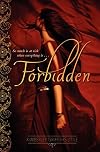
Rich in Detail and Drama
(Full disclosure: I received a free ebook for review through the book blog Batch of Books. Trigger warning for rape.)
1759 BC, the deserts of Mesopotamia. Sixteen-year-old Jayden - daughter of Pharez, of the tribe Nephish - is about to perform the betrothal dance before the women of her tribe, sealing her fate as the soon-to-be-wife of Horeb, her adopted cousin and prince in training. Handsome, powerful, and wealthy, Horeb is considered a real catch by many of the show more young women in this desert-dwelling tribe. Only Jayden sees him for who he truly is - a cold, calculating man, filled with cruelty and sadism. (Perhaps because Horeb only drops his mask for her, delighting in tormenting someone completely lacking in recourse - for when they wed, she will become his property.)
Though their betrothal dates back to their childhoods, there might have been a time when Jayden's father could have renegotiated or even broken it. Originally it was her older sister Leila's marriage to Zenos, the elder of the two brothers, which took precedent. Zenos was first in line to become tribal King upon the death or retirement of his father, Abimelech, and Leila was to rule as his Queen. But all that changed when Zenos died during a raid the previous year - pinning all of her family's hopes on Jayden's thin shoulders.
And while her heart is heavy with doubt and fear, Jayden dances, even as she fantasizes about confiding in her mother Rebekah the next morning. When she awakes, most of the tribe is already packed and en route to its summer lands, the oasis by Tadmur: "the place of weddings and births." It's where Jayden is to be wed to Horeb at the end of the year, and where Rebekah will welcome her newest child into the world. But something is wrong, and the baby is coming early, with only one neighboring family left to help.
(Actually, that's not true; Jayden catches Horeb on his way out, and he brushes her off: "If you want to be married to a tribal chief, you have to get used to doing things on your own.")
Before the day is done, Jayden has buried her mother, as well as one of the two babies growing inside her: a boy named Isaac. With the rest of the tribe long gone - and lone travel across the desert foolish at best - Jayden and her family opt to travel with Shem and his wife and daughters, who are leaving the tribe at Damascus.
Also part of the caravan: a mysterious stranger named Kadesh. Cresting the cliffs just in time to witness Jayden's final heartfelt dance for her freshly buried mother, feverish and sporting a days-old gash in his side, the family decides that he must travel with them - even though it's in the complete opposite direction of where he needs to be. Namely, his uncle's frankincense groves south, near the Red Sea. Though his eventual departure is inevitable, Jayden falls for him hard, their blossoming romance only strengthening her resolve to find a way out of her marriage to Horeb.
The weeks-long journey to Tadmur - where the travelers must battle hunger, thirst, a dwindling herd, raiders, slavers, and rapists - is just the first of many obstacles threatening to undo the young couple. Once they reach the oasis, the danger only grows, as the two are thrust into Horeb's sphere of influence. Backed by generations of custom as well as a tribe full of devoted admirers, Jayden has little hope of asserting her independence and outing Horeb for what he really is - a murderer and a rapist.
(If it seems like I'm dropping major spoilers here, fear not: most of this transpires in the first few chapters. There's plenty more action and plot twists to be found in the 400-page book!)
Forbidden is nothing if not grim. Jayden's world is filled with hardship, disparity, and brutality. Women are treated like chattel, bought and sold by their fathers in exchange for jewels and camels; their very fates decided by the men in their lives. Death is a constant companion, especially during the arduous journeys from place to place, as these desert nomads chase water. Chase life. Life isn't cheap, but rarely will it let you stop to mourn the dead.
Kimberley Griffiths Little tells Jayden's story in rich, evocative prose, bringing the setting to life in vivid detail. Horeb is often in danger of becoming a cartoon villain, but the author does a good enough job of adding depth and complexity to the character. I would have liked to have gotten to know Kadesh a little better - perhaps a little more attention to his character might have made their relationship really spark - but the author's note suggests that this is coming later in the series. At 400 pages, Forbidden is nothing to sniff at. While I largely enjoyed it, I wonder whether Griffiths Little can pull off two more books without losing some steam. As it was, Forbidden skirted the boundary between epic and drawn-out.
Set in Mesopotamia - the area of the Tigris–Euphrates river system, encompassing Iraq, Kuwait, and parts of Syria, Turkey, and Iran - during the First Babylonian Dynasty - Forbidden features a racially and culturally diverse cast. Though Griffiths Little shies away from descriptions of skin color - noting that "researchers still debate what ancient people in Egypt and the Middle East thousands of years ago actually looked like" - her depictions veer toward the dark: dark hair, dark eyes, and occasionally dark skin; e.g., "sun-browned fingers," "the beginnings of a beard showed on his dark skin"; "his features were dark and wild and beautiful all at the same time." Given this, her insistence that "readers can picture the characters however they want to" feels a bit like a cop-out; an invitation to whitewash, if you will. Or maybe I'm just primed to expect whitewashing, given incidents like this and this.
http://www.easyvegan.info/2015/02/11/forbidden-by-kimberley-griffiths-little/ show less
(Full disclosure: I received a free ebook for review through the book blog Batch of Books. Trigger warning for rape.)
1759 BC, the deserts of Mesopotamia. Sixteen-year-old Jayden - daughter of Pharez, of the tribe Nephish - is about to perform the betrothal dance before the women of her tribe, sealing her fate as the soon-to-be-wife of Horeb, her adopted cousin and prince in training. Handsome, powerful, and wealthy, Horeb is considered a real catch by many of the show more young women in this desert-dwelling tribe. Only Jayden sees him for who he truly is - a cold, calculating man, filled with cruelty and sadism. (Perhaps because Horeb only drops his mask for her, delighting in tormenting someone completely lacking in recourse - for when they wed, she will become his property.)
Though their betrothal dates back to their childhoods, there might have been a time when Jayden's father could have renegotiated or even broken it. Originally it was her older sister Leila's marriage to Zenos, the elder of the two brothers, which took precedent. Zenos was first in line to become tribal King upon the death or retirement of his father, Abimelech, and Leila was to rule as his Queen. But all that changed when Zenos died during a raid the previous year - pinning all of her family's hopes on Jayden's thin shoulders.
And while her heart is heavy with doubt and fear, Jayden dances, even as she fantasizes about confiding in her mother Rebekah the next morning. When she awakes, most of the tribe is already packed and en route to its summer lands, the oasis by Tadmur: "the place of weddings and births." It's where Jayden is to be wed to Horeb at the end of the year, and where Rebekah will welcome her newest child into the world. But something is wrong, and the baby is coming early, with only one neighboring family left to help.
(Actually, that's not true; Jayden catches Horeb on his way out, and he brushes her off: "If you want to be married to a tribal chief, you have to get used to doing things on your own.")
Before the day is done, Jayden has buried her mother, as well as one of the two babies growing inside her: a boy named Isaac. With the rest of the tribe long gone - and lone travel across the desert foolish at best - Jayden and her family opt to travel with Shem and his wife and daughters, who are leaving the tribe at Damascus.
Also part of the caravan: a mysterious stranger named Kadesh. Cresting the cliffs just in time to witness Jayden's final heartfelt dance for her freshly buried mother, feverish and sporting a days-old gash in his side, the family decides that he must travel with them - even though it's in the complete opposite direction of where he needs to be. Namely, his uncle's frankincense groves south, near the Red Sea. Though his eventual departure is inevitable, Jayden falls for him hard, their blossoming romance only strengthening her resolve to find a way out of her marriage to Horeb.
The weeks-long journey to Tadmur - where the travelers must battle hunger, thirst, a dwindling herd, raiders, slavers, and rapists - is just the first of many obstacles threatening to undo the young couple. Once they reach the oasis, the danger only grows, as the two are thrust into Horeb's sphere of influence. Backed by generations of custom as well as a tribe full of devoted admirers, Jayden has little hope of asserting her independence and outing Horeb for what he really is - a murderer and a rapist.
(If it seems like I'm dropping major spoilers here, fear not: most of this transpires in the first few chapters. There's plenty more action and plot twists to be found in the 400-page book!)
Forbidden is nothing if not grim. Jayden's world is filled with hardship, disparity, and brutality. Women are treated like chattel, bought and sold by their fathers in exchange for jewels and camels; their very fates decided by the men in their lives. Death is a constant companion, especially during the arduous journeys from place to place, as these desert nomads chase water. Chase life. Life isn't cheap, but rarely will it let you stop to mourn the dead.
Kimberley Griffiths Little tells Jayden's story in rich, evocative prose, bringing the setting to life in vivid detail. Horeb is often in danger of becoming a cartoon villain, but the author does a good enough job of adding depth and complexity to the character. I would have liked to have gotten to know Kadesh a little better - perhaps a little more attention to his character might have made their relationship really spark - but the author's note suggests that this is coming later in the series. At 400 pages, Forbidden is nothing to sniff at. While I largely enjoyed it, I wonder whether Griffiths Little can pull off two more books without losing some steam. As it was, Forbidden skirted the boundary between epic and drawn-out.
Set in Mesopotamia - the area of the Tigris–Euphrates river system, encompassing Iraq, Kuwait, and parts of Syria, Turkey, and Iran - during the First Babylonian Dynasty - Forbidden features a racially and culturally diverse cast. Though Griffiths Little shies away from descriptions of skin color - noting that "researchers still debate what ancient people in Egypt and the Middle East thousands of years ago actually looked like" - her depictions veer toward the dark: dark hair, dark eyes, and occasionally dark skin; e.g., "sun-browned fingers," "the beginnings of a beard showed on his dark skin"; "his features were dark and wild and beautiful all at the same time." Given this, her insistence that "readers can picture the characters however they want to" feels a bit like a cop-out; an invitation to whitewash, if you will. Or maybe I'm just primed to expect whitewashing, given incidents like this and this.
http://www.easyvegan.info/2015/02/11/forbidden-by-kimberley-griffiths-little/ show less
Review courtesy of Dark Faerie Tales
Quick & Dirty: I enjoyed Forbidden with its rich culture and detail, though the dialogue felt forced and awkward to me.
Opening Sentence: Tonight was the night of my betrothal ceremony.
The Review:
In Forbidden, Jayden has been put in a marriage she does not want. She despises the man she is betrothed to, despite him being a prince and future king of their clan, as they wander the deserts. Then she meets Kadesh. He ignites something in her that Horeb has show more never done, but they can never work out. As this happens, she is also trying to reclaim her baby sister, stop her sister from joining the temples, and follow her mother’s dying wishes.
The dialogue in this novel felt super forced. The sentences people said didn’t seem realistic, and it wasn’t just because they were in a different time period or country. No, it just sounded weird. That was one of my more major problems with the novel, and it got pretty annoying after awhile. It’s like if I wanted to invite my friend over. I might ask, “want to hang out?” I wouldn’t say something like, “should you have the time later on in the day, you may stop by my humble abode.” It was awkward. It took simple phrases and lengthened them to odd sentence forms. I don’t know if the author was going for the whole old timey Baylonian talk — if so, it backfired. Here’s an example. “It’d be a relief for him, not to have to fend for his daughters, don’t you think?” Couldn’t that have been phrased in a way that flowed smoother? Another smaller thing about the dialogue was that they used different words than we might in today’s society, but that didn’t bother me. “Birthing hole” made me laugh, though.
The culture of the Babylonians and Mesopotamian desert people was one thing that I did enjoy learning about. A lot of it was centered around dancing, and it was fun to see all the rites and ways they celebrated their religion. The whole book there was this problem with Leila wanting to join this temple in a city, where their mother would have forbidden her to go. In this temple the women are basically religious prostitutes that dance for groups of men, who then choose which they’d like to sleep with. It was interesting how they honored their gods, but I can’t say I approved. In their culture, they also have a lot of arranged marriages, which is what Jayden is dealing with, and it was hard to watch as she fought to escape her betrothal to a character whom, frankly, disgusted me. Not in looks, but in personality and actions.
Horeb was one of the sleeziest, most horrible characters I’ve ever had the misfortune to read about. I despised him with a passion. There were many things he did to Jayden that were so wrong, in so many ways: flirting with other girls as well as sleeping with them, attempting to rape her on numerous occasions (which, by the way, Jayden handled well. You go girl! She never gave in.), and “marking” her with a knife as his wife, the way one might brand a cow. He was a disgusting excuse for a human. He had no merits, whatsoever, and his jealousy and lust are his worst attributes as well as his largest. Other characters were better, such as the main character, Jayden. I respected how she handled her love for Kodesh. She didn’t fall in love with him instantly, no. It took months together before they admitted their feelings, which was realistic, and I enjoyed seeing them grow as a couple. She never gave up, though her personality was somewhat cookie-cutter. I also loved her mother, who died very early on in the novel and stayed with Jayden the entire novel. I loved how Jayden continued to look towards her for guidance long after her death.
Altogether, I found this novel an enjoyable interpretation of the Mesopotamian desert and Babylonia. I liked the rich descriptions of culture and enjoyed the slow romance. It was a little long and sometimes dragged, but once you reach a certain point in the book, everything blows up. Jayden is truly left at a horrible place by the end of the book, and I thought it was a standalone until the last page, so I was upset with the ending until I realized there would be another book to wrap everything up nicer. It was dark, intense, and unique. I enjoyed it, despite the awkward dialogue, and felt strongly about certain characters, which proves I was engaged. I’d recommend this to lovers of ancient culture and forbidden romance!
Notable Scene:
My mother’s face grew thoughtful. “There are times, Jayden, when a woman’s emotions run higher and fuller than the waves on the Gulf of Akabah, threatening to drag her to the bottom and drown her.”
“And what does she do to stop it?” I whispered.
“She prays and smiles and greets it with a strong heart.”
“I think I need a lot more practice.”
FTC Advisory: HarperTeen provided me with a copy of Forbidden. No goody bags, sponsorships, “material connections,” or bribes were exchanged for my review. show less
Quick & Dirty: I enjoyed Forbidden with its rich culture and detail, though the dialogue felt forced and awkward to me.
Opening Sentence: Tonight was the night of my betrothal ceremony.
The Review:
In Forbidden, Jayden has been put in a marriage she does not want. She despises the man she is betrothed to, despite him being a prince and future king of their clan, as they wander the deserts. Then she meets Kadesh. He ignites something in her that Horeb has show more never done, but they can never work out. As this happens, she is also trying to reclaim her baby sister, stop her sister from joining the temples, and follow her mother’s dying wishes.
The dialogue in this novel felt super forced. The sentences people said didn’t seem realistic, and it wasn’t just because they were in a different time period or country. No, it just sounded weird. That was one of my more major problems with the novel, and it got pretty annoying after awhile. It’s like if I wanted to invite my friend over. I might ask, “want to hang out?” I wouldn’t say something like, “should you have the time later on in the day, you may stop by my humble abode.” It was awkward. It took simple phrases and lengthened them to odd sentence forms. I don’t know if the author was going for the whole old timey Baylonian talk — if so, it backfired. Here’s an example. “It’d be a relief for him, not to have to fend for his daughters, don’t you think?” Couldn’t that have been phrased in a way that flowed smoother? Another smaller thing about the dialogue was that they used different words than we might in today’s society, but that didn’t bother me. “Birthing hole” made me laugh, though.
The culture of the Babylonians and Mesopotamian desert people was one thing that I did enjoy learning about. A lot of it was centered around dancing, and it was fun to see all the rites and ways they celebrated their religion. The whole book there was this problem with Leila wanting to join this temple in a city, where their mother would have forbidden her to go. In this temple the women are basically religious prostitutes that dance for groups of men, who then choose which they’d like to sleep with. It was interesting how they honored their gods, but I can’t say I approved. In their culture, they also have a lot of arranged marriages, which is what Jayden is dealing with, and it was hard to watch as she fought to escape her betrothal to a character whom, frankly, disgusted me. Not in looks, but in personality and actions.
Horeb was one of the sleeziest, most horrible characters I’ve ever had the misfortune to read about. I despised him with a passion. There were many things he did to Jayden that were so wrong, in so many ways: flirting with other girls as well as sleeping with them, attempting to rape her on numerous occasions (which, by the way, Jayden handled well. You go girl! She never gave in.), and “marking” her with a knife as his wife, the way one might brand a cow. He was a disgusting excuse for a human. He had no merits, whatsoever, and his jealousy and lust are his worst attributes as well as his largest. Other characters were better, such as the main character, Jayden. I respected how she handled her love for Kodesh. She didn’t fall in love with him instantly, no. It took months together before they admitted their feelings, which was realistic, and I enjoyed seeing them grow as a couple. She never gave up, though her personality was somewhat cookie-cutter. I also loved her mother, who died very early on in the novel and stayed with Jayden the entire novel. I loved how Jayden continued to look towards her for guidance long after her death.
Altogether, I found this novel an enjoyable interpretation of the Mesopotamian desert and Babylonia. I liked the rich descriptions of culture and enjoyed the slow romance. It was a little long and sometimes dragged, but once you reach a certain point in the book, everything blows up. Jayden is truly left at a horrible place by the end of the book, and I thought it was a standalone until the last page, so I was upset with the ending until I realized there would be another book to wrap everything up nicer. It was dark, intense, and unique. I enjoyed it, despite the awkward dialogue, and felt strongly about certain characters, which proves I was engaged. I’d recommend this to lovers of ancient culture and forbidden romance!
Notable Scene:
My mother’s face grew thoughtful. “There are times, Jayden, when a woman’s emotions run higher and fuller than the waves on the Gulf of Akabah, threatening to drag her to the bottom and drown her.”
“And what does she do to stop it?” I whispered.
“She prays and smiles and greets it with a strong heart.”
“I think I need a lot more practice.”
FTC Advisory: HarperTeen provided me with a copy of Forbidden. No goody bags, sponsorships, “material connections,” or bribes were exchanged for my review. show less
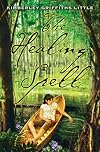
To say that The Healing Spell touched me is an understatement, but I can't quite find the words to accurately describe how much I truly adored this book. Filled with lessons, angst-driven at times and completely uplifting at others, it is one of those books that truly made a mark on my life as a reader. From the moment I started the book I fell in love with Livie and her sisters. In fact, this book had the power to transport me back to the days when I too felt like Livie did. Lost, lonely at show more times, and yet still always loved.
My love for Livie started when, as I mentioned above, she reminded me of that tough time between being a child and becoming a teen. At 11 years old, Livie isn't sure where she fits in the world around her. She doesn't quite get the "girlie" things that her sisters do, but she isn't quite comfortable being described as a tomboy either. Watching her navigate this difficult time in her life was so deeply touching. As I watched her make decisions, some good and others bad, I fell more in love with her character. Livie is one of those flawed, realistic characters that I adore. You see the cracks, but you love her all the more for them.
As for the story itself, it is pure magic. I think I cried more during this book than any other that I've read, as I contemplated how I came to be the person that I am now. We've all been through what Livie is going through, even if it wasn't the exact same. The sheer honesty between these pages is what really drew me in. Unfortunately, there isn't too much I can say without giving the plot away, so instead I'll gush over the setting! It is so apparent that Kimberly Griffiths Little researched the bayou that she set Livie and her family in. The lush setting jumps off the page at the reader, and I am sure I learned more about Louisiana bayous than I ever knew before. Besides being the perfect backdrop for Livie's story of hope and growth, it is also a fascinating entity in its own right.
You can probably tell from my gushing, albeit rambling, review that I really fell in love with this book. I'll be sad to part with my copy when I give it away tomorrow, but I'm looking forward to purchasing one of my own! The Healing Spell will definitely be one of those books that I'll read again. I'm looking forward to it. show less
My love for Livie started when, as I mentioned above, she reminded me of that tough time between being a child and becoming a teen. At 11 years old, Livie isn't sure where she fits in the world around her. She doesn't quite get the "girlie" things that her sisters do, but she isn't quite comfortable being described as a tomboy either. Watching her navigate this difficult time in her life was so deeply touching. As I watched her make decisions, some good and others bad, I fell more in love with her character. Livie is one of those flawed, realistic characters that I adore. You see the cracks, but you love her all the more for them.
As for the story itself, it is pure magic. I think I cried more during this book than any other that I've read, as I contemplated how I came to be the person that I am now. We've all been through what Livie is going through, even if it wasn't the exact same. The sheer honesty between these pages is what really drew me in. Unfortunately, there isn't too much I can say without giving the plot away, so instead I'll gush over the setting! It is so apparent that Kimberly Griffiths Little researched the bayou that she set Livie and her family in. The lush setting jumps off the page at the reader, and I am sure I learned more about Louisiana bayous than I ever knew before. Besides being the perfect backdrop for Livie's story of hope and growth, it is also a fascinating entity in its own right.
You can probably tell from my gushing, albeit rambling, review that I really fell in love with this book. I'll be sad to part with my copy when I give it away tomorrow, but I'm looking forward to purchasing one of my own! The Healing Spell will definitely be one of those books that I'll read again. I'm looking forward to it. show less
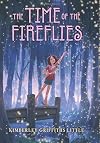
Larissa Renaud doesn't live in a regular house. As she tells it,
"My parents moved us into the Bayou Bridge Antique Store—a fact I do not brag about. It's embarrassing to admit I share the same space as musty, mothball-smelly furniture, dusty books, and teacups that dead people once drank from."
Sometimes she wishes they had never come back here from Baton Rouge, but her family has a long history in the bayou town, much of it is tragic.
When Larissa receives a mysterious call on a broken show more antique phone, she's got a real mystery on her hands.
"Trust the fireflies,"
the ghostly girl tells her, setting Larissa on a strange and eerie path of discovery. Can Larissa right the wrongs of the past to save her family's future?
Though it highlights rural poverty, bullying, and new sibling issues, The Time of the Fireflies is at heart, a ghost story with a remarkably likable and resourceful protagonist.
To avoid giving away too much, I'll merely mention that readers may see some similarities to Rebecca Stead's Newbery Medal-winning, When You Reach Me. The spunky Larissa and author Kimberly Griffiths Little will draw you into the rich world of the Louisiana bayou until you too, are carried away by the fireflies.
http://shelf-employed.blogspot.com show less
"My parents moved us into the Bayou Bridge Antique Store—a fact I do not brag about. It's embarrassing to admit I share the same space as musty, mothball-smelly furniture, dusty books, and teacups that dead people once drank from."
Sometimes she wishes they had never come back here from Baton Rouge, but her family has a long history in the bayou town, much of it is tragic.
When Larissa receives a mysterious call on a broken show more antique phone, she's got a real mystery on her hands.
"Trust the fireflies,"
the ghostly girl tells her, setting Larissa on a strange and eerie path of discovery. Can Larissa right the wrongs of the past to save her family's future?
Though it highlights rural poverty, bullying, and new sibling issues, The Time of the Fireflies is at heart, a ghost story with a remarkably likable and resourceful protagonist.
To avoid giving away too much, I'll merely mention that readers may see some similarities to Rebecca Stead's Newbery Medal-winning, When You Reach Me. The spunky Larissa and author Kimberly Griffiths Little will draw you into the rich world of the Louisiana bayou until you too, are carried away by the fireflies.
http://shelf-employed.blogspot.com show less
Awards


You May Also Like


Statistics
- Works
- 9
- Members
- 944
- Popularity
- #27,222
- Rating
- 4.1
- Reviews
- 27
- ISBNs
- 32
- Favorited
- 1