
Christopher Nicholson (1)
Author of The Elephant Keeper
For other authors named Christopher Nicholson, see the disambiguation page.
Works by Christopher Nicholson
Tagged
Common Knowledge
- Gender
- male
Members
Reviews

Winter is an historical fiction onion of a novel. From the outside, it appears to be focused on Thomas Hardy's (entirely fictional) increasing obsession with the daughter of his muse for Tess of the D'Urbervilles, a woman whom he wishes to take the lead in the first London theatre production of Tess. Yet as you get deeper into the novel, you realise that's not the point of the book at all. That plot line is merely a vehicle for peeling back the layers of the marriage of Hardy and his second show more wife Florence, and that's where this novel really opened up for me.
Nicholson approaches the novel with chapters from differing narrative voices, the main ones being that of Hardy and Florence. Taking the plot line of Hardy's attraction to Gertrude, the amateur actress who depicts his beloved Tess so well, we see their differing perspectives, with Nicholson nailing perfectly how an issue can take on such seismic differing proportions depending on people's individual viewpoints. Whilst Thomas Hardy views his appreciation of Gertrude as an old man's harmless and unrequited private fantasy in his later years, as his wife's suspicions arise it becomes a catalyst for hysteria and pulling apart the wider fabric of their marriage.
Their relationship is one of stereotypical gender imbalance born out of traditional gender roles. Hardy, the 'important writer', wants to be left in peace to his musing about Gertie and his poetry, whilst Florence, 'bad with her nerves' (or more likely perimenopausal and at her wits end living a subservient life with a husband who has likely married her more out of affection and usefulness than love) begins to question everything about their marriage. It's a classic 'Men are from Mars, Women are from Venus' dynamic. In Hardy's head their life is good, and he wishes to stay in the calm of the cave that is his study. Meanwhile, in Florence's head their marriage and her world has exploded, and the more she runs into the cave after Hardy seeking solace, the more he retreats into its depths. It's a superb depiction of the ramifications of poor communication in a marriage, and how resolvable issues can become so impacting.
Winter is a melancholic novel, but one that feels very sympathetic to its era. The narration in this audio version was superb, and I felt like I was listening to the audio of a dramatisation of a classic period novel. Its plot is totally fictional, and I listened to it not as a book about Thomas Hardy, but more as general fiction about a famous writer and his second wife.
4 stars - this was a joy to my weary ears to listen to on my way home from work. It may be too sombre for some, but if you enjoy books that really get into characters' heads it's terrific. show less
Nicholson approaches the novel with chapters from differing narrative voices, the main ones being that of Hardy and Florence. Taking the plot line of Hardy's attraction to Gertrude, the amateur actress who depicts his beloved Tess so well, we see their differing perspectives, with Nicholson nailing perfectly how an issue can take on such seismic differing proportions depending on people's individual viewpoints. Whilst Thomas Hardy views his appreciation of Gertrude as an old man's harmless and unrequited private fantasy in his later years, as his wife's suspicions arise it becomes a catalyst for hysteria and pulling apart the wider fabric of their marriage.
Their relationship is one of stereotypical gender imbalance born out of traditional gender roles. Hardy, the 'important writer', wants to be left in peace to his musing about Gertie and his poetry, whilst Florence, 'bad with her nerves' (or more likely perimenopausal and at her wits end living a subservient life with a husband who has likely married her more out of affection and usefulness than love) begins to question everything about their marriage. It's a classic 'Men are from Mars, Women are from Venus' dynamic. In Hardy's head their life is good, and he wishes to stay in the calm of the cave that is his study. Meanwhile, in Florence's head their marriage and her world has exploded, and the more she runs into the cave after Hardy seeking solace, the more he retreats into its depths. It's a superb depiction of the ramifications of poor communication in a marriage, and how resolvable issues can become so impacting.
Winter is a melancholic novel, but one that feels very sympathetic to its era. The narration in this audio version was superb, and I felt like I was listening to the audio of a dramatisation of a classic period novel. Its plot is totally fictional, and I listened to it not as a book about Thomas Hardy, but more as general fiction about a famous writer and his second wife.
4 stars - this was a joy to my weary ears to listen to on my way home from work. It may be too sombre for some, but if you enjoy books that really get into characters' heads it's terrific. show less

Thomas Hardy was completely infatuated. He pondered whether he was in love. He went further and wondered whether the feeling was returned. He mentioned it to no one. Thomas Hardy was eighty-four. Gertrude Bugler was twenty-six. Mrs Hardy was forty-six and not at all pleased.
Christopher Nicholson has taken these three people and created a fictionalized look at actual events. The Hardys were living at Max Gate, the home Hardy had built for his first wife Emma. The second Mrs Hardy, Florence, show more loathed the place. She felt it made her physically ill. The trees that Hardy had planted were now full grown. Florence believed that spores from the trees caused cancer. Thomas believed the trees would feel the pain of being cut down, effectively murdered, and refused to do anything. They were a major cause of contention.
Then one day, it occurred to Florence that preparations for the upcoming local stage production of [Tess of the D'Urbervilles] were entirely too focussed on Gertrude Bugler. Gertrude was to play Tess. Years earlier Thomas had seen Gertrude's mother and based his description of Tess on her. Now he believed Gertrude was the only person to play Tess, right down to her perfect "Wessex" accent. The play went ahead and Gertrude was engaged to play the role in the upcoming London production.
Florence put down her foot. Thomas fought back. Florence found poems Thomas had written about Gertrude. Not able to tell Thomas she had found them, she intensified the battle of the trees instead.
Nicholson uses the third person narrator to tell Hardy's part of the story. Florence's side is told in the first person. Gertrude tells what little she knows of her part in it all. Nicholson does an excellent job of portraying Hardy's intransigence, Florence's rising hysteria, and Gertrude's confusion. He also explores other aspects of their personalities, especially that of Hardy as he contemplated death and his legacy. There was Hardy in the churchyard envisioning his own funeral, counting up who would attend.
He also thought of how he would be remembered and what they would say of him. He knew his novels would survive for awhile, but worried about his poetry.
Winter is tinged with the sorrow of both Florence and Thomas realizing the increasing barrenness of their lives. Hardy's poetry has failed him. Florence is now past child bearing and is facing years on her own. All in all, this was an excellent, if sombre portrayal of two people locked in a mismatched marriage, and of the writer in winter. show less
Christopher Nicholson has taken these three people and created a fictionalized look at actual events. The Hardys were living at Max Gate, the home Hardy had built for his first wife Emma. The second Mrs Hardy, Florence, show more loathed the place. She felt it made her physically ill. The trees that Hardy had planted were now full grown. Florence believed that spores from the trees caused cancer. Thomas believed the trees would feel the pain of being cut down, effectively murdered, and refused to do anything. They were a major cause of contention.
Then one day, it occurred to Florence that preparations for the upcoming local stage production of [Tess of the D'Urbervilles] were entirely too focussed on Gertrude Bugler. Gertrude was to play Tess. Years earlier Thomas had seen Gertrude's mother and based his description of Tess on her. Now he believed Gertrude was the only person to play Tess, right down to her perfect "Wessex" accent. The play went ahead and Gertrude was engaged to play the role in the upcoming London production.
Florence put down her foot. Thomas fought back. Florence found poems Thomas had written about Gertrude. Not able to tell Thomas she had found them, she intensified the battle of the trees instead.
Nicholson uses the third person narrator to tell Hardy's part of the story. Florence's side is told in the first person. Gertrude tells what little she knows of her part in it all. Nicholson does an excellent job of portraying Hardy's intransigence, Florence's rising hysteria, and Gertrude's confusion. He also explores other aspects of their personalities, especially that of Hardy as he contemplated death and his legacy. There was Hardy in the churchyard envisioning his own funeral, counting up who would attend.
...and who was that? Barrie! He was pleased by that; excellent that Barrie had bothered to come down, the old fox. There was Augustus John looking his usual angry self, glaring at the universe. O, and Kipling, too, with a fat moustache, even fatter than Barrie's.
He also thought of how he would be remembered and what they would say of him. He knew his novels would survive for awhile, but worried about his poetry.
He was a famous man; his death would have been reported in every newspaper, with long obituary notices and lavish tributes. Would any record the struggles of his early years?... Would any say how much doubt and uncertainty had dogged his footsteps, and how much determination and perseverance had been necessary to achieve what he had achieved? No, they would not say anything of the sort. How little they knew! And quite right, too: there was no need for them to know everything.
Winter is tinged with the sorrow of both Florence and Thomas realizing the increasing barrenness of their lives. Hardy's poetry has failed him. Florence is now past child bearing and is facing years on her own. All in all, this was an excellent, if sombre portrayal of two people locked in a mismatched marriage, and of the writer in winter. show less
How disappointing! I was looking forward to this book about the later years of one of my favorite authors, Thomas Hardy, but the main characters were so unlikable and the narratives slow and repetitive that I almost gave up on this one (and probably should have). Hardy is 84 focusing on poetry. He lives in a country home with his second wife, Florence, who is roughly half his age. She is one of the most annoying, unpleasant characters I have ever encountered. And Hardy is not much better. show more The story is told by three narrators, the Hardys and Gertie, a young wife and mother who has played Tess in a local production and has dreams is introducing the role on the London stage.
Florence is a hypochondriac, and I would also consider her a hysterical. She had a small growth on her neck that she felt sure was cancerous and went to three doctors until she found one who agreed that it might be a concern and removed it. Now she is obsessed with her scar, continuously wearing a wrap with a Fox head and fussing to make sure her scar is covered. She has convinced herself that her health issues are caused by the large pines on the property and begs her husband relentlessly about cutting them down or cutting them back. When she isn't whining about the trees, she's whining, "You don't love me. You don't love me as much as you loved your first wife. Did you ever really love me?" Despite of all this whining, by the end of the book, she is calculating how much money she will have when Thomas dies and fantasizing about who she might choose for her next husband. Oh, and about removing the trees, of course.
Lest you feel sorry for Thomas, never fear, he is equally annoying. He has become obsessed with Gertie and spends his time writing love poems to her that are never sent, gazing at one of her hairs that he has preserved in a book, and fantasizing about eloping with her. Remember that Gertie is a married woman in her 20s, a new mother whose only interest in Hardy is that his influence might get her the role of Tess on the London stage. I guess we're supposed to see him as a man nearing death longing for one last stab at youth, but I found him foolish and annoying. He does either ignore Florence or treat her condescending, but I really can't blame him for that.
Gertie is the only somewhat likeable character. She loves her baby and is committed to her husband, but she does dream of acting in London and is thrilled when Hardy arranges a limited run of Tess in London. She and her husband have agreed that they will work things out so that she can leave for a month. But Florence suspects that Thomas has designs on Gertie and then finds the love letters. She feels threatened by the fact that the two will be in London without her. Her first plan of attack is to nag Thomas to withdraw the role, claiming that Gertie should be with her baby, that the separation could ruin her marriage, and that the girl could be destroyed by negative reviews. When that doesn't work, she goes to Gertie's house and claims that "Mr. Hardy and I" think it best that she write to the producer and decline the role, citing the reasons above. When Gertie remains unconvinced, Florence become hysterical and confesses that Thomas is infatuated with her, and she agrees to withdraw from the play.
This review is more detailed than I usually like, but I want to give readers sufficient reason to avoid this plodding, annoying novel. Read Hardy's novels instead. show less
Florence is a hypochondriac, and I would also consider her a hysterical. She had a small growth on her neck that she felt sure was cancerous and went to three doctors until she found one who agreed that it might be a concern and removed it. Now she is obsessed with her scar, continuously wearing a wrap with a Fox head and fussing to make sure her scar is covered. She has convinced herself that her health issues are caused by the large pines on the property and begs her husband relentlessly about cutting them down or cutting them back. When she isn't whining about the trees, she's whining, "You don't love me. You don't love me as much as you loved your first wife. Did you ever really love me?" Despite of all this whining, by the end of the book, she is calculating how much money she will have when Thomas dies and fantasizing about who she might choose for her next husband. Oh, and about removing the trees, of course.
Lest you feel sorry for Thomas, never fear, he is equally annoying. He has become obsessed with Gertie and spends his time writing love poems to her that are never sent, gazing at one of her hairs that he has preserved in a book, and fantasizing about eloping with her. Remember that Gertie is a married woman in her 20s, a new mother whose only interest in Hardy is that his influence might get her the role of Tess on the London stage. I guess we're supposed to see him as a man nearing death longing for one last stab at youth, but I found him foolish and annoying. He does either ignore Florence or treat her condescending, but I really can't blame him for that.
Gertie is the only somewhat likeable character. She loves her baby and is committed to her husband, but she does dream of acting in London and is thrilled when Hardy arranges a limited run of Tess in London. She and her husband have agreed that they will work things out so that she can leave for a month. But Florence suspects that Thomas has designs on Gertie and then finds the love letters. She feels threatened by the fact that the two will be in London without her. Her first plan of attack is to nag Thomas to withdraw the role, claiming that Gertie should be with her baby, that the separation could ruin her marriage, and that the girl could be destroyed by negative reviews. When that doesn't work, she goes to Gertie's house and claims that "Mr. Hardy and I" think it best that she write to the producer and decline the role, citing the reasons above. When Gertie remains unconvinced, Florence become hysterical and confesses that Thomas is infatuated with her, and she agrees to withdraw from the play.
This review is more detailed than I usually like, but I want to give readers sufficient reason to avoid this plodding, annoying novel. Read Hardy's novels instead. show less
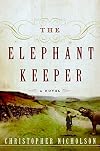
I was very disappointed with this book. Elephants are my favorite animals and the beginning of the novel was so promising. However things took a turn for the worse when Tom, the elephant keeper, began to experience romantic ardor for the female elephant in his care. Borderline bestiality?? Ok, I'll push through that awkwardness and keep reading. My reward? A rape scene where Tom even admits that he wishes he could repeat the act when he watches the young woman lying unconscious from shock show more and trauma. It was at that point that I gave up and tossed the book across the room. I wanted to read about elephants, not the depravity of man. show less
Lists
Awards


You May Also Like


Statistics
- Works
- 4
- Members
- 682
- Popularity
- #37,082
- Rating
- 3.5
- Reviews
- 68
- ISBNs
- 62
- Languages
- 3
