
Gerald Legg
Author of From Caterpillar to Butterfly (Lifecycles)
About the Author
Series
Works by Gerald Legg
Tagged
Common Knowledge
- Gender
- male
Members
Reviews
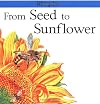
This is an informative picture book that follows a sunflower’s process from seed to plant. It begins with a seed and shows how the seed splits, produces a shoot, forms roots, lifts from the ground, and produces a flower. The book then details where the seeds are located and how they form using the process of pollination. It also explains how the seeds are distributed by animals, bugs, and weather.
I loved how informative the book was. It used very specific terms and the illustrations were show more very accurate and captivating. They even added pictures and names of common insects and small animals one might experience in nature. However, I can see how the book could be kind of boring to some children since it is purely informative. I think it could be used as an introduction into a unit on plants or photosynthesis.
Classroom Extension Ideas:
1. Have the class plant their own sunflower seeds in clear plastic cups. Let them water them and inspect them every day so that they can watch each stage. Have them keep a sunflower diary to track their plants growth and chronicle what they have learned.
2. Have the children research more about pollination and the role insects play in the plant’s life cycle. They can draw a picture or write a story about what they learned. show less
I loved how informative the book was. It used very specific terms and the illustrations were show more very accurate and captivating. They even added pictures and names of common insects and small animals one might experience in nature. However, I can see how the book could be kind of boring to some children since it is purely informative. I think it could be used as an introduction into a unit on plants or photosynthesis.
Classroom Extension Ideas:
1. Have the class plant their own sunflower seeds in clear plastic cups. Let them water them and inspect them every day so that they can watch each stage. Have them keep a sunflower diary to track their plants growth and chronicle what they have learned.
2. Have the children research more about pollination and the role insects play in the plant’s life cycle. They can draw a picture or write a story about what they learned. show less
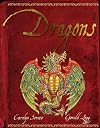
The map uses illustrations that take up whole continental regions, making it very difficult to pinpoint the locations. The art is all by the illustrator, which, compared to Eyewitness books, is a terrible choice, as 'emperor's robes' and etc. should be photographed, not created. Also, it says, for example, that Mahjong is a game of chance, full stop, whereas the truth is that skillful players have a much better chance of winning.... so, I wonder what other facts are wrong or misrepresented. show more It is the most thorough children's non-fiction book on the subject I've seen this month, though. If you want to use it, be sure to complement it with others. show less
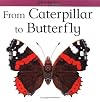
This is a great, straight-forward book to supplement any elementary unit on life cycles, butterflies, and/or insects. Students will love the colorful photos!
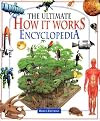
This is a very colorfully illustrated book. Since it talks about how things work there is a lot of details included to support the text. The text is chunked on the pages and located near the illustrations. The great illustration definitely draw you into wanting to read about the picture.
The book is divided up into nine sections and each section is broken down into several more sections with a separate content page at that part of the book. For example the section on 'Discovering the show more Universe' is broken down into sections like 'Big Bang', 'The Solar System', 'Rocket Power', and 'Mars Pathfinder'.
This is could be a Reference Book only, with a possibility of being able to check it out. show less
The book is divided up into nine sections and each section is broken down into several more sections with a separate content page at that part of the book. For example the section on 'Discovering the show more Universe' is broken down into sections like 'Big Bang', 'The Solar System', 'Rocket Power', and 'Mars Pathfinder'.
This is could be a Reference Book only, with a possibility of being able to check it out. show less
You May Also Like


Statistics
- Works
- 39
- Members
- 1,311
- Popularity
- #19,588
- Rating
- 3.5
- Reviews
- 11
- ISBNs
- 129
- Languages
- 4