
Maya Slater
Author of The Private Diary of Mr. Darcy
About the Author
Image credit: photo by Monica Garnsey
Works by Maya Slater
Associated Works
Fathers and Sons [Norton Critical Edition] (1862) — Translator, some editions — 548 copies, 6 reviews
Critique of the School for Wives / Learned Women / Misanthrope / School for Wives / Tartuffe / Versailles Impromptu (2001) — Translator, some editions — 387 copies, 2 reviews
Jane Austen Made Me Do It: Original Stories Inspired by Literature's Most Astute Observer of the Human Heart (2011) — Contributor — 287 copies, 31 reviews
Tagged
Common Knowledge
- Legal name
- Slater, Maya
- Gender
- female
- Education
- University of Oxford (Somerville College)
- Occupations
- lecturer (university, retired)
- Agent
- Charlie Campbell (Ed Victor)
- Relationships
- Slater, Nicolas Pasternak (husband)
- Short biography
- Maya started writing fiction on taking early retirement. Before that she was a lecturer at London University, specialising in French literature. She published several academic books.
Nowadays she is concentrating on fiction, but keeps up her academic interests, and is currently a Senior Research Fellow of her old college, Queen Mary, University of London. She lives in London with her husband who retired from being a hospital doctor and also writes. They have two journalist daughters and four small grandchildren, who live nearby.
See Maya's website on http://www.MayaSlater.com - Nationality
- England
UK - Places of residence
- London, England, UK
- Associated Place (for map)
- England, UK
Members
Reviews
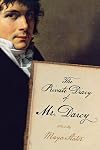
The Private Diary of Mr. Darcy: A Novel. I was sent this novel as an early reviewer book several months ago. I didn't open it right away, and now I'm regretting that fact because this book is a fun, fast read that should entertain any fan of Jane Austen's work. The novel tells the story of Pride and Prejudice from Mr. Darcy's perspective through the medium of his private diary. Slater does a good job of inventing Mr. Darcy's motivations and imagining his emotions as he moves through his show more relationship with Elizabeth. Slater sticks closely enough to Austen's text and characters to make her story believable. The main players - Elizabeth, Jane, Charles, and Mr. Darcy - don't depart suddenly from the personalities assigned to them by Austen. Slater saves her imaginative moments to flesh out the minor characters from Austen's novel - Georgiana Darcy, Colonel Fitzwilliam, and Ann De Bourgh all receive extra treatment. This book's one failing for me was the prominent role played by the poet, Lord Byron. I did not mind him as a friend of Darcy's but I did mind spending so much time with him (especially during Darcy's visit to his estate). The themes he represented - debauchery, irresponsibility, bachelor life - were important, but I would have preferred Slater to spend less time reconstructing Byron's life in the novel and more time on Darcy himself. Nevertheless, this was a very entertaining partner to Austen's novel, and I'd recommend it to anyone interested in hearing the "other side" of the story. show less
 This review was written for LibraryThing Early Reviewers.
Well, here we go again. Another “sequel,” or Jane Austen spinoff. The Private Diary of Mr. Darcy is just that—Mr. Darcy’s story as told through his own eyes.
The story covers pretty much the same time period as Pride and Prejudice, and is essentially a retelling of the famous novel—with none of Pride and Prejudice’s wit or humor. She even steals lines directly from Austen! Slater creates nothing truly new with this novel, but at the same time she doesn’t even stick with what we show more know of the characters from Jane Austen’s novel (it’s often overlooked, but in Austen’s book, Mr. Bingley has about four sisters). It was hard for me to believe, too, that Darcy would be friends with Byron.
Nor is there any kind of historical accuracy (in many places in the book, for example, Darcy refers to Caroline Bingley and Mr. and Mrs. Hurst by their first names, where in reality they would have been known as Miss Bingley, Mrs. Hurst, and Hurst). All the characters in this book are one-dimensional, and in the end you don’t really know much about Mr. Darcy, except for what he does all day long. There’s no emotion or feeling, and I finished this book with a kind of flat feeling. Slater’s Mr. Darcy and Elizabeth Bennet have none of the chemistry that made Austen’s characters so appealing. The constant mentions of sex were pretty bad, too. This book is just another Pride and Prejudice spinoff. It reminds me of why I shouldn't be reading these kinds of books. show less
The story covers pretty much the same time period as Pride and Prejudice, and is essentially a retelling of the famous novel—with none of Pride and Prejudice’s wit or humor. She even steals lines directly from Austen! Slater creates nothing truly new with this novel, but at the same time she doesn’t even stick with what we show more know of the characters from Jane Austen’s novel (it’s often overlooked, but in Austen’s book, Mr. Bingley has about four sisters). It was hard for me to believe, too, that Darcy would be friends with Byron.
Nor is there any kind of historical accuracy (in many places in the book, for example, Darcy refers to Caroline Bingley and Mr. and Mrs. Hurst by their first names, where in reality they would have been known as Miss Bingley, Mrs. Hurst, and Hurst). All the characters in this book are one-dimensional, and in the end you don’t really know much about Mr. Darcy, except for what he does all day long. There’s no emotion or feeling, and I finished this book with a kind of flat feeling. Slater’s Mr. Darcy and Elizabeth Bennet have none of the chemistry that made Austen’s characters so appealing. The constant mentions of sex were pretty bad, too. This book is just another Pride and Prejudice spinoff. It reminds me of why I shouldn't be reading these kinds of books. show less
This review was written for LibraryThing Early Reviewers.Finally, a Darcy story that true Austen-lovers can enjoy! Maya Slater's The Private Diary of Mr. Darcy artfully blends original ideas with the concepts of the well-known original to strike an interesting balance between a classic and a contemporary view. I greatly enjoyed Slater's work.
The conception of rewriting Jane Austen's classic novel Pride and Prejudice from the point of view of Mr. Darcy is far from original; a quick search on Amazon.com produces a number of results including such show more contributions as Mr. Darcy's Diary: A Novel, The Confession of Fitzwilliam Darcy, Mr Darcy Takes a Wife, and Darcy's Story (which does not include all the titles currently available). Having read Darcy's Story relatively recently I found myself hesitant to pursue another book of the same type; my previous reading revealed the work to be little more than ill-conceived fan fiction, and I cringed as the author butchered her way through the original brilliance of the work. However, when presented with the opportunity to read Maya Slater's take on LibraryThing's Early Reviewers I saw no harm in giving a different rendition of Darcy's story a go.
As I first began The Private Diary of Mr. Darcy I was disappointed to find that Slater's composition seemed to fall into this category. However, as I continued the novel I was pleasantly surprised by what I found, and believe my initial impression was colored by Darcy's Story. Unlike other Darcy stories, which attempt to sympathize and humanize Austen's severe and austere character, Slater manages to contribute to the story without severely altering the original character as established in Pride and Prejudice. While the epistolary-like qualities of the book allow the reader greater insight into the "honest" thoughts and motivations behind Mr. Darcy's actions and personality, Slater steers away from the trap of overly-romanticizing Fitzwilliam himself. Some events are expounded and Darcy's internal turmoil is put on full display, but his occasionally-ostentatious observations and responses are preserved as Slater demonstrates the result of being born and bred a gentleman of means and principles in the late-eighteenth century.
While I still have a few complaints about the novel itself - such as the persistent and unnecessary presence of Lord Byron - I feel that Slater's conception is honest and fairly faithful, and would put it before all other attempts I have come across so far. show less
The conception of rewriting Jane Austen's classic novel Pride and Prejudice from the point of view of Mr. Darcy is far from original; a quick search on Amazon.com produces a number of results including such show more contributions as Mr. Darcy's Diary: A Novel, The Confession of Fitzwilliam Darcy, Mr Darcy Takes a Wife, and Darcy's Story (which does not include all the titles currently available). Having read Darcy's Story relatively recently I found myself hesitant to pursue another book of the same type; my previous reading revealed the work to be little more than ill-conceived fan fiction, and I cringed as the author butchered her way through the original brilliance of the work. However, when presented with the opportunity to read Maya Slater's take on LibraryThing's Early Reviewers I saw no harm in giving a different rendition of Darcy's story a go.
As I first began The Private Diary of Mr. Darcy I was disappointed to find that Slater's composition seemed to fall into this category. However, as I continued the novel I was pleasantly surprised by what I found, and believe my initial impression was colored by Darcy's Story. Unlike other Darcy stories, which attempt to sympathize and humanize Austen's severe and austere character, Slater manages to contribute to the story without severely altering the original character as established in Pride and Prejudice. While the epistolary-like qualities of the book allow the reader greater insight into the "honest" thoughts and motivations behind Mr. Darcy's actions and personality, Slater steers away from the trap of overly-romanticizing Fitzwilliam himself. Some events are expounded and Darcy's internal turmoil is put on full display, but his occasionally-ostentatious observations and responses are preserved as Slater demonstrates the result of being born and bred a gentleman of means and principles in the late-eighteenth century.
While I still have a few complaints about the novel itself - such as the persistent and unnecessary presence of Lord Byron - I feel that Slater's conception is honest and fairly faithful, and would put it before all other attempts I have come across so far. show less
This review was written for LibraryThing Early Reviewers.The Private Diary of Mr. Darcy by Maya Slater was puzzling. It accurately portrayed the life of a wealthy man of normal habits during the reign of George III. It roughly paralleled Pride and Prejudice but didn’t mirror it. There were very few quotes from Pride and you really had to know Pride in order to follow the story. This Darcy didn’t sound as much like Austen’s Darcy as I would have wished. I thought his characterization untrue to the original.
I kept reading this book looking for show more the hook that would link it in my heart with Pride. I didn’t find it. And there were three plot devices that just seemed wrong to me.
In the first, I had a very difficult time accepting the premise the author uses to poison Darcy against Jane Bennet and remove Bingley from the neighborhood. Supposedly Darcy overhears officers criticizing Jane and Elizabeth. But why would he take the word of officers he knows to be friends of Wickham’s, who he abhors and despises? I just couldn’t accept this premise. It is much easier to accept Austen’s premises that Darcy's convinced that Jane's heart is not involved and that he’s saving Bingley from marrying into a vulgar family. That alone would be enough in the rigid class society of the early 19th century to prevent the marriage. Darcy’s anguishing over his decision and going back and forth in his mind is tiresome.
The second is the use of George Gordon, Lord Byron, as a character. Why, in heaven’s name? Even if Darcy knew him, his interludes with Byron do nothing to move the story forward in my opinion. I’m assuming the research is accurate and the types of parties Byron would have held reasonable, but I don’t think they had a place in a book trying to work off of Pride and Prejudice.
The third is the “true” explanation of Wickham’s relationship with Georgiana Darcy. If the premise is correct, I thought Darcy would have done much more to punish Wickham and prevent his being seen in polite society. It presents Darcy as essentially spineless and not in keeping with the strength of character and honor that I think of him.
If you take the book at face value, the private diary of a Georgian gentleman, it is full of interesting detail, obviously well researched, and it works. However, as part of the Pride and Prejudice story, I found it lacking. show less
I kept reading this book looking for show more the hook that would link it in my heart with Pride. I didn’t find it. And there were three plot devices that just seemed wrong to me.
In the first, I had a very difficult time accepting the premise the author uses to poison Darcy against Jane Bennet and remove Bingley from the neighborhood. Supposedly Darcy overhears officers criticizing Jane and Elizabeth. But why would he take the word of officers he knows to be friends of Wickham’s, who he abhors and despises? I just couldn’t accept this premise. It is much easier to accept Austen’s premises that Darcy's convinced that Jane's heart is not involved and that he’s saving Bingley from marrying into a vulgar family. That alone would be enough in the rigid class society of the early 19th century to prevent the marriage. Darcy’s anguishing over his decision and going back and forth in his mind is tiresome.
The second is the use of George Gordon, Lord Byron, as a character. Why, in heaven’s name? Even if Darcy knew him, his interludes with Byron do nothing to move the story forward in my opinion. I’m assuming the research is accurate and the types of parties Byron would have held reasonable, but I don’t think they had a place in a book trying to work off of Pride and Prejudice.
The third is the “true” explanation of Wickham’s relationship with Georgiana Darcy. If the premise is correct, I thought Darcy would have done much more to punish Wickham and prevent his being seen in polite society. It presents Darcy as essentially spineless and not in keeping with the strength of character and honor that I think of him.
If you take the book at face value, the private diary of a Georgian gentleman, it is full of interesting detail, obviously well researched, and it works. However, as part of the Pride and Prejudice story, I found it lacking. show less
This review was written for LibraryThing Early Reviewers.Lists
Austenland (1)
You May Also Like


Associated Authors
Statistics
- Works
- 6
- Also by
- 5
- Members
- 245
- Popularity
- #92,909
- Rating
- 3.8
- Reviews
- 39
- ISBNs
- 14
- Favorited
- 1


