
Aline Sax
Author of The War within These Walls
Works by Aline Sax
Tagged
Common Knowledge
- Birthdate
- 1984-03-20
- Gender
- female
- Education
- University of Antwerp
- Occupations
- researcher
- Organizations
- Ghent University (Institute for Public History)
- Nationality
- Belgium
- Birthplace
- Wilrijk, Belgium
- Places of residence
- Antwerp, Belgium
- Associated Place (for map)
- Belgium
Members
Reviews
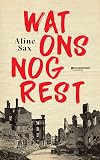
Aline Sax heeft geschiedenis gestudeerd en schreef haar doctoraat over de tweede wereldoorlog. Haar historische jeugdboek ’Wat ons nog rest’ heeft de Boon-literatuurprijs voor kinder- en jeugdboeken gewonnen. Volgens haar is er niets abnormaals aan een historica die fictie schrijft, omdat je zo de oude wereld tot leven kan wekken.
We luisteren.
Door het bidden,
het jammeren,
het huilen heen,
luisteren we naar buiten.
In ’Wat ons nog rest’ probeert een zeventienjarig meisje op het einde show more van de tweede wereldoorlog uit de klauwen van de Russische soldaten te blijven. Berlin ligt in puin, er is voedselschaarste en op haar familie hoeft ze niet te rekenen. Pas op het einde van haar vluchtavontuur kom je haar naam te weten. Haar persoonlijkheid van bange doorzetter is je dan al lang duidelijk.
Vrouwen kruipen naar buiten,
vanonder het puin,
onder het stof.
Belangrijker dan de inhoud is de vormgeving in deze verzennovelle. Ieder woord is belangrijk: let op het lidwoord bij ’einde’ en ’begin’, de titels van de twee delen van deze young adult. De plaats van de woorden en zelfs de witregels hebben een betekenis. De klank en het ritme van haar poëtische taalgebruik benadrukken zowel de miserie van het bange meisje als ook de kracht van de vrouw in wording.
Alles
hebben wij
aan de Führer
te danken.
Ook de ruïnes.
De vermiste vaders.
De dode broers.
Het is ongelooflijk, hoe Aline Sax in het hoofd van een volk kan kruipen dat niet het hare is, zich in een situatie kan inleven die ze zelf nooit heeft beleefd, zich in een tijd kan verplaatsen die voltooid verleden is. Of toch niet? Er lopen nog altijd Henrikes rond die hét gevaar proberen te ontvluchten. Dagelijks bewijzen ze, hoeveel (veer)kracht er in meisjes en vrouwen schuilt. show less
We luisteren.
Door het bidden,
het jammeren,
het huilen heen,
luisteren we naar buiten.
In ’Wat ons nog rest’ probeert een zeventienjarig meisje op het einde show more van de tweede wereldoorlog uit de klauwen van de Russische soldaten te blijven. Berlin ligt in puin, er is voedselschaarste en op haar familie hoeft ze niet te rekenen. Pas op het einde van haar vluchtavontuur kom je haar naam te weten. Haar persoonlijkheid van bange doorzetter is je dan al lang duidelijk.
Vrouwen kruipen naar buiten,
vanonder het puin,
onder het stof.
Belangrijker dan de inhoud is de vormgeving in deze verzennovelle. Ieder woord is belangrijk: let op het lidwoord bij ’einde’ en ’begin’, de titels van de twee delen van deze young adult. De plaats van de woorden en zelfs de witregels hebben een betekenis. De klank en het ritme van haar poëtische taalgebruik benadrukken zowel de miserie van het bange meisje als ook de kracht van de vrouw in wording.
Alles
hebben wij
aan de Führer
te danken.
Ook de ruïnes.
De vermiste vaders.
De dode broers.
Het is ongelooflijk, hoe Aline Sax in het hoofd van een volk kan kruipen dat niet het hare is, zich in een situatie kan inleven die ze zelf nooit heeft beleefd, zich in een tijd kan verplaatsen die voltooid verleden is. Of toch niet? Er lopen nog altijd Henrikes rond die hét gevaar proberen te ontvluchten. Dagelijks bewijzen ze, hoeveel (veer)kracht er in meisjes en vrouwen schuilt. show less
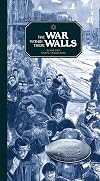
Wow. What a powerful little book. I've read several things on the Warsaw Uprisings, both fiction and non-fiction and this ranks right up there with the best. I love the way the words and pictures combine to create such pain and suffering and sadly, truth. The perfect blend of black and white and gray. The pages having only a few words conveyed so much. I commend these artists, to tell this important story with so few words, pictures and feelings is incredible. This book belongs in all our show more school libraries. show less
 This review was written for LibraryThing Early Reviewers.
Powerful language combined with stark yet beautiful drawings make this short novel arresting. Although marketed as a young adult novel in the US, I found nothing juvenile about the treatment or the language.
Misha and his family are Polish Jews imprisoned in the Warsaw Ghetto by the Germans during the Holocaust. As more and more people are forced into the ghetto, the threat of starvation rises. Misha begins crossing to the Aryan side of the wall via the sewers to find food for his family. show more The knowledge of the underground passages serves him well when he joins a group of Jewish fighters determined to make the Germans pay when they come to liquidate the ghetto.
Similar to a graphic novel, the drawings are integral to the storytelling. Particularly moving was the juxtaposition of black text on white pages with the occasional black page with white text. Although the story of the Warsaw Uprising is well-known, this telling is worth reading for its visual and emotional impact. show less
Misha and his family are Polish Jews imprisoned in the Warsaw Ghetto by the Germans during the Holocaust. As more and more people are forced into the ghetto, the threat of starvation rises. Misha begins crossing to the Aryan side of the wall via the sewers to find food for his family. show more The knowledge of the underground passages serves him well when he joins a group of Jewish fighters determined to make the Germans pay when they come to liquidate the ghetto.
Similar to a graphic novel, the drawings are integral to the storytelling. Particularly moving was the juxtaposition of black text on white pages with the occasional black page with white text. Although the story of the Warsaw Uprising is well-known, this telling is worth reading for its visual and emotional impact. show less
This review was written for LibraryThing Early Reviewers.The War Within These Walls is the the poetic first-person account of a Jewish boy imprisoned in the Warsaw ghetto during WWII.
The words are few, but those words are powerful. The illustrations are emotive; I could feel their sorrow and suffering. The overall effect is startling.
I've read many books about the Holocaust. This book has had the most profound effect.
I consider this a must-read for my son. I believe this is both a must-read for adults and young people. History will teach us show more nothing if we fail to pay attention. show less
The words are few, but those words are powerful. The illustrations are emotive; I could feel their sorrow and suffering. The overall effect is startling.
I've read many books about the Holocaust. This book has had the most profound effect.
I consider this a must-read for my son. I believe this is both a must-read for adults and young people. History will teach us show more nothing if we fail to pay attention. show less
This review was written for LibraryThing Early Reviewers.Lists
Awards


You May Also Like


Associated Authors
Statistics
- Works
- 20
- Members
- 367
- Popularity
- #65,578
- Rating
- 4.0
- Reviews
- 30
- ISBNs
- 36
- Languages
- 4
