
Jan Gehl
Author of Cities for People
About the Author
Works by Jan Gehl
زندگی در فضای میان ساختمانها 2 copies
Η ζωή ανάμεσα στα κτήρια 2 copies
Адамға арналған қалалар 2 copies
屋外空間の生活とデザイン 2 copies
Život mezi budovami 2 copies
Viața între clădiri 2 copies
Places for People: Melbourne 2 copies
شهر انسانی 1 copy
Cum se studiaza viata urbana 1 copy
مدن للناس 1 copy
公共空间 公共生活 1 copy
人間の街 公共空間のデザイン 1 copy
Města pro lidi 1 copy
Gradovi za ljude 1 copy
เมืองของผู้คน 1 copy
Oraşe pentru oameni 1 copy
La Vida Entre los Edificios 1 copy
Новые городские пространства 1 copy
Nové městské prostory 1 copy
ЖИЗНЬ СРЕДИ ЗДАНИЙ 1 copy
交往与空间 1 copy
Sejerø Kirke 1 copy
Nærkontakt med huse : Byer til mennesker [Close Encounters with house : Cities for People] in Danish 1 copy
書刊名/作者 戶外空間的場所行為 1 copy
Tagged
Common Knowledge
- Birthdate
- 1936-09-17
- Gender
- male
- Education
- Royal Danish Academy of Fine Arts (M. Arch. 1960)
- Occupations
- architect
- Nationality
- Denmark
- Places of residence
- Copenhagen, Denmark
- Associated Place (for map)
- Copenhagen, Denmark
Members
Reviews
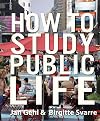
Jan Gehl’s How to study public life is a short but well presented vademecum of his work’s message. If you have read other books or texts by Gehl, you’ll recognize its messages. Architects and urban planners, unfortunately, seem unable to learn the simple ways how to make buildings and cities more human-friendly. Time and again, the same mistakes occur and concrete wastelands are created. The Matthew effect ("the rich get richer and the poor get poorer") is alive in architecture and show more urban planning: Most of the cities that apply Jan Gehl’s lessons are already wealthy and highly ranked on the lists of livable cities. Hopefully, he will find American disciples to carry on the torch and make US cities more attractive. A great little book! show less
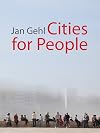
A lucid explanation of why urban design should be driven by how humans actually move through and perceive spaces, the integrated details at sidewalk level as seen by pedestrians. Stands in opposition to the modernist trend for the past 50 years to plan individual buildings as seen from an aerial view, which gave little consideration for how buildings and spaces would be experienced on the ground.

Lists
Awards

You May Also Like


Associated Authors
Statistics
- Works
- 54
- Members
- 735
- Popularity
- #34,565
- Rating
- 4.4
- Reviews
- 21
- ISBNs
- 78
- Languages
- 19
- Favorited
- 2