

Blanche Wiesen Cook
Author of Eleanor Roosevelt, Volume 1: 1884-1933
About the Author
Blanche Wiesen Cook is Professor of History and Women's Studies at John Jay College and the Graduate Center, City University of New York. Her books include Eleanor Roosevelt, Volume I, which won the Los Angeles Times Book Prize and numerous other awards. (Bowker Author Biography)
Series
Works by Blanche Wiesen Cook
Associated Works
Booknotes: America's Finest Authors on Reading, Writing, and the Power of Ideas (1997) — Contributor — 457 copies, 5 reviews
Wrestling with Zion: Progressive Jewish-American Responses to the Israeli-Palestinian Conflict (2003) — Contributor — 84 copies, 1 review
Tagged
Common Knowledge
- Birthdate
- 1941-04-20
- Gender
- female
- Education
- Johns Hopkins University (PhD)
- Occupations
- professor
biographer
historian - Organizations
- City University of New York
John Jay College
CUNY Graduate Center
American Historical Association
Organization of American Historians
American Studies Association (show all 14)
Peace History Society
Women in the Historical Profession
Society of Historians of American Foreign Relations
PEN
Berkshire Conference of Women Historians
Pi Sigma Alpha
Phi Alpha Theta
American Academy of Arts and Sciences - Nationality
- USA
- Birthplace
- New York, New York, USA
- Associated Place (for map)
- New York, USA
Members
Reviews
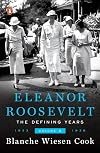
This second volume of the the biography deepens my appreciation of Eleanor (and slightly reduces my admiration for FDR). Eleanor stakes out her own intellectual and social and political territory in these years. While she remains loyal to her husbands goals and tactics (to a certain extent), she speaks and acts independently on causes that are important to her. I was interested to see how much her independence was accepted by the media and people at this time; it seems to me that a First show more Lady is not allowed as much of her own political agenda in the 21st century as Eleanor took 80 years ago. show less
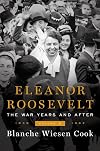
Summary: The third and final volume in this biography of Eleanor Roosevelt, covering her advocacy, friendships, and relationship with Franklin during the war years, and briefly, her accomplishments after his death.
I had often heard that Eleanor Roosevelt did as much to redefine the role of First Lady as her husband did the Presidency, perhaps more. This work, volume three of a biography of Eleanor Roosevelt (who the author usually refers to as "ER") helped me understand that she did far more show more than that, in the war years and after.
She was a prodigious writer and her daily columns often and weekly broadcasts sometimes had more influence than her husband's speeches. She represented her husband not only at various domestic functions but in a number of overseas trips including extensive journeys in the southwest Pacific (at some personal risk) and Latin America. And she hosted countless functions at the White House, and their Hyde Park residence, including a visit from the royal family. Her address to the 1940 Democratic Convention may have saved the day for Roosevelt in that election.
Perhaps what stood out most was her advocacy--progressive even by today's standards. Most striking was her tireless advocacy for Jewish refugees before, during, and after the war. She was among the earliest to recognize the impending holocaust and struggled against a resistant State Department as well as foreign governments to rescue refugees attempting to flee the Nazi threat. And sadly, as in so many instances since, including the genocide in Aleppo, the U.S. as well as other powers turned away from the most vulnerable. Yet there were many who owed their lives to her.
Cook chronicles her efforts to end the oppression against blacks, including her support for the Tuskegee airmen, trained but sitting at a U.S. air base. She fought for voting rights against the poll taxes, and even late in life, was one of the foremost voices urging college youth to go south in the early sixties to support voting registration. She argued for social and economic assistance for those in Depression-era poverty, including a basic level of nutrition, housing, and health care, recognizing that deficiencies in these area hampered employment, as well as the fitness of young men to serve in the approaching conflict. Later on, she would propose support for college education, incorporated into the G.I. Bill.
Because she fought so many progressive causes, she often was criticized (and even monitored by the FBI) for ties with Communists. She was actually vociferously anti-Communist in her statements but her support for groups like the American Youth Congress made her suspect. Her visibility made her a target for attacks on her husband's policies.
The book does a good job exploring her complex relationship with Franklin. She knew of his affairs, including that with Lucy Mercer Rutherford (who was with him when he died), and came to terms with this. He both valued her principled advocacy and was annoyed by it, and sometimes set limits on what she could do for political reasons. She constantly pushed her ideas, and pushed him, and Cook sees some of her language and ideas in his best speeches. Some of the complexity relates as well with the intimate friendships ER had with Lorena Hickock, and the circle of women who were close friends, several including Hickock known to be lesbian . How intimate is not clear here (I appreciated the biographer's restraint), but plainly her closeness to Hickock, Tommy (her secretary) and others sustained her in the times when for personal or political reasons Franklin was distant.
The bulk of the book (540 pages) concern the war years up to the death of Franklin. Only the last 30 pages discuss the last seventeen years of her life, although not her death. Most of this is focused around her role in the first U.S. delegation to the newly formed United Nations, and to her lead role in the drafting of the Universal Declaration of Human Rights, a document that may be as significant as the Magna Carta and the Declaration of Independence in enunciating basic human freedoms. Articles 1 to 22 in this declaration concern personal and political freedoms that were finally ratified in Congress in 1992. The social and economic freedoms of Articles 23 to 30 never have been. Even today, then, the document stands as a challenge to all governments, including that of the United States, of the high ideals of human freedom, rarely attained in any of our countries.
Perhaps it goes without saying, but Eleanor Roosevelt broke new paths for women, not only in the White House, but in politics, in journalism, in the military, and industry. Her example and advocacy, as well as her stubborn persistence (described well in her work with an all-male U.N. delegation), won her the respect of the men with whom she worked and opened doors for other women.
Reading the final volume made me want to go back to the first two. In volume three, we see who Eleanor Roosevelt had become and at the top of her influence. One almost can't help but want to trace the influences and decisions that formed a woman like this. Perhaps the publishers will release the biography as a set, now that it is complete. Welcomed or not, it might make a good gift to the incoming First Lady.
_______________________________
Disclosure of Material Connection: I received this book free from the publisher . I was not required to write a positive review. The opinions I have expressed are my own. show less
I had often heard that Eleanor Roosevelt did as much to redefine the role of First Lady as her husband did the Presidency, perhaps more. This work, volume three of a biography of Eleanor Roosevelt (who the author usually refers to as "ER") helped me understand that she did far more show more than that, in the war years and after.
She was a prodigious writer and her daily columns often and weekly broadcasts sometimes had more influence than her husband's speeches. She represented her husband not only at various domestic functions but in a number of overseas trips including extensive journeys in the southwest Pacific (at some personal risk) and Latin America. And she hosted countless functions at the White House, and their Hyde Park residence, including a visit from the royal family. Her address to the 1940 Democratic Convention may have saved the day for Roosevelt in that election.
Perhaps what stood out most was her advocacy--progressive even by today's standards. Most striking was her tireless advocacy for Jewish refugees before, during, and after the war. She was among the earliest to recognize the impending holocaust and struggled against a resistant State Department as well as foreign governments to rescue refugees attempting to flee the Nazi threat. And sadly, as in so many instances since, including the genocide in Aleppo, the U.S. as well as other powers turned away from the most vulnerable. Yet there were many who owed their lives to her.
Cook chronicles her efforts to end the oppression against blacks, including her support for the Tuskegee airmen, trained but sitting at a U.S. air base. She fought for voting rights against the poll taxes, and even late in life, was one of the foremost voices urging college youth to go south in the early sixties to support voting registration. She argued for social and economic assistance for those in Depression-era poverty, including a basic level of nutrition, housing, and health care, recognizing that deficiencies in these area hampered employment, as well as the fitness of young men to serve in the approaching conflict. Later on, she would propose support for college education, incorporated into the G.I. Bill.
Because she fought so many progressive causes, she often was criticized (and even monitored by the FBI) for ties with Communists. She was actually vociferously anti-Communist in her statements but her support for groups like the American Youth Congress made her suspect. Her visibility made her a target for attacks on her husband's policies.
The book does a good job exploring her complex relationship with Franklin. She knew of his affairs, including that with Lucy Mercer Rutherford (who was with him when he died), and came to terms with this. He both valued her principled advocacy and was annoyed by it, and sometimes set limits on what she could do for political reasons. She constantly pushed her ideas, and pushed him, and Cook sees some of her language and ideas in his best speeches. Some of the complexity relates as well with the intimate friendships ER had with Lorena Hickock, and the circle of women who were close friends, several including Hickock known to be lesbian . How intimate is not clear here (I appreciated the biographer's restraint), but plainly her closeness to Hickock, Tommy (her secretary) and others sustained her in the times when for personal or political reasons Franklin was distant.
The bulk of the book (540 pages) concern the war years up to the death of Franklin. Only the last 30 pages discuss the last seventeen years of her life, although not her death. Most of this is focused around her role in the first U.S. delegation to the newly formed United Nations, and to her lead role in the drafting of the Universal Declaration of Human Rights, a document that may be as significant as the Magna Carta and the Declaration of Independence in enunciating basic human freedoms. Articles 1 to 22 in this declaration concern personal and political freedoms that were finally ratified in Congress in 1992. The social and economic freedoms of Articles 23 to 30 never have been. Even today, then, the document stands as a challenge to all governments, including that of the United States, of the high ideals of human freedom, rarely attained in any of our countries.
Perhaps it goes without saying, but Eleanor Roosevelt broke new paths for women, not only in the White House, but in politics, in journalism, in the military, and industry. Her example and advocacy, as well as her stubborn persistence (described well in her work with an all-male U.N. delegation), won her the respect of the men with whom she worked and opened doors for other women.
Reading the final volume made me want to go back to the first two. In volume three, we see who Eleanor Roosevelt had become and at the top of her influence. One almost can't help but want to trace the influences and decisions that formed a woman like this. Perhaps the publishers will release the biography as a set, now that it is complete. Welcomed or not, it might make a good gift to the incoming First Lady.
_______________________________
Disclosure of Material Connection: I received this book free from the publisher . I was not required to write a positive review. The opinions I have expressed are my own. show less
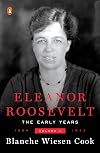
What a fascinating woman was Eleanor Roosevelt! Blanche Wiesen Cook's excellent biography (to which I would have given five stars had the omission of source for a rather disturbing quotation not made me question her research) allows ER to live on the page and often to speak for herself. For the most part, Cook presents the relevant material and allows the reader to draw her own conclusions.
ER was a daughter of the Oyster Bay Roosevelts who married a son of the Hyde Park Roosevelts. Her show more mother was cold to her; her father adored her and she him, but his alcoholism separated him from his family. Taken in by her grandmother after their deaths, she was eventually exposed to a superior teacher who taught her to expand and trust her brilliant mind. Her marriage to FDR was a love match which he betrayed in 1918, from which time ER learned to shape her life in order to be useful and loved as she was able.
The last two thirds of the book follows her on this quest and necessarily also introduces the ins and outs of the feminist movement of the twenties and the politics of New York and the nation.
ER herself emerges with the vulnerabilities of a child of an alcoholic and with the courage of an indomitable spirit. I'm very much looking forward to volume 2! show less
ER was a daughter of the Oyster Bay Roosevelts who married a son of the Hyde Park Roosevelts. Her show more mother was cold to her; her father adored her and she him, but his alcoholism separated him from his family. Taken in by her grandmother after their deaths, she was eventually exposed to a superior teacher who taught her to expand and trust her brilliant mind. Her marriage to FDR was a love match which he betrayed in 1918, from which time ER learned to shape her life in order to be useful and loved as she was able.
The last two thirds of the book follows her on this quest and necessarily also introduces the ins and outs of the feminist movement of the twenties and the politics of New York and the nation.
ER herself emerges with the vulnerabilities of a child of an alcoholic and with the courage of an indomitable spirit. I'm very much looking forward to volume 2! show less
I think it goes without saying that Eleanor Roosevelt was a fascinating person both in and out of the political arena. What astounds me the most is how Cook could write such a thorough biography despite so much of Eleanor's personal correspondence either lost or destroyed. I am in awe of what Cook could have done if she had everything ER had ever written. Here's what we do know - research has concluded that Eleanor had an unhappy childhood. She grew up shy and awkward. She a cold mother who show more died when Eleanor was eight and a father who was practically nonexistent. Research also supports her unhappy marriage to Franklin D. Roosevelt, a man who was clearly a mama's boy and did nothing to hide his adulterous indiscretions. All of Eleanor's political and humanitarian endeavors and alliances are carefully documented. All the facts about Eleanor Roosevelt as a historical icon are there. But what Cook is able to illustrate in meticulous detail is Mrs. Roosevelt's courageous, determined, caring personality. Once ER found independence she sought to better herself at every chance she got. She surrounded herself with men and women who would become lifelong friends. There is so much detail to Cook's biography that you feel as though you've just had a conversation with Eleanor herself about her life's work. My only complaint? As an "out" lesbian I felt Cook was trying too hard to find the lesbian angle with ER's relationship with Lorena Hickok, among others. show less
Lists
Awards


You May Also Like


Associated Authors
Statistics
- Works
- 14
- Also by
- 7
- Members
- 2,227
- Popularity
- #11,508
- Rating
- 4.0
- Reviews
- 23
- ISBNs
- 34
- Favorited
- 1