
Douglas Edwards (1) (1958–)
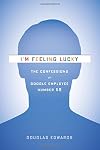
Author of I'm Feeling Lucky: The Confessions of Google Employee Number 59
For other authors named Douglas Edwards, see the disambiguation page.
About the Author
Douglas Edwards was the director of consumer marketing; and brand management at Google from 1999 to 2005 and was responsible for setting the tone and direction of the company's communications with its users. Before joining Google, Edwards was the online brand group manager for the San Jose Mercury show more News and the Novosibirsk correspondent for the public radio program Marketplace. show less
Image credit: via YouTube
Works by Douglas Edwards
Tagged
Common Knowledge
Members
Reviews
This is a better book than I anticipated. Edwards was obviously fascinated by Google's founders, and the culture of the company they created. We watch as they repeatedly reorganize the leadership structure--an important concern for a middle manager--and as the author learns how he can contribute to the company. It's an interesting, nitty-gritty view of the office (and its politics) from a privileged seat. This is well worth your time.
Google reminds me of Carnegie Steel. Like Carnegie, Google show more is closely controlled, respects statistics, and is consciously disruptive. New technology is constantly put in place; failed projects are scrapped and forgotten. The leadership worries a lot about competitors, and embraces change as a competitive tool. Small edges are constantly devised and implemented, while big, industry-changing innovations are rolled out with astonishing regularity. Also: Like Andrew Carnegie, Sergey Brin and Larry Page are kinda preachy, and seem blind to some of the impacts and pitfalls of their colossus.
Andrew Carnegie eventually retired, and worked hard at giving away his fortune. His successors--JP Morgan allies--rebuilt the company into another model. It seems probable that Google will meet a similar fate, and that worries me far more than the casual arrogance of the company founders.
This short review has also been published on a dabbler's journal. show less
Google reminds me of Carnegie Steel. Like Carnegie, Google show more is closely controlled, respects statistics, and is consciously disruptive. New technology is constantly put in place; failed projects are scrapped and forgotten. The leadership worries a lot about competitors, and embraces change as a competitive tool. Small edges are constantly devised and implemented, while big, industry-changing innovations are rolled out with astonishing regularity. Also: Like Andrew Carnegie, Sergey Brin and Larry Page are kinda preachy, and seem blind to some of the impacts and pitfalls of their colossus.
Andrew Carnegie eventually retired, and worked hard at giving away his fortune. His successors--JP Morgan allies--rebuilt the company into another model. It seems probable that Google will meet a similar fate, and that worries me far more than the casual arrogance of the company founders.
This short review has also been published on a dabbler's journal. show less

Fascinating! In the tech world, Google has always had an air of mystery about it, and this insider's view of the company in the early years reveals some of the secrets. It isn't a strategic business manual, but rather a memoir of the happenings of the first few years of the Silicon Valley powerhouse. The author was Google's first director of marketing, so his perspective is interesting, since so much of the company is focused around engineering and product development and NOT marketing. A show more primary message that I took away - Google is not a good company to work for if you have a life, because being a "Googler" means that Google IS your life. I also found the dynamic between Marissa Mayer and Doug so awkward and annoying to read about - poor Doug and good for him for dealing with her for as long as he did. Sure she might be a genius, but holy ego trip! When I got to the end of the book, I found myself really wanting to know how much money the author made off his stock, but alas, he doesn't share the number, only hints at it being significant. show less
Posted on my blog:
Title: I’m Feeling Lucky: The Confessions of Google Employee Number 59
Author: Douglas Edwards
Pages: 390 (hardcover)
Summary: Google had a crazy path from start-up to technology giant and I’m a sucker for tech start-ups, so this book was very appealing to my inner nerd. It is told, however, from a marketing department employee who joined Google early in its development, but always seemed to be just sort of along for the ride. While Edwards certainly contributed to Google show more brand significantly, he approaches the story of Google’s development while he was there with an approach more similar to a fly on the wall and only sometimes talks about his own adventures.
As someone who hadn’t followed Google’s rise to power very closely and simply adored the search capability when I found it (and Gmail when I was introduced to that) it was very interesting to read about the very eccentric personalities of the original idea makers. While reading this book I was constantly intimidated by the brilliance of the people working at Google, and as someone who has seen multiple recent grads get rejected from Google’s hiring crusade, it was almost reassuring.
This book tells the tale of Google from a small 60 person start-up to a giant tech company that just went public, but I sometimes found myself lost in a see of short stories. Edwards approaches this 6 year story as a collection of short episodes and often jumps to events years before or after the current story to explain some dynamic of the current telling. This meant that I rarely knew where exactly I was in the timeline of the book, but it didn’t really worry me that much. What I enjoyed about this book was the fascinating insight into what a successful start-up model is, the very entertaining stories about some now very important people, and a better understanding of what Google’s goals really were throughout this whole development.
If you like tech at all, especially if you think the quirky but brilliant techies that are currently taking over the world are people you’d like to hang with, I’d recommend picking up this book. I found it getting a little long in the middle, but once I got past 2/3 I rushed to the end because I had finally figured out the style and was content floating along the quantum jumping timeline.
More reviews at http://www.onstarshipsanddragonwings.com/ show less
Title: I’m Feeling Lucky: The Confessions of Google Employee Number 59
Author: Douglas Edwards
Pages: 390 (hardcover)
Summary: Google had a crazy path from start-up to technology giant and I’m a sucker for tech start-ups, so this book was very appealing to my inner nerd. It is told, however, from a marketing department employee who joined Google early in its development, but always seemed to be just sort of along for the ride. While Edwards certainly contributed to Google show more brand significantly, he approaches the story of Google’s development while he was there with an approach more similar to a fly on the wall and only sometimes talks about his own adventures.
As someone who hadn’t followed Google’s rise to power very closely and simply adored the search capability when I found it (and Gmail when I was introduced to that) it was very interesting to read about the very eccentric personalities of the original idea makers. While reading this book I was constantly intimidated by the brilliance of the people working at Google, and as someone who has seen multiple recent grads get rejected from Google’s hiring crusade, it was almost reassuring.
This book tells the tale of Google from a small 60 person start-up to a giant tech company that just went public, but I sometimes found myself lost in a see of short stories. Edwards approaches this 6 year story as a collection of short episodes and often jumps to events years before or after the current story to explain some dynamic of the current telling. This meant that I rarely knew where exactly I was in the timeline of the book, but it didn’t really worry me that much. What I enjoyed about this book was the fascinating insight into what a successful start-up model is, the very entertaining stories about some now very important people, and a better understanding of what Google’s goals really were throughout this whole development.
If you like tech at all, especially if you think the quirky but brilliant techies that are currently taking over the world are people you’d like to hang with, I’d recommend picking up this book. I found it getting a little long in the middle, but once I got past 2/3 I rushed to the end because I had finally figured out the style and was content floating along the quantum jumping timeline.
More reviews at http://www.onstarshipsanddragonwings.com/ show less
This was a real interesting read about Google from a marketing lead employee involved from when even he had to take a turn arranging server cables until not long after Google went public. As one might imagine, this look under the covers finds things at Google were not always rosy and without rancor: Engineering vs. Non-Engineering, missteps, etc.
One thing I found interesting is how badly they let the early g-mail context sensitive ads go wrong. After all, spam filter are computers reading show more email and marking them as junk all the time, had they listened to their marketing people, they could have had another billion dollar idea. But, well, they had so many... show less
One thing I found interesting is how badly they let the early g-mail context sensitive ads go wrong. After all, spam filter are computers reading show more email and marking them as junk all the time, had they listened to their marketing people, they could have had another billion dollar idea. But, well, they had so many... show less
Awards

You May Also Like


Statistics
- Works
- 3
- Members
- 296
- Popularity
- #79,167
- Rating
- 3.4
- Reviews
- 17
- ISBNs
- 26
- Languages
- 2
- Favorited
- 1