
Peninnah Schram
Author of Jewish Stories One Generation Tells Another
About the Author
Peninnah Schram, an internationally known storyteller, author, and recording artist, is Associate Professor of Speech and Drama at Yeshiva University's Stern College and Azrieli Graduate School. As a storyteller, she is known for her elegant and dynamic way of telling stories. She is a recipient of show more the prestigious Covenant Award for Outstanding Jewish Educators from The Covenant Foundation and The Circle of Excellence Award from the National Storytelling Network. She lives in New York City. show less
Works by Peninnah Schram
A Storyteller's Journey, II — Narrator — 2 copies
When does the story begin 1 copy
the big summer 1 copy
Associated Works
Solomon and the Ant: And Other Jewish Folktales (2006) — Introduction/Commentary — 76 copies, 2 reviews
Tagged
Common Knowledge
- Gender
- female
- Education
- University of Connecticut (BA)
Columbia University (MA) - Organizations
- Iona College
Stern College, Yeshiva University - Short biography
- [from Yeshiva University website]
Professor Peninnah Schram joined the speech and drama department of Stern College in the fall of 1969 after teaching at Iona College for 2 years. She developed the first college course in Jewish storytelling in the mid-1970s and produced three Jewish Storytelling Festivals at Stern College for Women.
She is a recipient of a 1995 Covenant Award for Outstanding Jewish Educator and the 2003 National Storytelling Network's Lifetime Achievement Award. She has received national recognition for her work in storytelling, including a National Jewish Book Award and two Anne Izard Storytellers' Choice Awards. YU held a Folktales of Israel Festival in her honor on November 6, 2011. A book, Mitzvah Stories: Seeds for Inspiration and Learning, was published in her honor (November 2011) with 60 never-before-published stories by rabbis, educators and storytellers. Foreword was written by YU President Richard Joel.
She is the author of twelve books of Jewish folktales including The Apple Tree's Discovery, Mitzvah Stories (one of the editors and in honor of Peninnah), The Hungry Clothes and Other Jewish Folktales, The Magic Pomegranate, The Purim Costume, A Tree in the Garden, The Chanukah Blessing, and Stories Within Stories: From the Jewish Oral Tradition, and one CD, The Minstrel and the Storyteller. - Birthplace
- New London, Connecticut, USA
- Associated Place (for map)
- Connecticut, USA
Members
Reviews

The inaugural book in a promising new series of folktale collections from Sterling publishers, this wonderful collection of twenty-two Jewish folktales is a joy to read: well-written and beautifully produced. Collected and presented by Penninah Schram, a storyteller with a long history of involvement in NYC storytelling programs, these tales are taken from a wide range of sources, including the Talmud, medieval rabbinic collections, Hasidic tales, and the folkloric traditions of the show more Ashkenazim and Sephardim. Ample source notes are to be found in the rear of the book (as is a glossary), alerting the reader to worldwide variants, and providing an opportunity for further reading and research. Some of the treasures contained herein include:
Honi the Circle Maker, in which the importance of environmental stewardship, and trees, is emphasized...
The Pots of Honey, which exemplifies the Jewish understanding of both justice and forgiveness, and which contains a wonderful "wise woman" character...
The Right Lessons, in which the famed Talmudic scholar, Rabbi Joshua, relates some of the lessons he has taught others, and some that he has learned...
The Figs, in which the reader learns the importance of doing good for its own sake...
The Pomegranate Seed, in which a clever cobbler teaches the Sultan and his advisors that all men are capable of making a mistake, be they great or humble...
The Flour and the Wind, in which a charitable woman named Rebekah learns that everything happens for a reason, even those things that at first appear to be misfortunes...
The Half Blanket, in which a man comes to understand that respecting his father and acting properly is as much to his own benefit, as it is to others...
This Too Shall Pass, in which the wise King Solomon learns an important lesson when he sends his friend on a "fool's errand"...
The Wooden Sword, in which a humble man's faith in God, and his own clever ingenuity, earn him a place as the king's esteemed advisor...
An Esrog As Big As a Horse, in which a poor man named Yehiel is rewarded for his self-sacrifice and kindness...
Learning Wisdom by Observation, in which a caged bird, aided by a coded message, finds a way to escape his luxurious prison...
The Wise Daughter Who Solves Riddles, in which a wise young woman helps her father, and wins the love and respect of the king...
Remember, in which a king takes great pains to always remember his humble origins...
A Detour Through Helm, (sometimes spelled "Chelm") which features those beloved "wise fools" and their unique understanding of the world around them...
The Boy Who Prayed With the Alphabet, in which an iliterate young man teaches the entire congregation an important lesson about prayer...
A Trickster Teaches a Lesson, in which Hershele the trickster teaches a miserly merchant named Yankel a lesson about generosity...
The Hungry Clothes, in which Hershele the trickster once again appears, and teaches a wealthy man to be compassionate...
Who Is the Laziest, in which a king holds a contest to find his laziest subject...
How Much Is a Smell Worth?, in which a baker attempts to charge a poor young boy for smelling his goods...
King Solomon and the Owl, in which the wise king learns an important lesson about beauty, and how it is perceived...
Using Your Head In a Tight Situation, in which a clever young man fools a highwayman...
And finally, The Scratched Diamond, which teaches that imperfections can be turned to things of beauty...
As the author notes in her introduction, folktales provide a wonderful teaching opportunity, allowing the teller to pass on important values and traditions. These engaging stories are firmly rooted in the Jewish tradition(s), but also have much to teach readers of other communities. The beautiful illustrations by Italian artist Gianni De Conno, moreover, provide the perfect counterpart to the text. I highly recommend this brilliant collection, which is far, far superior to Ann Jungman's recent release, The Prince Who Thought He Was a Rooster and Other Jewish Stories. If you are only able to purchase one collection of Jewish tales this year (assuming you intend to purchase any), make this the one. show less
Honi the Circle Maker, in which the importance of environmental stewardship, and trees, is emphasized...
The Pots of Honey, which exemplifies the Jewish understanding of both justice and forgiveness, and which contains a wonderful "wise woman" character...
The Right Lessons, in which the famed Talmudic scholar, Rabbi Joshua, relates some of the lessons he has taught others, and some that he has learned...
The Figs, in which the reader learns the importance of doing good for its own sake...
The Pomegranate Seed, in which a clever cobbler teaches the Sultan and his advisors that all men are capable of making a mistake, be they great or humble...
The Flour and the Wind, in which a charitable woman named Rebekah learns that everything happens for a reason, even those things that at first appear to be misfortunes...
The Half Blanket, in which a man comes to understand that respecting his father and acting properly is as much to his own benefit, as it is to others...
This Too Shall Pass, in which the wise King Solomon learns an important lesson when he sends his friend on a "fool's errand"...
The Wooden Sword, in which a humble man's faith in God, and his own clever ingenuity, earn him a place as the king's esteemed advisor...
An Esrog As Big As a Horse, in which a poor man named Yehiel is rewarded for his self-sacrifice and kindness...
Learning Wisdom by Observation, in which a caged bird, aided by a coded message, finds a way to escape his luxurious prison...
The Wise Daughter Who Solves Riddles, in which a wise young woman helps her father, and wins the love and respect of the king...
Remember, in which a king takes great pains to always remember his humble origins...
A Detour Through Helm, (sometimes spelled "Chelm") which features those beloved "wise fools" and their unique understanding of the world around them...
The Boy Who Prayed With the Alphabet, in which an iliterate young man teaches the entire congregation an important lesson about prayer...
A Trickster Teaches a Lesson, in which Hershele the trickster teaches a miserly merchant named Yankel a lesson about generosity...
The Hungry Clothes, in which Hershele the trickster once again appears, and teaches a wealthy man to be compassionate...
Who Is the Laziest, in which a king holds a contest to find his laziest subject...
How Much Is a Smell Worth?, in which a baker attempts to charge a poor young boy for smelling his goods...
King Solomon and the Owl, in which the wise king learns an important lesson about beauty, and how it is perceived...
Using Your Head In a Tight Situation, in which a clever young man fools a highwayman...
And finally, The Scratched Diamond, which teaches that imperfections can be turned to things of beauty...
As the author notes in her introduction, folktales provide a wonderful teaching opportunity, allowing the teller to pass on important values and traditions. These engaging stories are firmly rooted in the Jewish tradition(s), but also have much to teach readers of other communities. The beautiful illustrations by Italian artist Gianni De Conno, moreover, provide the perfect counterpart to the text. I highly recommend this brilliant collection, which is far, far superior to Ann Jungman's recent release, The Prince Who Thought He Was a Rooster and Other Jewish Stories. If you are only able to purchase one collection of Jewish tales this year (assuming you intend to purchase any), make this the one. show less

Peninah Schram is one of the great Jewish storytellers of our time. These stories range from traditional to original and are based in every Jewish culture. It's intended for family use, with suggestions for holiday celebration and an appendix with music to sing-along to. The main flaw with this is that, despite the large book layout, this is really more of a chapter book inside. The stories are long (for probably an 8 or 9 year old to read by themselves, or to be read to a patient 5 or 6 show more year old) and unillustrated. show less

Part of the On My Own Folklore series, which presents early readers with world folktales adapted to their reading level, The Magic Pomegranate was originally collected in Peninnah Schram's Jewish Stories One Generation Tells Another.
A cumulative tale of three questing brothers, each of whom sets out to discover an extraordinary gift, and who use those gifts to heal a sick princess, this engaging story has elements that will appeal to both girls and boys. Folktales are an ideal method of show more communicating important cultural, religious and ethical values, and as Schram notes in her afterword, this tale embodies the Talmudic concept of self sacrifice as the highest form of "mitzvah," or good deed.
With the brief author's note, glossary, and list of further reading, this title is both entertaining and educational. I recently read and reviewed Schram's collection, The Hungry Clothes and Other Jewish Folktales, which I greatly enjoyed, and was consequently quite happy to find another children's book by the same author. show less
A cumulative tale of three questing brothers, each of whom sets out to discover an extraordinary gift, and who use those gifts to heal a sick princess, this engaging story has elements that will appeal to both girls and boys. Folktales are an ideal method of show more communicating important cultural, religious and ethical values, and as Schram notes in her afterword, this tale embodies the Talmudic concept of self sacrifice as the highest form of "mitzvah," or good deed.
With the brief author's note, glossary, and list of further reading, this title is both entertaining and educational. I recently read and reviewed Schram's collection, The Hungry Clothes and Other Jewish Folktales, which I greatly enjoyed, and was consequently quite happy to find another children's book by the same author. show less
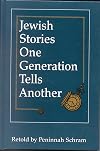
In "The Dream and the Treasure," in the Polish city of Cracow, there lived Avrom son of Berl, a poor man with a large family. After dreaming three times of a treasure under the bridge in Prague, he travels there with his wife's blessing. The guard there laughs, explaining that if he believed in dreams he'd look under the stove of Avrom son of Isaac in Cracow, but since he's heard that half the Jews in Cracow are called Avrom and the other half are called Berl, he's staying where he is. Avrom show more uses some of the treasure to build a house of prayer, called "Reb Avrom's shul. show less
Awards


You May Also Like


Associated Authors
Statistics
- Works
- 20
- Also by
- 4
- Members
- 1,107
- Popularity
- #23,219
- Rating
- 3.7
- Reviews
- 21
- ISBNs
- 37
- Languages
- 1