
Manuel Mujica Láinez (1910–1984)
Author of Bomarzo
About the Author
Series
Works by Manuel Mujica Láinez
Crónicas Reales 4 copies
Vidas de Aniceto el Gallo y de Anastacio el Pollo (Hilario Ascasubi y Estanislao del Campo) (2013) 3 copies, 1 review
Los Cisnes 3 copies
Oscar Hermes Villordo 1 copy
Vidas del gallo y del pollo 1 copy
El unocornio 1 copy
Lira Romántica Sudamericana 1 copy
Estampas de Buenos Aires 1 copy
Argentina 1 copy
A viagem dos sete demónios 1 copy
El viaje 1 copy
Los Porteños 1 copy
Associated Works
Tagged
Common Knowledge
- Canonical name
- Mujica Láinez, Manuel
- Birthdate
- 1910-09-11
- Date of death
- 1984-04-21
- Gender
- male
- Education
- Colegio Nacional de San Isidro
- Occupations
- novelist
short story writer
journalist
biographer
literary critic - Organizations
- Argentine Academy of Letters
Academy of Fine Arts - Awards and honors
- Légion d'Honneur
- Short biography
- Manuel Mujica Láinez nació el 11 de septiembre de 1910 en Buenos Aires, y falleció el 21 de abril de 1984 en Cruz Chica, Córdoba (Argentina). Se educó entre Francia y Gran Bretaña, para finalmente decidirse por el Derecho, carrera que abandonó para escribir en el periódico argentino La Nación, oficio que desempeñaría toda su vida. Escribió su primera obra, Louis XVII, en francés, pero las siguientes serían en español, alternando la novela (sobre todo histórica y de tema argentino) con la crítica artística y literaria y el artículo periodístico; aunque también se dedicó a la traducción de autores tan conocidos como Shakespeare, Racine o Molière. En 1936 se casó con Ana de Alvear Ortiz Basualdo.
Ha recibido numerosos galardones (entre ellos el Premio Nacional de Literatura de Argentina de 1963), y fue miembro de la Academia Argentina de las Letras y de la Academia Argentina de las Bellas Artes, además de recibir el reconocimiento de la Legión de Honor del Gobierno de Francia en 1982 por el conjunto de su obra. Su obra más famosa, Bomarzo, fue transformada en ópera por el compositor Alberto Ginastera, y varias de sus novelas han sido llevadas al cine y a la televisión. - Nationality
- Argentina
- Birthplace
- Buenos Aires, Argentina
- Places of residence
- Buenos Aires, Argentina
Cruz Chica, Cordoba, Argentina
Paris, France
London, England - Place of death
- Cruz Chica, Cordoba, Argentina
- Associated Place (for map)
- Argentina
Members
Reviews

Very short and not at all sweet, but very good. Reading it on Halloween was somewhat apt (not that there's blood and gore).
Mrs Hermosilla del Fresno is a very important woman. She’s very aware of her importance and wants to maintain the appearance of being important. Hence, she’s generous to charities, though it’s not entirely altruistic: she wants to ensure her place in Heaven.
She lives in a manner suited to her importance: a grand house, with servants. She shuns relatives she thinks show more are beneath her.
“She manages to wrap up their names and kinship in a half smile and an aloof glance, while her vanity spits and snarls inside her like a crouching tiger.”
Pride comes before fall in an unexpected, and nastily amusing, way. There are worse sorts of Hell than fire and brimstone.
It’s told (translated) in plain, short sentences, almost like a children’s book.
Image: “Rip” by Steven DaLuz (Source)
See also
A possible follow-up read is what looks like a non-fiction look at the issue: People Who Don't Know They're Dead: How They Attach Themselves to Unsuspecting Bystanders and What to Do About It , which I’ve not read.
Just before writing this review, I read the following line in Simon Van Booy's Father's Day (see my review HERE) and perhaps fits the ending of this story:
“Ghosts... are not the people who've died but the people who won't.”
Short story club
I read this in Black Water: The Anthology of Fantastic Literature, by Alberto Manguel, from which I’m reading one story a week with The Short Story Club, starting 4 September 2023.
You can read this story here.
You can join the group here. show less
Mrs Hermosilla del Fresno is a very important woman. She’s very aware of her importance and wants to maintain the appearance of being important. Hence, she’s generous to charities, though it’s not entirely altruistic: she wants to ensure her place in Heaven.
She lives in a manner suited to her importance: a grand house, with servants. She shuns relatives she thinks show more are beneath her.
“She manages to wrap up their names and kinship in a half smile and an aloof glance, while her vanity spits and snarls inside her like a crouching tiger.”
Pride comes before fall in an unexpected, and nastily amusing, way. There are worse sorts of Hell than fire and brimstone.
It’s told (translated) in plain, short sentences, almost like a children’s book.
Image: “Rip” by Steven DaLuz (Source)
See also
A possible follow-up read is what looks like a non-fiction look at the issue:
Just before writing this review, I read the following line in Simon Van Booy's Father's Day (see my review HERE) and perhaps fits the ending of this story:
Short story club
I read this in Black Water: The Anthology of Fantastic Literature, by Alberto Manguel, from which I’m reading one story a week with The Short Story Club, starting 4 September 2023.
You can read this story here.
You can join the group here. show less
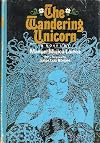
This is a spectacular book about the Middle Ages and the Crusades, and love denied and the Lusignan family of Poitiers and their resident fairy, Melusine. She appears, even now, on the carvings on the Chateau (and she tells how she transported the stones to build it, being a fairy and all). Mujica Lainez breathes beautiful life into her story and into the world she inhabited, down to her vengeful mother and conniving sisters, and brings the time period to life.
The story then continues show more through the Crusades and the fight for Jerusalem through one of her descendants with whom she falls desperately in love centuries later. All of the panorama of knights on horseback, chivalry, hermits, living conditions, and lives filled with regret are covered here through Melusine's voice. It is eloquent, funny, biting, and insightful, especially as she is "writing" in modern times and has gained insight into her story through reading Proust and Freud.
What gave this story a lower star rating than I would have hoped is the amount of detail Mujica Lainez gets bogged down in place of Story. I know he did his research and was quite the scholar. But we do not need every single rippling of cloth to know that it was multi-hued. Or every single battle in the Crusades during the fall of Jerusalem. Or the list of cloth in the tapestries that were destroyed by soldiers. Those parts, while lovely and well-researched, seemed more a self-accolade about the research he had done and an author in need of reinforcement of his prowess.. And the ending seemed too contrived and sudden and with little invested in Melusine's story into the Now. show less
The story then continues show more through the Crusades and the fight for Jerusalem through one of her descendants with whom she falls desperately in love centuries later. All of the panorama of knights on horseback, chivalry, hermits, living conditions, and lives filled with regret are covered here through Melusine's voice. It is eloquent, funny, biting, and insightful, especially as she is "writing" in modern times and has gained insight into her story through reading Proust and Freud.
What gave this story a lower star rating than I would have hoped is the amount of detail Mujica Lainez gets bogged down in place of Story. I know he did his research and was quite the scholar. But we do not need every single rippling of cloth to know that it was multi-hued. Or every single battle in the Crusades during the fall of Jerusalem. Or the list of cloth in the tapestries that were destroyed by soldiers. Those parts, while lovely and well-researched, seemed more a self-accolade about the research he had done and an author in need of reinforcement of his prowess.. And the ending seemed too contrived and sudden and with little invested in Melusine's story into the Now. show less

El mundo como un ámbito donde las oposiciones más enconadas se suman en una figura que las abarca sin hacerles perder ferocidad. Tal es el espacio creado por esta novela de Manuel Mujica Láinez que deslumbra con las variaciones de un cadeiloscopio infatigable. Repugnancia y deseo, plenitud y frustración se dan una y otra vez en las páginas de este relato: Sergio, o los infortunios de la virtud y la belleza. Casas de Buenos Aires corroídas por la nostalgia, habitadas por personajes show more exacerbados por la soledad: esplendor de los museos europeos. Por esos rumbos Sergio avanza hacia un destino trágico que confunde con la liberación. show less

Este libro contiene 42 relatos breves (casi ninguno pasa de las cinco páginas), ordenados cronológicamente y con un escenario en común: Buenos Aires. Comenzando por la primera fundación en 1536 a manos de don Pedro de Mendoza y llegando hasta comienzos del siglo XX (ya convertida en gran ciudad), Mujica Láinez nos habla desde la cotidianeidad de sus personajes. No se encontrará aquí la típica ficción histórica en la que se ponen palabras en boca de grandes figuras de la historia, show more sino que se recurre a la "gente común": un gaucho, un soldado, un negro esclavo...
A pesar del carácter efímero de los momentos narrados, el autor se las arregla para contar historias extraordinarias gracias a su sello personal: el elemento mágico, omnipresente. Se yuxtapone lo histórico, tal como lo conocemos (o creemos hacerlo) y la ficción. Un viaje en el tiempo muy particular, que gracias a los profundos conocimientos del autor, termina llegando a buen puerto. Extrañamente, esta mezcla casi mitológica logra que uno sienta más cercana la siempre complicada idiosincrasia porteña.
Una compilación sin desperdicio, de muy buen nivel. Destacan especialmente "El hambre", "La casa cerrada", "El espejo desordenado" y "El hombrecito del azulejo". show less
Lists
Awards


You May Also Like


Associated Authors
Statistics
- Works
- 52
- Also by
- 5
- Members
- 1,510
- Popularity
- #17,027
- Rating
- 4.2
- Reviews
- 54
- ISBNs
- 148
- Languages
- 8
- Favorited
- 2
