
Samuel Moyn
Author of The Last Utopia: Human Rights in History
About the Author
Samuel Moyn is Assistant Professor of History at Columbia University.
Image credit: from Yale University faculty page
Works by Samuel Moyn
Moral für die Welt? Menschenrechtspolitik in den 1970er Jahren (2012) — Editor; Contributor — 4 copies
Associated Works
Tagged
Common Knowledge
- Canonical name
- Moyn, Samuel
- Legal name
- Moyn, Samuel Aaron
- Birthdate
- 1972-02-14
- Gender
- male
- Education
- Washington University in St. Louis (AB|1994)
University of California, Berkeley (PhD|2000)
Harvard Law School (JD|2001) - Occupations
- professor
historian - Organizations
- Yale University
Harvard University
Columbia University - Awards and honors
- Morris Forkosch Prize
Sybil Halpern Milton Memorial Book Prize - Nationality
- USA
- Associated Place (for map)
- USA
Members
Reviews
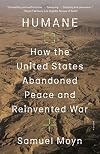
Given the opportunity to look over this book before taking it out, I might have given it a hard pass. A big part of this would be due to the meandering nature of the text, as Moyn wanders from the non-violence of Count Tolstoy, through the long drawn out evolution of the American conduct of war via air power, how this was conditioned by international law, through the state of play into 2021, where the claim was that war had been "humanized."
Problem: Tell that to the populations living under show more the threat of drone attack, or the occasional Special Operations Command raid. The stress of living under this omnipresent threat was doing psychological and physical harm in and of itself. This state of affairs is what generated Moyn's main issue. That the American way of war has been converted into a form of structural violence, which becomes an alternative to actual peace making; particularly since this practice is mostly out of sight, and thus out of mind.
Of course, the biggest problem with this book is that circumstances have radically changed, and the prospect of general war is back on the table. This is with the on-going struggle between Kyiv and Moscow, and other fights seemingly in the works. So Moyn's concerns now appear to be almost beside the point.
I'm probably being somewhat unfair to Moyn, seeing as I'm not otherwise familiar with much of his writing. Also, this book was probably not meant for someone like myself who has a MS in the study and resolution of human social conflict, and has read more staff-school grade military history than most. But if this was meant to be a polemic it's rather weak. show less
Problem: Tell that to the populations living under show more the threat of drone attack, or the occasional Special Operations Command raid. The stress of living under this omnipresent threat was doing psychological and physical harm in and of itself. This state of affairs is what generated Moyn's main issue. That the American way of war has been converted into a form of structural violence, which becomes an alternative to actual peace making; particularly since this practice is mostly out of sight, and thus out of mind.
Of course, the biggest problem with this book is that circumstances have radically changed, and the prospect of general war is back on the table. This is with the on-going struggle between Kyiv and Moscow, and other fights seemingly in the works. So Moyn's concerns now appear to be almost beside the point.
I'm probably being somewhat unfair to Moyn, seeing as I'm not otherwise familiar with much of his writing. Also, this book was probably not meant for someone like myself who has a MS in the study and resolution of human social conflict, and has read more staff-school grade military history than most. But if this was meant to be a polemic it's rather weak. show less
Dense Yet Enlightening. This is a book about the history of the philosophical and legal thoughts and justifications for transitioning from the brutal and bloody wars of the 19th century (when the history it covers begins) through to the "more humane" but now seemingly endless wars as currently waged, particularly by the United States of America. As in, this treatise begins with examinations of Tolstoy and Von Clauswitz during the Napoleonic Wars and ends with the Biden Presidency's early show more days of the continuation of the drone wars of its two predecessors. Along the way, we find the imperfections and even outright hypocrisies of a world - and, in the 21st century in particular, in particular a singular nation on the ascendancy, the United States - as it struggles with how best to wage and, hopefully, end war. Moyn shows the transition from a mindset of peace to a mindset of more palatable (re: "less" horrific / "more" humane) perma-war. But as to the description's final point that this book argues that this might not be a good thing at all... yes, that point is raised, and even, at times, central. But the text here seems to get more in depth on the history of documenting the change rather than focusing in on the philosophical and even legal arguments as to why that particular change is an overall bad thing. Ultimately this is one of those esoteric tomes that those with a particular interest in wars and how and why they are waged might read, if they are "wonks" in this area, but probably won't have the mass appeal that it arguably warrants. The central premise is a conversation that *needs* to be had in America and the world, but this book is more designed for the think tank/ academic crowd than the mass appeal that could spark such conversations. Still, it is truly well documented and written with a high degree of detail, and for this it is very much recommended. show less
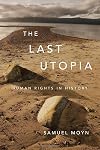
This historical analysis on human rights started off rather meandering between different themes and events from the end of WWI through the Declaration on Human Rights in 1948 by the UN. However, after the first few chapters, the narrative Moyn outlines with a variety of examples becomes clear and rather fascinating. I thoroughly enjoyed this literary work on the history and significance of the idea of basic "Human Rights" and the importance of this topic for all international relationships show more between governments, individuals, and various businesses and NGO's. show less
Войната съществува откакто свят светува, дори не са я измислили хората - мравешките войни са любопитно интересни на всяко дете, интересуващо се от природата, а първата наблюдавана война между племена шимпанзета е пратила биоложката Джейн Гудал в психиатрична клиника и е show more довела до цялостното преосмисляне на произхода на войната като концепция при хората.
Няма спор, че напоследък има по-малко войни от преди. Причината за това е спорна, но това или е постоянна тенденция още от зората на човечеството (когато сме се и изяждали даже) или според други, резултат от целенасочените усилия на активисти, политици и общественици да направят войната ако не незаконна, то поне силно морално неприемлива каквато е тя в съвременния свят.
Със сигурност войната не е спряла, но е някак "по-човечна" отпреди (би казал някой, който не познава добре човешката природа) и най-малкото на методи като оръжия за масово поразяване и печално известното Chevauchée се гледа с много, много строго неодобрение както от политиците, така и от народите, които ги избират.
Сега да преминем към същността на Humane: How the United States Abandoned Peace and Reinvented War която се състои точно в това "очовечаване" на войната, което... я прави по-приемлива.
Вместо да изтребват с бомби цели градове, да правят геноциди и да поробват, САЩ (според автора) измислиха нов вид война, управлявана от ПР-експерти и адвокати, която да е общественоприемлива и да може да се точи с години, без да накара населението, което понася жертви и разходи, да протестира прекалено много. С инвазията си в Украйна Русия се опита да води в началото такъв тип война - бързо да превземе, без много жертви, да постави марионетно правителство и да се оттегли, постигнала целите си.
Работата е там, че този начин на воюване може да продължава безкрайно и да обхване много държави и позволява практически тирания, като обезоръжава световната общественост от гнева против жестокостите на войната, който подхранва анти-военния активизъм и политики.
Много по-лесно е да накараш парламентът на държавата ти да гласува за война, ако не синовете на избирателите им ще загиват в нея, а примерно дронове. Много по-лесно е да се оправдаеш пред ООН и медиите, за войната, която водиш, ако покажеш как пазиш цивилните.
До какво ще доведат тия тенденции един бог знае, както и дали и колко ще се задържат. show less
Няма спор, че напоследък има по-малко войни от преди. Причината за това е спорна, но това или е постоянна тенденция още от зората на човечеството (когато сме се и изяждали даже) или според други, резултат от целенасочените усилия на активисти, политици и общественици да направят войната ако не незаконна, то поне силно морално неприемлива каквато е тя в съвременния свят.
Със сигурност войната не е спряла, но е някак "по-човечна" отпреди (би казал някой, който не познава добре човешката природа) и най-малкото на методи като оръжия за масово поразяване и печално известното Chevauchée се гледа с много, много строго неодобрение както от политиците, така и от народите, които ги избират.
Сега да преминем към същността на Humane: How the United States Abandoned Peace and Reinvented War която се състои точно в това "очовечаване" на войната, което... я прави по-приемлива.
Вместо да изтребват с бомби цели градове, да правят геноциди и да поробват, САЩ (според автора) измислиха нов вид война, управлявана от ПР-експерти и адвокати, която да е общественоприемлива и да може да се точи с години, без да накара населението, което понася жертви и разходи, да протестира прекалено много. С инвазията си в Украйна Русия се опита да води в началото такъв тип война - бързо да превземе, без много жертви, да постави марионетно правителство и да се оттегли, постигнала целите си.
Работата е там, че този начин на воюване може да продължава безкрайно и да обхване много държави и позволява практически тирания, като обезоръжава световната общественост от гнева против жестокостите на войната, който подхранва анти-военния активизъм и политики.
Много по-лесно е да накараш парламентът на държавата ти да гласува за война, ако не синовете на избирателите им ще загиват в нея, а примерно дронове. Много по-лесно е да се оправдаеш пред ООН и медиите, за войната, която водиш, ако покажеш как пазиш цивилните.
До какво ще доведат тия тенденции един бог знае, както и дали и колко ще се задържат. show less
Lists
Awards


You May Also Like


Associated Authors
Statistics
- Works
- 19
- Also by
- 1
- Members
- 853
- Popularity
- #30,000
- Rating
- 4.0
- Reviews
- 9
- ISBNs
- 49
- Languages
- 2