

Girolamo Savonarola (1452–1498)
Author of Apologetic Writings (The I Tatti Renaissance Library)
About the Author
Image credit: Savonarola monument, Ferrara. Photo by Flickr user ho visto nina volare.
Works by Girolamo Savonarola
O Florenz! O Rom! O Italien! Predigten, Schriften, Briefe (Manesse Bibliothek der Weltliteratur) (2002) 6 copies, 1 review
Poesie 4 copies
En prison, dernière méditation - Textes traduits et présentés par le Cardinal Journet (1968) 3 copies
De simplicitate Christianae vitae 3 copies
Prediche e scritti 2 copies
Triumphus Crucis 2 copies
Fede e speranza di un profeta: Pagine scelte (Letture cristiane del secondo millennio) (1998) 2 copies
Le lettere di Girolamo Savonarola ora per la prima volta raccolte e a miglior lezione ridotte 1 copy
Fratris Hieronymi. SauonarolA¦, Ferrariensis, ... Triumphus crucis, de fidei ueritate 1517 [Leather Bound] (2019) 1 copy
Savonarola 1 copy
Preghiere dal carcere 1 copy
Opera di frate Hieronymo Sauonarola da Ferrara, della semplicita della vita christiana.. 1 copy, 1 review
Die Renaissance 1 copy
Trattato di frate Ieronimo Savonarola circa il reggimento e governo della citt? di Firenze (2011) 1 copy
Homilae 1 copy
Le prediche 1 copy
Prédikációk Aggeus prófétáról ; Értekezés Firenze város rendjéről és kormányzatáról : [felsőoktatási t (2002) 1 copy
Esposizione del Pater Noster 1 copy
Operetta del amore di Jesu 1 copy
Libro 1 copy
Molti deuotissimi trattati 1 copy
[Opera] 1 copy
Associated Works
Tagged
Common Knowledge
- Canonical name
- Savonarola, Girolamo
- Birthdate
- 1452-09-21
- Date of death
- 1498-05-23
- Gender
- male
- Nationality
- Italy
- Birthplace
- Ferrara, Italy
- Associated Place (for map)
- Ferrara, Italy
Members
Reviews
Prison Meditations on Psalms 51 and 31 (Reformation Texts with Translation: Biblical Studies, Vol. 1) (English and Latin Edition) by Girolamo Savonarola
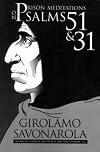
Girolamo Savonarola (1452 – 1498), Italian Dominican friar from Ferrara active in Renaissance Florence. Preached and prophesied civic glory for Florence as a New Jerusalem, and the destruction of secular art and culture. Known for public "bonfires of vanities" and calls for Christian renewal. He denounced clerical corruption, despotic rule, and the exploitation of the poor.
In September 1494, Charles VIII of France invaded Italy and threatened Florence, and doomsday prophecies seemed on the show more verge of fulfilment. Savonarola intervened with the French king, and led the Florentines to expel the ruling Medicis. A "popular" republic was established. Savonarola declared it would be "richer, more powerful, more glorious than ever". He instituted an extreme puritanical campaign and regime, curiously attracting otherwise hopeless Florentine youth and poor.
In 1495 Florence refused to join Pope Alexander VI's Holy League against the French. The Vatican summoned Savonarola to Rome and banned his preaching. He disobeyed, and further defied the pope with public campaigns for reform with processions, bonfires of the vanities, and pious theatricals. In retaliation, the pope excommunicated him and threatened to place Florence under an interdict. A trial by fire proposed by a rival Florentine preacher to test Savonarola's divine mandate turned into a fiasco, because Savonarola refused the test. Popular opinion turned against him. Savonarola and two of his supporting friars were imprisoned. While in prison, Savonarola continued preaching, and wrote homilies, including these on the text of Psalms 31 and 51. On 23 May 1498, Church and civil authorities condemned, hanged, and burned the three friars in the main square of Florence.
According to Wikipedia, "Savonarola's devotees, the Piagnoni, kept his cause of republican freedom and religious reform alive well into the following century, although the Medici—restored to power in 1512 with the help of the papacy—eventually broke the movement. Some Protestants, including Martin Luther himself, consider Savonarola to be a vital precursor to the Reformation."
Psalm 31 and 51 are both less than a page in length, and the homilies are relatively lengthy. This work runs to 142 pages, including Introduction. show less
In September 1494, Charles VIII of France invaded Italy and threatened Florence, and doomsday prophecies seemed on the show more verge of fulfilment. Savonarola intervened with the French king, and led the Florentines to expel the ruling Medicis. A "popular" republic was established. Savonarola declared it would be "richer, more powerful, more glorious than ever". He instituted an extreme puritanical campaign and regime, curiously attracting otherwise hopeless Florentine youth and poor.
In 1495 Florence refused to join Pope Alexander VI's Holy League against the French. The Vatican summoned Savonarola to Rome and banned his preaching. He disobeyed, and further defied the pope with public campaigns for reform with processions, bonfires of the vanities, and pious theatricals. In retaliation, the pope excommunicated him and threatened to place Florence under an interdict. A trial by fire proposed by a rival Florentine preacher to test Savonarola's divine mandate turned into a fiasco, because Savonarola refused the test. Popular opinion turned against him. Savonarola and two of his supporting friars were imprisoned. While in prison, Savonarola continued preaching, and wrote homilies, including these on the text of Psalms 31 and 51. On 23 May 1498, Church and civil authorities condemned, hanged, and burned the three friars in the main square of Florence.
According to Wikipedia, "Savonarola's devotees, the Piagnoni, kept his cause of republican freedom and religious reform alive well into the following century, although the Medici—restored to power in 1512 with the help of the papacy—eventually broke the movement. Some Protestants, including Martin Luther himself, consider Savonarola to be a vital precursor to the Reformation."
Psalm 31 and 51 are both less than a page in length, and the homilies are relatively lengthy. This work runs to 142 pages, including Introduction. show less

Front fly-leaf inscribed: "Rev. Father Austin Collins", and "Pray for me. R.N. April 24, 1900".

Nei suoi insegnamenti, Savonarola rifletteva su una profonda interpretazione della preghiera, vista attraverso la lente della sua predicazione contro la corruzione della Chiesa e la necessità di penitenza e riforma morale. I suoi discorsi e scritti sottolineano la centralità del Padre Nostro come guida per la salvezza, enfatizzando la santificazione del nome di Dio, la venuta del suo regno, la volontà divina e la richiesta del pane quotidiano, il perdono dei peccati e la liberazione dal male.
Sep 9, 2025Spanish
O Florenz! O Rom! O Italien! Predigten, Schriften, Briefe (Manesse Bibliothek der Weltliteratur) by Girolamo Savonarola
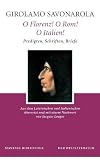
Am zentralsten Platz der Stadt hat ihm seine dankbare Geburtsstadt Ferrara ein Denkmal errichtet - und trotz der Lektüre dieses Buches kann ich den Grund nicht erkennen. Ein begnadeter Rhetoriker, aber doch kein Humanist. Ich werd' einfach nicht schlau daraus...
Jan 7, 2008German
Awards

You May Also Like


Associated Authors
Statistics
- Works
- 88
- Also by
- 1
- Members
- 206
- Popularity
- #107,331
- Rating
- 3.7
- Reviews
- 7
- ISBNs
- 29
- Languages
- 7
- Favorited
- 1

