
Karen Essex
Author of Leonardo's Swans
About the Author
Karen Essex lives in Beverly Hills, California. (Bowker Author Biography)
Image credit: photo by Lisa Rutledge
Series
Works by Karen Essex
Tagged
Common Knowledge
- Birthdate
- 1959-10-10
- Gender
- female
- Education
- Tulane University
Vanderbilt University
Goddard College (MFA) - Occupations
- journalist
screenwriter - Nationality
- USA
- Birthplace
- New Orleans, Louisiana, USA
- Places of residence
- New Orleans, Louisiana, USA
Los Angeles, California, USA - Associated Place (for map)
- USA
Members
Reviews
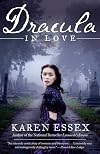
The first thing I want to write is that nobody in this book sparkles. I was worried about that as some tout this novel as being intended for the grown-up Twilight fan. I was pleasantly surprised at how much I enjoyed this book. It's a retelling of Stoker's Dracula including the same characters, but told entirely from Mina Harker's perspective. She divulges to a private diary the truth behind her love affair with Count Dracula, and the explanation behind who and what he really is. While show more Essex's novel is far more erotic than it's Victorian counter-part, it's well-researched, and she paints a very accurate scene of Victorian Europe, pulling the reader in to Mina's world with every detail show less
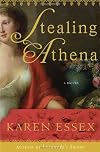
Lady Mary Elgin, recently married, is swept along by her husband on his quest to claim priceless Greek art from the Ottoman Empire for the British, under the guise of Ambassador, while relying on her fortune to pay the bills. Centuries before, Aspasia is neatly given by her brother-in-law to Greece’s ruler, Perikles. In Stealing Athena, the stories of these two oddly similar women intertwine to form one powerful narrative about women’s struggles in the face of never-ending male show more oppression, while the great marble statues of Greece are both built and taken apart.
This is how historical fiction narratives should be combined. Both stories are compelling and each time they switched, I regretted the change, only to be happy that the other woman was now featured. I did prefer Mary, in all honesty, but I agree with other reviewers because it seems that the book is more hers than Aspasia’s. She gets a bit more time and it’s easy to feel frustration and sympathy for her. It is also for Aspasia, but Mary’s dilemmas are more numerous and almost more modern day. The stories complemented each other beautifully. In Aspasia’s tale, the Parthenon is being raised, as well as many other great temples. In Mary’s, they are being torn down, supposedly to save them.
In fact, therein lies my biggest problem with the book. It’s a difficult tale to hear. I have issues with British pillaging of ancient treasures, despite the fact that I have only been able to enjoy them in England because of this. It’s hard, as someone who loves history so much, to hear about how these priceless and completely irreplaceable marbles were carelessly handled and damaged by the British. Yes, it would have been horrible if they had been destroyed, but they could have been handled better, and treated better later at the British Museum. (No offense to the British of today, obviously, they’re trying to make up for it.)
The book is well written, and each woman has her own distinctive voice. At times, they echo each other, and they show the universality of female existence; largely, that women have historically had few rights and been totally subservient to men. Each woman thwarts this in her own way, and it shows us that their condition did not actually improve. Stealing Athena is also extremely well-plotted and never drags or gets boring. I never wished for the other woman’s chapter to start. With some expansion, either story could have functioned perfectly well on its own. Instead, they fit together and the book benefits from their shared experiences and the complete circle of the story, from construction to destruction.
I’d highly recommend this book, especially to historical fiction readers, but I think I’d recommend it to others as well.
http://chikune.com/blog/?p=149 show less
This is how historical fiction narratives should be combined. Both stories are compelling and each time they switched, I regretted the change, only to be happy that the other woman was now featured. I did prefer Mary, in all honesty, but I agree with other reviewers because it seems that the book is more hers than Aspasia’s. She gets a bit more time and it’s easy to feel frustration and sympathy for her. It is also for Aspasia, but Mary’s dilemmas are more numerous and almost more modern day. The stories complemented each other beautifully. In Aspasia’s tale, the Parthenon is being raised, as well as many other great temples. In Mary’s, they are being torn down, supposedly to save them.
In fact, therein lies my biggest problem with the book. It’s a difficult tale to hear. I have issues with British pillaging of ancient treasures, despite the fact that I have only been able to enjoy them in England because of this. It’s hard, as someone who loves history so much, to hear about how these priceless and completely irreplaceable marbles were carelessly handled and damaged by the British. Yes, it would have been horrible if they had been destroyed, but they could have been handled better, and treated better later at the British Museum. (No offense to the British of today, obviously, they’re trying to make up for it.)
The book is well written, and each woman has her own distinctive voice. At times, they echo each other, and they show the universality of female existence; largely, that women have historically had few rights and been totally subservient to men. Each woman thwarts this in her own way, and it shows us that their condition did not actually improve. Stealing Athena is also extremely well-plotted and never drags or gets boring. I never wished for the other woman’s chapter to start. With some expansion, either story could have functioned perfectly well on its own. Instead, they fit together and the book benefits from their shared experiences and the complete circle of the story, from construction to destruction.
I’d highly recommend this book, especially to historical fiction readers, but I think I’d recommend it to others as well.
http://chikune.com/blog/?p=149 show less
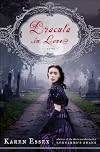
When revamping an extremely well-known and beloved classic novel, liberties must be taken. Ms. Essex does this with her re-creation of Dracula, but these changes add a certain mystique and realism to the story - removing the horror from the Count and adding it to the vastly more realistic men of the novel. The result is a story that is both familiar and unique, creative in its use of other mythical beings to enhance the vampiric myth but chilling in its accurate depiction of women and men in show more Victorian England.
In Dracula in Love, Ms. Essex gives readers a chance to finally get into the mind of Mina. Intelligent, immensely resourceful, and extremely compassionate, Mina is ever a traditional heroine; all the men swear to protect her, and all the women cannot help but be her best friend. Yet, Ms. Essex challenges Bram Stoker's portrayal of the women by delving into Mina's minds, unencumbered by her diary entries, which must be edited by the mere fact that Mina always intends for them to be read by others. Mina, and Lucy, are highly empowered women who are shackled by society's values and, more importantly, by the men in their expectations of proper womanly behavior. Dr. Seward's mental hospital is understandably more frightening than Count Dracula, and all of the men's callous disregard for either woman's rights and feelings displace the horror surrounding Dracula and moves it to the more mundane Dr. Seward, Arthur, Quince, and Jonathan. The shock and confusion felt by Mina as she makes these discoveries is echoed by the reader at the injustice of her situation.
If Mina stood out in Dracula, she absolutely shines in Dracula in Love, as she realizes the dangers of the blood transfusions, the mental hospital and the idea the men may not always know best. Her willingness to stand up to these scenarios and fight for her rights fleshes out the strength of character only hinted at by Stoker.
Mythology has always been a huge part of any vampire story; Ms. Essex does not hide behind the one myth and includes all of them that have ever influenced any vampire story - Sidhe, faeries, and many others. Not only that, but Ms. Essex does a great nod to Mr. Stoker's own research and influence on the vampire myth. By including the red-headed Irishman in the background, it adds a tongue-in-cheek touch of realism to the story. This also means that Dracula himself is more honorable, more sensual and ultimately more romantic.
Read right after Dracula, Dracula in Love provides an intriguing fleshing out of each character's back story. In addition, it provides the reader the opportunity to read between the lines of the various journal entries and letters that make up the original story. While it doesn't outshine said original, it does add a very enjoyable, very interesting addition to the vampire genre. show less
In Dracula in Love, Ms. Essex gives readers a chance to finally get into the mind of Mina. Intelligent, immensely resourceful, and extremely compassionate, Mina is ever a traditional heroine; all the men swear to protect her, and all the women cannot help but be her best friend. Yet, Ms. Essex challenges Bram Stoker's portrayal of the women by delving into Mina's minds, unencumbered by her diary entries, which must be edited by the mere fact that Mina always intends for them to be read by others. Mina, and Lucy, are highly empowered women who are shackled by society's values and, more importantly, by the men in their expectations of proper womanly behavior. Dr. Seward's mental hospital is understandably more frightening than Count Dracula, and all of the men's callous disregard for either woman's rights and feelings displace the horror surrounding Dracula and moves it to the more mundane Dr. Seward, Arthur, Quince, and Jonathan. The shock and confusion felt by Mina as she makes these discoveries is echoed by the reader at the injustice of her situation.
If Mina stood out in Dracula, she absolutely shines in Dracula in Love, as she realizes the dangers of the blood transfusions, the mental hospital and the idea the men may not always know best. Her willingness to stand up to these scenarios and fight for her rights fleshes out the strength of character only hinted at by Stoker.
Mythology has always been a huge part of any vampire story; Ms. Essex does not hide behind the one myth and includes all of them that have ever influenced any vampire story - Sidhe, faeries, and many others. Not only that, but Ms. Essex does a great nod to Mr. Stoker's own research and influence on the vampire myth. By including the red-headed Irishman in the background, it adds a tongue-in-cheek touch of realism to the story. This also means that Dracula himself is more honorable, more sensual and ultimately more romantic.
Read right after Dracula, Dracula in Love provides an intriguing fleshing out of each character's back story. In addition, it provides the reader the opportunity to read between the lines of the various journal entries and letters that make up the original story. While it doesn't outshine said original, it does add a very enjoyable, very interesting addition to the vampire genre. show less

Perché prendere un opera come il Dracula di Bram Stoker e riempirla di pezzi inutili e scritti male? In pratica il libro è stato riscritto per adattarlo ai gusti odierni, stravolgendo a caso alcuni personaggi (Quincey e Van Helsing) ritenuti forse troppo rigidi, aggiungendo scene gratuite di sesso, riempiendo quei silenzi narrativi suggestivi che di solito il lettore riempiva con la propria immaginazione. Non capisco il bisogno di scrivere tutto, di riempire ogni momento narrativo, come se show more il lettore dovesse essere salvato dal rischio di dover usare le proprie capacità per collegare un evento ad un altro. Ci sono stati numerosi adattamenti del Dracula dal 1897, l'ultimo tentativo anche del pronipote di Stoker, ma questo libro rispecchia in modo preoccupante un abbassamento della qualità e delle aspettative dei lettori di genere, sempre più mentalmente giovani ed abituati alla pigrizia narrativa. Se l'autrice voleva creare una storia d'amore immortale poteva almeno fare lo sforzo di attenersi ai personaggi originali o di crearne di suoi senza prendere in prestito solo quanto le faceva comodo. PS. Non tirate in ballo la scusa degli young adult: è un'etichetta di comodo che troppo spesso giustifica una qualità narrativa discutibile; un lettore anagraficamente giovane non giustifica una qualità narrativa inesistente, anzi, dovrebbe essere educato ad una narrazione che lo aiuti a crescere nelle proprie future scelte. show less
Lists
Awards

You May Also Like


Statistics
- Works
- 8
- Members
- 1,988
- Popularity
- #12,937
- Rating
- 3.4
- Reviews
- 92
- ISBNs
- 81
- Languages
- 14
- Favorited
- 1
