
Will R. Bird (1891–1984)
Author of Ghosts Have Warm Hands
About the Author
Image credit: thedustybookcase.com
Works by Will R. Bird
And We Go On: A Memoir of the Great War (Volume 229) (Carleton Library Series) (1930) 27 copies, 1 review
The Two Jacks: The Amazing Adventures of Major Jack M. Veness and Major Jack L. Fairweather (1954) 4 copies
The shy Yorkshireman : a novel 3 copies
North Shore (New Brunswick) Regiment 3 copies
The passionate pilgrim 2 copies
Historic Nova Scotia 2 copies
Sunrise for Peter: And other stories 2 copies
So much to record 1 copy
To love & to cherish 1 copy
Despite the Distance 1 copy
Associated Works
Cavalcade of the North: An Entertaining Collection of Distinguished Writing by Canadian Authors (1958) — Contributor — 70 copies, 1 review
Tagged
Common Knowledge
- Canonical name
- Bird, Will R.
- Legal name
- Bird, William Richard
- Birthdate
- 1891-05-11
- Date of death
- 1984-01-28
- Gender
- male
- Occupations
- civil servant
writer
novelist - Organizations
- Nova Scotia Government
- Awards and honors
- Honorary Doctorate (Letters, Mount Allison University, 1949)
CAA Award (Allan Sangster ∙ 1978) - Short biography
- William R. Bird was born in East Mapleton, N.S. on May 11, 1891. Born into poverty, he moved to the Canadian Prairies to help harvest crops as a teenager. In 1914, he enlisted in the Canadian Army and served in the trenches with the Canadian Expeditionary Forces (42nd Battalion, Black Watch of Canada) in France and Belgium until 1918. Upon demobilization in 1919, he returned to Cumberland County, N.S, where he married Ethel Sutton with whom he had two children, Stephen and Betty. After a failed general store venture in Southampton, he moved to Amherst with his family and worked at the Post Office. Winning a story-writing contest in the early 1920s and a love of writing prompted him by 1928 to try making his living by writing. Bird's stories were widely accepted by magazines such as Saturday Evening Post , Maritime Advocate , Toronto Star Weekly , Family Herald and Weekly Star and his first monograph, A Century at Chignecto , was published in 1928. During the 1930s, Bird lectured widely across Canada, and in 1933 he joined the staff of the recently established Nova Scotia Tourist Bureau. For the next thirty-three years, he worked in various capacities for the Nova Scotia government. In 1938, he and his family moved to Halifax where he served as Chairman of the Historic Sites and Monuments Advisory Council until his retirement in 1966. Bird died on January 28, 1984.
In 1949 he was awarded an Honorary Doctor of Letters by Mount Allison University. He published roughly 25 books and 600 short stories, for which he garnered acclaim for his historical fiction and war stories. Although Bird wrote on many subjects, he was continually fascinated by the early settlers of Nova Scotia and wrote many stories and novels on the topic. His experience during the First World War also became inspiration for much of his work. He twice won the Ryerson All Canada Award for Fiction and served as president of the Canadian Author's Association. - Nationality
- Canada
- Birthplace
- East Mapleton, Nova Scotia, Canada
- Places of residence
- Nova Scotia, Canada
Newfoundland, Canada - Place of death
- Sackville, New Brunswick, Canada
- Associated Place (for map)
- Canada
Members
Reviews
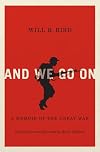
This is a first rate memoir of fighting with the Canadian Corp in WW I from 1916 to November 11, 1918. Bird originally published this in 1930 but rewrote in for publication in 1967, the 50th Anniversary of the war's end.
In the 1930 edition, he tells of many incidents of his brother who died in the war before Bird enlisted, warning him of danger. Probably the most poignant is Bird resting in the basement of a house with fellow soldiers when his ghostly brother appears in the doorway beckoning show more him outside even though German shells are falling into the street. Warned by his comrades not to go out he did and as he looks around for his brother who has vanished, there is a devastating explosion in the basement he just left. Many men are killed and maimed. Cause? A rookie soldier was cleaning his rifle & fired it accidentally into the ceiling with the resulting ricochet hitting a pile of bombs.
Bird has many of these moments where a tap on the shoulder warns him to move from a spot where moments later a shell falls or machine gun bullets rake the spot. As well he documents the terror, filth, death and stupidity of the stagnant war on the Western Front. As the war progresses, Bird and his colleagues realize that German soldier is the same as them- humans who hate the war and just wish to go home. As a result, there are many scenes where soldiers from both sides allow enemy soldiers to escape death and even imprisonment. There are also horrific scenes of cruelty on both sides. As the Canadians free the Belgians from the German occupation, the civilians take out their anger over 4 years of German abuse by killing any German soldier they can catch usually in horrific fashion.
While the subject is bleak, this is a very readable book with language that flows. Critics claim this is a much more realistic view of life in the trenches then All Quiet on the Western Front.
For the 1967 version of the book which was entitled Ghosts Have Warm Hands, Bird dropped all but two references to the ghost of his brother saving him. He also eliminated several of the other soldiers who served with him and make their mark on the reader. show less
In the 1930 edition, he tells of many incidents of his brother who died in the war before Bird enlisted, warning him of danger. Probably the most poignant is Bird resting in the basement of a house with fellow soldiers when his ghostly brother appears in the doorway beckoning show more him outside even though German shells are falling into the street. Warned by his comrades not to go out he did and as he looks around for his brother who has vanished, there is a devastating explosion in the basement he just left. Many men are killed and maimed. Cause? A rookie soldier was cleaning his rifle & fired it accidentally into the ceiling with the resulting ricochet hitting a pile of bombs.
Bird has many of these moments where a tap on the shoulder warns him to move from a spot where moments later a shell falls or machine gun bullets rake the spot. As well he documents the terror, filth, death and stupidity of the stagnant war on the Western Front. As the war progresses, Bird and his colleagues realize that German soldier is the same as them- humans who hate the war and just wish to go home. As a result, there are many scenes where soldiers from both sides allow enemy soldiers to escape death and even imprisonment. There are also horrific scenes of cruelty on both sides. As the Canadians free the Belgians from the German occupation, the civilians take out their anger over 4 years of German abuse by killing any German soldier they can catch usually in horrific fashion.
While the subject is bleak, this is a very readable book with language that flows. Critics claim this is a much more realistic view of life in the trenches then All Quiet on the Western Front.
For the 1967 version of the book which was entitled Ghosts Have Warm Hands, Bird dropped all but two references to the ghost of his brother saving him. He also eliminated several of the other soldiers who served with him and make their mark on the reader. show less
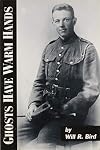
I was actually in elementary school when I found this book on one of the shelves of the school library. I ended up taking it out several times and reading it. Later on the librarian gave this "old book" because they were adding more books to the library and it would have joined their discards, and I was the only person to take this book out of the library in all the years I was in school.
I am not certain if this fueled an interest in joining the military or ended up deciding me against show more joining the military. Both I expect. It is a complicated book in the implications of reading it. I have to argue that it probably has no business being on an elementary school libraries shelf;but I am certainly glad it was there.
War is horrible. The book is full of references to things like, bloated corpses floating up out of artillery churned mud, sudden death of friends, narrow escapes from death, killing enemy soldiers, disease and rot.
It is also very clear on getting the job done. Dig the trenches and defend them to keep the enemy from pouring through. Hurt the enemy until you can smash through their trenches and throw them back.
If the Germans had a forward machine gun nest that was killing your friends almost every day - sneak out far enough that you can shoot a rifle grenade into their dugout.
Where one succeeds, others can and will follow.
A balance shifts on small successes that negate opposing advantages.
It became very clear to me that the balance of history absolutely depends very much on one person, in the right place, with enough will, to do what needs to be done.
That is a horrible truth. It is a truth worth learning.
The real enemy is clearly the war itself.
The need to form tribes and contest for control of the future is dangerous, ugly, and a form of cultural psychopathy.
World War One was a major impetus of pacifistic movement development.
War does not make sense, but at the same time necessary trust for peace seems most reliable when enforced with firepower and a will to endure.
This book is a good look at the waste and trauma of war. It is an argument for peace.
It is a good look at the cost of peace, and an honor to those who have paid that price. show less
I am not certain if this fueled an interest in joining the military or ended up deciding me against show more joining the military. Both I expect. It is a complicated book in the implications of reading it. I have to argue that it probably has no business being on an elementary school libraries shelf;but I am certainly glad it was there.
War is horrible. The book is full of references to things like, bloated corpses floating up out of artillery churned mud, sudden death of friends, narrow escapes from death, killing enemy soldiers, disease and rot.
It is also very clear on getting the job done. Dig the trenches and defend them to keep the enemy from pouring through. Hurt the enemy until you can smash through their trenches and throw them back.
If the Germans had a forward machine gun nest that was killing your friends almost every day - sneak out far enough that you can shoot a rifle grenade into their dugout.
Where one succeeds, others can and will follow.
A balance shifts on small successes that negate opposing advantages.
It became very clear to me that the balance of history absolutely depends very much on one person, in the right place, with enough will, to do what needs to be done.
That is a horrible truth. It is a truth worth learning.
The real enemy is clearly the war itself.
The need to form tribes and contest for control of the future is dangerous, ugly, and a form of cultural psychopathy.
World War One was a major impetus of pacifistic movement development.
War does not make sense, but at the same time necessary trust for peace seems most reliable when enforced with firepower and a will to endure.
This book is a good look at the waste and trauma of war. It is an argument for peace.
It is a good look at the cost of peace, and an honor to those who have paid that price. show less

Author moves back and forth between 1933(when this book was written) and the First War. Moves quickly, and gives the reader a vivid picture of what it was like then, and how vets are copping now(1933).

This is one of a series of great memoirs of the First World War published by the CEF veterans press. This particular book was written by a member of the Canadian Black Watch and recounts his story from 1916 to the the last day at Mons. As always, veterans tales are stories of loss, including the death of his buddy on the last day of the war.
Lists
Awards

You May Also Like


Associated Authors
Statistics
- Works
- 32
- Also by
- 1
- Members
- 228
- Popularity
- #98,696
- Rating
- 4.1
- Reviews
- 4
- ISBNs
- 22