
Jonathan Alexander (2) (1967–)
Author of Understanding Rhetoric: A Graphic Guide to Writing
For other authors named Jonathan Alexander, see the disambiguation page.
About the Author
Jonathan Alexander is Chancellor's Professor of English and director of the Center for Excellence in writing and Communication at University of California, Irvine.
Works by Jonathan Alexander
On Multimodality: New Media in Composition Studies (Cccc Studies in Writing & Rhetoric) (2014) 16 copies
Literacy, Sexuality, Pedagogy: Theory and Practice for Composition Studies (2008) 13 copies, 1 review
Role Play: Distance Learning and the Teaching of Writing (New Dimensions in Computers and Composition) (2006) 7 copies
Unruly Rhetorics: Protest, Persuasion, and Publics (Composition, Literacy, and Culture) (2018) 5 copies
Digital Youth: Emerging Literacies on the World Wide Web (New Dimensions in Computers and Composition) (2006) 5 copies
Tagged
Common Knowledge
Members
Reviews
Rating: 4* of five
The Publisher Says: An archive of personal trauma that addresses how a culture still toxic to queer people can reshape a body
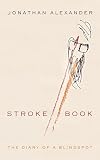
In the summer of 2019, Jonathan Alexander had a minor stroke, what his doctors called an "eye stroke." A small bit of cholesterol came loose from a vein in his neck and instead of shooting into his brain and causing damage, it lodged itself in a branch artery of his retina, resulting in a permanent blindspot in his right eye. In Stroke Book, show more Alexander recounts both the immediate aftermath of his health crisis, which marked deeper health concerns, as well as his experiences as a queer person subject to medical intervention.
A pressure that the queer ill contend with is feeling at fault for their condition, of having somehow chosen illness as punishment for their queerness, however subconsciously. Queer people often experience psychic and somatic pressures that not only decrease their overall quality of life but can also lead to shorter lifespans. Emerging out of a medical emergency and a need to think and feel that crisis through the author's sexuality, changing sense of dis/ability, and experience of time, Stroke Book invites readers on a personal journey of facing a health crisis while trying to understand how one's sexual identity affects and is affected by that crisis. Piecing and stitching together his experience in a queered diary form, Alexander's lyrical prose documents his ongoing, unfolding experience in the aftermath of the stroke. Through the fracturing of his text, which almost mirrors his fractured sight post-stroke, the author grapples with his shifted experience of time, weaving in and out, while he tracks the aftermath of what he comes to call his "incident" and meditates on how a history of homophobic encounters can manifest in embodied forms.
The book situates itself within a larger queer tradition of writing—first, about the body, then about the body unbecoming, and then, yet further, about the body ongoing, even in the shadow of death. Stroke Book also documents the complexities of critique and imagination while holding open a space for dreaming, pleasure, intimacy, and the unexpected.
I RECEIVED A DRC FROM THE PUBLISHER VIA EDELWEISS+. THANK YOU.
My Review: Author Alexander does a lot of thinking. It is all in his prose.
His world includes a husband, Mack, and a bunch of doctors who see him at need. So yes...he's white male privilege on legs. He's loved, employed, and creatively gifted (even works with my dote Michelle Latiolais!); he's able to get a publishing deal, so he's well connected.
None of that matters to cholesterol hanging onto the walls of this one artery, though, and when it takes off and lands in a new place that leaves him partially blind (and him with amblyopia already! PLUS it's his dominant eye that has the stroke!) He lands in that weird place called "chronic illness." And he'll never leave it. As a Queer man, that's a bad, grim journey...so many, many side-paths and so many losses and so much rage against the medical establishment that excuses its homophobia as "concern for patient privacy". But mostly, the fact is, this is a new resident in a community he's circled for decades, since AIDS through some "calculus of divine justice" has been seen as guilty without trial or concern for truth of Deserving It. Whatever bad thing "It" is, the gay men of the world Deserve It.
Not true; never was true; but there it is, like a rock in your panna cotta. Author Alexander asks, as he copes with his new situation as well as his mother's decline into old age, "is this what aging is like?" And answers himself, "Too soon. Always too soon." Amen, Soul Sibling. A-bloody-men! show less
The Publisher Says: An archive of personal trauma that addresses how a culture still toxic to queer people can reshape a body
In the summer of 2019, Jonathan Alexander had a minor stroke, what his doctors called an "eye stroke." A small bit of cholesterol came loose from a vein in his neck and instead of shooting into his brain and causing damage, it lodged itself in a branch artery of his retina, resulting in a permanent blindspot in his right eye. In Stroke Book, show more Alexander recounts both the immediate aftermath of his health crisis, which marked deeper health concerns, as well as his experiences as a queer person subject to medical intervention.
A pressure that the queer ill contend with is feeling at fault for their condition, of having somehow chosen illness as punishment for their queerness, however subconsciously. Queer people often experience psychic and somatic pressures that not only decrease their overall quality of life but can also lead to shorter lifespans. Emerging out of a medical emergency and a need to think and feel that crisis through the author's sexuality, changing sense of dis/ability, and experience of time, Stroke Book invites readers on a personal journey of facing a health crisis while trying to understand how one's sexual identity affects and is affected by that crisis. Piecing and stitching together his experience in a queered diary form, Alexander's lyrical prose documents his ongoing, unfolding experience in the aftermath of the stroke. Through the fracturing of his text, which almost mirrors his fractured sight post-stroke, the author grapples with his shifted experience of time, weaving in and out, while he tracks the aftermath of what he comes to call his "incident" and meditates on how a history of homophobic encounters can manifest in embodied forms.
The book situates itself within a larger queer tradition of writing—first, about the body, then about the body unbecoming, and then, yet further, about the body ongoing, even in the shadow of death. Stroke Book also documents the complexities of critique and imagination while holding open a space for dreaming, pleasure, intimacy, and the unexpected.
I RECEIVED A DRC FROM THE PUBLISHER VIA EDELWEISS+. THANK YOU.
My Review: Author Alexander does a lot of thinking. It is all in his prose.
I found myself thinking beyond {others}'s formal approach to the even more particularly queer nature of how I understood my stroke, of how I had been invited by a homophobic culture to think and feel about my body. A pressure that the queer ill contend with is feeling at fault for their condition, of having somehow chosen illness as punishment for their queerness, however subconsciously.
His world includes a husband, Mack, and a bunch of doctors who see him at need. So yes...he's white male privilege on legs. He's loved, employed, and creatively gifted (even works with my dote Michelle Latiolais!); he's able to get a publishing deal, so he's well connected.
None of that matters to cholesterol hanging onto the walls of this one artery, though, and when it takes off and lands in a new place that leaves him partially blind (and him with amblyopia already! PLUS it's his dominant eye that has the stroke!) He lands in that weird place called "chronic illness." And he'll never leave it. As a Queer man, that's a bad, grim journey...so many, many side-paths and so many losses and so much rage against the medical establishment that excuses its homophobia as "concern for patient privacy". But mostly, the fact is, this is a new resident in a community he's circled for decades, since AIDS through some "calculus of divine justice" has been seen as guilty without trial or concern for truth of Deserving It. Whatever bad thing "It" is, the gay men of the world Deserve It.
Not true; never was true; but there it is, like a rock in your panna cotta. Author Alexander asks, as he copes with his new situation as well as his mother's decline into old age, "is this what aging is like?" And answers himself, "Too soon. Always too soon." Amen, Soul Sibling. A-bloody-men! show less
THE TRADE PAPER EDITION PUBLISHES ON MAY THE 7TH, SO I'M REVISITING MY RECOMMENDATION OF THIS BOOK.
Rating: 4* of five
The Publisher Says: An archive of personal trauma that addresses how a culture still toxic to queer people can reshape a body
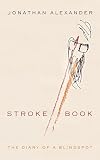
In the summer of 2019, Jonathan Alexander had a minor stroke, what his doctors called an "eye stroke." A small bit of cholesterol came loose from a vein in his neck and instead of shooting into his brain and causing damage, it lodged itself in a branch show more artery of his retina, resulting in a permanent blindspot in his right eye. In Stroke Book, Alexander recounts both the immediate aftermath of his health crisis, which marked deeper health concerns, as well as his experiences as a queer person subject to medical intervention.
A pressure that the queer ill contend with is feeling at fault for their condition, of having somehow chosen illness as punishment for their queerness, however subconsciously. Queer people often experience psychic and somatic pressures that not only decrease their overall quality of life but can also lead to shorter lifespans. Emerging out of a medical emergency and a need to think and feel that crisis through the author's sexuality, changing sense of dis/ability, and experience of time, Stroke Book invites readers on a personal journey of facing a health crisis while trying to understand how one's sexual identity affects and is affected by that crisis. Pieceing and stitching together his experience in a queered diary form, Alexander's lyrical prose documents his ongoing, unfolding experience in the aftermath of the stroke. Through the fracturing of his text, which almost mirrors his fractured sight post-stroke, the author grapples with his shifted experience of time, weaving in and out, while he tracks the aftermath of what he comes to call his "incident" and meditates on how a history of homophobic encounters can manifest in embodied forms.
The book situates itself within a larger queer tradition of writing—first, about the body, then about the body unbecoming, and then, yet further, about the body ongoing, even in the shadow of death. Stroke Book also documents the complexities of critique and imagination while holding open a space for dreaming, pleasure, intimacy, and the unexpected.
I RECEIVED A DRC FROM THE PUBLISHER VIA EDELWEISS+. THANK YOU.
My Review: I reviewed the hardcover edition of this book in June, 2022. In January, 2023, I had three strokes. As Fordham University Press is releasing this trade paper edition Tuesday next, it seemed like a good time to revisit the read, and to tart up my review. In the year-plus since my own strokes, I have had a lot of time to think over what happened to me, how it happened, and what I have lost as well as gained from the terrifying bodily othering of one's brain being altered physically.
Here is my 2022 review:
Author Alexander does a lot of thinking. It is all in his prose.
His world includes a husband, Mack, and a bunch of doctors who see him at need. So yes...he's white male privilege on legs. He's loved, employed, and creatively gifted (even works with my dote Michelle Latiolais!); he's able to get a publishing deal, so he's well connected.
None of that matters to cholesterol hanging onto the walls of this one artery, though, and when it takes off and lands in a new place that leaves him partially blind (and him with amblyopia already! PLUS it's his dominant eye that has the stroke!) He lands in that weird place called "chronic illness." And he'll never leave it. As a Queer man, that's a bad, grim journey...so many, many side-paths and so many losses and so much rage against the medical establishment that excuses its homophobia as "concern for patient privacy". But mostly, the fact is, this is a new resident in a community he's circled for decades, since AIDS through some "calculus of divine justice" has been seen as guilty without trial or concern for truth of Deserving It. Whatever bad thing "It" is, the gay men of the world Deserve It.
Not true; never was true; but there it is, like a rock in your panna cotta. Author Alexander asks, as he copes with his new situation as well as his mother's decline into old age, "is this what aging is like?" And answers himself, "Too soon. Always too soon." Amen, Soul Sibling. A-bloody-men!
***
So what would I add, what would I change, now that it has happened to me?
Really, not a whole lot of anything. I'll say that my recovery from three strokes has felt miraculous at times. I can't recall feeling as though I would need to adjust my quality-of-life expectations downward because of the strokes and their effects. My pre-existing issues have not worsened due to the strokes; if I have less and less energy, well, I'm not growing younger am I?
In short, I feel so very fortunate. I think the author realizes he was as well, though honestly he doesn't really make much of a meal about how he has changed, so I felt very much in tune with him and his attitude. Join him on a meditative journey through the changes that aging and its occasional curveball events will ring on your life. show less
Rating: 4* of five
The Publisher Says: An archive of personal trauma that addresses how a culture still toxic to queer people can reshape a body
In the summer of 2019, Jonathan Alexander had a minor stroke, what his doctors called an "eye stroke." A small bit of cholesterol came loose from a vein in his neck and instead of shooting into his brain and causing damage, it lodged itself in a branch show more artery of his retina, resulting in a permanent blindspot in his right eye. In Stroke Book, Alexander recounts both the immediate aftermath of his health crisis, which marked deeper health concerns, as well as his experiences as a queer person subject to medical intervention.
A pressure that the queer ill contend with is feeling at fault for their condition, of having somehow chosen illness as punishment for their queerness, however subconsciously. Queer people often experience psychic and somatic pressures that not only decrease their overall quality of life but can also lead to shorter lifespans. Emerging out of a medical emergency and a need to think and feel that crisis through the author's sexuality, changing sense of dis/ability, and experience of time, Stroke Book invites readers on a personal journey of facing a health crisis while trying to understand how one's sexual identity affects and is affected by that crisis. Pieceing and stitching together his experience in a queered diary form, Alexander's lyrical prose documents his ongoing, unfolding experience in the aftermath of the stroke. Through the fracturing of his text, which almost mirrors his fractured sight post-stroke, the author grapples with his shifted experience of time, weaving in and out, while he tracks the aftermath of what he comes to call his "incident" and meditates on how a history of homophobic encounters can manifest in embodied forms.
The book situates itself within a larger queer tradition of writing—first, about the body, then about the body unbecoming, and then, yet further, about the body ongoing, even in the shadow of death. Stroke Book also documents the complexities of critique and imagination while holding open a space for dreaming, pleasure, intimacy, and the unexpected.
I RECEIVED A DRC FROM THE PUBLISHER VIA EDELWEISS+. THANK YOU.
My Review: I reviewed the hardcover edition of this book in June, 2022. In January, 2023, I had three strokes. As Fordham University Press is releasing this trade paper edition Tuesday next, it seemed like a good time to revisit the read, and to tart up my review. In the year-plus since my own strokes, I have had a lot of time to think over what happened to me, how it happened, and what I have lost as well as gained from the terrifying bodily othering of one's brain being altered physically.
Here is my 2022 review:
Author Alexander does a lot of thinking. It is all in his prose.
I found myself thinking beyond {others}'s formal approach to the even more particularly queer nature of how I understood my stroke, of how I had been invited by a homophobic culture to think and feel about my body. A pressure that the queer ill contend with is feeling at fault for their condition, of having somehow chosen illness as punishment for their queerness, however subconsciously.
His world includes a husband, Mack, and a bunch of doctors who see him at need. So yes...he's white male privilege on legs. He's loved, employed, and creatively gifted (even works with my dote Michelle Latiolais!); he's able to get a publishing deal, so he's well connected.
None of that matters to cholesterol hanging onto the walls of this one artery, though, and when it takes off and lands in a new place that leaves him partially blind (and him with amblyopia already! PLUS it's his dominant eye that has the stroke!) He lands in that weird place called "chronic illness." And he'll never leave it. As a Queer man, that's a bad, grim journey...so many, many side-paths and so many losses and so much rage against the medical establishment that excuses its homophobia as "concern for patient privacy". But mostly, the fact is, this is a new resident in a community he's circled for decades, since AIDS through some "calculus of divine justice" has been seen as guilty without trial or concern for truth of Deserving It. Whatever bad thing "It" is, the gay men of the world Deserve It.
Not true; never was true; but there it is, like a rock in your panna cotta. Author Alexander asks, as he copes with his new situation as well as his mother's decline into old age, "is this what aging is like?" And answers himself, "Too soon. Always too soon." Amen, Soul Sibling. A-bloody-men!
***
So what would I add, what would I change, now that it has happened to me?
Really, not a whole lot of anything. I'll say that my recovery from three strokes has felt miraculous at times. I can't recall feeling as though I would need to adjust my quality-of-life expectations downward because of the strokes and their effects. My pre-existing issues have not worsened due to the strokes; if I have less and less energy, well, I'm not growing younger am I?
In short, I feel so very fortunate. I think the author realizes he was as well, though honestly he doesn't really make much of a meal about how he has changed, so I felt very much in tune with him and his attitude. Join him on a meditative journey through the changes that aging and its occasional curveball events will ring on your life. show less
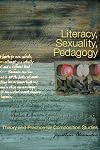
In Literacy, Sexuality, Pedagogy, Jonathan Alexander argues that literacy and sexuality are intricately linked and argues that composition should pay attention to a critical sexual literacy. He defines sexual literacy as "the knowledge complex that recognizes the significance of sexuality to self- and communal definition and that critically engages the stores we tell about sex and sexuality to probe them for controlling values and for ways to resist, when necessary, constraining norms" show more (5)—or more succinctly as "an intimate understanding of the ways in which sexuality is constructed in language and the ways in which our language and meaning-making systems are always already sexualized" (19). Taking feminism, critical pedagogy, and queer theory as his grounding, Alexander shows how students are developing sexual literacy in their literate lives outside of the classroom and shares his own and other teacher's experiences of developing students' sexual literacy in the classroom. While many may think that sexual literacy is necessary only for queer students, or for straight students to "tolerate" or "accept" queers, Alexander makes a compelling case that critical sexual literacy is necessary for all citizens—we all have sexualities and we are sexual citizens, he argues.
Since I'm already sympathetic to Alexander's argument, I think he makes his case quite well. The examples from his classroom and others' classrooms help to ground what he is discussing in material and situated practices. Alexander's use of transgender and transexual theories and rhetorics to help the reader understand that gender (and thus sexuality) is always in transition (not that everyone is transgender, but that our genders are always changing) is an interesting insight. What I found most fascinating was his chapter on the rhetoric of marriage and how students created critical, intelligent arguments about marriage that moved beyond the gay/straight marriage debate and into realms of polyamory, historicizing marriage, and other issues about what constitutes a family.
Alexander closes with a chapter on resistance, and discusses how he has found little student resistance in discussing sexual literacy in his classroom. This is largely because students are interested in the topic, resulting in stronger writing from students as well. He thinks that the largest resistance will come from other faculty, who will, despite his argument, feel that sex/uality is too personal for the composition classroom. However, I agree with Alexander that he's argued quite well that sex/uality and sexual literacy is a very public issue.
Great book overall. I think even if you're uncomfortable with sex/uality, his chapter on marriage rhetoric is useful in considering how to "teach the conflicts" in Gerald Graff's terms without relying on the same-old pro-con debates that students often fall into. show less
Since I'm already sympathetic to Alexander's argument, I think he makes his case quite well. The examples from his classroom and others' classrooms help to ground what he is discussing in material and situated practices. Alexander's use of transgender and transexual theories and rhetorics to help the reader understand that gender (and thus sexuality) is always in transition (not that everyone is transgender, but that our genders are always changing) is an interesting insight. What I found most fascinating was his chapter on the rhetoric of marriage and how students created critical, intelligent arguments about marriage that moved beyond the gay/straight marriage debate and into realms of polyamory, historicizing marriage, and other issues about what constitutes a family.
Alexander closes with a chapter on resistance, and discusses how he has found little student resistance in discussing sexual literacy in his classroom. This is largely because students are interested in the topic, resulting in stronger writing from students as well. He thinks that the largest resistance will come from other faculty, who will, despite his argument, feel that sex/uality is too personal for the composition classroom. However, I agree with Alexander that he's argued quite well that sex/uality and sexual literacy is a very public issue.
Great book overall. I think even if you're uncomfortable with sex/uality, his chapter on marriage rhetoric is useful in considering how to "teach the conflicts" in Gerald Graff's terms without relying on the same-old pro-con debates that students often fall into. show less
Awards


You May Also Like


Associated Authors
Statistics
- Works
- 17
- Members
- 209
- Popularity
- #106,075
- Rating
- 3.6
- Reviews
- 3
- ISBNs
- 56