
Bernardine Evaristo
Author of Girl, Woman, Other
About the Author
Bernardine Evaristo was born in London to a Nigerian father and English mother. She is a former poet in residence at the Museum of London.
Image credit: Publicity photo by Katie Vandyck, available at author's website.
Works by Bernardine Evaristo
Associated Works
New Daughters of Africa: An International Anthology of Writing by Women of African Descent (2019) — Contributor — 116 copies, 1 review
My Fathers' Daughter: A Story of Family and Belonging (2005) — Introduction, some editions — 98 copies, 2 reviews
Loud Black Girls: 20 Black Women Writers Ask, What's Next? (2020) — Foreword, some editions — 27 copies
So Much Things to Say: 100 Poets from the First Ten Years of the Calabash International Literary Festival (2010) — Contributor — 26 copies, 1 review
Tagged
Common Knowledge
- Legal name
- Evaristo, Bernardine Anne Mobolaji
- Birthdate
- 1959-05-28
- Gender
- female
- Education
- Eltham Hill Girls Grammar School
Rose Bruford College of Speech & Drama - Occupations
- actor
writer - Organizations
- Westminster Befriend A Family
Spread the Word Literature Development Agency
Free Verse
The Complete Works - Awards and honors
- Order of the British Empire (Officer)
Royal Socierty of Literature (Fellow)
Royal Society of Arts (Fellow)
NESTA Fellowship Award (2003)
Arts Council Writers Award (2000)
American Academy of Arts & Sciences (Honorary International Fellow) (show all 12)
Trinity College Dublin (Gold Medal of Honorary Patronage)
Orange Prize Youth Panel Award (2009)
Hurston/Wright Legacy Award nominee (2010)
British Book Award (Best Author, 2020)
Praeses Elit Award (2024)
Women's Prize Outstanding Contribution Award (2025) - Agent
- Kate Jones (US)
Karolina Sutton (UK)
Curtis Brown (UK) - Nationality
- UK
- Birthplace
- Eltham, London, England, UK
- Places of residence
- London, England, UK
- Map Location
- England, UK
Members
Discussions
2019 Booker Prize Longlist: Girl, Woman, Other by Bernardine Evaristo in Booker Prize (July 2019)
Reviews

Zuleika, the daughter of Sudanese/Nubian immigrants to Londinium, becomes a child bride and then the mistress of the emperor Septimius Severus.
A brash bawdy romp, this novel in verse is basically a "Carry On Cleo" type of mixture of Roman stereotypes with knowing winks to the audience through references to modern place names in and around London and modern fashions. The cover gives the game away with Zuleika sporting a heart shaped tattoo enclosing the words "SEV IV ME". I loved it, but show more those who take their historical fiction seriously will hate it. show less
A brash bawdy romp, this novel in verse is basically a "Carry On Cleo" type of mixture of Roman stereotypes with knowing winks to the audience through references to modern place names in and around London and modern fashions. The cover gives the game away with Zuleika sporting a heart shaped tattoo enclosing the words "SEV IV ME". I loved it, but show more those who take their historical fiction seriously will hate it. show less
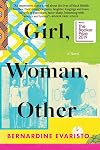
‘’Amma is walking along the promenade if the waterway that bisects her city, a few early morning barges cruise slowly by, to her left is the nautical-themes footbridge with its deck-like walkway and sailing mast pylons
to her right is the bend in the river as it heads east past Waterloo Bridge towards the dome of St Paul’s
she feels the sun begin to rise, the air still breezy before the city clogs up with heat and fumes.’’
Twelve women. Twelve stories, twelve stops in an exciting, show more moving journey. Twelve hearts, twelve minds, twelve souls. Twelve confessions, twelve testimonies. One masterpiece.
Evaristo has created a difficult route for us. Through London - vividly portrayed- through Theatre, Education and the Arts, through the upper and middle classes, meeting the workers and the bohemians and the privileged, the ‘’old’’ and the ‘young’’, the hopeful and the fearful. She beautifully communicates the complex themes of race, gender and sexuality, equality and independence, justice and equal opportunities, patriarchy and revolution. It is a rough journey through the decades that shaped our modern world and our convictions and perceptions. The fight for civil rights, the threat of Aids, the Thatcherian politics, the chaos of Brexit and the impossible chasm it has caused.
The stories of the twelve women and their voices reach far beyond the issues of sexual liberation and emancipation. Evaristo offers us a completely honest view of organizations and political parties. She comments on the gang problem and the babymothers of British society, on the hurdles in Education with its centuries-old convictions, the curse of lesson plans, the death of all creativity and freedom (and I speak from 14 years of experience). Her writing is flowing, raw and honest. She doesn’t present saints but women who are good, women who are bad and women who are everything in between.
Through the African myths of warrior women, Amma’s free spirit, Yazz’s wonderful musings that reminded me of my university years, Shirley’s resilience, Dominique’s enlightenment, Evaristo shows that we are not victims and those who would like to see us as such (and treat us even worse…) better keep THAT in mind. On a literary level, she gave me the golden opportunity to explore the work of writers that were unknown to me. I was in the middle of reading a number of exciting books at the same time, but my mind wanted to exclusively dedicate itself to this modern masterpiece.
In 2020, Bernardine Evaristo became the first woman of colour and the first Black British woman to get a number 1 in the UK paperback fiction charts. In 2019, she became the first black woman and first Black British author to win the Booker prize. BUT. Girl, Woman, Other should have been the sole winner. Why didn’t this happen? I think we all know why. Who can forget BBCs abominable ‘’Margaret Atwood and another author’’?
‘’I’m not a victim. Don’t ever treat me like a victim, my mother didn’t raise me to be a victim.’’
*In other news, Goodreads Search ‘’function’’ doesn’t seem to be able to ‘’find’ the novel by its title. I guess it’s easier and more popular in the Amazon sphere of abhorrence for The Girl with the Golden whothefuckcareswhatitisreally and its sequels to show up…*
My reviews can also be found on https://theopinionatedreaderblog.wordpress.com/ show less
to her right is the bend in the river as it heads east past Waterloo Bridge towards the dome of St Paul’s
she feels the sun begin to rise, the air still breezy before the city clogs up with heat and fumes.’’
Twelve women. Twelve stories, twelve stops in an exciting, show more moving journey. Twelve hearts, twelve minds, twelve souls. Twelve confessions, twelve testimonies. One masterpiece.
Evaristo has created a difficult route for us. Through London - vividly portrayed- through Theatre, Education and the Arts, through the upper and middle classes, meeting the workers and the bohemians and the privileged, the ‘’old’’ and the ‘young’’, the hopeful and the fearful. She beautifully communicates the complex themes of race, gender and sexuality, equality and independence, justice and equal opportunities, patriarchy and revolution. It is a rough journey through the decades that shaped our modern world and our convictions and perceptions. The fight for civil rights, the threat of Aids, the Thatcherian politics, the chaos of Brexit and the impossible chasm it has caused.
The stories of the twelve women and their voices reach far beyond the issues of sexual liberation and emancipation. Evaristo offers us a completely honest view of organizations and political parties. She comments on the gang problem and the babymothers of British society, on the hurdles in Education with its centuries-old convictions, the curse of lesson plans, the death of all creativity and freedom (and I speak from 14 years of experience). Her writing is flowing, raw and honest. She doesn’t present saints but women who are good, women who are bad and women who are everything in between.
Through the African myths of warrior women, Amma’s free spirit, Yazz’s wonderful musings that reminded me of my university years, Shirley’s resilience, Dominique’s enlightenment, Evaristo shows that we are not victims and those who would like to see us as such (and treat us even worse…) better keep THAT in mind. On a literary level, she gave me the golden opportunity to explore the work of writers that were unknown to me. I was in the middle of reading a number of exciting books at the same time, but my mind wanted to exclusively dedicate itself to this modern masterpiece.
In 2020, Bernardine Evaristo became the first woman of colour and the first Black British woman to get a number 1 in the UK paperback fiction charts. In 2019, she became the first black woman and first Black British author to win the Booker prize. BUT. Girl, Woman, Other should have been the sole winner. Why didn’t this happen? I think we all know why. Who can forget BBCs abominable ‘’Margaret Atwood and another author’’?
‘’I’m not a victim. Don’t ever treat me like a victim, my mother didn’t raise me to be a victim.’’
*In other news, Goodreads Search ‘’function’’ doesn’t seem to be able to ‘’find’ the novel by its title. I guess it’s easier and more popular in the Amazon sphere of abhorrence for The Girl with the Golden whothefuckcareswhatitisreally and its sequels to show up…*
My reviews can also be found on https://theopinionatedreaderblog.wordpress.com/ show less
“...and what with the planet about to go to shit with the United Kingdom soon to be disunited from Europe which itself is hurtling down the reactionary road and making fascism fashionable again and it’s so crazy that the disgusting perma-tanned billionaire has set a new intellectual and moral low by being president of America and basically it all means that the older generation has RUINED EVERYTHING and her generation is doooooomed.”
“to choose such a brutal and dramatic finale show more Carole knows what drives people to such despair, knows what it’s like to appear normal but to feel herself swaying just one leap away from the amassed crowds on the platforms who carry enough hope in their hearts to stay alive swaying just one leap away from eternal peace.”
I love short fiction and linked stories and this collection, really delivers on both fronts. It follows, twelve different woman, living in England, both in the past and the present. Most are black or mixed race, and the author directs a careful spotlight on each individual, with loving detail. Her writing is a marvel- strong, intelligent and lyrical. It also deals with many of the issues that are plaguing our troubled world.
I adore Margaret Atwood and I enjoyed The Testaments, but Bernadine Evaristo should have been the sole winner of the Booker Prize, in 2019, with this incredible achievement. show less
“to choose such a brutal and dramatic finale show more Carole knows what drives people to such despair, knows what it’s like to appear normal but to feel herself swaying just one leap away from the amassed crowds on the platforms who carry enough hope in their hearts to stay alive swaying just one leap away from eternal peace.”
I love short fiction and linked stories and this collection, really delivers on both fronts. It follows, twelve different woman, living in England, both in the past and the present. Most are black or mixed race, and the author directs a careful spotlight on each individual, with loving detail. Her writing is a marvel- strong, intelligent and lyrical. It also deals with many of the issues that are plaguing our troubled world.
I adore Margaret Atwood and I enjoyed The Testaments, but Bernadine Evaristo should have been the sole winner of the Booker Prize, in 2019, with this incredible achievement. show less
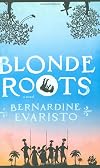
There have been many books written about the African slave trade, but none quite like Blonde Roots. As soon as you see the comically re-imagined map of the world, you know you're in for something different. In Bernardine Evaristo's version, it's the "whyte Europanes" who have been enslaved and forced to work on the cane plantations of the "blak Aphrikans." But although the tone is mostly light and funny, Evaristo never lets you forget the very real tragedies behind her curiously inverted show more history.
The book swerves from being hilarious to heartbreaking as it follows the story of Doris, captured and separated from her cabbage-farming family as a child and spirited away to work as a slave named Omorenomwara. Now a grown woman, Doris/Omo starts to give in to her desire for freedom and becomes determined to escape.
Blonde Roots is the sort of book I love – one that can be appreciated on many levels. It's a great story that keeps you wanting to read as you find yourself drawn to or repulsed by well-drawn characters. It's also a smart, fresh satire that's both funny and thought-provoking as you are forced to wonder what might have been if history had unfolded differently. And it's a fabulous read for wordplay lovers: Doris ends up in the Aphrikan city of Londolo, whose districts have names like mayfa, paddinto, ox fordah and wata lo. The locals celebrate a holiday called Voodoomass, and it's the white slaves whose English has a flavourful twist.
This witty, original book gets a solid recommendation from me. show less
The book swerves from being hilarious to heartbreaking as it follows the story of Doris, captured and separated from her cabbage-farming family as a child and spirited away to work as a slave named Omorenomwara. Now a grown woman, Doris/Omo starts to give in to her desire for freedom and becomes determined to escape.
Blonde Roots is the sort of book I love – one that can be appreciated on many levels. It's a great story that keeps you wanting to read as you find yourself drawn to or repulsed by well-drawn characters. It's also a smart, fresh satire that's both funny and thought-provoking as you are forced to wonder what might have been if history had unfolded differently. And it's a fabulous read for wordplay lovers: Doris ends up in the Aphrikan city of Londolo, whose districts have names like mayfa, paddinto, ox fordah and wata lo. The locals celebrate a holiday called Voodoomass, and it's the white slaves whose English has a flavourful twist.
This witty, original book gets a solid recommendation from me. show less
Lists
BLM (1)
Five star books (1)
Black Authors (1)
Booker Prize (1)
Female Author (1)
Sapph-Lit (1)
Big Jubilee List (1)
Awards


You May Also Like


Associated Authors
Statistics
- Works
- 16
- Also by
- 20
- Members
- 6,122
- Popularity
- #4,019
- Rating
- 4.0
- Reviews
- 247
- ISBNs
- 163
- Languages
- 19
- Favorited
- 2
