
Scot D. Ryersson
Author of Infinite Variety: The Life and Legend of the Marchesa Casati
Works by Scot D. Ryersson
Tagged
Common Knowledge
- Canonical name
- Ryersson, Scot D.
- Birthdate
- 1960-09-10
- Gender
- male
- Education
- Chelsea School of Art and Design
- Occupations
- illustrator
Graphic Artist
writer
director (The Casati Archives) - Organizations
- The Casati Archives (co-director)
- Nationality
- USA
- Birthplace
- Suffern, New York, USA
- Associated Place (for map)
- New York, USA
Members
Reviews
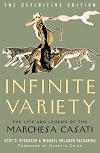
Ik ben Luisa Casati di Soncino, Marchesa di Roma (1881-1957) al eens tegengekomen in boeken die ik las over het Europa van begin 20ste eeuw, onder meer in het boek over de fotograaf Man Ray. Ik zag het prachtige schilderij dat Giovanni Boldini van haar schilderde in 2018 in het Rijksmuseum en toen kwam ik haar biografie tegen. Infinite Variety, The Life and Legend of the Marchesa Casati, geschreven door Scot D. Ryersson & Michael Orlando Yaccarino.
Ik wist wel iets van haar, maar het is mij show more nogal een verhaal. We hebben het hier over de Lady Gaga van de jaren twintig vorige eeuw, maar gooit u er gerust nog een paar schepjes bovenop. Luisa Casati en haar zus Francesca waren de schatrijke erfgenamen van een Italiaanse textielbaron en zijn vrouw die beiden op jonge leeftijd overleden. Casati trouwde op negentienjarige leeftijd met Camillo Casati Stampa di Soncino, Marchese di Roma met wie ze een dochter Cristina kreeg.
Het is geen gelukkig huwelijk. De markies heeft alleen belangstelling voor de jacht en het koppel leeft langs elkaar heen. Luisa krijgt een verhouding met schrijver Gabriele d’Annunzio, die haar vereeuwigde in zijn roman Forse che sì forse che no. Ze bezoekt bals en soirées en ergens valt er een kwartje, want het roer gaat om.
Luisa begint zich opvallend te kleden. Het lange haar wordt afgeknipt en vuurrood geverfd. Ze is al lang van zichzelf, maar benadrukt met haar kleding haar lengte nog eens. Haar huid is bleek en dat cultiveert ze zo veel mogelijk, terwijl ze haar grote ogen zwart omrand en haar lippen vuurrood verft. Ze wordt een opvallende verschijning.
Daar blijft het niet bij, want ze wil zelf ook feesten geven en daar is ruimte voor nodig. Ze koopt daartoe een palazzo in Venetië en laat het opknappen. Huisdieren zijn ook fijn, dus laat La Casati witte pauwen en albino merels aanrukken. Omdat labradoodles nog niet bestonden neemt ze ook een paar cheeta’s die ze voorziet van zilveren halsbanden. Verder komen er zwarte en witte hazewindhonden, een aantal apen en papegaaien én een stel slangen, waarvan een boa constrictor het pronkstuk is. Dan is de menagerie ongeveer wel compleet.
En feesten geeft ze. Niet alleen in haar paleis, ze is ook niet te beroerd om het complete San Marcoplein in Venetië af te huren. Dat gaat ongeveer zo:
Two hundred black servants in white wigs, red velvet dress coats, and ropes of pearls held candelabra to light the way to the tables that were scattered on the square. Arriving by gondola, aristocrats from Britain, France, and Italy appeared in baroque fancy dress with crinolines, powdered wigs, and embroidered waistcoats, as well as the traditional costumes of the commedia dell’arte.
Dat is allemaal mooi, maar het klapstuk is altijd de entree van La Casati zelf;
The fête’s hostess made a grand entrance from the water, followed by a gondola-borne orchestra lit by countless Chinese lanterns. The Marchesa’s appearance on the piazzetta was heralded first by flag bearers, trumpeters, and a trio of falcon handlers.
Dat gaat nog even zo door en het is haast niet voor te stellen wat voor vermogen zo’n feest moet kosten. We mogen vaststellen dat Luisa licht narcistische trekjes vertoont want ze is groot fan van haar eigen beeltenis. Ze bestelt talloze afbeeldingen van zichzelf, waaronder die van Boldoni en van de Nederlander Kees van Dongen met wie ze een korte affaire heeft. Haar portret wordt ook in steen uitgehouwen en de dichter Ezra Pound neemt haar op in zijn werk.
U begrijpt dat zij haar image in stand dient te houden voor dit alles en het uiterlijk is dus belangrijk. Haar pupillen zou ze extra groot maken door te druppelen met een extract van de giftige wolfskers. Ze zou ook opium en cocaïne gebruiken, overigens niet ongebruikelijk in societykringen uit die tijd én ze heeft belangstelling voor occulte zaken en draagt dat ook uit op haar feesten. Een kristallen bol is nooit ver weg.
Dat voedt ook allerlei geruchten en Luisa houdt zelf ook van macabere grappen. Zo laat ze een wassen beeld van zichzelf maken en vindt het leuk om dat aan tafel te zetten en er zelf naast te gaan zitten als haar gasten komen eten. Totale verwarring tot er één begint te bewegen. Dat doet ze ook met haar ‘sieraden’. Ze verft levende slangen in goudkleur en wikkelt ze om haar arm om het op een sieraad te laten lijken. De gasten schrikken zich wezenloos als de dieren ineens beginnen te bewegen. Wat de geruchten betreft, sommigen denken dat ze de as van vroegere geliefden in wassen beelden bewaart. Iets waarvan nooit bewijs is gevonden natuurlijk.
Uiteindelijk wordt La Casati ingehaald door de tijd en door haar uitzinnige uitgaven. De Eerste Wereldoorlog maakt zonder haar toestemming een einde aan de Belle Epoque. Mensen hebben ineens iets anders aan hun hoofd dan extravaganza;
Luisa’s clique of admirers and confidants was growing ever smaller as she tried to maintain a connection with a society that was quickly edging away.
Luisa trekt zich er weinig van aan, de oogkleppen gaan op en ze blijft het geld met bakken tegelijk uitgeven.
Dat is uiteindelijk niet vol te houden. Bezorgde boekhouders hadden haar al gewaarschuwd, maar als Luisa iets ziet wil ze het hebben. Ze ruilt makkelijk iets peperduurs voor iets zonder waarde, alleen voor de heb van het moment. De rode cijfers laten uiteindelijk 25 miljoen Amerikaanse dollars zien. Paleizen en huizen gaan in de verkoop en Luisa belandt in Londen, praktisch zonder geld. Daar doet ze wat ze kan, ze zoekt veren om haar kleding op te luisteren en maakt collages van plaatjes. Uiteindelijk overlijdt ze aan een beroerte in 1957.
Na haar dood eindigt het verhaal eigenlijk niet. In het boek wordt verteld waar de schilderijen en andere kunstwerken die naar haar beeltenis gemaakt zijn terecht zijn gekomen. De werken van d’Anunzio en Pound en Man Ray zijn nog altijd te lezen of te bewonderen en schrijvers als Jack Kerouac en Tennessee Williams lieten zich ook door haar inspireren. Dat geldt ook voor de couturiers Karl Lagerfeld en Yves Saint-Laurent. Ontwerper John Galliano baseerde in 1998 zijn totale modeshow op Luisa Casati en de Nederlandse componist Willem Jeths schreef in 2020 nog de opera Ritratto over haar. Deze fascinerende vrouw is er niet meer, maar eigenlijk nog springlevend. show less
Ik wist wel iets van haar, maar het is mij show more nogal een verhaal. We hebben het hier over de Lady Gaga van de jaren twintig vorige eeuw, maar gooit u er gerust nog een paar schepjes bovenop. Luisa Casati en haar zus Francesca waren de schatrijke erfgenamen van een Italiaanse textielbaron en zijn vrouw die beiden op jonge leeftijd overleden. Casati trouwde op negentienjarige leeftijd met Camillo Casati Stampa di Soncino, Marchese di Roma met wie ze een dochter Cristina kreeg.
Het is geen gelukkig huwelijk. De markies heeft alleen belangstelling voor de jacht en het koppel leeft langs elkaar heen. Luisa krijgt een verhouding met schrijver Gabriele d’Annunzio, die haar vereeuwigde in zijn roman Forse che sì forse che no. Ze bezoekt bals en soirées en ergens valt er een kwartje, want het roer gaat om.
Luisa begint zich opvallend te kleden. Het lange haar wordt afgeknipt en vuurrood geverfd. Ze is al lang van zichzelf, maar benadrukt met haar kleding haar lengte nog eens. Haar huid is bleek en dat cultiveert ze zo veel mogelijk, terwijl ze haar grote ogen zwart omrand en haar lippen vuurrood verft. Ze wordt een opvallende verschijning.
Daar blijft het niet bij, want ze wil zelf ook feesten geven en daar is ruimte voor nodig. Ze koopt daartoe een palazzo in Venetië en laat het opknappen. Huisdieren zijn ook fijn, dus laat La Casati witte pauwen en albino merels aanrukken. Omdat labradoodles nog niet bestonden neemt ze ook een paar cheeta’s die ze voorziet van zilveren halsbanden. Verder komen er zwarte en witte hazewindhonden, een aantal apen en papegaaien én een stel slangen, waarvan een boa constrictor het pronkstuk is. Dan is de menagerie ongeveer wel compleet.
En feesten geeft ze. Niet alleen in haar paleis, ze is ook niet te beroerd om het complete San Marcoplein in Venetië af te huren. Dat gaat ongeveer zo:
Two hundred black servants in white wigs, red velvet dress coats, and ropes of pearls held candelabra to light the way to the tables that were scattered on the square. Arriving by gondola, aristocrats from Britain, France, and Italy appeared in baroque fancy dress with crinolines, powdered wigs, and embroidered waistcoats, as well as the traditional costumes of the commedia dell’arte.
Dat is allemaal mooi, maar het klapstuk is altijd de entree van La Casati zelf;
The fête’s hostess made a grand entrance from the water, followed by a gondola-borne orchestra lit by countless Chinese lanterns. The Marchesa’s appearance on the piazzetta was heralded first by flag bearers, trumpeters, and a trio of falcon handlers.
Dat gaat nog even zo door en het is haast niet voor te stellen wat voor vermogen zo’n feest moet kosten. We mogen vaststellen dat Luisa licht narcistische trekjes vertoont want ze is groot fan van haar eigen beeltenis. Ze bestelt talloze afbeeldingen van zichzelf, waaronder die van Boldoni en van de Nederlander Kees van Dongen met wie ze een korte affaire heeft. Haar portret wordt ook in steen uitgehouwen en de dichter Ezra Pound neemt haar op in zijn werk.
U begrijpt dat zij haar image in stand dient te houden voor dit alles en het uiterlijk is dus belangrijk. Haar pupillen zou ze extra groot maken door te druppelen met een extract van de giftige wolfskers. Ze zou ook opium en cocaïne gebruiken, overigens niet ongebruikelijk in societykringen uit die tijd én ze heeft belangstelling voor occulte zaken en draagt dat ook uit op haar feesten. Een kristallen bol is nooit ver weg.
Dat voedt ook allerlei geruchten en Luisa houdt zelf ook van macabere grappen. Zo laat ze een wassen beeld van zichzelf maken en vindt het leuk om dat aan tafel te zetten en er zelf naast te gaan zitten als haar gasten komen eten. Totale verwarring tot er één begint te bewegen. Dat doet ze ook met haar ‘sieraden’. Ze verft levende slangen in goudkleur en wikkelt ze om haar arm om het op een sieraad te laten lijken. De gasten schrikken zich wezenloos als de dieren ineens beginnen te bewegen. Wat de geruchten betreft, sommigen denken dat ze de as van vroegere geliefden in wassen beelden bewaart. Iets waarvan nooit bewijs is gevonden natuurlijk.
Uiteindelijk wordt La Casati ingehaald door de tijd en door haar uitzinnige uitgaven. De Eerste Wereldoorlog maakt zonder haar toestemming een einde aan de Belle Epoque. Mensen hebben ineens iets anders aan hun hoofd dan extravaganza;
Luisa’s clique of admirers and confidants was growing ever smaller as she tried to maintain a connection with a society that was quickly edging away.
Luisa trekt zich er weinig van aan, de oogkleppen gaan op en ze blijft het geld met bakken tegelijk uitgeven.
Dat is uiteindelijk niet vol te houden. Bezorgde boekhouders hadden haar al gewaarschuwd, maar als Luisa iets ziet wil ze het hebben. Ze ruilt makkelijk iets peperduurs voor iets zonder waarde, alleen voor de heb van het moment. De rode cijfers laten uiteindelijk 25 miljoen Amerikaanse dollars zien. Paleizen en huizen gaan in de verkoop en Luisa belandt in Londen, praktisch zonder geld. Daar doet ze wat ze kan, ze zoekt veren om haar kleding op te luisteren en maakt collages van plaatjes. Uiteindelijk overlijdt ze aan een beroerte in 1957.
Na haar dood eindigt het verhaal eigenlijk niet. In het boek wordt verteld waar de schilderijen en andere kunstwerken die naar haar beeltenis gemaakt zijn terecht zijn gekomen. De werken van d’Anunzio en Pound en Man Ray zijn nog altijd te lezen of te bewonderen en schrijvers als Jack Kerouac en Tennessee Williams lieten zich ook door haar inspireren. Dat geldt ook voor de couturiers Karl Lagerfeld en Yves Saint-Laurent. Ontwerper John Galliano baseerde in 1998 zijn totale modeshow op Luisa Casati en de Nederlandse componist Willem Jeths schreef in 2020 nog de opera Ritratto over haar. Deze fascinerende vrouw is er niet meer, maar eigenlijk nog springlevend. show less
Infinite Variety: The Life and Legend of the Marchesa Casati (Definitive Edition) by Scot D. Ryersson
From the “interesting women” reading list. It’s argued that Marchesa Luisa Casati was the third most painted woman in history – after the Madonna and Cleopatra. She was certainly one of the most painted women of her time in another sense of the word – she favored extremely heavy makeup, with a chalk-white base, shocking red lipstick, and eyes darkened with kohl – she sometimes went as far as using 2” long false eyelashes, gluing velvet to her eyelids, and enlarging her pupils show more with belladonna drops.
She didn’t start this way; as a young girl she was fairly ordinary, overshadowed by her older sister Francesca. Her family was wealthy industrialists; they owned cloth mills in northern Italy, and sought to move up socially by marrying Luisa off to the Marchese Camilo Casati, a noble but impoverished Italian cavalry officer. Luisa apparently settled down to the typical life of a young Italian wife in the early 1900s, giving birth to a daughter, Cristina, and managing a rural household while her husband busied himself with hunting, hounds, and horses.
Then something happened – perhaps a long-suppressed desire to be different, maybe a stray cosmic ray interacting with a brain cell, or who knows what, and the previously drab and dutiful Marchesa suddenly went over the top. She cut her hair, dyed the remainder bright red, adopted her signature makeup style, bought a villa in Venice, and began throwing wild parties and having affairs. She picked up a menagerie – an assortment of large snakes, a monkey that guests described as “loud and smelly”, and several cheetahs. She entered parties wearing nothing but makeup, a fur coat, and a boa constrictor, and escorted by a pair of large, silent, black servants who wore loincloths and carried torches. Now and then she had the servants painted gold, for variety. She patronized artists, sometimes pestering them for weeks until they agreed to paint her. She picked up another villa in Paris and rented one on Capri, with all used for increasingly exotic fetes and masquerade balls. She recruited lovers of both sexes – the most famous being novelist, poet, aviator, war hero, and proto-Fascist Gabriele d’Annunzio. She traveled around the world – authors Scot Ryersson and Michael Yaccarino note it’s hard to keep track of her, as rumors would put her in several places at the same time, and because she never kept any diaries or wrote anything down, preferring the visual.
It couldn’t last, of course. By the 1930s, her wealth was depleted, exacerbated by her habit of paying bills with art objects and her complete horror of dealing with things like taxes. She fled to London and moved through a series of increasingly squalid houses and apartments, complicated by the Blitz and the fact that she was technically an enemy alien. Most of her old friends and lovers ignored her, although a few came through now and then to make sure she had enough to eat – and money for makeup. She died in 1957 at the age of 76; her remaining friends saw to it she was buried with a new set of false eyelashes, and a stuffed Pekinese. Her gravestone in Brompton Cemetery has an inscription from Antony and Cleopatra – “Age cannot wither her, nor custom stale her infinite variety”. show less
She didn’t start this way; as a young girl she was fairly ordinary, overshadowed by her older sister Francesca. Her family was wealthy industrialists; they owned cloth mills in northern Italy, and sought to move up socially by marrying Luisa off to the Marchese Camilo Casati, a noble but impoverished Italian cavalry officer. Luisa apparently settled down to the typical life of a young Italian wife in the early 1900s, giving birth to a daughter, Cristina, and managing a rural household while her husband busied himself with hunting, hounds, and horses.
Then something happened – perhaps a long-suppressed desire to be different, maybe a stray cosmic ray interacting with a brain cell, or who knows what, and the previously drab and dutiful Marchesa suddenly went over the top. She cut her hair, dyed the remainder bright red, adopted her signature makeup style, bought a villa in Venice, and began throwing wild parties and having affairs. She picked up a menagerie – an assortment of large snakes, a monkey that guests described as “loud and smelly”, and several cheetahs. She entered parties wearing nothing but makeup, a fur coat, and a boa constrictor, and escorted by a pair of large, silent, black servants who wore loincloths and carried torches. Now and then she had the servants painted gold, for variety. She patronized artists, sometimes pestering them for weeks until they agreed to paint her. She picked up another villa in Paris and rented one on Capri, with all used for increasingly exotic fetes and masquerade balls. She recruited lovers of both sexes – the most famous being novelist, poet, aviator, war hero, and proto-Fascist Gabriele d’Annunzio. She traveled around the world – authors Scot Ryersson and Michael Yaccarino note it’s hard to keep track of her, as rumors would put her in several places at the same time, and because she never kept any diaries or wrote anything down, preferring the visual.
It couldn’t last, of course. By the 1930s, her wealth was depleted, exacerbated by her habit of paying bills with art objects and her complete horror of dealing with things like taxes. She fled to London and moved through a series of increasingly squalid houses and apartments, complicated by the Blitz and the fact that she was technically an enemy alien. Most of her old friends and lovers ignored her, although a few came through now and then to make sure she had enough to eat – and money for makeup. She died in 1957 at the age of 76; her remaining friends saw to it she was buried with a new set of false eyelashes, and a stuffed Pekinese. Her gravestone in Brompton Cemetery has an inscription from Antony and Cleopatra – “Age cannot wither her, nor custom stale her infinite variety”. show less

One of two books I’ve read about the Marchesa Casati, by Scot Ryerson and Orlando Yaccarino; the other is Infinite Variety. That work was a straightforward biography with some illustrations; this one is a coffee-table size book of art and photography, with some biographical text, so they are complimentary. Both books cite the claim that the Marchesa was the third most painted woman of all time, after the Madonna and Cleopatra; probably reasonable but I don’t know how to check. At any show more rate there do seem to be plenty of portraits; I think my favorite is a 1908 one by Giovanni Boldini; the Marchesa is facing the viewer with her trademark direct gaze. She’s dressed entirely in black except for white opera gloves. A black greyhound with a diamond collar stands at her feet.
Little of the Marchesa’s personality comes though in either book; she wrote so little that the authors give a full page to reproduce a note she wrote to Cecil Beaton. Near the end of her life she produced some collages made up of illustrations from English magazines, and they’re also reproduced here. She had numerous lovers, but no one has volunteered to kiss and tell. Most of her acquaintances were sycophants who dropped her as soon as her wealth evaporated; a few friends stuck with her until her bitter end in a series of increasingly dreary London lodgings.
There are some flaws; some of the text is black on dark colors and difficult to read. The last 50 pages or so are devoted to the Marchesa’s “legacy”; some of this is relevant – for example, stills from a one-woman show about the Marchesa – while sometimes the relation is strained – full page pictures of a brand of chocolate supposedly inspired by the Marchesa.
Certainly a worthwhile accompaniment to Ryerson and Yaccarino’s other book; not bad to have on your coffee table. show less
Little of the Marchesa’s personality comes though in either book; she wrote so little that the authors give a full page to reproduce a note she wrote to Cecil Beaton. Near the end of her life she produced some collages made up of illustrations from English magazines, and they’re also reproduced here. She had numerous lovers, but no one has volunteered to kiss and tell. Most of her acquaintances were sycophants who dropped her as soon as her wealth evaporated; a few friends stuck with her until her bitter end in a series of increasingly dreary London lodgings.
There are some flaws; some of the text is black on dark colors and difficult to read. The last 50 pages or so are devoted to the Marchesa’s “legacy”; some of this is relevant – for example, stills from a one-woman show about the Marchesa – while sometimes the relation is strained – full page pictures of a brand of chocolate supposedly inspired by the Marchesa.
Certainly a worthwhile accompaniment to Ryerson and Yaccarino’s other book; not bad to have on your coffee table. show less
Infinite Variety: The Life and Legend of the Marchesa CasatiThe Ultimate Edition by Scot D. Ryersson
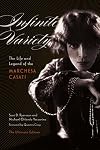
A really interesting and fascinating insight into the lover of Gabrielle, the Anzio amongst others. The owner of a wonderful house in the Venetian grand Canal with parties that really are legendary. Her decadence and narcissism were very impressive, and led to fascinating, colourful, and of course Complex life. Anyone interested in fashion, Italy, poetry, narcissism, the bright, young things generation, and just people who aren’t afraid to beat themselves, will get a lot out of this book. show more Highly recommend show less
Awards

You May Also Like


Statistics
- Works
- 10
- Members
- 210
- Popularity
- #105,677
- Rating
- 3.7
- Reviews
- 12
- ISBNs
- 14
- Languages
- 4
- Favorited
- 1