
Hilary T. Smith
Author of Wild Awake
About the Author
Works by Hilary T. Smith
Welcome to the Jungle: Everything You Ever Wanted to Know About Bipolar but Were Too Freaked Out to Ask (2010) — Author — 60 copies, 3 reviews
Welcome to the Jungle, Revised Edition: Facing Bipolar Without Freaking Out (2017) 17 copies, 1 review
Tagged
Common Knowledge
- Gender
- female
Members
Reviews
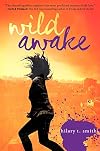
Full review on Reader's Dialogue: http://readersdialogue.blogspot.com/2013/06/wild-awake.html
I read this book in one sitting, my heart getting more and more constricted as I read it. Kiri is never diagnosed formally, but in an expert friend's opinion could be monomanic. She doesn't need sleep, she's hyper-focused on her projects, she acts recklessly and impulsively and she starts a deep relationship with a guy she knows nothing about. From a practical point of view, I was outraged at Kiri's show more parents for the way they treated her - always acting in her best interests, but stifling her to the point that she breaks down and succumbs to the illness hiding in the deep recesses of her mind.
But from an emotional standpoint, my heart just broke again and again, each time Kiri embarks on a new quest thinking that she discovered the secrets to the world but in fact is set on the path to her own destruction. I know a bit about mental illness, and Hilary T. Smith has said that she knows about mental illness personally, so I know that this book captures the thought processes of a mentally ill person so perfectly it made my heart ache.
By the way, ignore the blurb on the cover that says this book is about love. There's love, but it's so much more than that. While Kiri does fall in love with Skunk, even that relationship is about mental illness. This book is a brilliant look inside the mind gone wild, with all its exhilarating moments and devastating moments. show less
I read this book in one sitting, my heart getting more and more constricted as I read it. Kiri is never diagnosed formally, but in an expert friend's opinion could be monomanic. She doesn't need sleep, she's hyper-focused on her projects, she acts recklessly and impulsively and she starts a deep relationship with a guy she knows nothing about. From a practical point of view, I was outraged at Kiri's show more parents for the way they treated her - always acting in her best interests, but stifling her to the point that she breaks down and succumbs to the illness hiding in the deep recesses of her mind.
But from an emotional standpoint, my heart just broke again and again, each time Kiri embarks on a new quest thinking that she discovered the secrets to the world but in fact is set on the path to her own destruction. I know a bit about mental illness, and Hilary T. Smith has said that she knows about mental illness personally, so I know that this book captures the thought processes of a mentally ill person so perfectly it made my heart ache.
By the way, ignore the blurb on the cover that says this book is about love. There's love, but it's so much more than that. While Kiri does fall in love with Skunk, even that relationship is about mental illness. This book is a brilliant look inside the mind gone wild, with all its exhilarating moments and devastating moments. show less
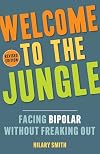
I read the first edition of this book when I was first diagnosed in my early twenties. Unlike many, I had an accurate diagnosis almost immediately; nearly being hospitalized due to intense mania with psychotic features tends to have that effect. Go figure.
Smith's book came at exactly the right time and with exactly the right words. Especially when you're in your twenties, you try on new identities, and being diagnosed as bipolar hands you a brand new one to try on. It's a little like a show more hideous sweater from your Aunt Thelma that you have to wear to Thanksgiving to be polite; you don't necessarily want it, but you have to wear it anyway, so you might as well own it.
One of the best things I could have read was her advice about not over-identifying yourself with your diagnosis, and I'm not talking about the whole "you are more than your diagnosis" (which is good advice, but still touchy-feely and paradoxically, makes you identify more with your diagnosis); Smith is the opposite of touchy-feely. She tells you, "Dude, knock it off, or you're going to be That Guy with the one schtick he's defined by. Don't be That Guy."
At a time when I might have run with being That Guy whose whole schtick was wearing ugly sweaters, I needed that. (Like, really needed that. There's always that insufferable douche who manages to mention their ugly sweater in every conversation, and I could have been that douchecanoe.)
I do wish she talked about the opposite problem, as she briefly addressed in her first edition, which was under-identifying. Sometimes I go long spells without any episodes and think, "It was a misdiagnosis! I'm fine!" until, oh, right. During particularly uneventful long spells, I really start to get paranoid - "Am I making this up? I'm fine. I was just angsty" and I wish someone had told me that's (a) completely normal, and (b) no, don't do that, because you end up doing stupid stuff later on.
Also, Smith doesn't ignore Bipolar I. People, and authors, act weird about Bipolar I. Books give you hints and tricks and tools for living your best life with bipolar II, then give this dry, clinical account of Bipolar I diagnostics and basically tell you to take medication, like, "Yup! No way to have a normal life with Bipolar I. You're fucked." Well, thanks? Or they don't mention it at all, which is sort of worse and sends the same message. (I have a sneaking suspicion that this is because it's easier to destigmatize bipolar II because it's not as overtly scary, and we still don't know how to handle people who hear voices or think government agencies are following them, but that's just a suspicion).
Hers was the first book I read about bipolar that mentions bipolar I and II equally and doesn't get freaked by psychosis. "You think you're the Queen of Egypt? Cool! Maybe don't tell people that, but it happens." She doesn't ignore it or give the message that you will Never Have a Normal Life and should be Locked Away Forever, You Crazy Person. She doesn't make it this Big, Scary Thing. It's just another part that could happen, and that's okay. Here's how to not let it screw up your life. And honestly? I really needed that. I still do. People love making lists of successful, famous people who have/had bipolar... II. It can give a girl a complex, you know? But it doesn't have to! It can just be a different kind of hurdle.
I love her tone, as well. Some books are dry and just kind of repeat the DSM definitions; others act like you need to be ~soothed~ because you're so traumatized. What I wanted back then - and now - is practical, matter-of-fact advice that acknowledges you have a life and responsibilities and do not have the money or time to develop a comprehensive, thirty-year plan to handle your disorder, and Welcome to the Jungle delivers in spades. She strikes just the right balance between brutally honest, funny, and compassionate.
Oh, and by practical, I really mean it. Most books stop short at "Keep a mood chart!" and "Keep a routine!", which is great, but hey, I'm bipolar. I suck at routines. Bipolar is like, the anti-routine. Chapter 6 actually has some techniques for how to keep from going into a full-blown episode when you feel it creeping in, which is what I need.
She can get a little hippie-dippie, but she's upfront and completely okay with the fact that not everyone is into meditating and herbal teas; it's presented as another option that you can try, not, "These magic crystals will cure you!". The lack of information on medication can inadvertently lead to the assumption that she's anti-medicine, but she throws in just enough, "Maybe take your meds, that's a good thing", that I don't think it's that bad of advice. Mainly, she focuses on a holistic approach: treat your mind with meds, treat your body with stress techniques, and don't forget that one affects the other.
Finally, if you've read the first edition and are worried this is a rerun with a new theme song, fret not. About 80% of this edition is new material, with a more mature, though no less funny, take. show less
Smith's book came at exactly the right time and with exactly the right words. Especially when you're in your twenties, you try on new identities, and being diagnosed as bipolar hands you a brand new one to try on. It's a little like a show more hideous sweater from your Aunt Thelma that you have to wear to Thanksgiving to be polite; you don't necessarily want it, but you have to wear it anyway, so you might as well own it.
One of the best things I could have read was her advice about not over-identifying yourself with your diagnosis, and I'm not talking about the whole "you are more than your diagnosis" (which is good advice, but still touchy-feely and paradoxically, makes you identify more with your diagnosis); Smith is the opposite of touchy-feely. She tells you, "Dude, knock it off, or you're going to be That Guy with the one schtick he's defined by. Don't be That Guy."
At a time when I might have run with being That Guy whose whole schtick was wearing ugly sweaters, I needed that. (Like, really needed that. There's always that insufferable douche who manages to mention their ugly sweater in every conversation, and I could have been that douchecanoe.)
I do wish she talked about the opposite problem, as she briefly addressed in her first edition, which was under-identifying. Sometimes I go long spells without any episodes and think, "It was a misdiagnosis! I'm fine!" until, oh, right. During particularly uneventful long spells, I really start to get paranoid - "Am I making this up? I'm fine. I was just angsty" and I wish someone had told me that's (a) completely normal, and (b) no, don't do that, because you end up doing stupid stuff later on.
Also, Smith doesn't ignore Bipolar I. People, and authors, act weird about Bipolar I. Books give you hints and tricks and tools for living your best life with bipolar II, then give this dry, clinical account of Bipolar I diagnostics and basically tell you to take medication, like, "Yup! No way to have a normal life with Bipolar I. You're fucked." Well, thanks? Or they don't mention it at all, which is sort of worse and sends the same message. (I have a sneaking suspicion that this is because it's easier to destigmatize bipolar II because it's not as overtly scary, and we still don't know how to handle people who hear voices or think government agencies are following them, but that's just a suspicion).
Hers was the first book I read about bipolar that mentions bipolar I and II equally and doesn't get freaked by psychosis. "You think you're the Queen of Egypt? Cool! Maybe don't tell people that, but it happens." She doesn't ignore it or give the message that you will Never Have a Normal Life and should be Locked Away Forever, You Crazy Person. She doesn't make it this Big, Scary Thing. It's just another part that could happen, and that's okay. Here's how to not let it screw up your life. And honestly? I really needed that. I still do. People love making lists of successful, famous people who have/had bipolar... II. It can give a girl a complex, you know? But it doesn't have to! It can just be a different kind of hurdle.
I love her tone, as well. Some books are dry and just kind of repeat the DSM definitions; others act like you need to be ~soothed~ because you're so traumatized. What I wanted back then - and now - is practical, matter-of-fact advice that acknowledges you have a life and responsibilities and do not have the money or time to develop a comprehensive, thirty-year plan to handle your disorder, and Welcome to the Jungle delivers in spades. She strikes just the right balance between brutally honest, funny, and compassionate.
Oh, and by practical, I really mean it. Most books stop short at "Keep a mood chart!" and "Keep a routine!", which is great, but hey, I'm bipolar. I suck at routines. Bipolar is like, the anti-routine. Chapter 6 actually has some techniques for how to keep from going into a full-blown episode when you feel it creeping in, which is what I need.
She can get a little hippie-dippie, but she's upfront and completely okay with the fact that not everyone is into meditating and herbal teas; it's presented as another option that you can try, not, "These magic crystals will cure you!". The lack of information on medication can inadvertently lead to the assumption that she's anti-medicine, but she throws in just enough, "Maybe take your meds, that's a good thing", that I don't think it's that bad of advice. Mainly, she focuses on a holistic approach: treat your mind with meds, treat your body with stress techniques, and don't forget that one affects the other.
Finally, if you've read the first edition and are worried this is a rerun with a new theme song, fret not. About 80% of this edition is new material, with a more mature, though no less funny, take. show less
This book is crazy. It's a crazy book about crazy people and you will feel crazy reading it.
I Loved it.
Have you ever been on a swing-set or merry-go-round or a roller coaster and when you went to bed you couldn't stop spinning? That's what this book felt like.
The pacing was PERFECT. There was never a moment where I was bored and when I had to stop to eat or pee or watch Big Bang Theory it was really hard to pull myself away.
THE WRITING. Oh my god, the WRITING. Suffice to say it was lovely, show more it was beautiful and it was crazy. The writing made this book feel like this book.
And the characters. There were all exactly as they should be, crazy and insecure and imperfect because that's how people are and that was perfect. The relationships were tangled and it didn't make sense and that was perfect because that's how life is.
And the title. The title fit this book perfectly. Sometimes, in a book the wrods in the title are used. I'm pretty good at catching it when that happens, and it didn't happen in this book but the title Wild Awake--I can't imagine a better title for this book. The characters were Wild Awake and I was Wild Awake while I was reading it.
I think this book is crazy, beautiful, perfect. show less
I Loved it.
Have you ever been on a swing-set or merry-go-round or a roller coaster and when you went to bed you couldn't stop spinning? That's what this book felt like.
The pacing was PERFECT. There was never a moment where I was bored and when I had to stop to eat or pee or watch Big Bang Theory it was really hard to pull myself away.
THE WRITING. Oh my god, the WRITING. Suffice to say it was lovely, show more it was beautiful and it was crazy. The writing made this book feel like this book.
And the characters. There were all exactly as they should be, crazy and insecure and imperfect because that's how people are and that was perfect. The relationships were tangled and it didn't make sense and that was perfect because that's how life is.
And the title. The title fit this book perfectly. Sometimes, in a book the wrods in the title are used. I'm pretty good at catching it when that happens, and it didn't happen in this book but the title Wild Awake--I can't imagine a better title for this book. The characters were Wild Awake and I was Wild Awake while I was reading it.
I think this book is crazy, beautiful, perfect. show less
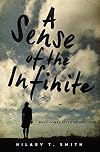
Review courtesy of Dark Faerie Tales
Quick & Dirty: A tortured friendship and far too many bottled secrets.
Opening Sentence: On the first day of Noe, the raspberries are always ripe.
The Review:
I adored this read because I felt it was unique in terms of the other books I have read of late. There is so much heartbreak and feeling that I couldn’t help but fall in love with the characters and their stories. First off, there is Annabeth, who frustrated me at the beginning with her god-like show more worship of Noe, but soon enough she became my favourite. I understand why she felt indebted to Noe because she was her first friend and like a saviour at a hard time in her life, but Annabeth was almost obsessed with her, which was a leeetle creepy.
Noe, on the other hand, was a horribly fickle friend and I did not care for her in the least. I knew straight away that she would cause major problems later on. I didn’t like her personality, especially when she kept implying that Anna was the one with all the problems. It was clear from the way Anna admired her that their friendship was too one-sided and wouldn’t last but even still, their broken relationship was painful to read about.
Some friendships ended all at once and some were like Athenian ships, each part slowly replaced over the years until one day, even if you had never left the deck, you couldn’t recognise it anymore. Lately when I talked to Noe I felt like one of the old people who came to the ice-cream shop year after year; even though the soul of the place had long ago drained out of it: they knew it wasn’t the same anymore, but they simply didn’t know where else to go.
Anna had problems that no teenager should have to deal with. Clearly, she depended on Noe too much but then had to learn the hard way how to be strong and rely on yourself. This story showed how difficult it is to make your own path and the pressure of having overpowering friends.
My favourite relationship was Anna and Steven’s friendship. It wasn’t romantic but oh so sweet. Both were the quirky kind of kindred spirits that it’s almost impossible to stumble upon; ‘pee sisters’ as they were. Steven is odd but sweet and I loved his sense of humour.
“Pleased to make your official acquaintance, Annabeth. Let’s be friends.”
“Okay,” I said. Then, because I felt guilty, I burst, “I didn’t mean that we weren’t already sort of friends. By association.”
“I don’t like knowing people through people,” he said evenly. “It feels too much like regurgitation.”
Reading about children/teenagers with issues like depression, haunting pasts, and bulimia is always difficult. Anna’s story was heart-breaking, especially hearing her thoughts about feeling like a monster because of something that was not her fault and that she had no control over. Anna’s fear of speaking about her past because of being judged is a huge problem that definitely needs greater awareness and I’m glad this book picked up on it. Her ability to keep things bottled up was shocking, I don’t think I could do it even though I don’t like talking about personal issues either.
“That’s different. Need some time, okay. Nobody can ever love me after this, not okay. I can’t love myself after this, not okay. Would you feel bad for meeting a cute boy if Oliver was the one having the appointment?”
Overall, a touching read told from a young girl’s perspective and covering a vast array of intriguing topics that I believe need greater awareness.
Notable Scene:
I opened my mouth again. “I know you’re going to say that plans change and you never promised anything, but it’s more than that. Sometimes I feel like our friendship is this leaky boat but nobody’s allowed to admit the boat is leaking. We just sit there with our feet getting wet, but I can’t say, Hey, my feet are wet, because you’ll throw me overboard.”
“Nobody’s throwing you overboard,” said Noe calmly. “You’re having a bad day.”
FTC Advisory: Katherine Tegen Books/HarperCollins provided me with a copy of A Sense of the Infinite. No goody bags, sponsorships, “material connections,” or bribes were exchanged for my review. show less
Quick & Dirty: A tortured friendship and far too many bottled secrets.
Opening Sentence: On the first day of Noe, the raspberries are always ripe.
The Review:
I adored this read because I felt it was unique in terms of the other books I have read of late. There is so much heartbreak and feeling that I couldn’t help but fall in love with the characters and their stories. First off, there is Annabeth, who frustrated me at the beginning with her god-like show more worship of Noe, but soon enough she became my favourite. I understand why she felt indebted to Noe because she was her first friend and like a saviour at a hard time in her life, but Annabeth was almost obsessed with her, which was a leeetle creepy.
Noe, on the other hand, was a horribly fickle friend and I did not care for her in the least. I knew straight away that she would cause major problems later on. I didn’t like her personality, especially when she kept implying that Anna was the one with all the problems. It was clear from the way Anna admired her that their friendship was too one-sided and wouldn’t last but even still, their broken relationship was painful to read about.
Some friendships ended all at once and some were like Athenian ships, each part slowly replaced over the years until one day, even if you had never left the deck, you couldn’t recognise it anymore. Lately when I talked to Noe I felt like one of the old people who came to the ice-cream shop year after year; even though the soul of the place had long ago drained out of it: they knew it wasn’t the same anymore, but they simply didn’t know where else to go.
Anna had problems that no teenager should have to deal with. Clearly, she depended on Noe too much but then had to learn the hard way how to be strong and rely on yourself. This story showed how difficult it is to make your own path and the pressure of having overpowering friends.
My favourite relationship was Anna and Steven’s friendship. It wasn’t romantic but oh so sweet. Both were the quirky kind of kindred spirits that it’s almost impossible to stumble upon; ‘pee sisters’ as they were. Steven is odd but sweet and I loved his sense of humour.
“Pleased to make your official acquaintance, Annabeth. Let’s be friends.”
“Okay,” I said. Then, because I felt guilty, I burst, “I didn’t mean that we weren’t already sort of friends. By association.”
“I don’t like knowing people through people,” he said evenly. “It feels too much like regurgitation.”
Reading about children/teenagers with issues like depression, haunting pasts, and bulimia is always difficult. Anna’s story was heart-breaking, especially hearing her thoughts about feeling like a monster because of something that was not her fault and that she had no control over. Anna’s fear of speaking about her past because of being judged is a huge problem that definitely needs greater awareness and I’m glad this book picked up on it. Her ability to keep things bottled up was shocking, I don’t think I could do it even though I don’t like talking about personal issues either.
“That’s different. Need some time, okay. Nobody can ever love me after this, not okay. I can’t love myself after this, not okay. Would you feel bad for meeting a cute boy if Oliver was the one having the appointment?”
Overall, a touching read told from a young girl’s perspective and covering a vast array of intriguing topics that I believe need greater awareness.
Notable Scene:
I opened my mouth again. “I know you’re going to say that plans change and you never promised anything, but it’s more than that. Sometimes I feel like our friendship is this leaky boat but nobody’s allowed to admit the boat is leaking. We just sit there with our feet getting wet, but I can’t say, Hey, my feet are wet, because you’ll throw me overboard.”
“Nobody’s throwing you overboard,” said Noe calmly. “You’re having a bad day.”
FTC Advisory: Katherine Tegen Books/HarperCollins provided me with a copy of A Sense of the Infinite. No goody bags, sponsorships, “material connections,” or bribes were exchanged for my review. show less
Awards


You May Also Like


Associated Authors
Statistics
- Works
- 5
- Members
- 358
- Popularity
- #66,977
- Rating
- 3.6
- Reviews
- 33
- ISBNs
- 17
- Languages
- 1