
John Stauffer
Author of The State of Jones: The Small Southern County that Seceded from the Confederacy
About the Author
John Stauffer has published numerous articles on photography and social reform in America, and is the recipient of grants and awards from the National Endowment for the Humanities, the Woodrow Wilson National Fellowship Foundation, The Pew Program in Religion and American History, and the Gilder show more Lehrman Institute of American History. His forthcoming book, The Black Hearts of Men, won the 1999 Ralph Henry Gabriel Prize for the best dissertation in American Studies from the American Studies Association. He is Assistant Professor of English, History and Literature at Harvard University. (Bowker Author Biography) show less
Image credit: Stauffer in 2014
Works by John Stauffer
The State of Jones: The Small Southern County that Seceded from the Confederacy (2009) 330 copies, 14 reviews
The Black Hearts of Men: Radical Abolitionists and the Transformation of Race (2001) 107 copies, 2 reviews
Picturing Frederick Douglass: An Illustrated Biography of the Nineteenth Century's Most Photographed American (2015) 66 copies, 2 reviews
The Tribunal: Responses to John Brown and the Harpers Ferry Raid (The John Harvard Library) (2012) 28 copies
The American Short Story: The Nineteenth Century, Volume 2 (LOA #395) (Library of America The American Short Story: The Nineteenth Century) (2026) 18 copies
Robert Stivers: Listening to Cement 4 copies
Associated Works
The Portable Frederick Douglass (Penguin Classics) (2016) — Editor, some editions — 94 copies, 2 reviews
In Search of Hannah Crafts: Critical Essays on the Bondwoman's Narrative (2003) — Contributor — 59 copies
The Future of History: Historians, Historical Organizations, and the Prospects for the Field (2017) — Contributor — 6 copies
Tagged
Common Knowledge
- Birthdate
- 1965
- Gender
- male
- Education
- Yale University
- Occupations
- Professor, Harvard University
- Nationality
- USA
- Places of residence
- Cambridge, Massachusetts, USA
- Associated Place (for map)
- Massachusetts, USA
Members
Reviews
Picturing Frederick Douglass: An Illustrated Biography of the Nineteenth Century's Most Photographed American by John Stauffer
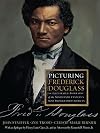
Frederick Douglass escaped slavery, educated himself, and became a social reformer, abolitionist, orator, writer, and statesman. He took a prominent role on the national stage during the time of Lincoln, the Civil War, and the struggle for black suffrage that followed.
This gorgeous volume contains 160 photographs of Frederick Douglass, the most photographed man of his century. The photos, taken from 1841 to 1895, are extensively annotated. The book also includes pictures of Douglass that show more are representations of him by others, including cartoons, sketches, and posters. Most importantly, it contains a biography and the text of a number of Douglass’s speeches, especially those on the importance of the visual image, and how images could and should change perceptions of Americans about the morality of slavery.
Douglass was way ahead of his time in many ways, one of which was his understanding of the power of pictures to mesmerize, to capture truth, to counter caricatures, and to stir the emotions. Recognition of the revolutionary potential of representation led Douglass to believe that photography would establish that blacks held as property were not in fact “things” but human beings. He capitalized on his own dignified appearance to help spread this message, distributing his own photos widely.
But as Douglass’s ancestor, Kenneth B. Morris, Jr., points out in an Afterword, it was not only the pictures of Douglass and others that established that all people were created equal:
"His words painted a portrait of profound depth and refinement, and they destroyed the enslaver’s hoax that there are people born for a life of servitude.”
The authors, in their Introduction, also credit the reinforcing influence of both Douglass's textual and visual avenues of communication:
"Indeed, his portraits and words sent a message to the world that he had as much claim to citizenship, with the rights of equality before the law, as his white peers.”
Evaluation: This book, of “coffee-table” quality, should be an essential part of any library on history as well as art. Frederick Douglass, had and still has, so much to teach us about heroism, persistence, intelligence, and integrity. show less
This gorgeous volume contains 160 photographs of Frederick Douglass, the most photographed man of his century. The photos, taken from 1841 to 1895, are extensively annotated. The book also includes pictures of Douglass that show more are representations of him by others, including cartoons, sketches, and posters. Most importantly, it contains a biography and the text of a number of Douglass’s speeches, especially those on the importance of the visual image, and how images could and should change perceptions of Americans about the morality of slavery.
Douglass was way ahead of his time in many ways, one of which was his understanding of the power of pictures to mesmerize, to capture truth, to counter caricatures, and to stir the emotions. Recognition of the revolutionary potential of representation led Douglass to believe that photography would establish that blacks held as property were not in fact “things” but human beings. He capitalized on his own dignified appearance to help spread this message, distributing his own photos widely.
But as Douglass’s ancestor, Kenneth B. Morris, Jr., points out in an Afterword, it was not only the pictures of Douglass and others that established that all people were created equal:
"His words painted a portrait of profound depth and refinement, and they destroyed the enslaver’s hoax that there are people born for a life of servitude.”
The authors, in their Introduction, also credit the reinforcing influence of both Douglass's textual and visual avenues of communication:
"Indeed, his portraits and words sent a message to the world that he had as much claim to citizenship, with the rights of equality before the law, as his white peers.”
Evaluation: This book, of “coffee-table” quality, should be an essential part of any library on history as well as art. Frederick Douglass, had and still has, so much to teach us about heroism, persistence, intelligence, and integrity. show less

There is a part of the history of the American Civil War that is not very well-known, that is rarely taught in the schools. It is the story of southerners who believed in the Union, who not only refused to fight for the Confederacy, but actively fought against it. Some did so by joining the Union forces, others did so by engaging in guerrilla warfare. The rural county of Jones in Mississippi was a stronghold of men who opposed secession. Some were staunch Unionists. Some were anti-slavery. show more Some believed it was a rich man's war and a poor man's fight. One such man was Newton Knight, and this is his story.
Newton Knight was the grandson of Jackie Knight, one of the early settlers in this part of Mississippi. By the time war came, he was "merely a rich man in a state full of tycoons", but the owner of several hundred acres of cotton and rice, and of a couple of dozen slaves. But his son, Albert, Newton's father, unlike Jackie's other children, refused to own any slaves, and led a modest life as a shoemaker and tanner. This split in the family would echo down through the years and the generations.
When the Civil War began, Newton, like many others, was forced into service in the Confederate Army. After Vicksburg, he, like many others, deserted. He spent the rest of the war with a band of like-minded souls, fighting the Confederacy in Jones County. The book does not, however, end with Lee's surrender, because the war really didn't end there. There was a period when men like Knight were in the ascendancy, when it looked as though the Union had won the war. But it soon became apparent that, in Mississippi at least, the South had won. National politics meant that the federal government soon declined to enforce the rule of law, and ex-Confederates came to power through murder and intimidation at the polls, leaving a legacy of racial injustice that still haunts this country today.
There's another part of Newton's story that's told here, the story of his love for a black woman, a woman named Rachel who was owned by his grandfather. Newton was married to a woman named Serena, by whom he had several children, but he also had children by Rachel. Now, it wasn't unusual for a white man to have children by a slave woman. What was unusual was that theirs was a true consensual relationship. He viewed her as his wife (the authors suggest that later conversions of some members of the family to Mormonism might have been caused, at least in part, by that faith's then recognition of plural marriage), he recognized and helped to raise and support his children by her, he made sure she had financial independence.
One would like to know what it was that caused Albert (and, through him, his children) to be not only opposed to slavery, but a friend to African-Americans. I cannot, however, fault the authors for being unable to answer this question; it is, at this remove, likely unanswerable.
I was, for the most part, riveted by this book. If I have any quibble with it, it is that in the early part it jumps around a bit too much for my taste. However, the authors combine serious scholarship and research (among other things, they located and interviewed descendants of Knight) with good storytelling. Civil War buffs will appreciate the vivid descriptions of the battle of Corinth, the siege of Vicksburg, and the guerrilla bands. About the only folks who won't like this book are those who don't want their preconceived ideas about the south and the Confederacy disturbed.
(For another story of Union sympathizers in the South, this one fiction, I highly recommend Sharyn McCrumb's Ghost Riders, one of her "Ballad Series".) show less
Newton Knight was the grandson of Jackie Knight, one of the early settlers in this part of Mississippi. By the time war came, he was "merely a rich man in a state full of tycoons", but the owner of several hundred acres of cotton and rice, and of a couple of dozen slaves. But his son, Albert, Newton's father, unlike Jackie's other children, refused to own any slaves, and led a modest life as a shoemaker and tanner. This split in the family would echo down through the years and the generations.
When the Civil War began, Newton, like many others, was forced into service in the Confederate Army. After Vicksburg, he, like many others, deserted. He spent the rest of the war with a band of like-minded souls, fighting the Confederacy in Jones County. The book does not, however, end with Lee's surrender, because the war really didn't end there. There was a period when men like Knight were in the ascendancy, when it looked as though the Union had won the war. But it soon became apparent that, in Mississippi at least, the South had won. National politics meant that the federal government soon declined to enforce the rule of law, and ex-Confederates came to power through murder and intimidation at the polls, leaving a legacy of racial injustice that still haunts this country today.
There's another part of Newton's story that's told here, the story of his love for a black woman, a woman named Rachel who was owned by his grandfather. Newton was married to a woman named Serena, by whom he had several children, but he also had children by Rachel. Now, it wasn't unusual for a white man to have children by a slave woman. What was unusual was that theirs was a true consensual relationship. He viewed her as his wife (the authors suggest that later conversions of some members of the family to Mormonism might have been caused, at least in part, by that faith's then recognition of plural marriage), he recognized and helped to raise and support his children by her, he made sure she had financial independence.
One would like to know what it was that caused Albert (and, through him, his children) to be not only opposed to slavery, but a friend to African-Americans. I cannot, however, fault the authors for being unable to answer this question; it is, at this remove, likely unanswerable.
I was, for the most part, riveted by this book. If I have any quibble with it, it is that in the early part it jumps around a bit too much for my taste. However, the authors combine serious scholarship and research (among other things, they located and interviewed descendants of Knight) with good storytelling. Civil War buffs will appreciate the vivid descriptions of the battle of Corinth, the siege of Vicksburg, and the guerrilla bands. About the only folks who won't like this book are those who don't want their preconceived ideas about the south and the Confederacy disturbed.
(For another story of Union sympathizers in the South, this one fiction, I highly recommend Sharyn McCrumb's Ghost Riders, one of her "Ballad Series".) show less
The story of the pro-Union guerrilla resistance organized by hard-scrabble dirt farmer Newton Knight in southeastern Mississippi, which appears to be the Wild West of the South. Despite his great success, at great cost, Knight's post-war struggle against the overwhelming pressures of the Southern Cause is heart-breaking. The aristocrats who made up the Confederacy shoved through secession even though Jones County was overwhelmingly pro-Union. When the war ended, politics returned them to show more power starting with President Andrew Johnson, Lincoln's Southern Democrat successor who may have been pro-Union, but was unrelentingly racist. Congress took the power over the South away from him and kicked the rebels out, but Grant, of all people, returned them to power as a trade-off, then the Democrats, seeking to replace the Republicans in office, defanged and later removed the military occupiers, letting the ex-Confederates drive out and kill Republicans and blacks - who were often the same - and use the law as locally interpreted, to keep the black man down for another 100 years. Knight, who should've been a hero, was forced to withdraw to his farm, always armed against possible assassination. But while he rode during the Civil War with his Union guerrillas - so recognized by the North - he delivered amazing rear-area victories. Well-deserved recognition for a man little known whose story will be retold, in Hollywood fashion, in an upcoming Mathew McConaughey movie. Brilliant story, a genuine page-turner. Revealing in its view of life in the South, the attitude towards the aristocratic secessionists, and the success in achieving rebel goals after the war ended, among other things. show less
Picturing Frederick Douglass: An Illustrated Biography of the Nineteenth Century's Most Photographed American by John Stauffer
In Picturing Frederick Douglass: An Illustrated Biography of the Nineteenth Century's Most Photographed American, authors John Stauffer, Zoe Trodd, and Celeste-Marie Bernier argue "the photographs are then a kind of visual autobiography. If Douglass wrote himself into public existence with his narratives, he also photographed himself into public existence, evolving across the years as a freedom fighter, steely visionary, wise prophet, and elder statesman" (p. xxv). Stauffer, Trodd, and show more Bernier organize their work into five parts: the photographs themselves, contemporary artwork based on or used in place of photographs, the photographic legacy, Douglass's writings on photography, and a catalogue raisonné.
In the first part, Stauffer, Trodd, and Bernier present the photographs chronologically with annotations about the photographers or similar photographs for which Douglass sat. They include with the photographs etchings based on them for newsprint, which nineteenth century readers considered as accurate as original photographs. The images show the transformation in Douglass's public image and demonstrate Douglass's own beliefs regarding photography.
Both the contemporary artwork and photographic legacy parts focus on artwork that used Douglass to send a message. The contemporary artwork became more lifelike over time, likely due to the proliferation of Douglass's photographs and a demand for accurate representations from consumers who now knew his true appearance without the filter of an artist. The modern artwork, appearing around the United States and in Ireland, uses Douglass's photographs as inspiration for murals, statues, stamps, and other public pieces. The choice of source photograph reflects the artist's message, with the elder Douglass appearing in more conservative pieces while revolutionary artwork makes heavy use of the younger Douglass.
Stauffer, Trodd, and Bernier's inclusion of three previously-unpublished Douglass lectures about photography and the power of image demonstrates the validity of their interpretation of the photographs with Douglass's own words. It is especially enlightening to read these lectures and witness the evolution of Douglass's ideas and read how he continually returned to the power of image to enlighten the public.
Finally, the catalogue raisonné is a nice touch and reaffirms in black-and-white (as well as sepia and other tones) the authors' claim that Douglass was the most photographed American in the nineteenth century (surpassed worldwide only by the British royal family).
Picturing Frederick Douglass deserves a place alongside Douglass's own autobiographies as well as among books on nineteenth century photography and monographs on image analysis. Stauffer, Trodd, and Bernier's multidisciplinary methodology allows readers of any background to find their own scholarly significance for this work. The large format enables the reader to fully appreciate the images and ensures that this work will appeal to those outside of academia. show less
In the first part, Stauffer, Trodd, and Bernier present the photographs chronologically with annotations about the photographers or similar photographs for which Douglass sat. They include with the photographs etchings based on them for newsprint, which nineteenth century readers considered as accurate as original photographs. The images show the transformation in Douglass's public image and demonstrate Douglass's own beliefs regarding photography.
Both the contemporary artwork and photographic legacy parts focus on artwork that used Douglass to send a message. The contemporary artwork became more lifelike over time, likely due to the proliferation of Douglass's photographs and a demand for accurate representations from consumers who now knew his true appearance without the filter of an artist. The modern artwork, appearing around the United States and in Ireland, uses Douglass's photographs as inspiration for murals, statues, stamps, and other public pieces. The choice of source photograph reflects the artist's message, with the elder Douglass appearing in more conservative pieces while revolutionary artwork makes heavy use of the younger Douglass.
Stauffer, Trodd, and Bernier's inclusion of three previously-unpublished Douglass lectures about photography and the power of image demonstrates the validity of their interpretation of the photographs with Douglass's own words. It is especially enlightening to read these lectures and witness the evolution of Douglass's ideas and read how he continually returned to the power of image to enlighten the public.
Finally, the catalogue raisonné is a nice touch and reaffirms in black-and-white (as well as sepia and other tones) the authors' claim that Douglass was the most photographed American in the nineteenth century (surpassed worldwide only by the British royal family).
Picturing Frederick Douglass deserves a place alongside Douglass's own autobiographies as well as among books on nineteenth century photography and monographs on image analysis. Stauffer, Trodd, and Bernier's multidisciplinary methodology allows readers of any background to find their own scholarly significance for this work. The large format enables the reader to fully appreciate the images and ensures that this work will appeal to those outside of academia. show less
Lists
Awards


You May Also Like


Associated Authors
Statistics
- Works
- 15
- Also by
- 6
- Members
- 1,018
- Popularity
- #25,308
- Rating
- 3.9
- Reviews
- 22
- ISBNs
- 30