

Judith Rossner (1935–2005)
Author of Looking for Mr. Goodbar
About the Author
Judith Perelman Rossner (March 31, 1935 - August 9, 2005) was an American novelist, best known for her 1975 novel Looking for Mr. Goodbar. The novel was adapted into a 1977 movie starring Richard Gere and Dianne Keaton. Rossner was born in New York City and raised in the Bronx. her book, Looking show more for Mr. Goodbar, fist started out as an article for Esquire Magazine, but the magazine later rejected it for publication. It was then that she began to write a novel instead. Rossner also wrote Emmeline in 1980, which was later made into an opera. She also wrote August, His Little Women, and Olivia. Rossner died on August 9, 2005 at the age of seventy at New York University Medical Center in Manhattan. (Bowker Author Biography) show less
Works by Judith Rossner
Transas 2 copies
Associated Works
For the Love of Books: 115 Celebrated Writers on the Books They Love Most (1999) — Contributor — 479 copies, 4 reviews
Amerika, Amerika bloemlezing — Contributor — 8 copies
Time-Life Book Digest: Masquerade | Sand Castles | His Little Women | What Lisa Knew (1990) — Author — 2 copies
Tagged
Common Knowledge
- Canonical name
- Rossner, Judith
- Legal name
- Rossner, Judith Perelman
- Other names
- Perelman, Judith Louise (birth)
- Birthdate
- 1935-03-31
- Date of death
- 2005-08-09
- Gender
- female
- Education
- City College of New York
- Occupations
- novelist
short story writer - Relationships
- Rossner, Robert (former spouse)
Harrison, Charles Yale (uncle) - Cause of death
- complications of diabetes
leukemia - Nationality
- USA
- Birthplace
- New York, New York, USA
- Places of residence
- New York, New York, USA
Acworth, New Hampshire, USA - Place of death
- New York, New York, USA
- Associated Place (for map)
- New York, USA
Members
Discussions
'August' I think was title. Early 80's(?) in Name that Book (November 2011)
Reviews

That was a shocker for which the 'innocent-looking' grey covers and beautiful binding of this Persephone edition did not prepare me! I'm going to be thinking about this book for a long time, but the feeling I'm left with, mostly, is anger. Anger at a system which--historically, at least--punishes women for their sexuality and their ability to bear children. (Well, let's be honest . . . not just historically but still to this day).
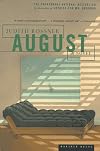
Two women: Dawn Henley is a patient with obsessive tendencies, latching onto daddy types as lovers. Her mother committed suicide when Dawn was only six months old. Her father drowned soon thereafter. She was raised by Vera and Tony, a lesbian couple. Do any of these early tragedies have anything to do with her current neurotic behavior of dependency? Like any person raised without really knowing their birth parents, Dawn is on a journey to find herself. Her identity is tied to people she show more doesn't remember.
Lulu is Dawn's therapist. The telling of her side of the story mostly happens in August, when she is on vacation and away from being a therapist. While on holiday, she can be a mother to two young sons and try to rebuild a relationship with her estranged adult daughter, who resurfaces after seven years. Lulu is also trying to justify a romantic relationship with a married man. She knows it isn't right, but she can't help herself. Lulu's character reminded me of Brenda Leigh Johnson, the main character on the television show, The Closer. Brenda's professional life hid a very chaotic personal life. Both women are great at their jobs, but behind the scenes, they were a mess. show less
Lulu is Dawn's therapist. The telling of her side of the story mostly happens in August, when she is on vacation and away from being a therapist. While on holiday, she can be a mother to two young sons and try to rebuild a relationship with her estranged adult daughter, who resurfaces after seven years. Lulu is also trying to justify a romantic relationship with a married man. She knows it isn't right, but she can't help herself. Lulu's character reminded me of Brenda Leigh Johnson, the main character on the television show, The Closer. Brenda's professional life hid a very chaotic personal life. Both women are great at their jobs, but behind the scenes, they were a mess. show less

This novel tells two parallel stories: that of psychotherapist LuLu Shinefeld, embrioled in a mid-life crisis, and one of her clients, Dawn, a young artist and college students who is in a constant state of crisis. The stories of these two women are played out in a series of chapters which alternate between Dawn's therapy sessions and Lulu's life, which consisits of a recently broken marriage and an attempt to make an old fling into something more permanent. Both women find their lives show more unravelling, and men are at the center of both women's problems. Lulu is having trouble negotiating the dating world, and Dawn is trying to deal with her obsessions for various men, including her former (male) psychotherapist. Both women struggle with family issues, too, as Dawn tries to reconcile her feelings about her adoptive and biological parents, and Lulu tries to deal with her children's unhappiness with their mother's new life. Overall, this was an engaging book. Rossner is an able storyteller, and I found myself drawn back to find out where the plot would go. But as many storytellers do, Rossner's characters seem to stray from the believeable at times. Dawn is now what one might call a cympathetic character. I'd call her whiny, annoying, and sometimes scary in her obsessions. The title, August, comes from the month each year that Lulu takes off for vacation, and this is when much of both characters' development happens. It's when Lulu takes off to the Hamptons, and is forced to think about her relationships and personal life. It's also the time each year that Dawn dreads; she believes herself to be unable of coping without a therapist nearby (and she's probably right). Desptie the issues previously mentioned, this was still an enjoyable read, and it easily kept my attention. show less
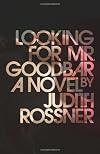
sad and disturbing. This book really made me think. What was it that led Theresa to make such poor choices in men? Several times she feels fearful of the men she is with but then feels sexual arousal. Why does James' clean cut persona cause her to feel disdain ... even revulsion? She feels empowered by the freedom to sleep with men she picks up for one night stands, yet these lead to loneliness and more self destructive choices. In the end it wasn't her promiscuity which led to her demise show more but her unexplainable attraction to dangerous men that did. She ignored warning signs that some of the men she brought home could harm her. This book has many interesting layers to it, and is thought provoking. It would make a great choice for a woman's book club... even 40 years after publication. show less
Lists
Awards


You May Also Like


Associated Authors
Statistics
- Works
- 17
- Also by
- 3
- Members
- 1,910
- Popularity
- #13,472
- Rating
- 3.5
- Reviews
- 29
- ISBNs
- 123
- Languages
- 7
- Favorited
- 2