
Peter Ames Carlin
Author of Bruce
About the Author
Peter Ames Carlin is the author of several books, including the New York Times bestseller Bruce, and biography of Bruce journalist, a senior writer at People, and a television columnist and feature writer at The Oregonian. A regular $ on music, art, and popular culture, he lives in Portland, Oregan show more with his wife and three children. show less
Works by Peter Ames Carlin
Catch a Wave: The Rise, Fall, and Redemption of the Beach Boys' Brian Wilson (2006) 183 copies, 4 reviews
Sonic Boom: The Impossible Rise of Warner Bros. Records, from Hendrix to Fleetwood Mac to Madonna to Prince (2021) 50 copies, 3 reviews
Tagged
Common Knowledge
- Birthdate
- 1963-03-14
- Gender
- male
- Nationality
- USA
- Birthplace
- Syracuse, New York, USA
- Places of residence
- Portland, Oregon, USA
Seattle, Washington, USA
Saint Paul, Minnesota, USA - Associated Place (for map)
- USA
Members
Reviews
Sonic Boom: The Impossible Rise of Warner Bros. Records, from Hendrix to Fleetwood Mac to Madonna to Prince by Peter Ames Carlin
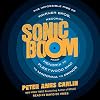
I really enjoyed this one. I was blissfully unaware of Warner's spot in music history. Sure, when I was younger, I knew I owned a disproportionate number of albums on the Elektra/Asylum and Sire rosters, but I never really put it all together until this book.
Mo Ostin was obviously a freaking pioneer in any industry. As I read how he guided the company, all I could think is, this is the polar opposite of how every single corporate entity runs. This isn't just a cool book about some cool music show more makers and how one company elevated them, it's also an important instruction manual on how to run a business.
Hire people for their talent. Give them some space to both learn and make mistakes. Then, trust them to do what they do best. Don't restrict them, empower them.
I loved this book for the stories. I loved it for the personalities. I loved it for the musicians. But I loved it most for the message. show less
Mo Ostin was obviously a freaking pioneer in any industry. As I read how he guided the company, all I could think is, this is the polar opposite of how every single corporate entity runs. This isn't just a cool book about some cool music show more makers and how one company elevated them, it's also an important instruction manual on how to run a business.
Hire people for their talent. Give them some space to both learn and make mistakes. Then, trust them to do what they do best. Don't restrict them, empower them.
I loved this book for the stories. I loved it for the personalities. I loved it for the musicians. But I loved it most for the message. show less

Sonic Boom: How Warner Bros. Records Revolutionized Rock 'n' Roll by Peter Ames Carlin is that rare book that talks about the business side of the entertainment industry, in this case music recording, and makes it interesting.
I tend to enjoy books that explain how the business side of things work but I also have realistic expectations. I certainly expect to be surprised at how things really work yet I don't necessarily expect to actually want to compulsively keep turning the pages. Carlin show more made this both very informative and very entertaining. It probably also helps that my record buying history started in the mid-60s, so this book covers the period of time I remember well.
I won't try to retell what is in the book, I'm not sure how I would even try. I will mention a couple of things that really made the book appealing to me before I ever started it. If you're also someone who bought a fair number of records, you'll probably have a couple things of your own that will spur you on.
First, I remember getting sampler records from Warner Bros. that would usually include an artist or two I knew but the rest were new to me. Those were fun because it was a cheap and easy way to discover new music, which was the point. Some of my friends hated them but I loved them.
Second, I was/am a big Prince fan so I have always been bothered by the way the relationship between him and WB soured the first time. Even as a fan I realized that it was not as simple and straightforward as Prince made it out to be, but I also held a bit of a grudge against WB because I felt the dispute robbed listeners of several years of good music and substituted mediocre music, for which both parties are to blame.
There is a great mix of behind the scenes information as well as many of the biggest names in popular music of the last few decades of the 20th century. It made me want to go back and listen to a lot of music. Nostalgia is a powerful force!
I would recommend this to music buffs, especially rock/pop music of the late 60s on. It is a far more entertaining read than you might expect for a behind the scenes type book.
Reviewed from a copy made available by the publisher via NetGalley. show less
I tend to enjoy books that explain how the business side of things work but I also have realistic expectations. I certainly expect to be surprised at how things really work yet I don't necessarily expect to actually want to compulsively keep turning the pages. Carlin show more made this both very informative and very entertaining. It probably also helps that my record buying history started in the mid-60s, so this book covers the period of time I remember well.
I won't try to retell what is in the book, I'm not sure how I would even try. I will mention a couple of things that really made the book appealing to me before I ever started it. If you're also someone who bought a fair number of records, you'll probably have a couple things of your own that will spur you on.
First, I remember getting sampler records from Warner Bros. that would usually include an artist or two I knew but the rest were new to me. Those were fun because it was a cheap and easy way to discover new music, which was the point. Some of my friends hated them but I loved them.
Second, I was/am a big Prince fan so I have always been bothered by the way the relationship between him and WB soured the first time. Even as a fan I realized that it was not as simple and straightforward as Prince made it out to be, but I also held a bit of a grudge against WB because I felt the dispute robbed listeners of several years of good music and substituted mediocre music, for which both parties are to blame.
There is a great mix of behind the scenes information as well as many of the biggest names in popular music of the last few decades of the 20th century. It made me want to go back and listen to a lot of music. Nostalgia is a powerful force!
I would recommend this to music buffs, especially rock/pop music of the late 60s on. It is a far more entertaining read than you might expect for a behind the scenes type book.
Reviewed from a copy made available by the publisher via NetGalley. show less
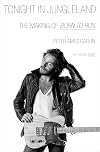
I love Bruce Springsteen, so I deeply enjoyed Peter Ames Carlin’s latest book about him, Tonight in Jungleland: The Making of Born to Run. I can imagine that if I knew anything about music and writing songs, I would love it even more because there is a lot of deep musical analysis that went over my head, but it didn’t matter. Carlin mixes his knowledge of Springsteen with interviews and what was clearly intense research into the recording sessions to deliver an incredibly detailed look show more into Springsteen’s early years of performing and recording his first three albums — the last of which was Born to Run. He also delves into Springsteen’s relationship with his manager, but keeps things even-handed by telling both sides of the story. Fans of Springsteen and anyone who writes or produces music will benefit from reading this book. show less
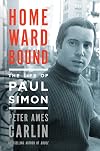
Like many gifted artists, Paul Simon seems driven by a mix of ego and insecurities. The core example of this dichotomy is his lifelong relationship with Art Garfunkel, which is richly covered by Peter Ames Carlin, from their days in grade school and early performances as Tom & Jerry to their many attempts at reconciliation through reunion tours and abandoned recording sessions.
The controversy at the heart of the landmark album Graceland is also here, with helps the reader understand how show more it's possible that Simon was both genuinely supporting the South African musicians whom he so admired, while also exploiting their talents. His "Graceland" studio session with Los Lobos is now infamous for similar reasons.
His attempts to win over Broadway audiences with "The Capeman" and Hollywood with "One Trick Pony" show Simon at his most vulnerable and defensive. He has been jealous of Bob Dylan for being revered as the poet of his generation, of Art Garfunkel for being seen as 'the sex symbol' of the duo, and yet he toured with Dylan in the 90's and generously supported Garfunkel spending time in Hollywood working on the film "Catch 22".
Carlin does a balanced job of presenting the many facets of Simon's personality, as well as giving a fair overview of his work as a writer and singer.
Toward the end of the book, Carlin encounters Simon at Emory University, where Simon is scheduled to do a symposium. Simon spots Carlin, gives him an icy stare, and then a dismissive wave. As this book is not authorized, Simon tells us all we need to know about how he feels about his warts-and-all career being presented on the page. That's as close as Carlin ever got to Simon. So, like all third party unauthorized biographies, there should be a huge grain of salt taken with "Homeward Bound". Simon may not be the kind of guy you'd want to have a cup of coffee with - truly, it sounds like it depends on the day. Some days, he's a real mensch, other days...not so much. But, you want him on that stage, you want him at his writer's desk, and in the studio. Because that's where he creates a transcendent magic that makes the rest of it little of our business. show less
The controversy at the heart of the landmark album Graceland is also here, with helps the reader understand how show more it's possible that Simon was both genuinely supporting the South African musicians whom he so admired, while also exploiting their talents. His "Graceland" studio session with Los Lobos is now infamous for similar reasons.
His attempts to win over Broadway audiences with "The Capeman" and Hollywood with "One Trick Pony" show Simon at his most vulnerable and defensive. He has been jealous of Bob Dylan for being revered as the poet of his generation, of Art Garfunkel for being seen as 'the sex symbol' of the duo, and yet he toured with Dylan in the 90's and generously supported Garfunkel spending time in Hollywood working on the film "Catch 22".
Carlin does a balanced job of presenting the many facets of Simon's personality, as well as giving a fair overview of his work as a writer and singer.
Toward the end of the book, Carlin encounters Simon at Emory University, where Simon is scheduled to do a symposium. Simon spots Carlin, gives him an icy stare, and then a dismissive wave. As this book is not authorized, Simon tells us all we need to know about how he feels about his warts-and-all career being presented on the page. That's as close as Carlin ever got to Simon. So, like all third party unauthorized biographies, there should be a huge grain of salt taken with "Homeward Bound". Simon may not be the kind of guy you'd want to have a cup of coffee with - truly, it sounds like it depends on the day. Some days, he's a real mensch, other days...not so much. But, you want him on that stage, you want him at his writer's desk, and in the studio. Because that's where he creates a transcendent magic that makes the rest of it little of our business. show less
Lists
Awards


You May Also Like


Statistics
- Works
- 7
- Members
- 1,255
- Popularity
- #20,438
- Rating
- 3.7
- Reviews
- 52
- ISBNs
- 89
- Languages
- 11
